 EN
EN

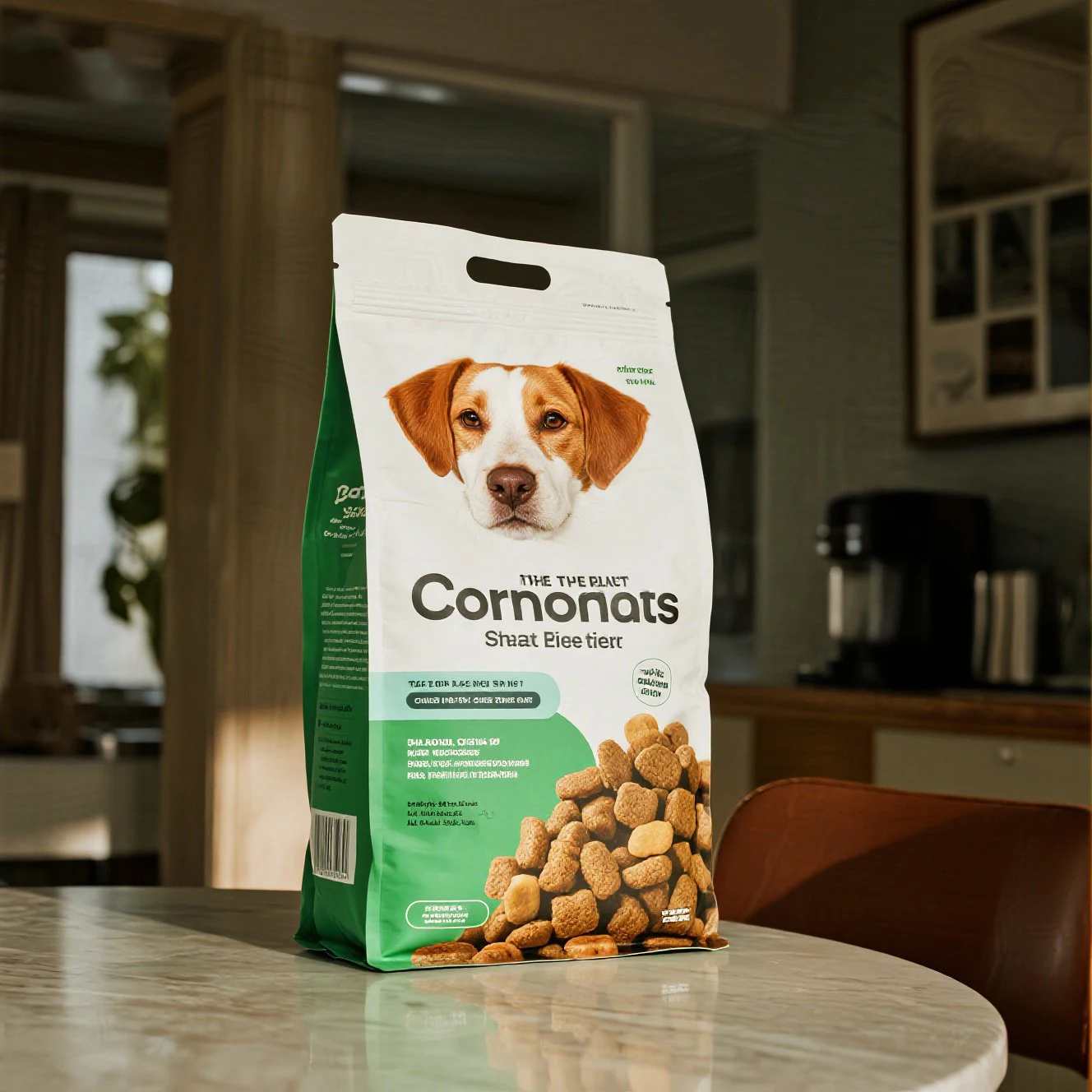
The pet food industry has experienced remarkable growth over the past decade, with pet owners increasingly demanding higher quality products and packaging solutions. Custom pet food bags have become essential for brands looking to differentiate themselves in this competitive market while ensuring product safety and compliance with regulatory standards. These specialized packaging solutions not only protect the nutritional integrity of pet food but also serve as powerful marketing tools that communicate brand values and product benefits to discerning consumers. Understanding the complex landscape of safety standards and regulations governing custom pet food bags is crucial for manufacturers, retailers, and pet food producers who want to succeed in this dynamic industry.
The regulatory framework surrounding pet food packaging involves multiple agencies and standards that vary by region and market. In the United States, the Food and Drug Administration plays a primary role in overseeing pet food safety, while the Association of American Feed Control Officials provides guidelines for labeling and nutritional standards. European markets operate under different regulatory structures, with the European Food Safety Authority establishing comprehensive requirements for pet food packaging materials and safety protocols. These varying standards create challenges for manufacturers of custom pet food bags who must navigate different compliance requirements across multiple markets.
Material Safety Standards for Pet Food Packaging
Food-Grade Material Requirements
Custom pet food bags must utilize materials that meet stringent food-grade safety standards to ensure they do not contaminate the products they contain. The selection of appropriate barrier films, adhesives, and printing inks requires careful consideration of migration testing results and chemical compatibility assessments. Polyethylene, polypropylene, and specialized multilayer structures are commonly used in custom pet food bags because they provide excellent barrier properties against moisture, oxygen, and light while maintaining compliance with food safety regulations. These materials undergo extensive testing to verify they do not release harmful substances that could affect pet health or food quality over extended storage periods.
Barrier Property Specifications
The effectiveness of custom pet food bags depends heavily on their barrier properties, which must be carefully engineered to preserve product freshness and prevent contamination. Oxygen transmission rates, water vapor permeability, and grease resistance are critical parameters that must meet specific industry standards for different types of pet food products. Dry kibble requires different barrier characteristics compared to semi-moist treats or freeze-dried products, necessitating customized approaches to material selection and bag construction. Advanced testing protocols ensure that custom pet food bags maintain their protective properties throughout the intended shelf life of the products they contain.
Regulatory Compliance Framework
FDA Guidelines and Requirements
The Food and Drug Administration establishes comprehensive guidelines for pet food packaging that directly impact the design and manufacturing of custom pet food bags. These regulations cover material safety, labeling requirements, nutritional adequacy statements, and contamination prevention protocols that manufacturers must strictly follow. Current Good Manufacturing Practices require that custom pet food bags be produced in facilities that maintain appropriate hygiene standards, implement quality control systems, and document all manufacturing processes. Regular inspections and compliance audits ensure that manufacturers of custom pet food bags continue to meet evolving FDA standards and maintain their authorization to supply packaging materials for pet food applications.
International Standards and Certifications
Global markets for pet food products require custom pet food bags to comply with various international standards and certification programs that demonstrate safety and quality. ISO 22000 food safety management systems provide frameworks for ensuring consistent quality in packaging manufacturing processes. BRC Global Standards for Packaging and Packaging Materials offer additional certification pathways that many retailers and distributors require from their suppliers. These international standards facilitate trade across borders and provide consumers with confidence in the safety and reliability of custom pet food bags regardless of where they are manufactured or sold.
Design Considerations for Safety Compliance
Structural Integrity and Durability
The physical design of custom pet food bags must balance aesthetic appeal with robust structural integrity to ensure product safety throughout distribution and storage. Seal strength, puncture resistance, and tear propagation characteristics are critical parameters that affect the ability of packaging to maintain product integrity under various handling conditions. Drop testing, vibration analysis, and compression studies help validate that custom pet food bags can withstand the rigors of modern supply chains without compromising safety or quality. Advanced manufacturing techniques such as heat sealing optimization and quality control systems ensure consistent performance across large production runs.
Closure Systems and Tamper Evidence
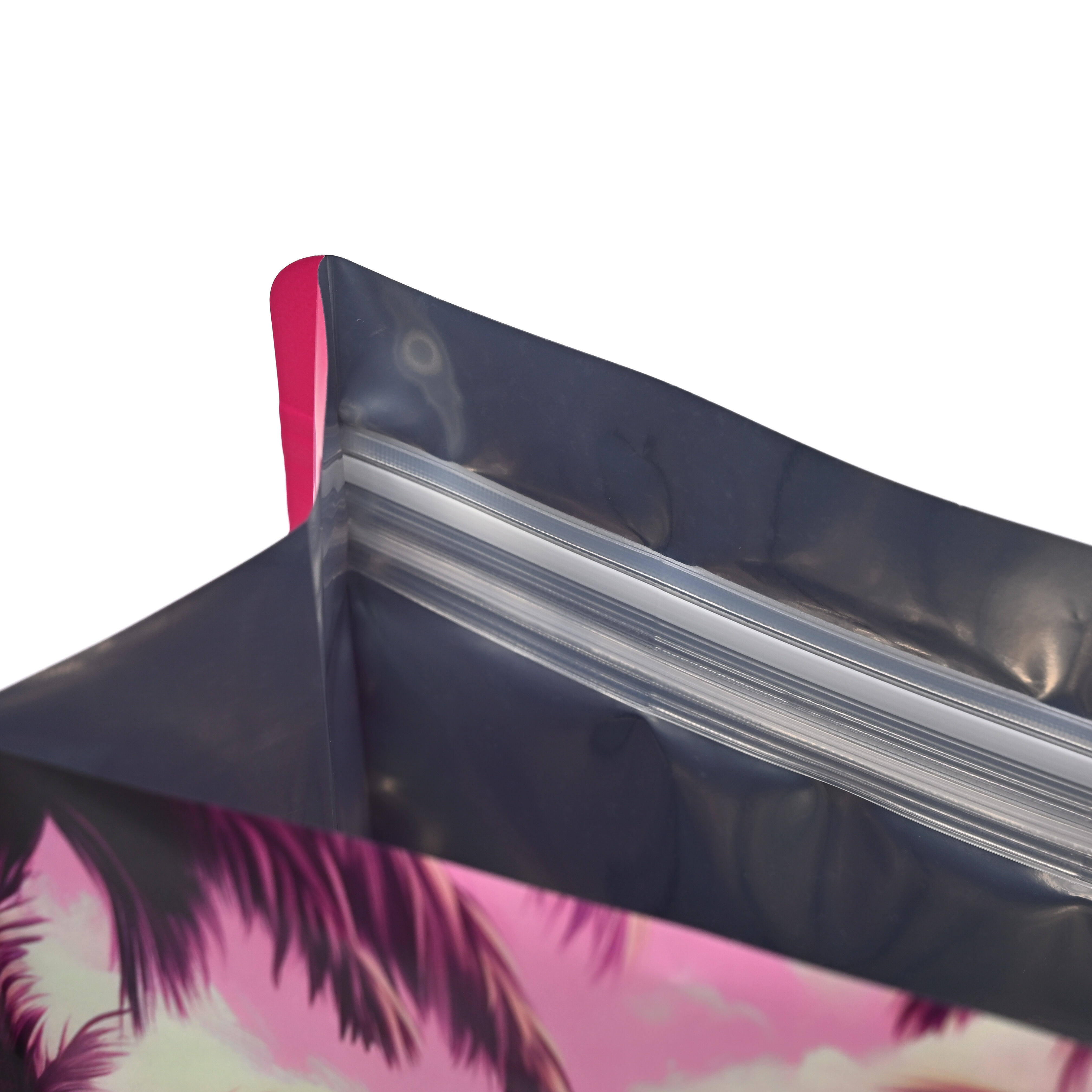
Effective closure systems in custom pet food bags serve dual purposes of maintaining product freshness and providing tamper evidence that assures consumers of product safety. Zipper closures, heat-sealed seams, and specialized opening features must be designed to prevent accidental opening during transportation while allowing convenient access for consumers. Tamper-evident features help retailers and consumers identify any unauthorized access to products, which is particularly important for premium pet food brands that emphasize safety and quality. The integration of these closure systems requires careful engineering to ensure they do not create weak points that could compromise the overall integrity of custom pet food bags.
Testing and Quality Assurance Protocols
Migration Testing Requirements
Migration testing represents one of the most critical aspects of safety validation for custom pet food bags, as it determines whether packaging materials might transfer potentially harmful substances to the food products they contain. These comprehensive tests evaluate the potential migration of chemicals from packaging materials under various storage conditions, temperatures, and contact times that simulate real-world usage scenarios. Analytical laboratories employ sophisticated testing methods including gas chromatography and mass spectrometry to detect even trace levels of migrating substances. The results of migration testing directly influence material selection decisions and help manufacturers of custom pet food bags ensure their products meet the strictest safety standards required by regulatory agencies.
Accelerated Aging Studies
Accelerated aging studies provide crucial data about how custom pet food bags perform over extended periods, allowing manufacturers to predict long-term safety and quality characteristics without waiting for real-time aging to occur. These studies subject packaging materials to elevated temperatures, humidity levels, and light exposure conditions that simulate months or years of normal storage in compressed timeframes. The data generated from accelerated aging studies helps validate shelf life claims, optimize material formulations, and identify potential failure modes that could affect product safety. Regular monitoring throughout these studies ensures that custom pet food bags maintain their protective properties and safety characteristics throughout their intended service life.
Labeling and Information Requirements
Mandatory Labeling Elements
Regulatory requirements for labeling on custom pet food bags include specific mandatory elements that must be clearly displayed and easily readable by consumers. Product name, guaranteed analysis, ingredient lists, feeding directions, and manufacturer information represent core labeling requirements that apply to all pet food packaging. Nutritional adequacy statements, calorie content declarations, and allergen warnings provide additional information that helps consumers make informed decisions about pet food products. The placement, size, and legibility of these labeling elements must comply with specific regulatory guidelines that vary by jurisdiction and product type.
Claims and Marketing Compliance
Marketing claims displayed on custom pet food bags must be substantiated by scientific evidence and comply with advertising standards established by regulatory agencies. Terms such as natural, organic, grain-free, and premium carry specific regulatory meanings that must be supported by appropriate documentation and product formulations. Health claims related to specific benefits or nutritional attributes require particular scrutiny to ensure they do not make unauthorized therapeutic or medical assertions. Manufacturers of custom pet food bags must work closely with their clients to ensure that all marketing messages and claims comply with applicable regulations while effectively communicating product benefits to target consumers.
Supply Chain Safety Considerations
Traceability and Documentation
Effective traceability systems for custom pet food bags enable rapid identification and resolution of safety issues that may arise throughout the supply chain. Comprehensive documentation of raw materials, manufacturing processes, quality control results, and distribution records provides the foundation for robust traceability programs. Lot coding systems, batch tracking databases, and supplier qualification programs help ensure that any safety concerns can be quickly traced to their source and appropriate corrective actions implemented. These traceability capabilities are essential for maintaining consumer confidence and regulatory compliance in an industry where product recalls can have significant financial and reputational consequences.
Storage and Handling Guidelines
Proper storage and handling of custom pet food bags throughout the supply chain plays a crucial role in maintaining product safety and quality from manufacturing to consumer purchase. Temperature control, humidity management, and protection from contaminants require careful attention at every stage of distribution and storage. Warehouse management systems, cold chain monitoring, and handling protocols help ensure that custom pet food bags maintain their protective properties and do not introduce safety risks to the products they contain. Training programs for distribution partners and retail staff help maintain consistent handling standards that preserve product integrity and consumer safety.
Future Trends in Pet Food Packaging Safety
Sustainable Material Innovations
The development of sustainable materials for custom pet food bags represents an emerging trend that balances environmental concerns with safety requirements and regulatory compliance. Bio-based polymers, recyclable multilayer structures, and compostable films offer potential alternatives to traditional packaging materials while maintaining the barrier properties and safety characteristics required for pet food applications. Research into plant-based materials, recycled content integration, and circular economy approaches continues to drive innovation in sustainable packaging solutions. These developments require careful evaluation to ensure that new materials meet existing safety standards and regulatory requirements for custom pet food bags.
Smart Packaging Technologies
Smart packaging technologies integrated into custom pet food bags offer new opportunities for enhancing safety monitoring and consumer communication while maintaining regulatory compliance. Time-temperature indicators, freshness sensors, and QR code systems can provide real-time information about product condition and safety status throughout the supply chain. These technologies enable better inventory management, reduce food waste, and enhance consumer confidence in product safety and quality. The integration of smart features into custom pet food bags requires careful consideration of regulatory implications and consumer privacy concerns while delivering meaningful benefits to all stakeholders in the pet food supply chain.
FAQ
What are the key regulatory agencies that oversee custom pet food bags safety standards
The primary regulatory agencies overseeing custom pet food bags include the FDA in the United States, which establishes food safety guidelines and material requirements. The Association of American Feed Control Officials provides labeling and nutritional standards, while international markets operate under agencies like the European Food Safety Authority. These organizations work together to establish comprehensive safety frameworks that ensure custom pet food bags meet appropriate standards for protecting pet health and maintaining product quality throughout distribution and storage.
How do migration testing requirements affect the design of custom pet food bags
Migration testing requirements significantly influence material selection and design decisions for custom pet food bags by establishing limits on chemical transfer from packaging to food products. These tests evaluate potential migration under various storage conditions and contact times, requiring manufacturers to select materials that demonstrate minimal chemical migration. The results directly impact choices of barrier films, adhesives, printing inks, and sealing materials used in custom pet food bags, ensuring they maintain safety standards throughout their intended shelf life.
What documentation is required to demonstrate compliance for custom pet food bags
Compliance documentation for custom pet food bags includes certificates of analysis for raw materials, migration testing results, manufacturing process validation, and quality control records. Suppliers must provide material safety data sheets, FDA compliance letters, and certification documents from recognized testing laboratories. Traceability records, batch tracking information, and supplier qualification documentation are also essential for demonstrating ongoing compliance with safety standards and regulatory requirements for custom pet food bags.
How do international markets affect safety standards for custom pet food bags
International markets create complex compliance requirements for custom pet food bags as different regions maintain varying safety standards and regulatory frameworks. Manufacturers must navigate FDA requirements in the United States, European Food Safety Authority guidelines in Europe, and similar agencies in other markets. This necessitates designing custom pet food bags that can meet the most stringent requirements across multiple jurisdictions, often requiring additional testing, certification, and documentation to ensure global market access while maintaining consistent safety standards.
Table of Contents
- Material Safety Standards for Pet Food Packaging
- Regulatory Compliance Framework
- Design Considerations for Safety Compliance
- Testing and Quality Assurance Protocols
- Labeling and Information Requirements
- Supply Chain Safety Considerations
- Future Trends in Pet Food Packaging Safety
-
FAQ
- What are the key regulatory agencies that oversee custom pet food bags safety standards
- How do migration testing requirements affect the design of custom pet food bags
- What documentation is required to demonstrate compliance for custom pet food bags
- How do international markets affect safety standards for custom pet food bags