 EN
EN
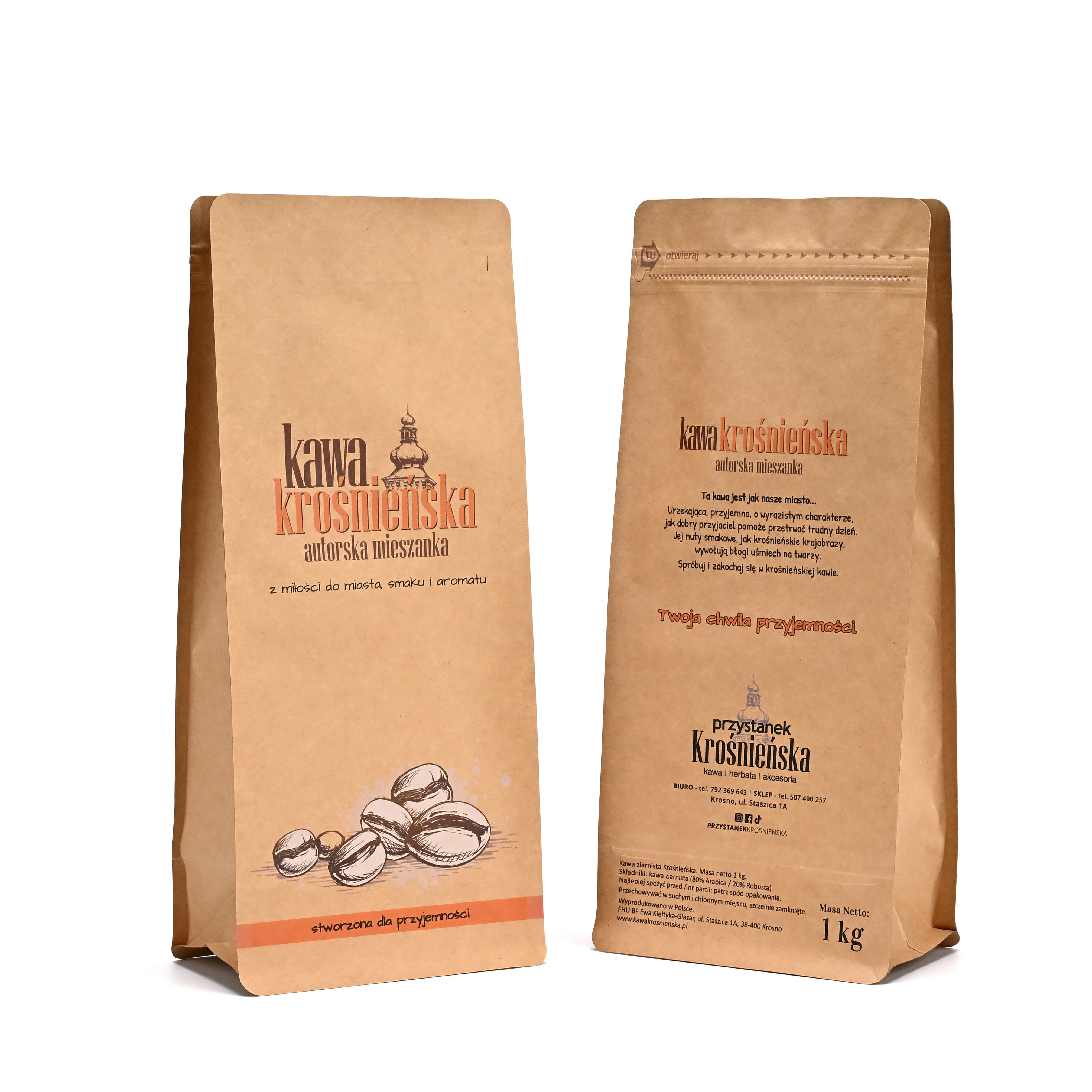
The shift toward sustainable packaging has become essential for businesses committed to reducing their environmental footprint. A kraft paper bag represents one of the most effective solutions for companies seeking to replace conventional plastic packaging with genuinely eco-friendly alternatives. Unlike traditional single-use plastics that persist in landfills and oceans for centuries, a kraft paper bag breaks down naturally within months, offering substantial environmental advantages that extend far beyond the point of sale.
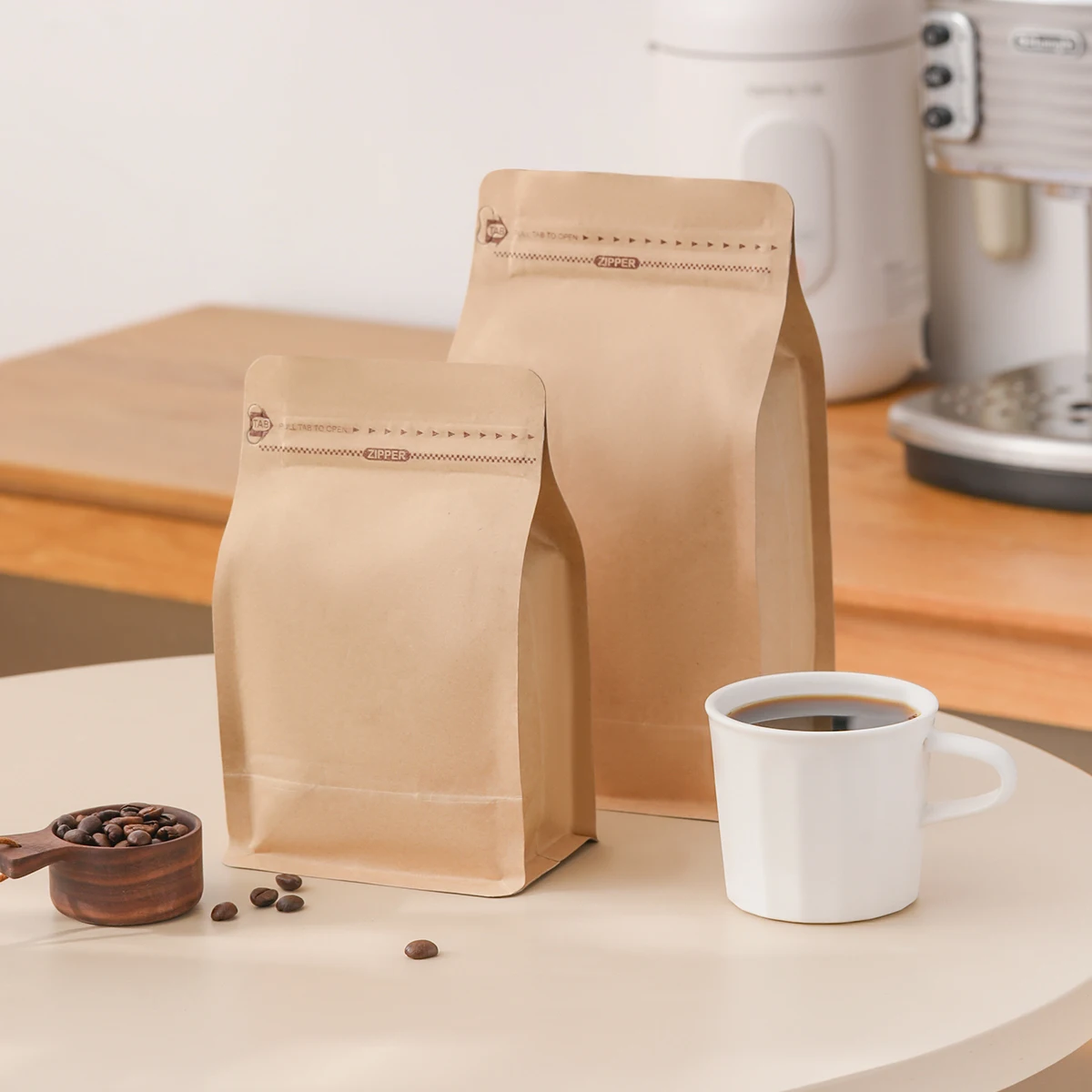
Organizations across retail, food service, logistics, and consumer goods industries are recognizing that a kraft paper bag delivers measurable environmental benefits while strengthening brand reputation and meeting regulatory requirements. The decision to adopt a kraft paper bag is not merely a packaging choice—it reflects a commitment to circular economy principles, reduced carbon emissions, and resource conservation that modern consumers increasingly expect and reward.
Environmental Impact of Kraft Paper Bag Production and Use
Resource Efficiency and Renewable Materials
A kraft paper bag is manufactured from wood pulp derived from sustainably managed forests, making it fundamentally different from petroleum-based plastics. The production of a kraft paper bag consumes significantly less energy compared to synthetic alternatives, and the raw materials are continuously replenished through responsible forestry practices. When companies source a kraft paper bag from certified suppliers, they actively support reforestation initiatives and reduce dependence on finite fossil fuels. The manufacturing process for a kraft paper bag also generates fewer toxic byproducts than petrochemical processes, contributing to cleaner air and water in production regions.
Carbon Footprint Reduction
Switching to a kraft paper bag dramatically lowers the carbon footprint associated with packaging operations. A kraft paper bag produces approximately 75 percent lower greenhouse gas emissions during manufacture than comparable plastic bags, according to lifecycle assessment studies. The biodegradable nature of a kraft paper bag means it does not require specialized industrial composting facilities or decades of environmental persistence. When a kraft paper bag eventually decomposes in landfills, incinerators, or natural environments, it releases minimal methane and contributes negligibly to atmospheric carbon concentrations. For businesses operating under carbon accounting frameworks, adopting a kraft paper bag represents one of the most straightforward sustainability measures with quantifiable impact reduction.
Biodegradability and End-of-Life Environmental Advantages
Natural Decomposition and Circular Economy Integration
Unlike plastic bags that fragment into microplastics persisting indefinitely in ecosystems, a kraft paper bag completes its lifecycle within 5 to 12 months under typical environmental conditions. A kraft paper bag breaks down through biological processes, returning organic material to soil and supporting nutrient cycling. Businesses that implement a kraft paper bag within their operations enable customers to participate in genuine waste reduction, whether through home composting, industrial composting facilities, or natural degradation. The compostable nature of a kraft paper bag means it never contributes to the growing islands of plastic waste accumulating in oceans and landfills. Many municipalities now specifically accept a kraft paper bag in yard waste and composting programs, creating an accessible end-of-life pathway unavailable to conventional plastics.
Marine and Terrestrial Ecosystem Protection
Ocean pollution from plastic packaging causes documented harm to marine life, coral systems, and food chains that ultimately affect human nutrition and health. A kraft paper bag eliminates this risk entirely because it poses no threat to marine ecosystems even if it reaches waterways. Terrestrial animals cannot mistake a kraft paper bag for food or become entangled in its fibers, unlike plastic bags that injure or kill thousands of wildlife annually. Soil quality also improves when a kraft paper bag decomposes, as the cellulose enriches microbial communities and organic matter content. Choosing a kraft paper bag is therefore an investment in ecosystem resilience across both land and sea environments.
Regulatory Compliance and Consumer Preference Alignment
Meeting Evolving Environmental Legislation
Governments worldwide are implementing bans and restrictions on single-use plastics, creating regulatory pressure that makes a kraft paper bag an essential compliance tool. A kraft paper bag meets the criteria established by plastic reduction legislation in Europe, California, and numerous other regions because it is demonstrably biodegradable and sourced from renewable materials. Companies that proactively transition to a kraft paper bag avoid potential fines, operational disruptions, and the costly need to replace packaging infrastructure under emergency timelines. A kraft paper bag also satisfies voluntary sustainability certification standards that major retailers and supply chain partners now require. Regulatory advantage compounds over time as a kraft paper bag becomes the only legally permissible option in expanding markets, while early adopters gain competitive positioning and brand differentiation.
Consumer Expectations and Market Demand
Market research consistently shows that 73 percent of global consumers prefer brands using sustainable packaging, and a kraft paper bag has become the visible symbol of authentic environmental commitment. When customers receive purchases in a kraft paper bag, they form positive associations with corporate sustainability values and are more likely to recommend the brand. A kraft paper bag also demonstrates transparency—consumers understand intuitively that paper decomposes, whereas plastic fate remains opaque and anxiety-inducing. Retail businesses that feature a kraft paper bag experience measurable increases in customer satisfaction scores and repeat purchase rates. For companies operating in environmentally conscious markets, a kraft paper bag is no longer a premium feature but rather a baseline expectation that influences purchasing decisions.
FAQ
Are kraft paper bags truly biodegradable in all environments?
Yes, a kraft paper bag is biodegradable across diverse environmental conditions including landfills, compost facilities, soil, and freshwater systems. However, decomposition rate varies depending on moisture, temperature, microbial activity, and material composition. A kraft paper bag typically decomposes within 5 to 12 months in standard conditions, though thick or laminated varieties may require longer timeframes. Ensuring that a kraft paper bag is sourced without synthetic coatings or non-biodegradable adhesives maximizes its environmental benefit.
How does a kraft paper bag compare to recycled plastic alternatives?
While recycled plastics reduce virgin resource extraction, a kraft paper bag remains superior for end-of-life management because it decomposes naturally rather than cycling through multiple reprocessing iterations that eventually result in landfill placement. A kraft paper bag also avoids contamination issues that plague recycled plastic streams, where food residues and mixed materials compromise batch quality. For single-use packaging applications, a kraft paper bag delivers cleaner environmental accounting than even recycled alternatives.
What certifications should I look for when sourcing a kraft paper bag?
Verify that a kraft paper bag carries certifications from Forest Stewardship Council (FSC), Programme for the Endorsement of Forest Certification (PEFC), or equivalent bodies confirming sustainable forestry sourcing. Look for certifications indicating that a kraft paper bag is compostable under standards such as EN 13432 or ISO 14855. These certifications ensure that a kraft paper bag meets rigorous environmental standards and delivers authentic sustainability value rather than greenwashing.