 EN
EN
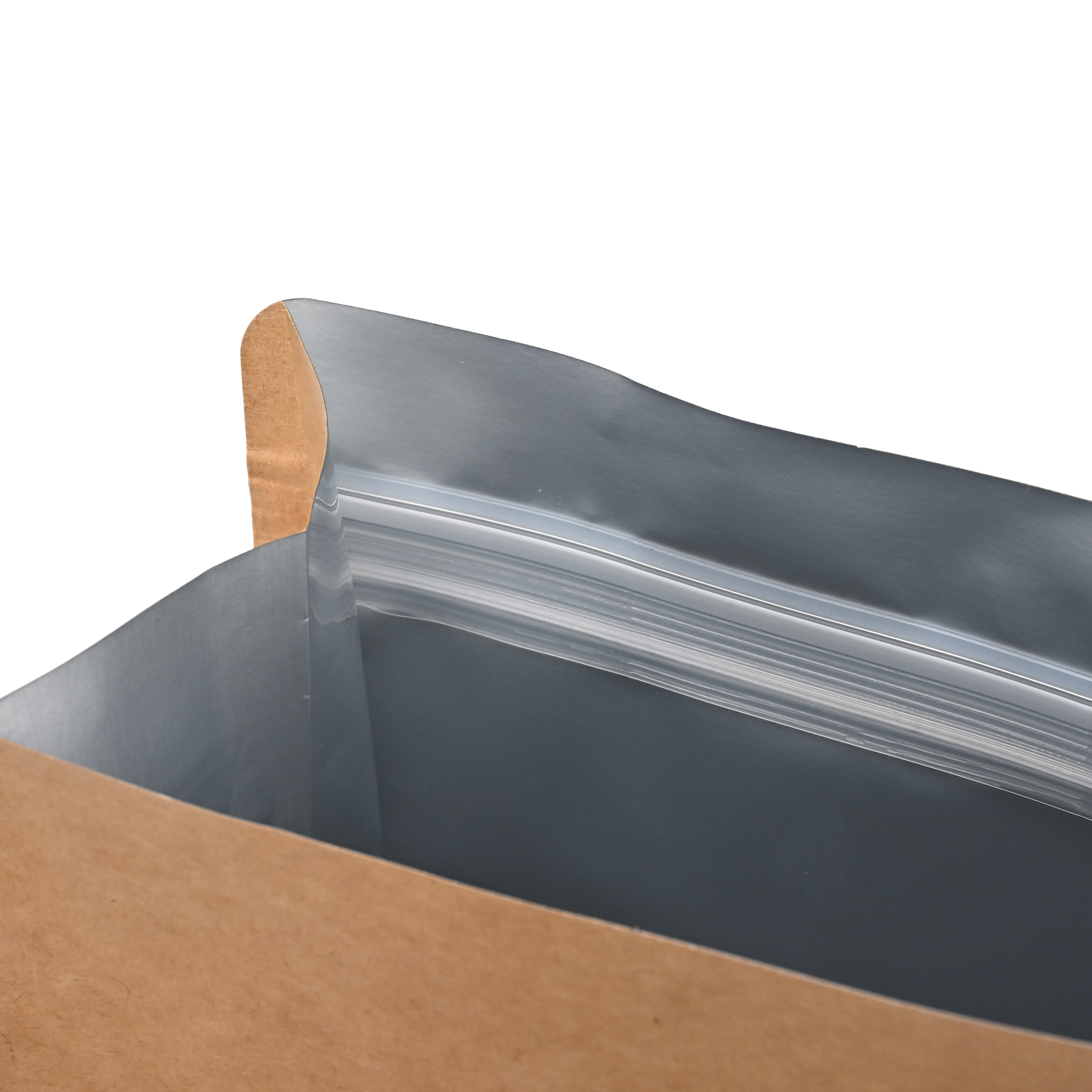
Custom printing on a kraft paper bag has become essential for brands seeking to differentiate their packaging in competitive markets. The kraft paper bag offers a natural, eco-friendly canvas that resonates with modern consumers while providing excellent printability for sharp, detailed graphics. Whether you're packaging food products, retail items, or promotional materials, mastering the techniques for achieving crisp, vibrant designs on kraft paper bags directly impacts brand perception and shelf appeal. Understanding the printing methods, design considerations, and quality standards for a kraft paper bag ensures your brand message stands out with professional visual impact.
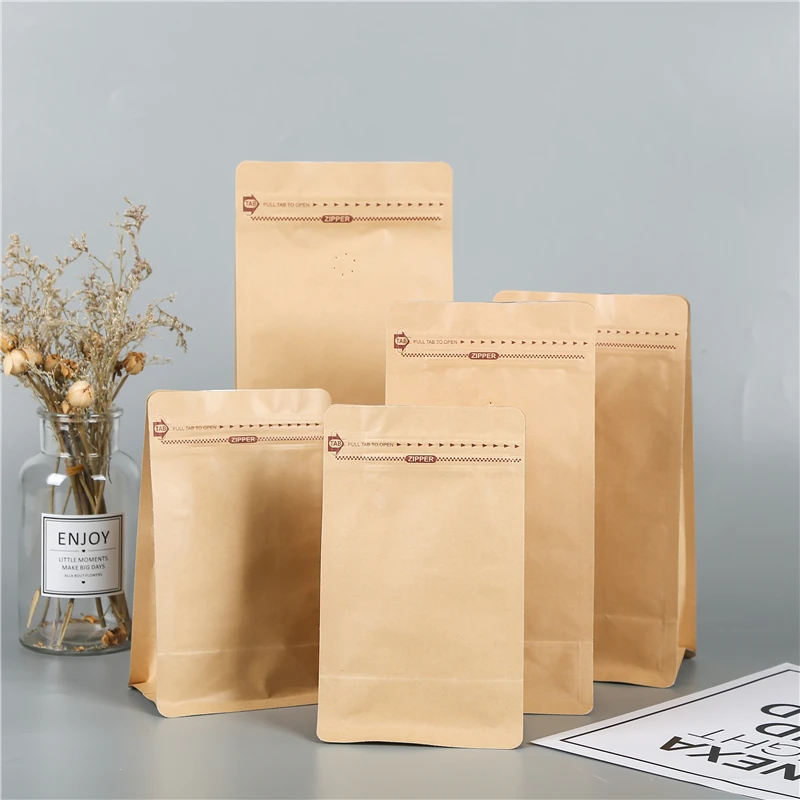
The process of achieving sharp graphics on a kraft paper bag requires understanding both the substrate characteristics and the printing technology being applied. Kraft paper's texture, porosity, and natural color create unique challenges and opportunities for designers and printers. A kraft paper bag demands specific ink formulations, registration precision, and color management strategies to deliver results that meet professional standards. This guide explores the technical foundations and practical techniques that ensure your kraft paper bag printing achieves the visual quality your brand demands.
Understanding Kraft Paper Bag Substrate Properties
Kraft Paper Characteristics and Printability
Kraft paper, produced from chemical pulping of softwood, possesses inherent characteristics that significantly influence printing outcomes on your kraft paper bag. The natural color ranges from light tan to deep brown, and the surface texture varies depending on the finishing process applied during manufacture. A kraft paper bag typically features a rougher surface than coated papers, which affects how inks adhere and dry. The porosity of kraft material allows ink penetration, requiring careful selection of ink types to prevent feathering or bleeding while maintaining color vibrancy on your kraft paper bag.
Weight and Thickness Impact on Print Quality
The weight classification of your kraft paper bag—typically ranging from 50 to 120 gsm—directly affects how the substrate receives and displays printed graphics. Heavier weight kraft paper bags provide superior rigidity and dimensional stability, which reduces registration errors during multi-color printing. Thinner kraft paper bags may experience stretching or dimensional changes in high-humidity environments, compromising print alignment. When selecting the weight for your kraft paper bag project, balance the desired aesthetic with the structural requirements of the packaging application. Thicker kraft paper bags generally produce sharper graphics because the more stable substrate minimizes distortion during the printing process.
Printing Techniques for Sharp Graphics on Kraft Paper Bags
Flexographic Printing for Kraft Paper Bag Applications
Flexographic printing stands as the most common method for high-volume kraft paper bag production, offering excellent speed and cost efficiency when pursuing sharp graphics. This technique uses photopolymer plates and fast-drying inks specifically formulated for the kraft paper bag substrate. The direct pressure application of flexographic systems creates crisp dot patterns and clean line reproduction on kraft paper bags, particularly effective for solid colors and bold designs. For achieving sharp graphics on kraft paper bags via flexography, precise anilox roller selection, proper ink viscosity control, and correct printing pressure are critical variables that directly influence output quality.
Gravure Printing for Detailed Kraft Paper Bag Designs
Gravure printing delivers exceptional detail and color gradation when custom printing a kraft paper bag with photographic or highly detailed artwork. This method uses engraved cylinders that hold ink in recessed cells, transferring precise ink volumes onto the kraft paper bag surface. The gravure process excels at producing rich, dense colors and fine tonal variations that elevate premium kraft paper bag applications. When pursuing sharp graphics through gravure on your kraft paper bag, the technique's ability to maintain consistent ink transfer across large production runs ensures uniform print quality throughout the entire job.
Digital Printing Solutions for Kraft Paper Bag Customization
Digital printing technology has revolutionized small to mid-run production of custom kraft paper bags with sharp, photorealistic graphics. This method eliminates the need for expensive printing plates, making a kraft paper bag ideal for short runs, variable data printing, or frequent design changes. Digital systems deposit ink directly onto the kraft paper bag surface with precision, achieving sharp text and intricate details without traditional registration challenges. The kraft paper bag surface's natural texture remains visible even with digital printing, creating a distinctive aesthetic while maintaining graphic crispness. However, ink selection for digital printing on kraft paper bags requires specialized formulations that bond effectively to the porous substrate.
Design Optimization and Color Management for Kraft Paper Bags
Design Considerations for Kraft Paper Bag Graphics
Creating sharp graphics on a kraft paper bag begins with understanding how design elements interact with the substrate's natural color and texture. The kraft paper bag's warm, earthy tone influences color perception, requiring designers to account for this backdrop when selecting artwork palettes. Designs featuring high contrast between graphics and kraft paper bag background produce sharper visual impact and better readability from distance. Fine details, thin lines, and small text may lose clarity on a kraft paper bag due to ink absorption and surface irregularities, making design simplification and strategic element sizing essential. Designers should always specify a kraft paper bag proof before committing to full production, ensuring their vision translates accurately across the actual substrate.
Ink Selection and Color Management
The type of ink applied to your kraft paper bag fundamentally determines graphic sharpness and color vibrancy. Water-based inks offer environmental advantages for kraft paper bag applications but may require longer drying times and present adhesion challenges on some kraft substrates. Oil-based and UV-curable inks provide faster drying and superior adhesion to kraft paper bags, enabling sharper graphics and more durable finishes resistant to smudging and wear. Color management systems become critical when printing a kraft paper bag, as the natural variation in kraft paper batch-to-batch color can shift how printed colors appear. Establishing color targets based on actual kraft paper bag samples and maintaining tight press control ensures consistent output quality across all kraft paper bag runs.
Quality Control and Finishing Techniques
Registration Precision and Print Alignment
Sharp graphics on kraft paper bags depend critically on precise registration alignment, particularly in multi-color printing applications. Register marks positioned outside the printed area guide the kraft paper bag through each printing station, ensuring each color layer aligns perfectly with previous passes. Substrate tension control during printing prevents kraft paper bag stretching that would compromise registration across the design. Modern kraft paper bag printing equipment incorporates electronic register control systems that continuously monitor and adjust for minute dimensional changes, maintaining sharp alignment even across extended production runs. Regular calibration and maintenance of these systems directly preserve the graphic crispness that distinguishes professional kraft paper bag printing from substandard output.
Protective Coatings and Varnish Applications
Applying protective varnish or coating to a printed kraft paper bag enhances graphic sharpness while providing durability benefits for the finished package. Matte varnish maintains the natural kraft paper bag aesthetic while adding scuff resistance and improving ink adhesion and color saturation. Gloss varnish on kraft paper bags intensifies color depth and creates visual contrast that emphasizes graphic elements. A kraft paper bag treated with aqueous or UV-curable coating resists moisture penetration and surface abrasion, preserving print quality throughout the product's shelf life and distribution journey. The varnish itself must dry to a sharp, even finish without pooling or irregular coverage that would create visible defects on the kraft paper bag surface.
FAQ
What printing method produces the sharpest graphics on kraft paper bags?
Gravure printing typically delivers the sharpest, most detailed graphics on kraft paper bags due to its engraved cylinder technology and precise ink transfer capabilities. For mid-to-high volume production, flexographic printing offers excellent sharpness when equipped with quality photopolymer plates and proper press setup. Digital printing provides outstanding sharpness for short runs and complex designs without traditional registration limitations. The optimal method depends on your production volume, design complexity, and budget constraints for your kraft paper bag project.
How does kraft paper bag surface texture affect print quality?
The natural texture of kraft paper bags can cause ink to spread slightly into surface irregularities, potentially reducing fine detail sharpness compared to coated substrates. However, this same texture creates visual interest and aligns with consumer preferences for natural, sustainable packaging. Selecting heavier weight kraft paper provides a smoother surface and better dimensional stability, resulting in sharper overall graphics. Coated kraft paper bags offer improved smoothness and ink adhesion for even crisper results, though at increased cost compared to uncoated kraft paper bags.
What design elements should be avoided when printing a kraft paper bag?
Very thin lines, small reverse text, and fine halftone details can lose sharpness on uncoated kraft paper bags due to ink absorption and surface texture. Designers should maintain minimum line weights of 0.25mm and reserve small text for bold, sans-serif typefaces that remain legible. High-contrast color combinations work best on kraft paper bags, while subtle color gradations may appear muddy due to the substrate's natural tone. Always request a kraft paper bag sample proof to evaluate how your specific design translates to the actual substrate before finalizing production specifications.