 EN
EN

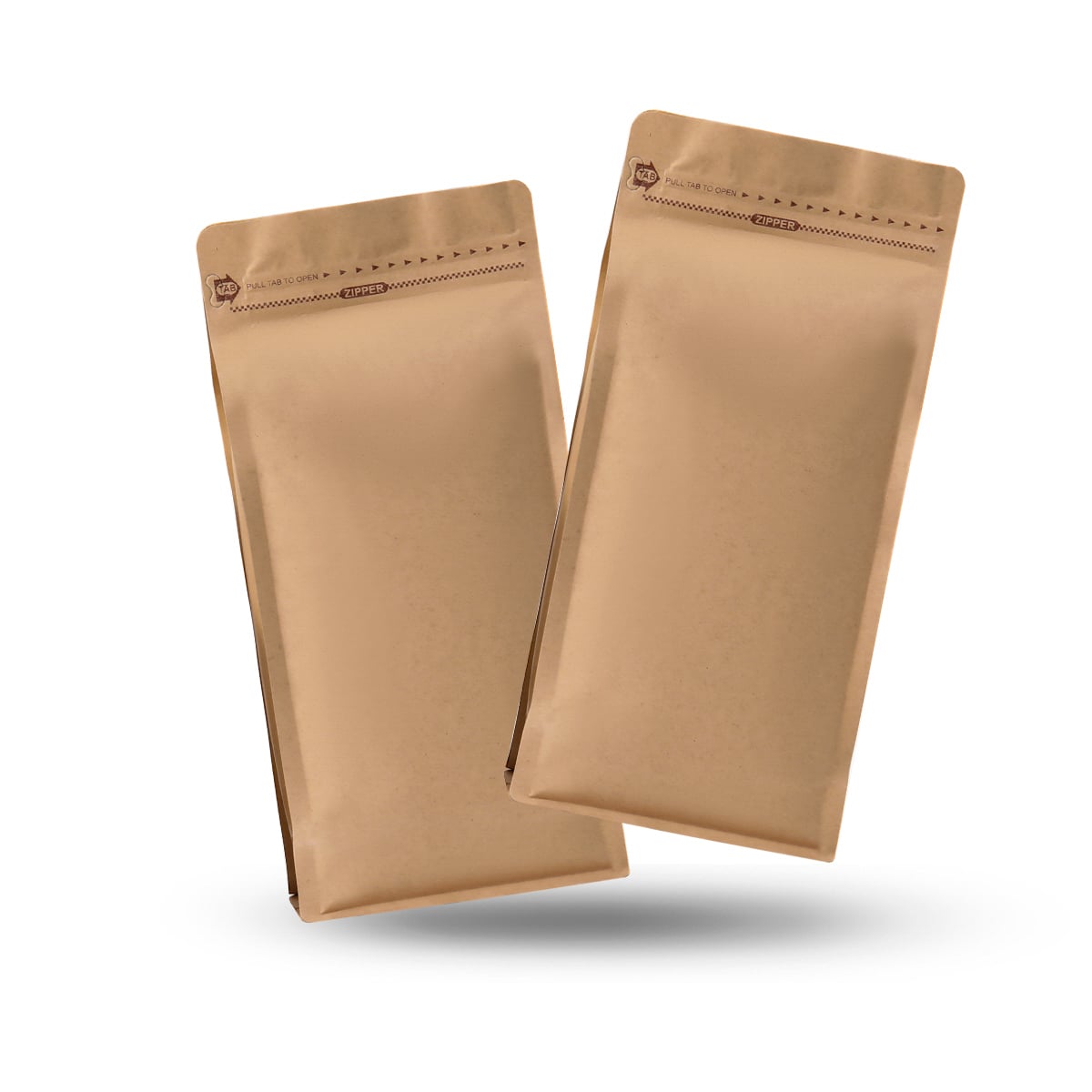
Kraft paper bag packaging has become an industry standard for businesses seeking sustainable yet functional solutions. However, basic kraft paper bags alone often fall short when products require enhanced protection against moisture, oxygen, and mechanical stress. Laminating kraft paper bag packaging transforms these versatile containers into high-performance barriers without sacrificing the environmental benefits that make kraft paper attractive to manufacturers and consumers alike.
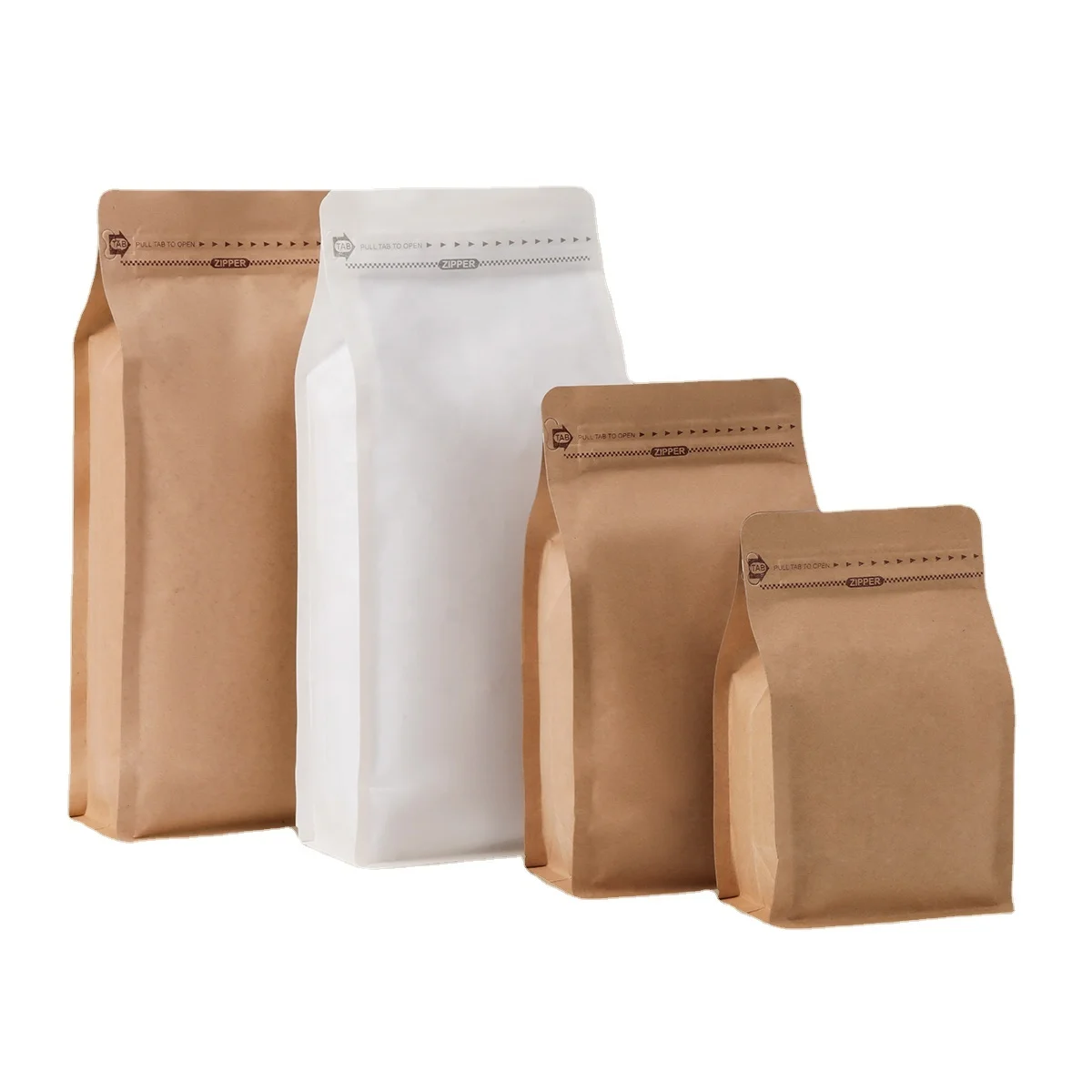
The lamination process applies a protective layer—typically polyethylene, polypropylene, or aluminum foil—to kraft paper bag packaging surfaces, creating a multi-layer composite structure. This laminated kraft paper bag packaging approach enables manufacturers to meet rigorous shelf-life requirements, comply with food safety standards, and protect sensitive contents from degradation. Understanding the lamination process, materials, and application scenarios is essential for supply chain professionals and packaging engineers making strategic sourcing decisions.
Understanding Lamination Technology for Kraft Paper Bag Packaging
How Lamination Strengthens Kraft Paper Bag Packaging
Laminating kraft paper bag packaging involves bonding a thin protective film to the kraft paper substrate using heat, pressure, and adhesive systems. The kraft paper bag packaging base provides structural integrity and eco-friendly branding appeal, while the laminate layer delivers moisture barriers, grease resistance, and puncture protection. For food applications, laminated kraft paper bag packaging prevents product oxidation and extends shelf life by weeks or months compared to unlaminated alternatives.
The strength improvement in laminated kraft paper bag packaging comes from both the added protective layer and the reinforced bond between materials. Kraft paper bag packaging with lamination resists tearing during handling, transportation, and consumer use. The combination creates a tear-resistant yet flexible container that maintains product integrity from warehouse to retail shelf.
Material Combinations in Kraft Paper Bag Packaging
Laminated kraft paper bag packaging typically combines three structural elements: the outer kraft paper layer, an adhesive system, and the inner protective film. The kraft paper bag packaging outer surface remains visible for branding and sustainability messaging, while the laminate interior provides the functional barrier. Polyethylene lamination is most common for general moisture protection, while aluminum foil lamination in kraft paper bag packaging offers superior oxygen and light barriers for premium products requiring extended shelf stability.
Custom kraft paper bag packaging often uses multi-layer laminates combining PE film with aluminum foil to maximize barrier performance. This hybrid approach in kraft paper bag packaging balances cost efficiency with performance requirements. The specific laminate composition for kraft paper bag packaging should match product sensitivity, shelf-life targets, and storage conditions.
Barrier Protection Performance of Laminated Kraft Paper Bags
Moisture and Oxygen Barrier Effectiveness
Moisture resistance is the primary reason manufacturers choose laminated kraft paper bag packaging over standard kraft options. Unlaminated kraft paper bag packaging absorbs ambient humidity, potentially compromising product quality and weight consistency. Laminated kraft paper bag packaging with polyethylene film reduces moisture transmission rates by 95% or more, depending on film thickness and adhesive quality. For coffee, tea, powders, and dried foods, this moisture barrier is non-negotiable.
Oxygen barrier performance varies significantly across kraft paper bag packaging laminate types. Standard PE lamination in kraft paper bag packaging provides moderate oxygen protection suitable for low-oxygen products. Aluminum foil layers in premium kraft paper bag packaging create near-total oxygen barriers, essential for preventing rancidity in oils, nuts, and fatty foods. The barrier effectiveness of kraft paper bag packaging directly correlates to product shelf life and consumer satisfaction.
Puncture and Tear Resistance in Kraft Paper Bag Packaging
The laminated kraft paper bag packaging structure dramatically improves puncture resistance during transport and handling. Standard kraft paper bag packaging tears easily under sharp pressure or friction, while laminated kraft paper bag packaging maintains integrity through rough logistics environments. The plastic or foil layer in kraft paper bag packaging acts as a puncture barrier, while the kraft substrate provides structural crispness.
For products packed in bulk quantities, kraft paper bag packaging with lamination ensures that pallets can withstand compression without contents leaking or absorbing external contaminants. The tear resistance of laminated kraft paper bag packaging is particularly valuable in automated packaging lines where bags are filled at high speeds and stacked immediately.
Applications and Selection Criteria for Kraft Paper Bag Packaging
Food Industry Applications
Food manufacturers rely heavily on laminated kraft paper bag packaging for shelf-stable products including coffee, snacks, spices, dried fruits, and powdered ingredients. The laminated kraft paper bag packaging solution provides FDA compliance, extends shelf life to six months or longer, and supports premium branding through kraft paper visibility. Consumer preference for sustainable packaging makes kraft paper bag packaging with lamination an ideal compromise between functionality and environmental responsibility.
Specialized applications like resealable kraft paper bag packaging with zipper tops require extra lamination strength at seam areas. The laminated kraft paper bag packaging used in coffee segments often includes one-way valves, which work seamlessly with laminated kraft paper bag packaging construction to release CO2 while preventing oxygen ingress.
Industrial and Non-Food Applications
Beyond food, laminated kraft paper bag packaging serves pharmaceutical, cosmetic, and chemical sectors requiring moisture control and contamination prevention. Chemical powders, mineral supplements, and botanical extracts all benefit from kraft paper bag packaging with lamination barriers. The visual appeal and compostability perception of kraft paper bag packaging make it attractive for premium non-food products where sustainable sourcing narratives drive purchasing decisions.
Agricultural seeds, fertilizer additives, and specialty fertilizers often use kraft paper bag packaging with lamination to manage moisture in humid storage environments. The durability of laminated kraft paper bag packaging also makes it suitable for hardware items, craft supplies, and retail merchandise requiring protection during multi-modal transportation.
Selecting the Right Kraft Paper Bag Packaging Solution
Choosing optimal kraft paper bag packaging requires evaluating product characteristics, storage duration, distribution climate, and regulatory requirements. High-moisture-content foods demand kraft paper bag packaging with PE or aluminum lamination; low-risk dry goods may suffice with kraft paper bag packaging featuring lighter lamination. Shelf-life testing should verify that your selected kraft paper bag packaging meets product stability targets under actual storage conditions.
Cost considerations in kraft paper bag packaging selection should not override barrier performance needs, as product failure in market creates far greater expense than optimized kraft paper bag packaging. Sourcing partners can help kraft paper bag packaging solutions matching exact functional and aesthetic requirements.
FAQ
What thickness of lamination is recommended for kraft paper bag packaging?
Lamination thickness in kraft paper bag packaging typically ranges from 20 to 50 microns for polyethylene and 9 to 15 microns for aluminum foil. Food-grade kraft paper bag packaging generally uses 25 to 40 micron PE film for adequate moisture barrier without excessive cost. Thicker lamination in kraft paper bag packaging provides better puncture resistance but reduces flexibility and increases material cost. Your supplier can recommend optimal thickness based on product weight, shelf life requirements, and handling conditions specific to your kraft paper bag packaging needs.
Is laminated kraft paper bag packaging recyclable or compostable?
Traditional kraft paper bag packaging with PE or foil lamination is not accepted in standard paper recycling streams because the laminate layers prevent pulping. However, some advanced kraft paper bag packaging solutions use compostable laminate films compatible with industrial composting facilities. If environmental claims are central to your brand story, specify compostable-grade kraft paper bag packaging during sourcing. Standard laminated kraft paper bag packaging remains superior in barrier performance while offering kraft paper's visual and tactile sustainability perception, even if end-of-life disposal requires landfill or specialized recycling routes.
How does laminated kraft paper bag packaging compare to aluminum pouches for barrier protection?
Laminated kraft paper bag packaging with aluminum provides comparable oxygen and moisture barriers to full aluminum pouches while maintaining kraft paper's environmental perception and cost advantage. Aluminum pouches offer superior light barrier and visual opacity, making them better for products sensitive to light exposure. Kraft paper bag packaging with lamination remains preferred in sustainability-conscious markets where visual kraft paper aesthetics and compostability narratives drive consumer purchasing decisions, whereas aluminum pouches dominate premium segments where maximum technical performance justifies higher material costs and reduced environmental appeal.