 EN
EN
Selecting the right packaging solution directly impacts product presentation, shelf appeal, and customer purchasing decisions. When evaluating kraft paper bag options, the choice between window and solid styles represents a fundamental decision that affects both functionality and visual marketing strategy. Understanding the distinct advantages, limitations, and application scenarios of each kraft paper bag style enables informed packaging decisions that align with your product category, brand positioning, and operational requirements.
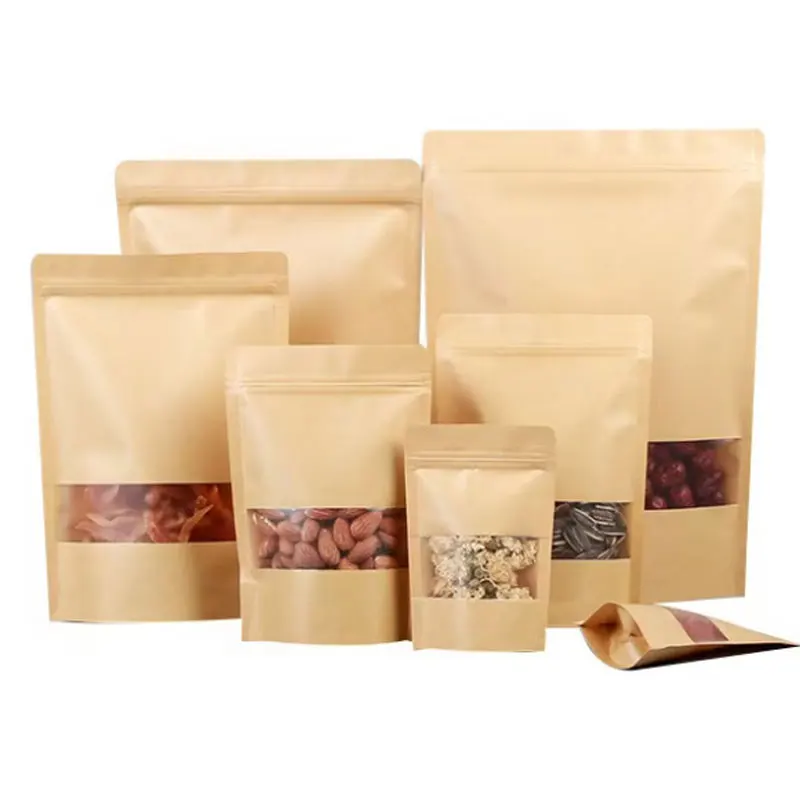
The kraft paper bag market offers distinct packaging architectures designed for different product visibility, protection, and shelf-display requirements. Window-style kraft paper bag designs incorporate transparent sections that showcase product contents, while solid kraft paper bag configurations provide complete opacity for brand customization and product shielding. Each kraft paper bag approach delivers measurable business outcomes in terms of consumer confidence, product differentiation, and operational sustainability.
Understanding Window-Style Kraft Paper Bag Design and Benefits
Visual Product Showcase and Consumer Trust
Window kraft paper bag packaging combines transparent viewing areas with kraft paper construction, creating immediate product visibility on retail shelves. This kraft paper bag approach directly addresses consumer skepticism by allowing customers to inspect product quality, color, texture, and packaging presentation before purchase. For food products, specialty items, and artisanal goods, the window kraft paper bag design builds trust through transparency while maintaining the eco-conscious brand image associated with kraft materials. The visual confirmation provided by window kraft paper bag formats significantly reduces return rates and increases repeat purchase intent in competitive retail environments.
Marketing and Brand Differentiation Through Visibility
Window kraft paper bag styles enable product-centric marketing where the actual contents become the primary brand message. Premium snacks, tea blends, coffee, dried fruits, and pet treats benefit substantially from window kraft paper bag presentation because the product itself serves as the most compelling sales argument. This kraft paper bag design approach reduces reliance on complex package copy and graphics, allowing retailers to stack and display multiple kraft paper bag units while maintaining strong shelf impact. The window kraft paper bag format bridges the gap between traditional commodity packaging and premium brand storytelling through authentic product exposure.
Exploring Solid Kraft Paper Bag Design and Advantages
Complete Brand Control and Customization
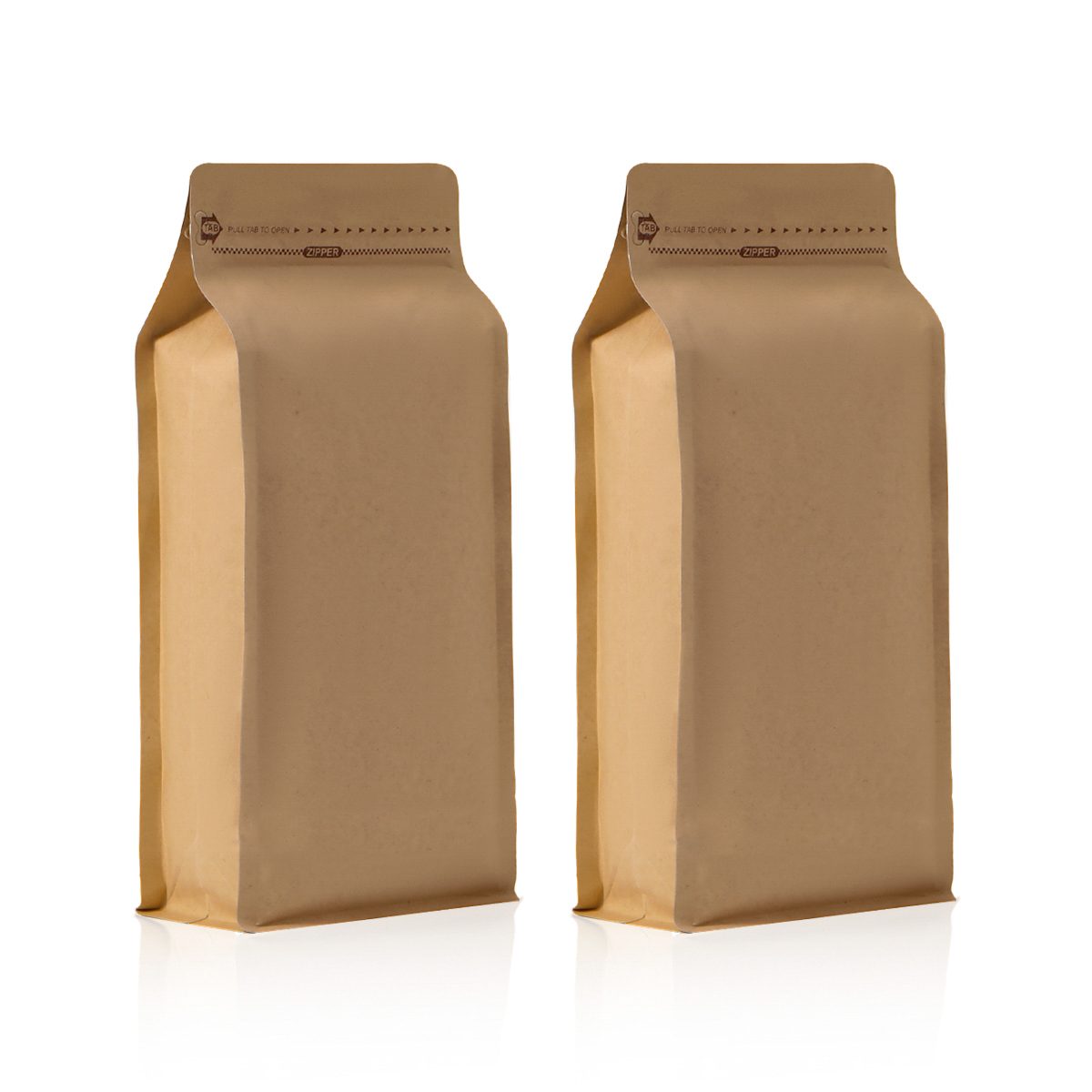
Solid kraft paper bag packaging delivers uninterrupted surface area for comprehensive brand expression, logo placement, and detailed product information. Unlike window kraft paper bag options that sacrifice real estate to transparent sections, solid kraft paper bag designs maximize printing space for ingredient lists, certifications, brand storytelling, and regulatory compliance statements. The solid kraft paper bag approach proves particularly valuable for regulated categories including pharmaceuticals, supplements, powders, and specialty chemicals where detailed technical information requires prominent placement. This kraft paper bag style empowers brands to craft cohesive visual identities that extend across entire product portfolios without compromise.
Product Protection and Shelf Stability
Solid kraft paper bag configurations provide complete light barriers that protect photosensitive products from UV degradation and oxidative deterioration. Coffee, tea, herbs, vitamins, and premium ingredients maintain superior shelf stability within solid kraft paper bag packaging compared to transparent alternatives. The structural integrity of solid kraft paper bag designs, absent window reinforcement requirements, creates enhanced durability for handling, stacking, and transportation across complex distribution networks. Solid kraft paper bag products demonstrate extended shelf life, reduced spoilage rates, and maintained sensory quality throughout the product lifecycle, directly improving retailer and consumer satisfaction metrics.
Decision Framework for Kraft Paper Bag Selection
Product Category and Market Expectations
Selecting between window and solid kraft paper bag styles begins with understanding your product category's market conventions and consumer expectations. Visual product confirmation drives purchasing decisions for fresh-appearance categories including snacks, confections, nuts, dried fruits, and artisanal goods, making window kraft paper bag formats strategically advantageous. Conversely, premium coffee, specialty teas, vitamin formulations, and luxury supplements often command higher price points and attract brand-conscious consumers who prioritize design aesthetics and brand authority, suggesting solid kraft paper bag packaging. Market research within your specific segment reveals whether competitors predominantly utilize window kraft paper bag or solid kraft paper bag approaches, providing competitive benchmarking for your kraft paper bag strategy.
Operational Considerations and Cost-Benefit Analysis
Window kraft paper bag manufacturing incorporates additional material complexity, sealing requirements, and quality control processes that typically increase unit costs compared to solid kraft paper bag production. Evaluate whether incremental window kraft paper bag expenses generate proportional increases in conversion rates, average transaction values, or market share gains that justify the added investment. Solid kraft paper bag options offer lower production costs, faster manufacturing timelines, and simplified inventory management, delivering operational efficiency particularly valuable for startups and price-sensitive market segments. The kraft paper bag selection ultimately reflects your balance between premium positioning, production economics, and competitive differentiation strategy.
Sustainability and Consumer Values
Both window and solid kraft paper bag formats deliver environmental advantages over plastic-dominant packaging, but material combinations differ significantly. Solid kraft paper bag construction utilizing pure kraft materials, natural adhesives, and recyclable inks maximizes end-of-life recyclability and aligns perfectly with zero-waste consumer movements. Window kraft paper bag designs introduce polymer films or plastic viewing windows that complicate recycling processes and may undermine sustainability positioning with environmentally conscious demographics. Transparent communication regarding window kraft paper bag material composition, recyclability pathways, and environmental impact becomes essential when marketing to values-driven consumers who prioritize genuine sustainability over greenwashing claims.
FAQ
When should I choose a window kraft paper bag over solid options?
Choose window kraft paper bag packaging when your product's appearance directly influences purchase intent, such as fresh-looking snacks, vibrant tea leaves, artisanal confections, or premium pet treats. Window kraft paper bag formats work exceptionally well for new product launches where consumers require visual reassurance before committing to unfamiliar brands, and in retail environments with intense competitive shelving where product visibility becomes the primary differentiation factor. Window kraft paper bag styles also excel for gift packaging and specialty segments where the presentation of quality materials and craftsmanship justifies premium pricing and aligns with consumer expectations for luxury positioning.
What are the main limitations of window kraft paper bag designs?
Window kraft paper bag constructions involve higher manufacturing costs, extended production lead times, and reduced printable surface area compared to solid kraft paper bag alternatives. The polymer or plastic window materials in window kraft paper bag designs can compromise full recyclability and may conflict with sustainability marketing claims, requiring clear consumer communication about material composition. Window kraft paper bag formats also limit creative graphic design opportunities and may not accommodate the comprehensive product information, certifications, and brand storytelling that solid kraft paper bag packaging enables for regulated or information-dense categories.
Can solid kraft paper bags effectively compete on retail shelves with windowed alternatives?
Absolutely. Solid kraft paper bag designs compete effectively through strategic graphic design, compelling brand storytelling, prominent certification displays, and emotional consumer connections that transcend visual product inspection. Premium brands successfully utilize solid kraft paper bag packaging by investing in distinctive design aesthetics, high-quality printing, and clear value communication that builds confidence without requiring product visibility. Solid kraft paper bag formats dominate luxury, supplement, and regulated categories precisely because comprehensive packaging information, professional design execution, and brand authority resonate more powerfully than commodity visibility with target consumers seeking quality assurance and trusted expertise.