custom pet food bags
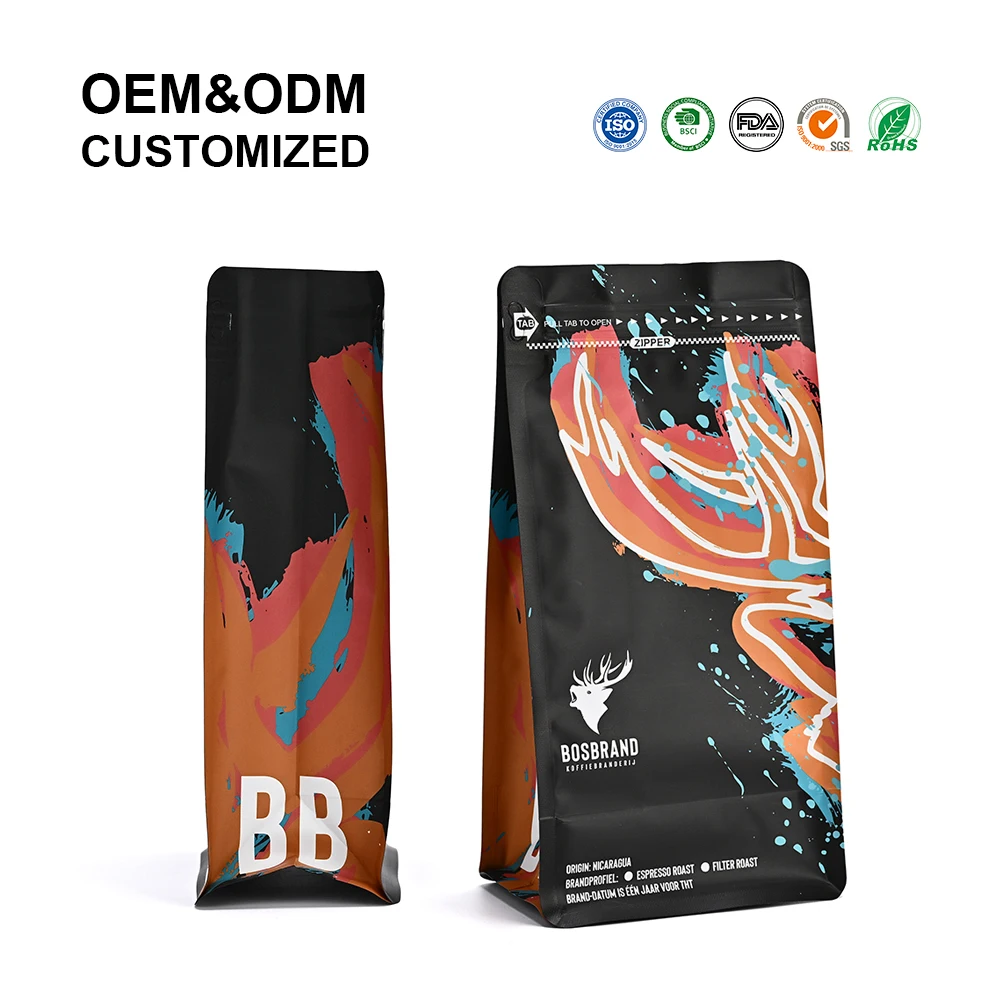
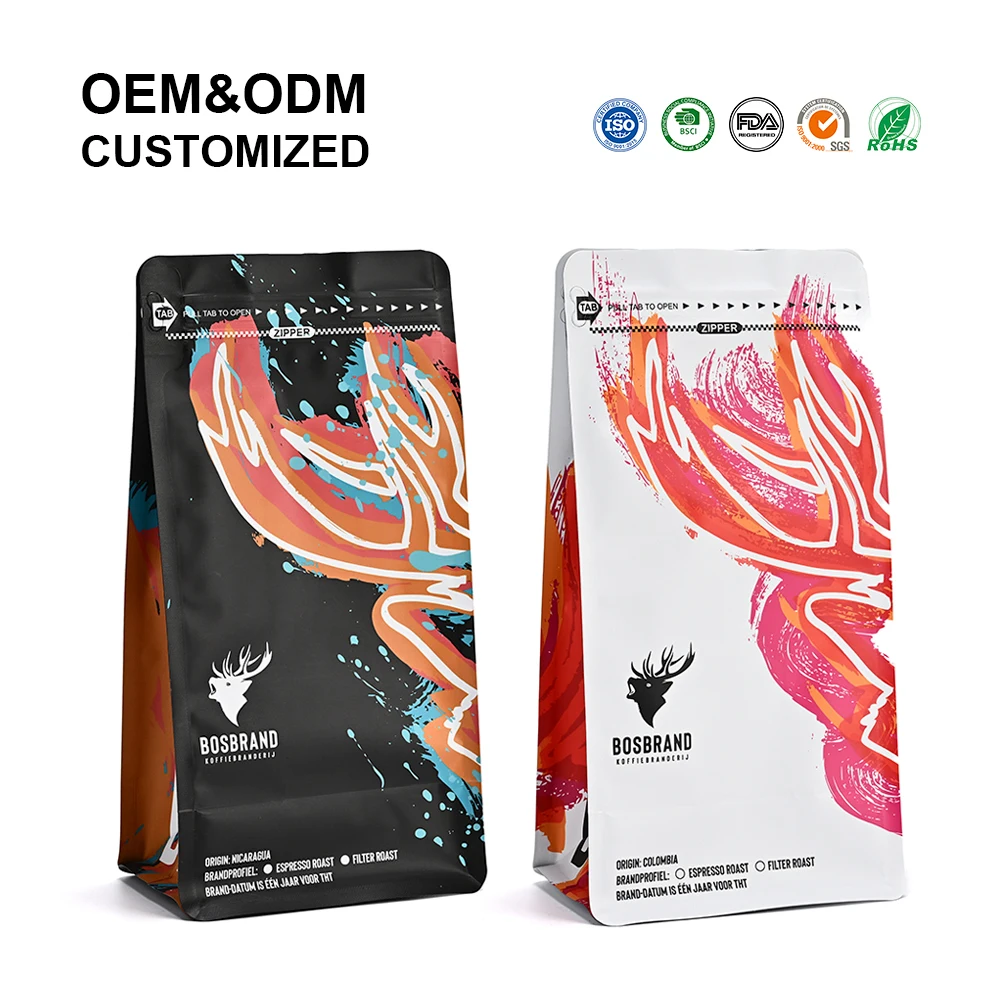
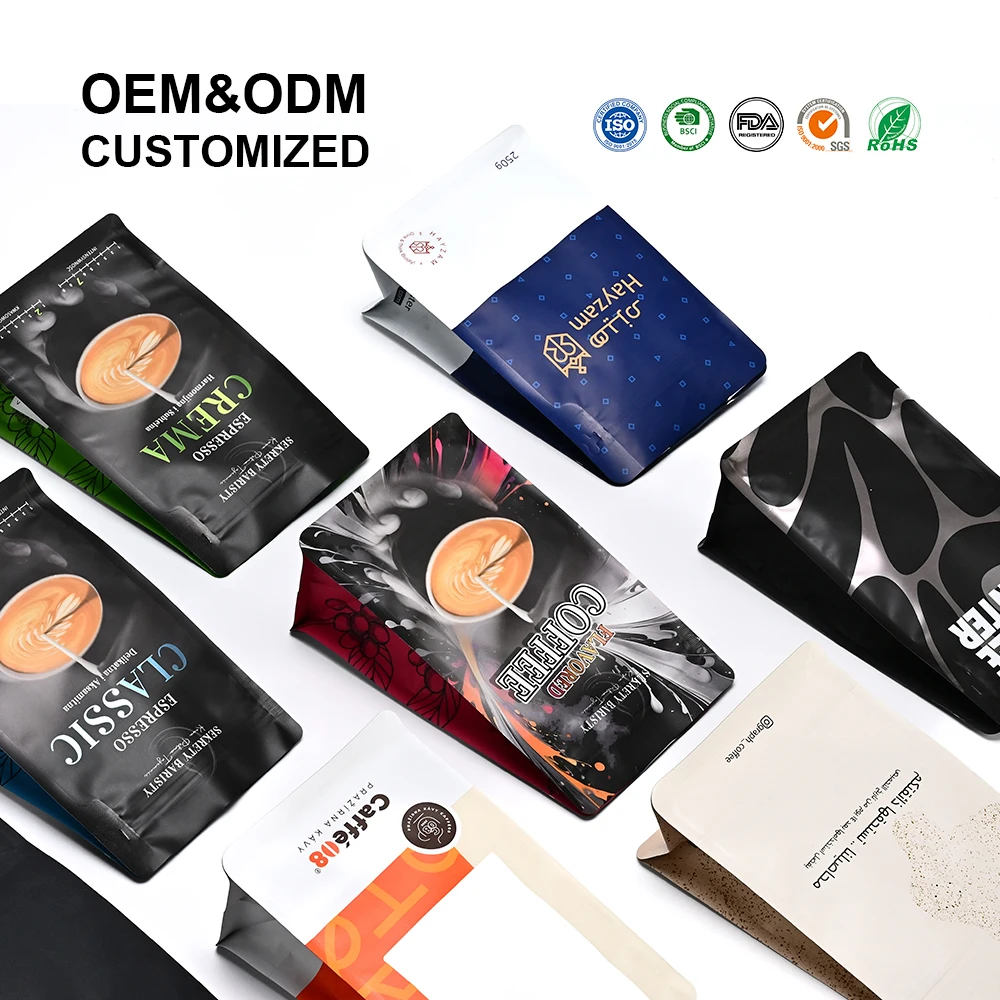
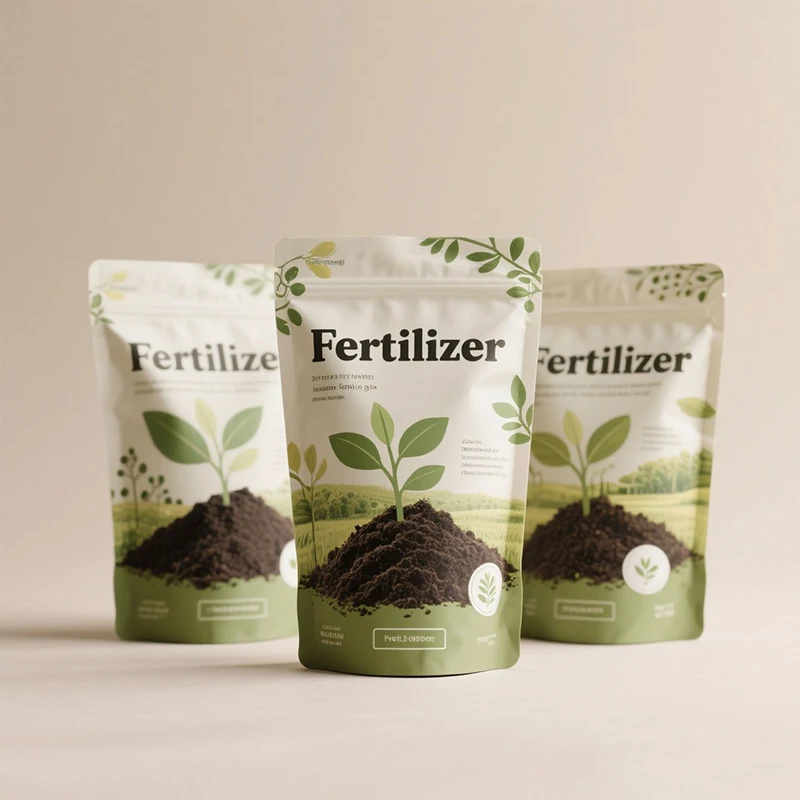
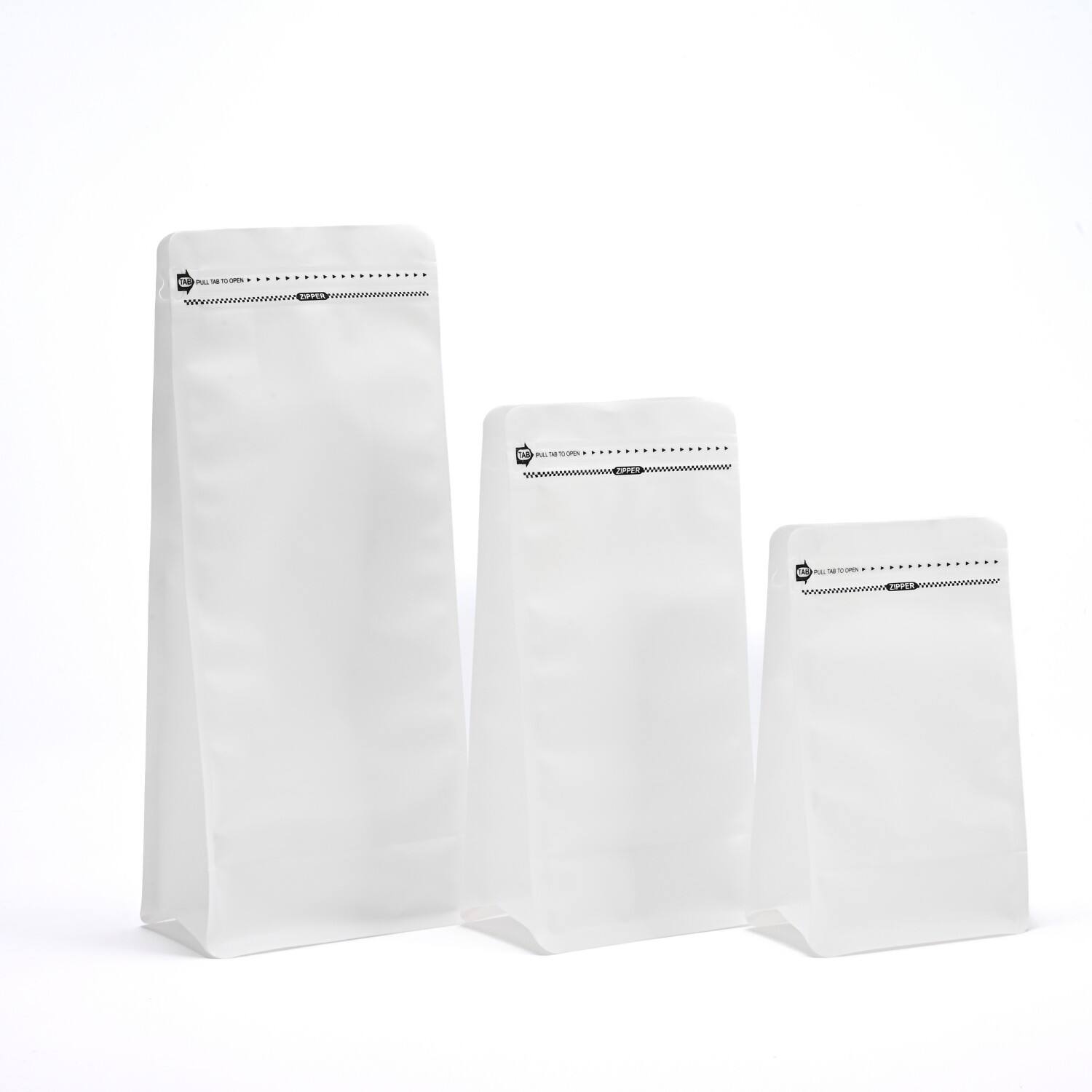
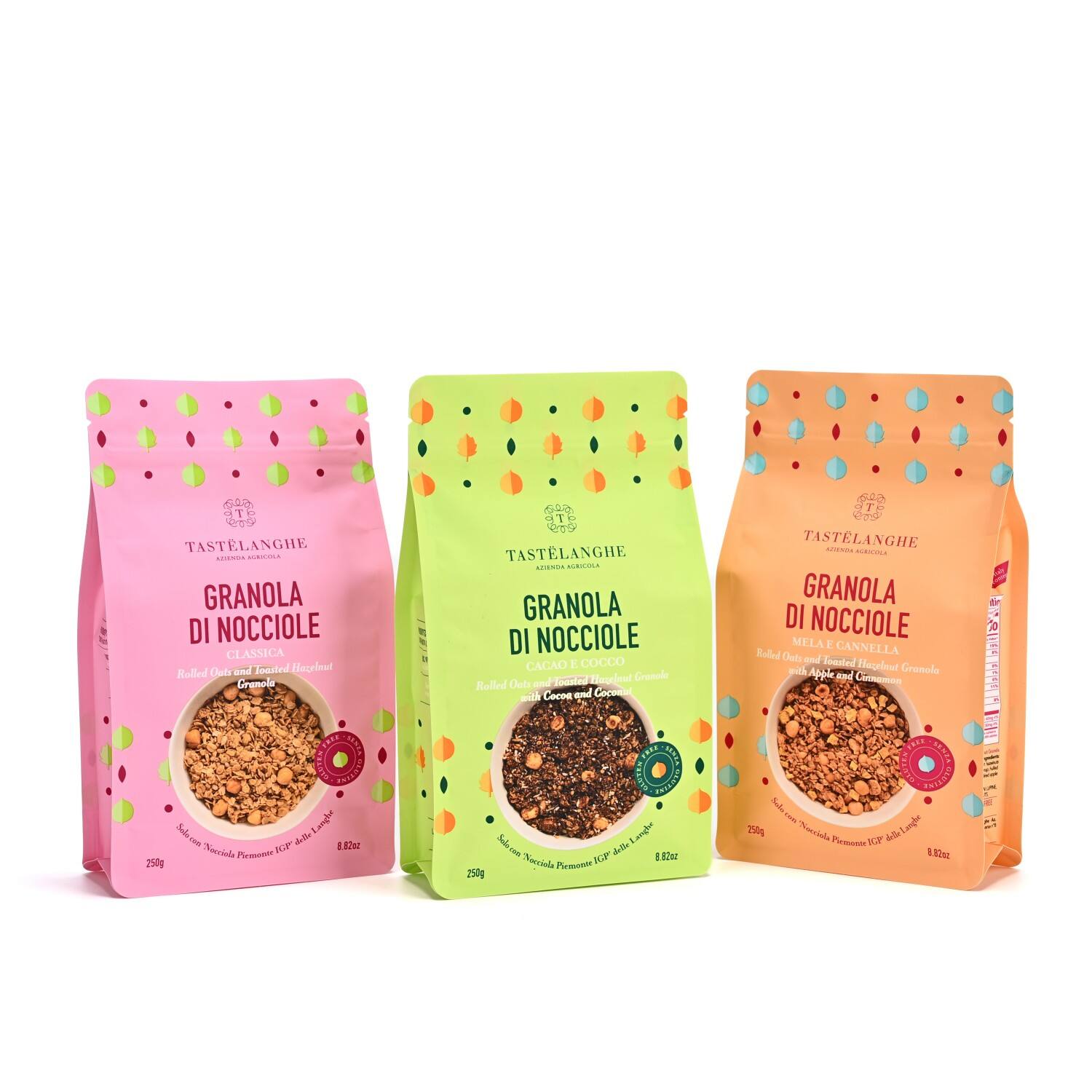
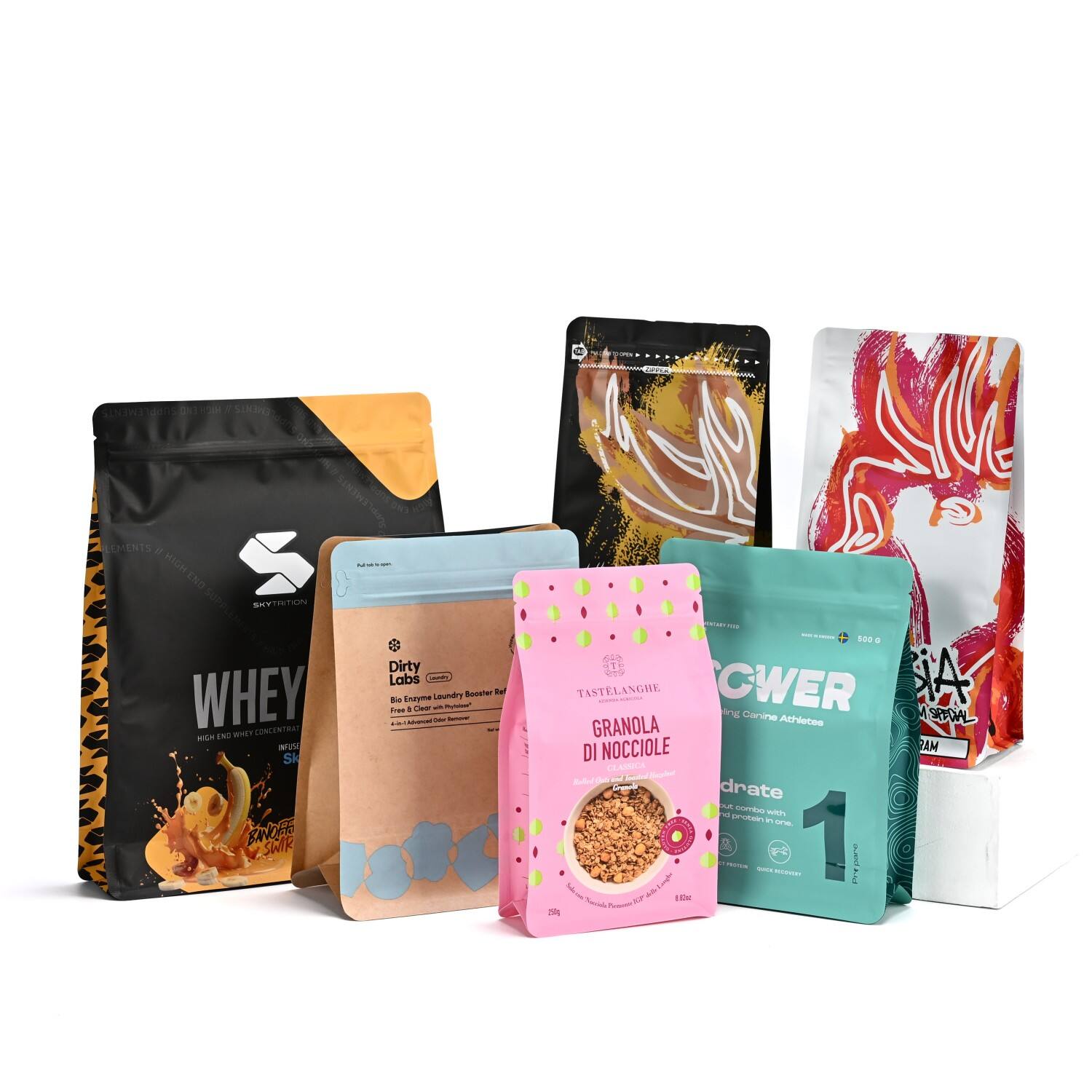
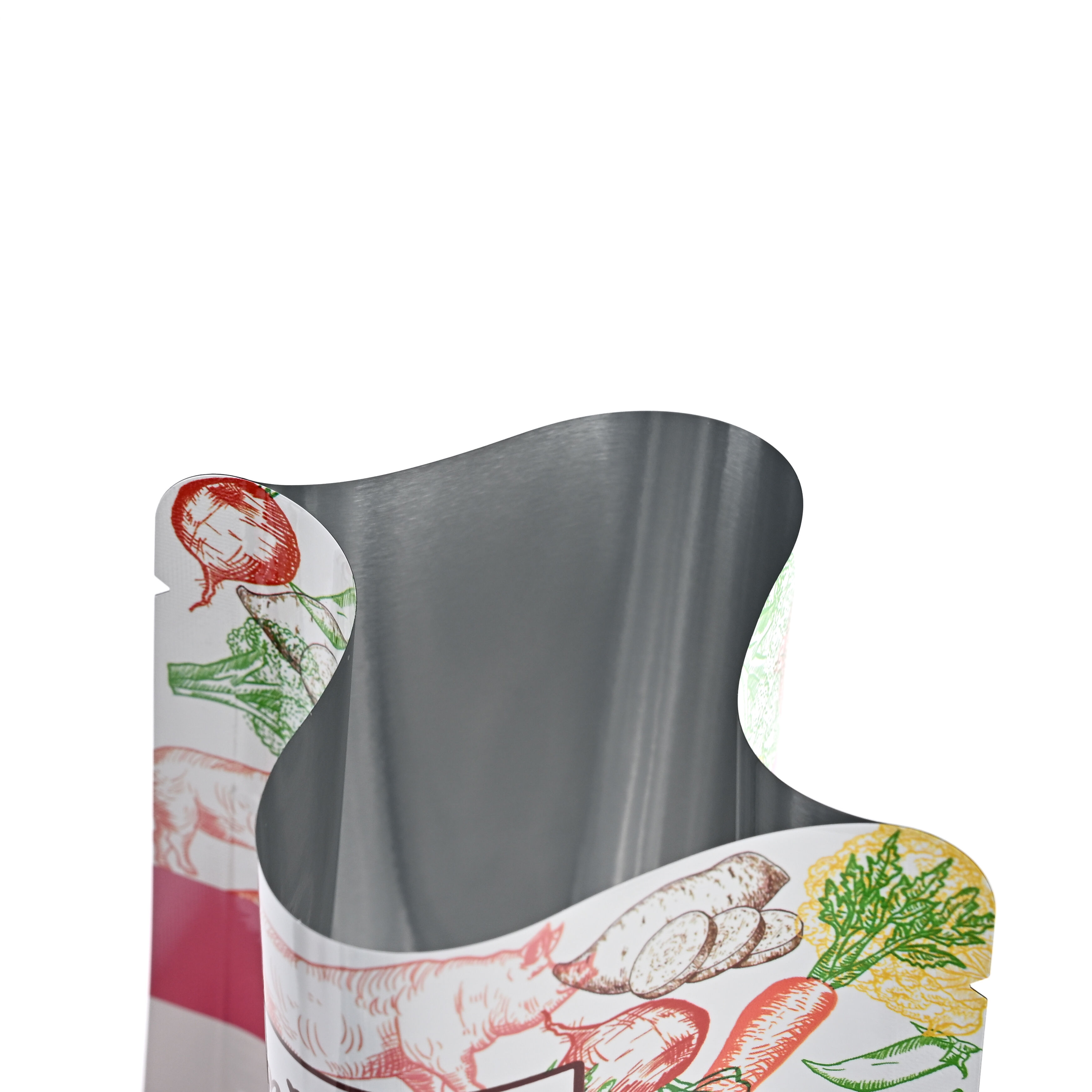
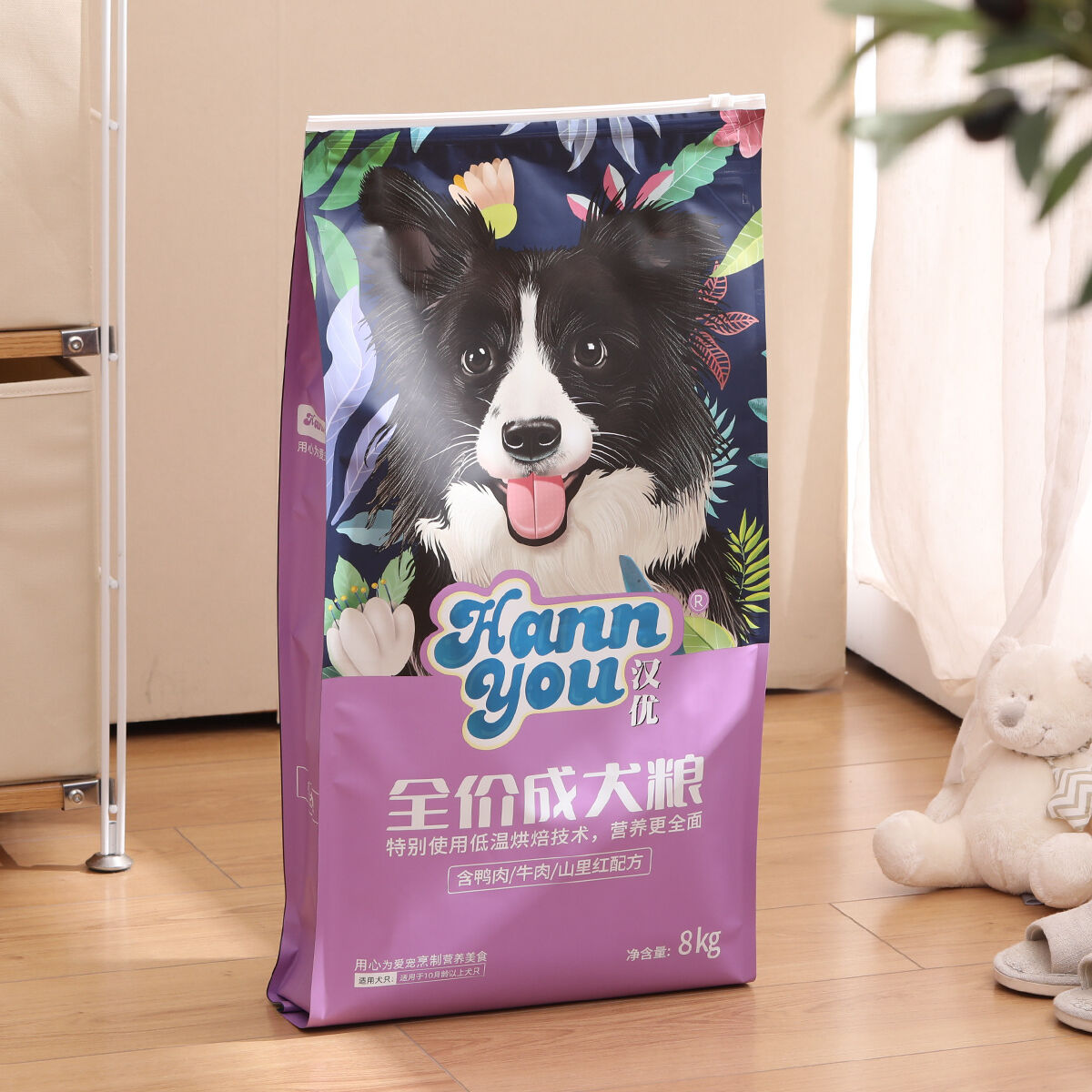
Custom pet food bags represent a revolutionary approach to pet nutrition packaging, designed specifically to meet the unique dietary requirements of individual pets while maintaining optimal freshness and convenience. These specialized packaging solutions go beyond traditional one-size-fits-all pet food containers by offering personalized storage options that cater to specific pet breeds, ages, health conditions, and dietary preferences. The primary function of custom pet food bags centers around preserving nutritional integrity while providing pet owners with tailored portion control and identification systems. These bags incorporate advanced barrier technologies that protect against moisture, oxygen, and light exposure, which are the primary factors that degrade pet food quality over time. The technological features embedded in custom pet food bags include multi-layer construction using food-grade materials, heat-sealable closures, and specialized valve systems for extended freshness. Many designs integrate tamper-evident seals and easy-tear opening mechanisms that enhance user experience while maintaining product security. The customization aspect extends to printing capabilities, allowing for personalized graphics, pet names, feeding instructions, and nutritional information directly on the packaging surface. Applications for custom pet food bags span across various market segments, including premium pet food manufacturers, veterinary clinics, specialty pet retailers, and direct-to-consumer subscription services. These bags serve multiple purposes in commercial settings, from brand differentiation to regulatory compliance, while residential users benefit from organized storage and portion management. The manufacturing process involves digital printing technologies that enable small-batch production runs, making personalization economically viable even for individual pet owners. Advanced custom pet food bags often feature resealable zipper closures, portion control markings, and oxygen absorber integration points. The material composition typically includes polyethylene, polypropylene, or aluminum foil laminates, selected based on the specific preservation requirements of different pet food types, whether dry kibble, treats, or specialized dietary formulations.
 EN
EN