flat bottom bag packaging
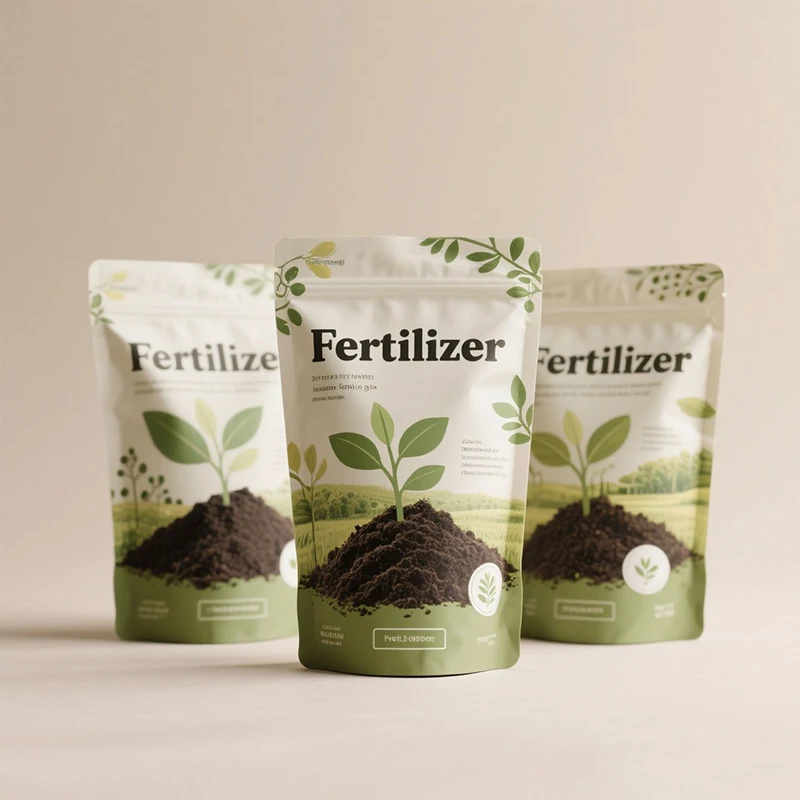
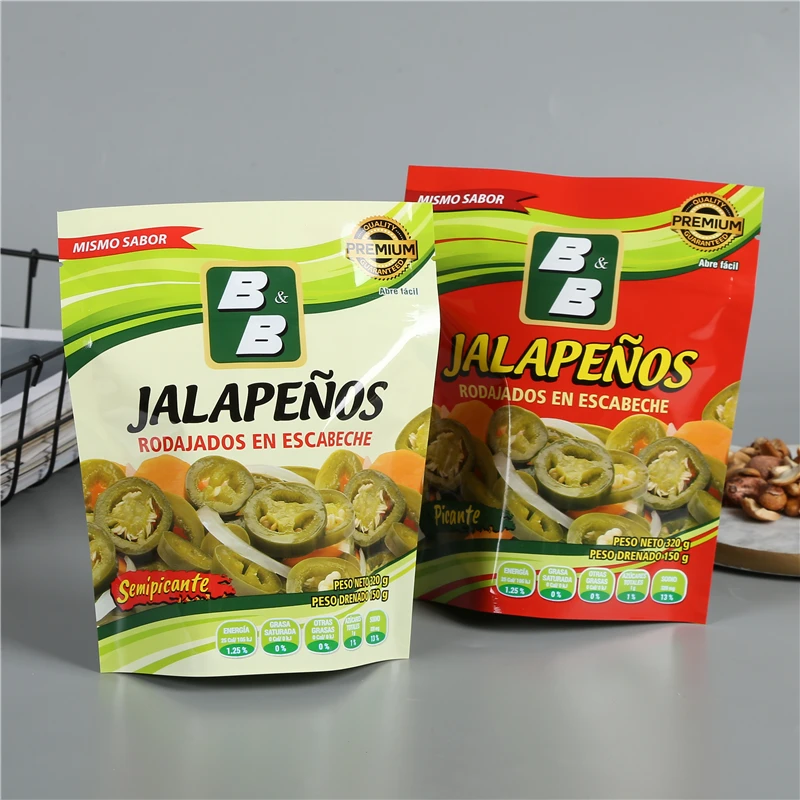
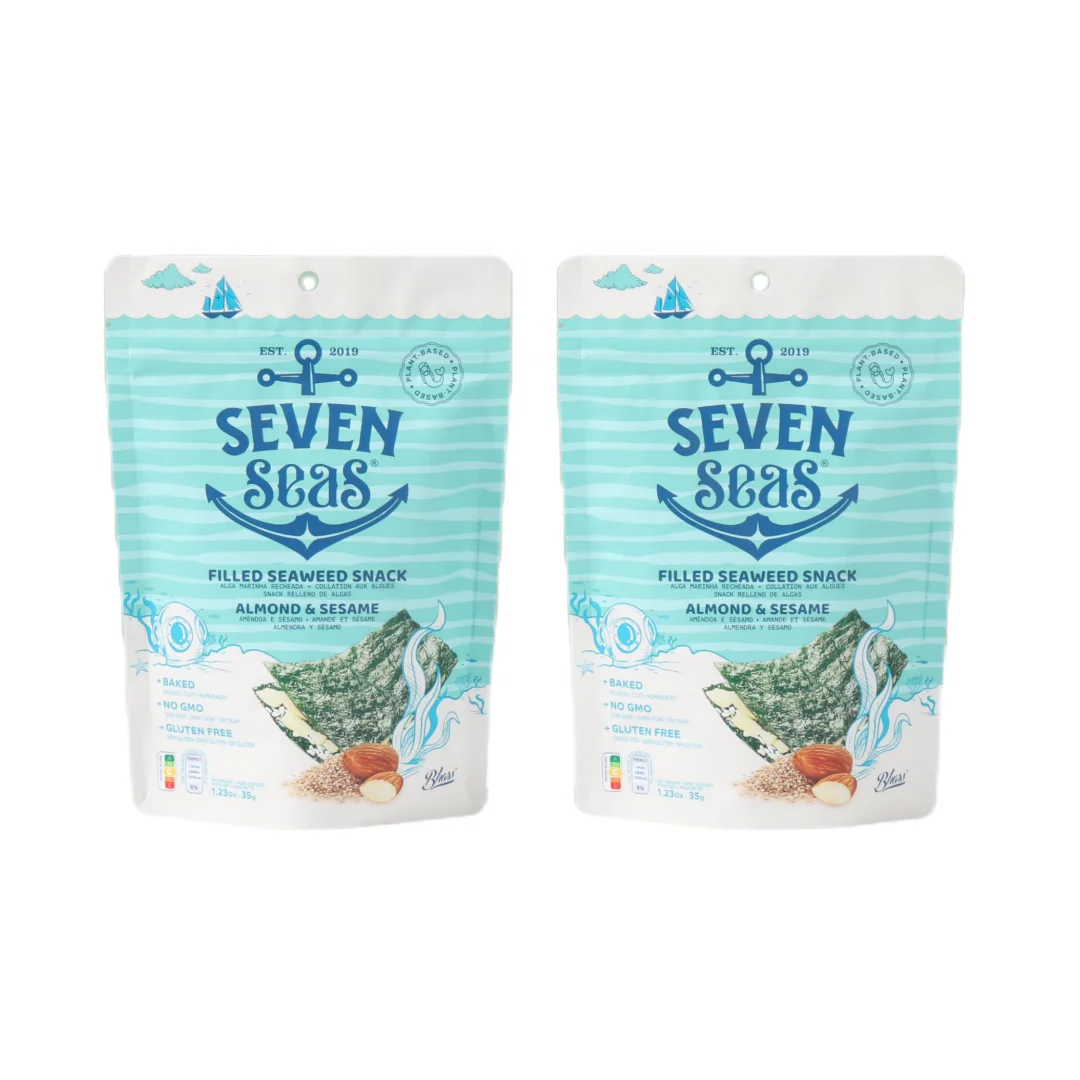
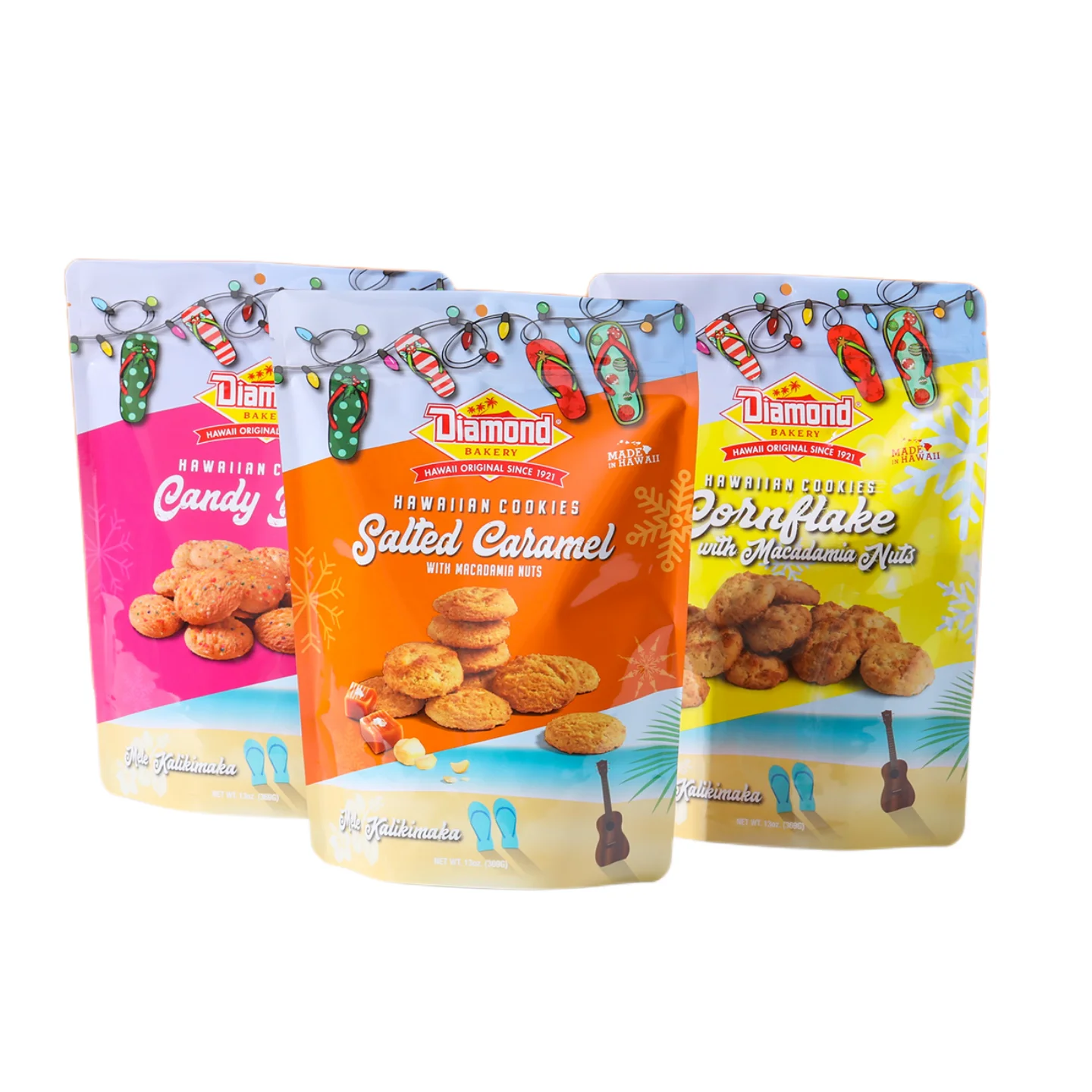
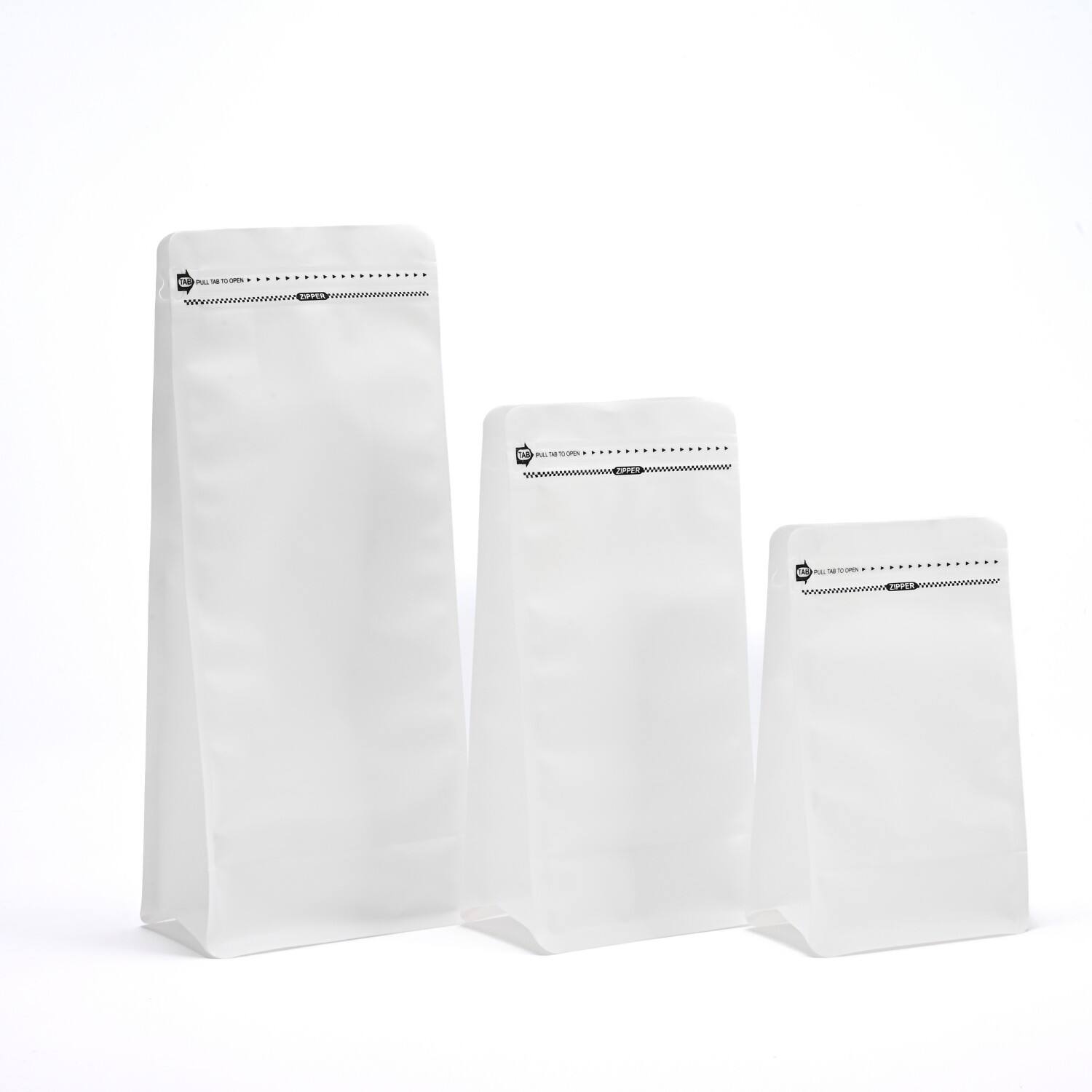
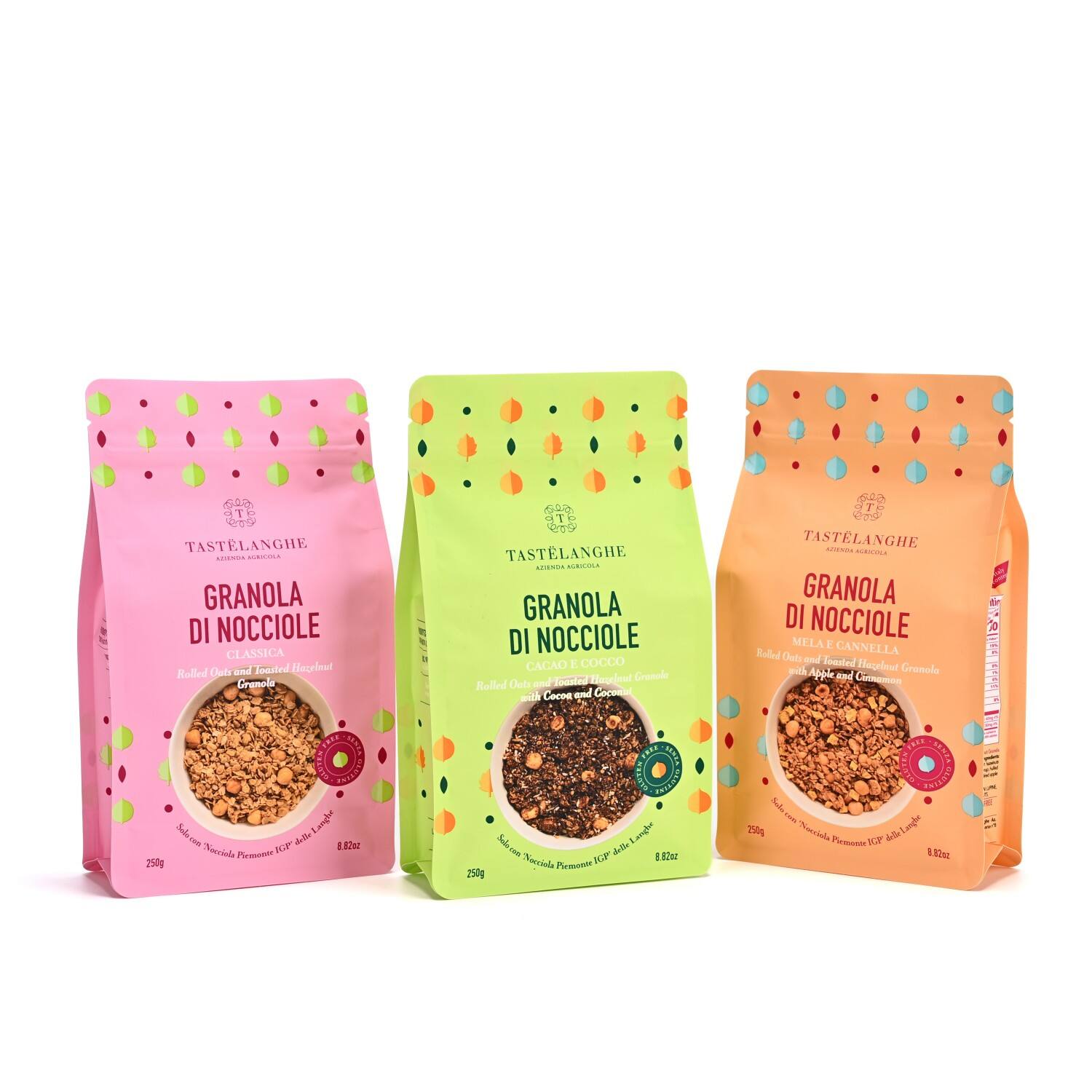
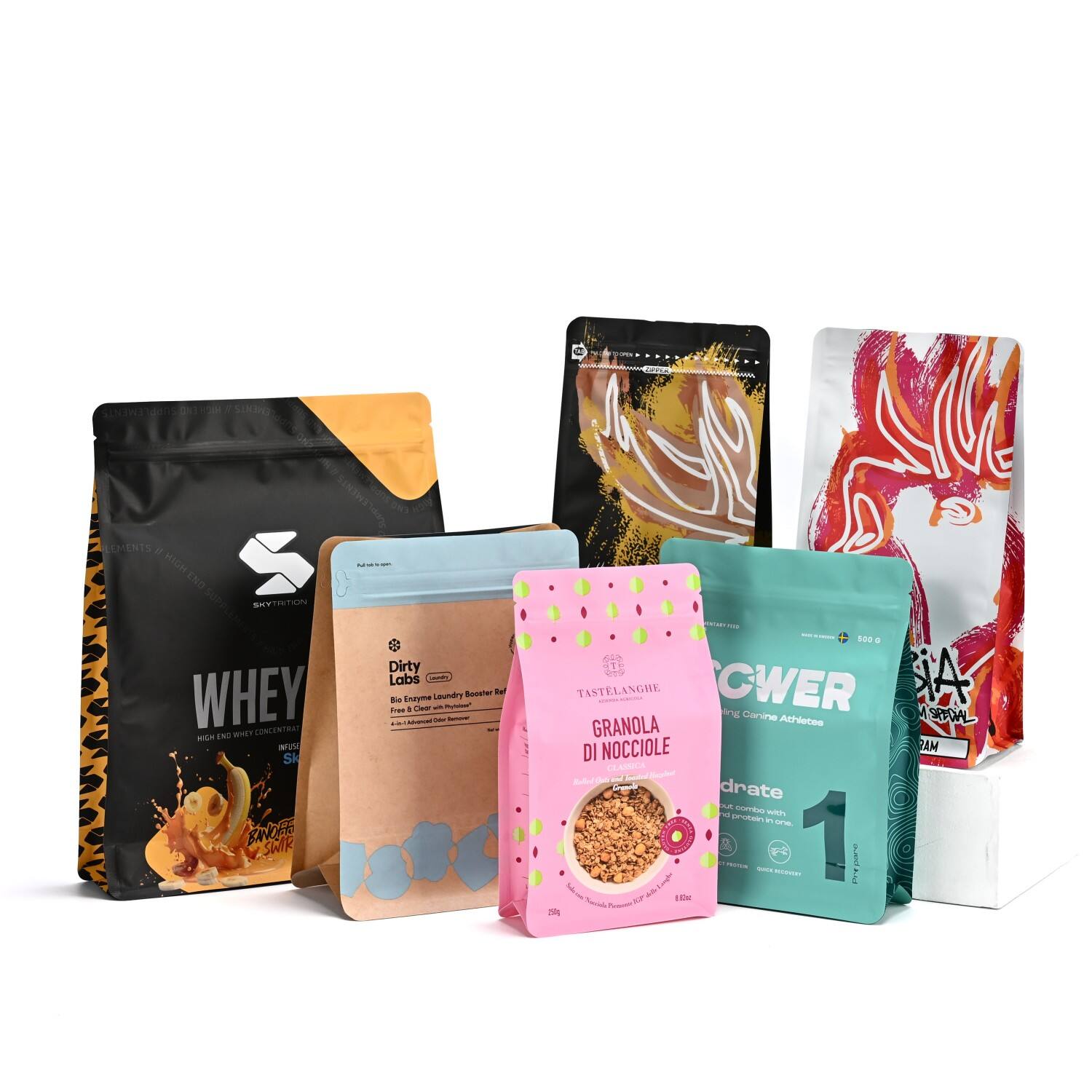
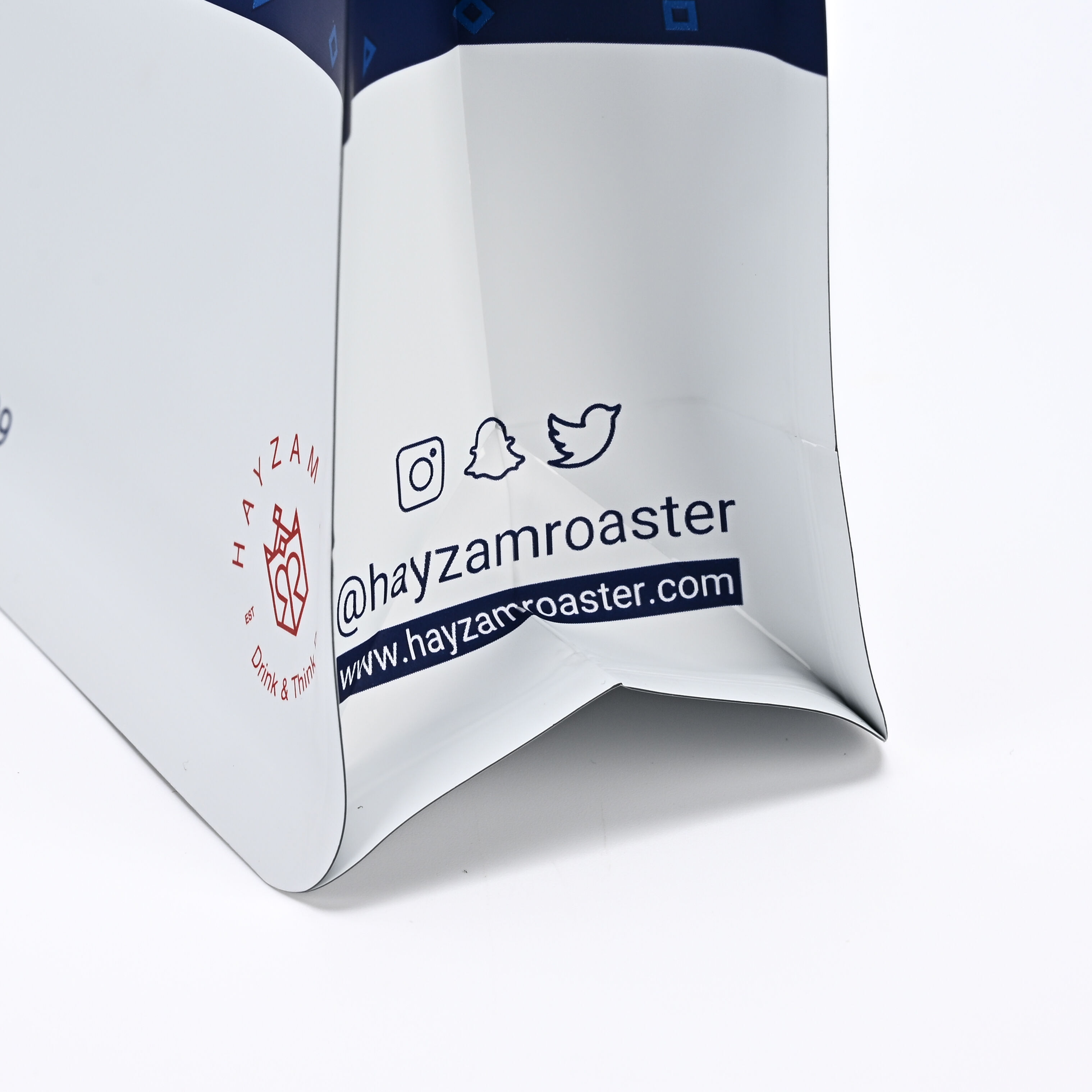
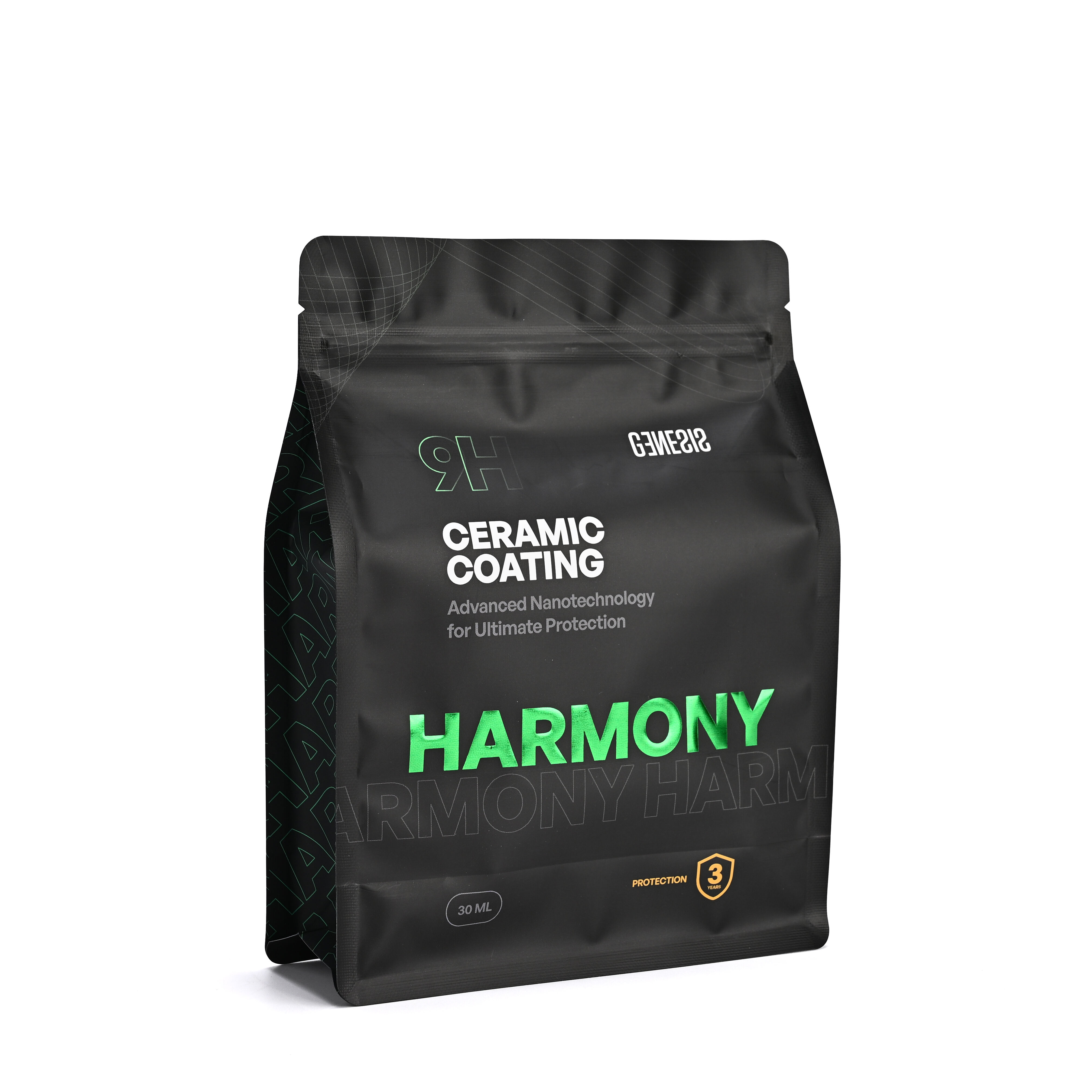
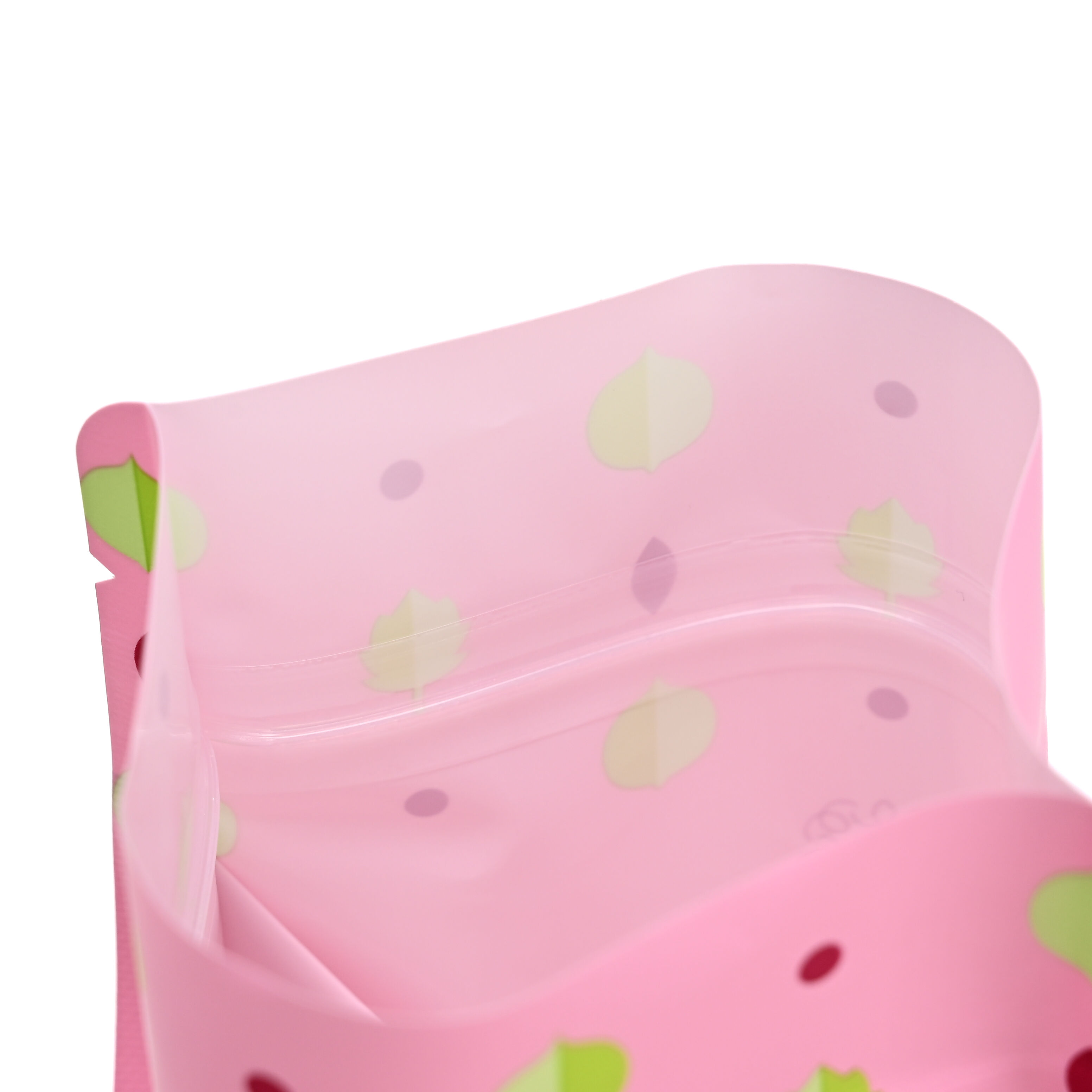
Flat bottom bag packaging represents a revolutionary advancement in flexible packaging solutions that combines the benefits of traditional pouches with enhanced stability and presentation capabilities. This innovative packaging format features a distinctive flat base that allows the package to stand upright independently, creating an impressive shelf presence while maintaining the cost-effectiveness of flexible packaging materials. The flat bottom bag packaging utilizes specialized manufacturing techniques that incorporate gussets and reinforced seams to create a three-dimensional structure when filled, transforming from a flat pouch into a stable, box-like container. The technological foundation of flat bottom bag packaging relies on precision heat-sealing processes and strategic fold placements that ensure structural integrity during filling, transportation, and display. These packages typically feature multiple layers of barrier materials that provide excellent protection against moisture, oxygen, and light exposure, making them ideal for preserving product freshness and extending shelf life. The manufacturing process involves creating controlled creases and folds that activate when the package is filled, automatically forming the characteristic flat bottom without requiring additional setup or assembly steps. Modern flat bottom bag packaging incorporates advanced printing technologies that enable high-quality graphics and branding elements across the entire surface area, including the sides and bottom panels. The applications for flat bottom bag packaging span numerous industries, including food and beverage, pet food, coffee, snacks, powdered products, and non-food items such as detergents and fertilizers. In the food industry, these packages excel at containing granular products like coffee beans, rice, nuts, and cereals, while also accommodating liquid products through specialized inner barriers and spout attachments. The versatility of flat bottom bag packaging extends to various closure mechanisms, including zip-locks, heat seals, tin-ties, and valve systems, allowing manufacturers to customize the package based on specific product requirements and consumer preferences.
 EN
EN