Premium Recycle Bag Material Solutions - Sustainable Packaging Innovation

Contact me immediately if you encounter problems!

All Categories

Get a Free Quote

Our representative will contact you soon.
Email
Name
Company Name
Message
0/1000

recycle bag material

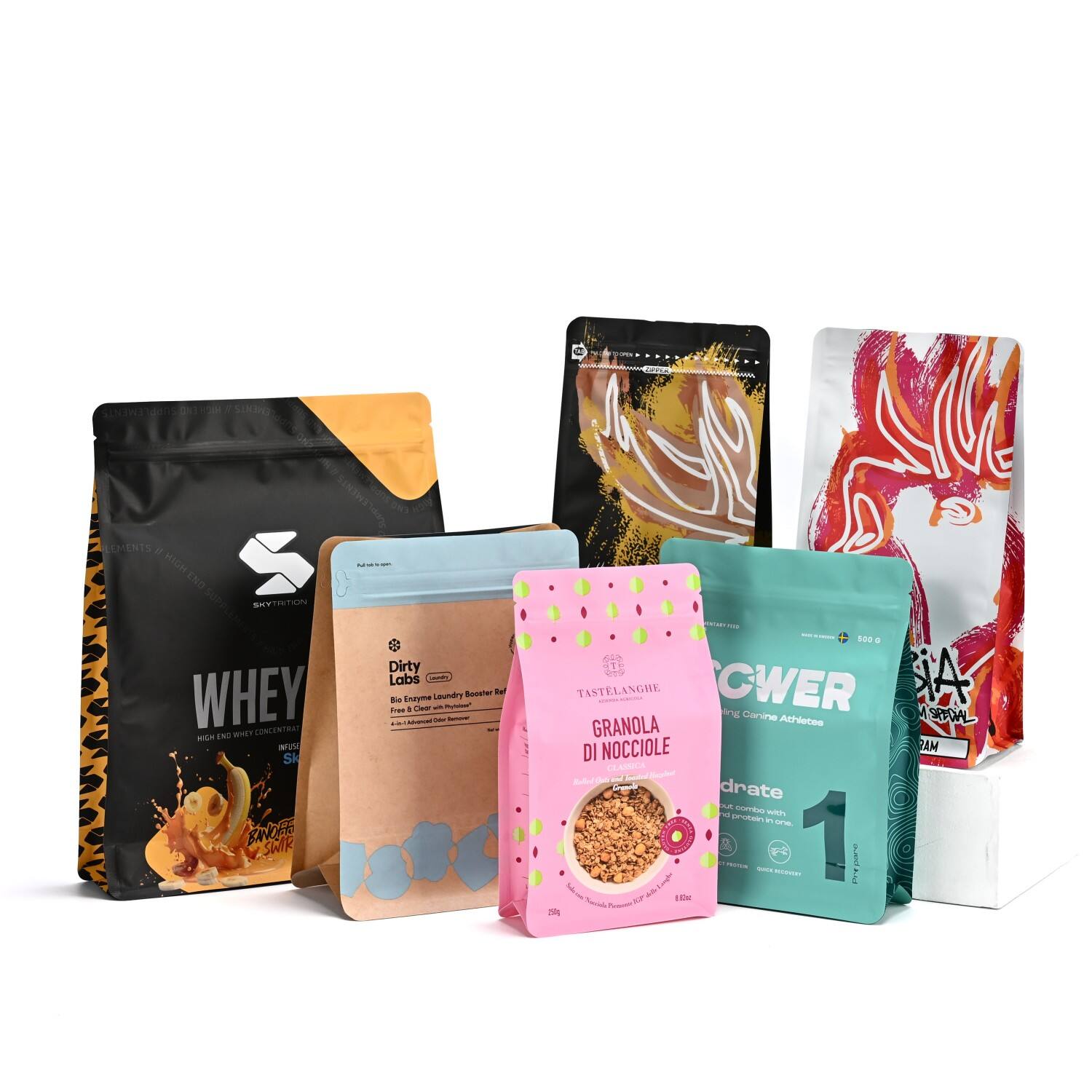
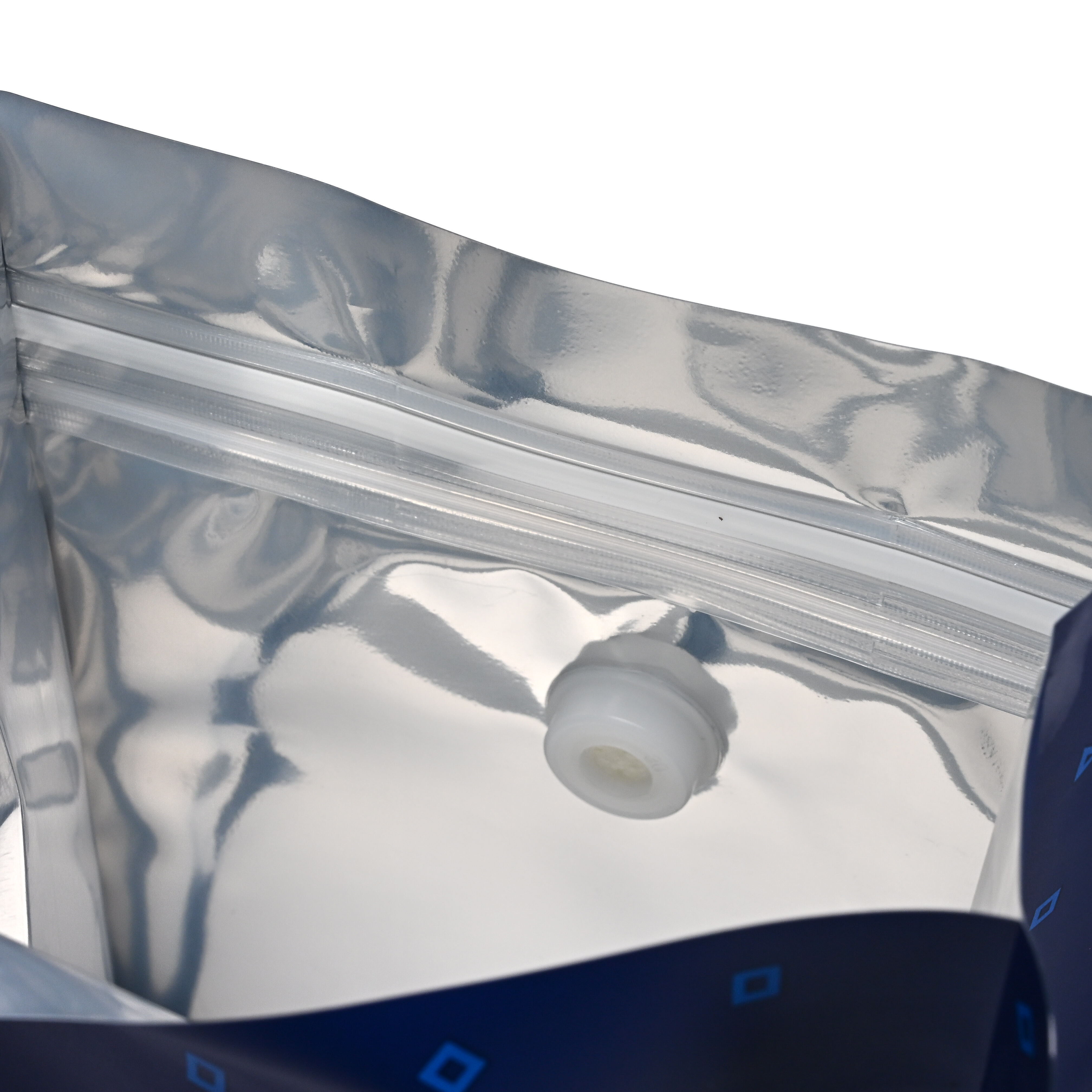
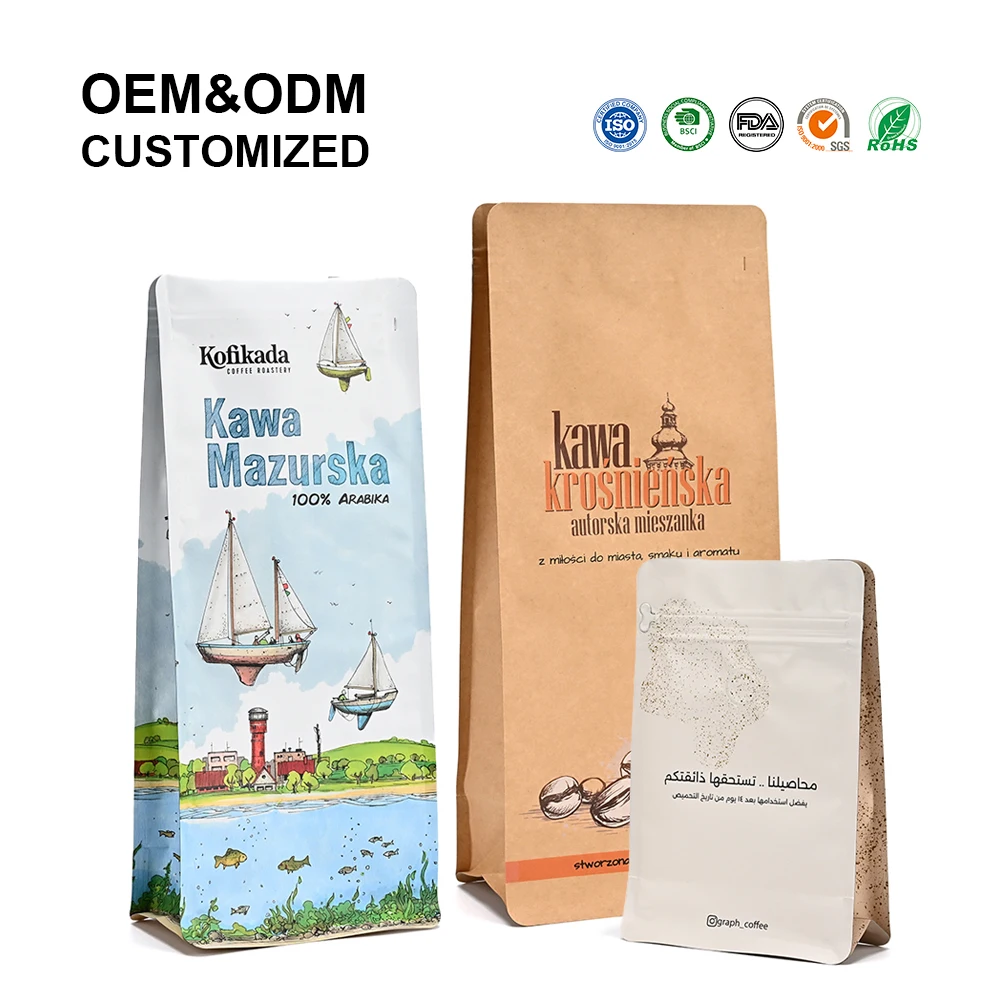
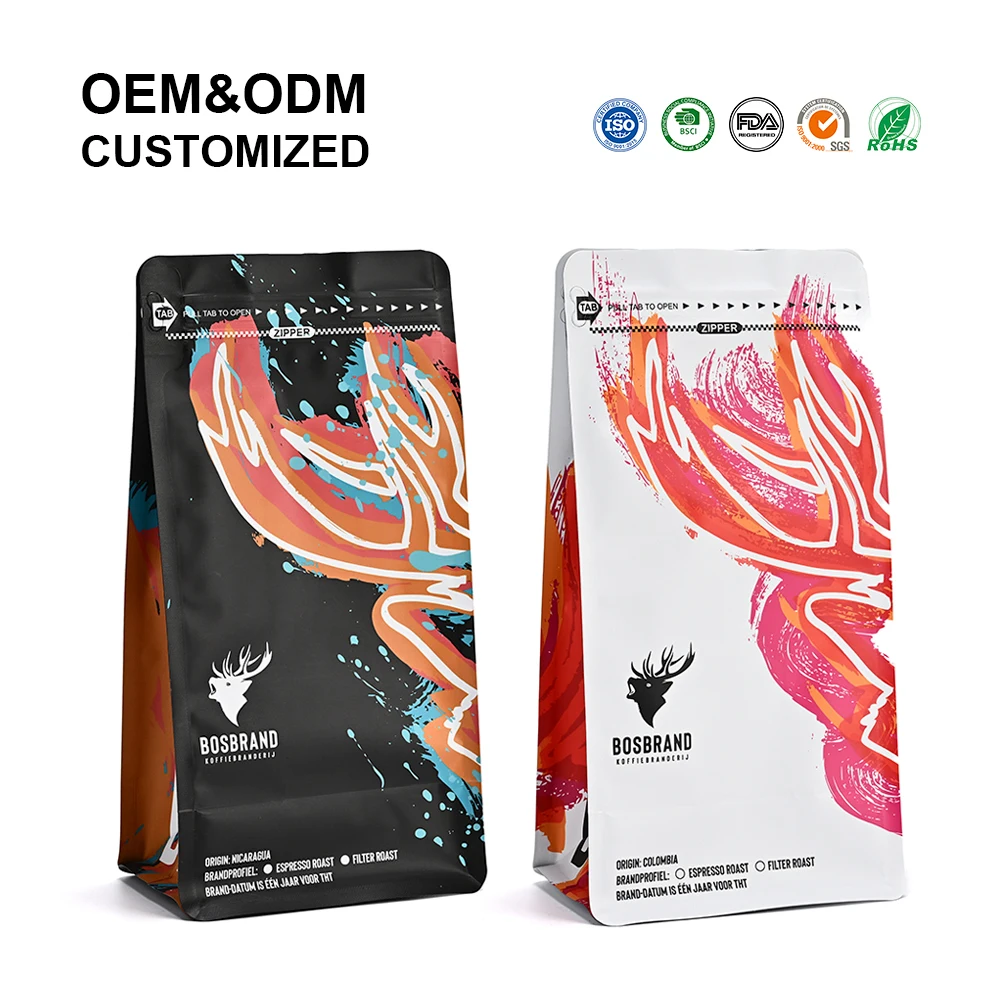
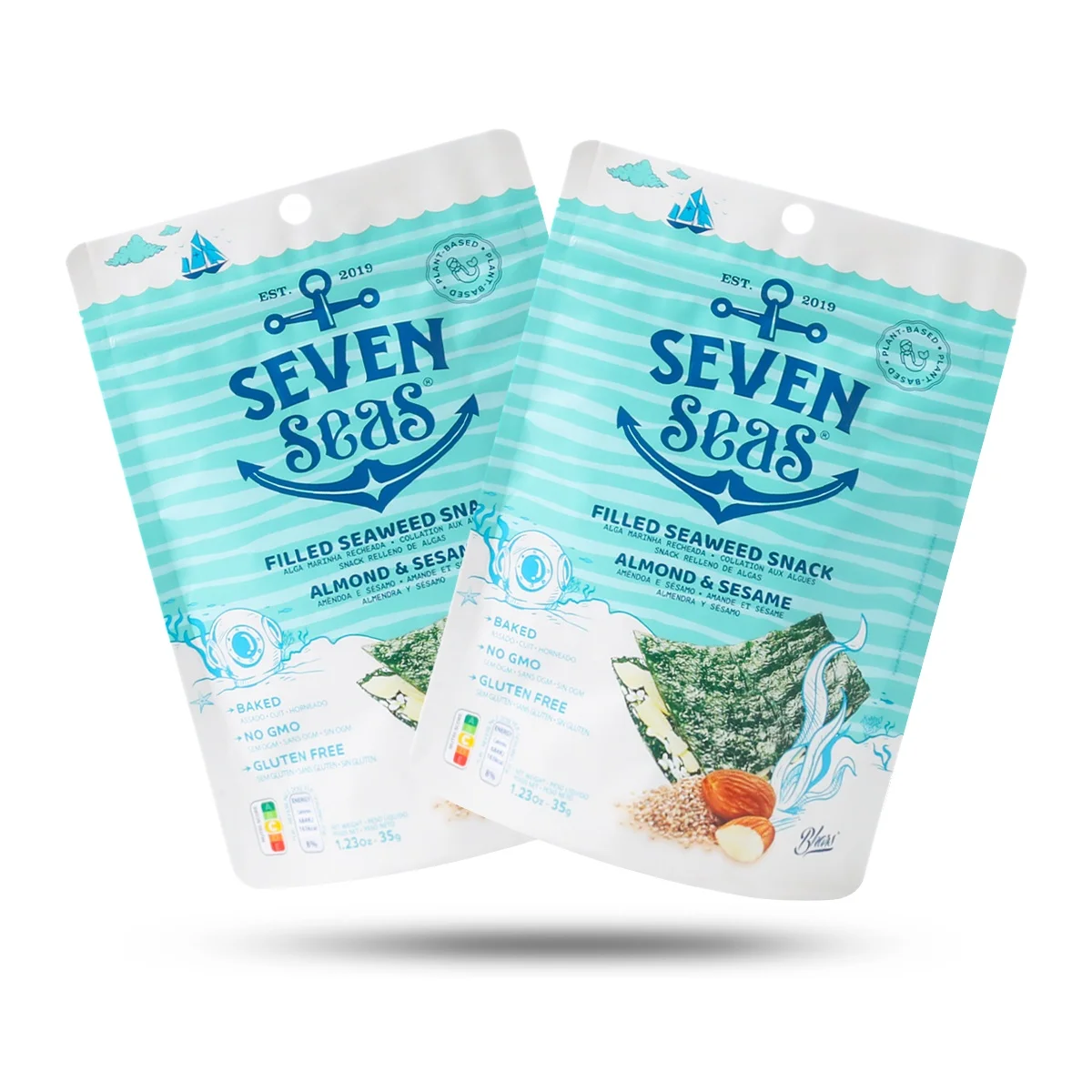
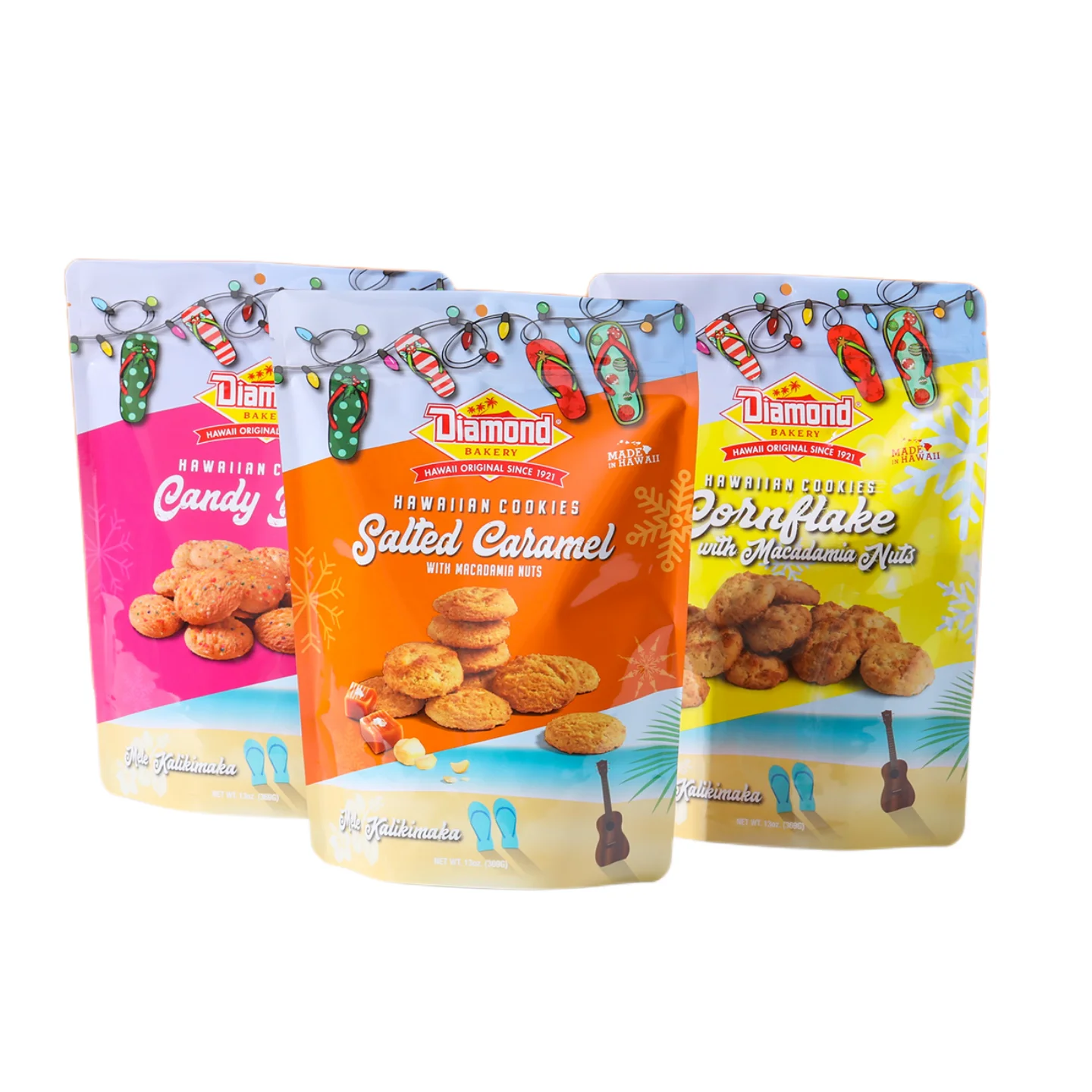
Recycle bag material represents a revolutionary approach to sustainable packaging solutions that addresses the growing environmental concerns of modern consumers and businesses. This innovative material category encompasses various eco-friendly substrates designed to replace traditional single-use plastic bags and packaging materials. The primary function of recycle bag material extends beyond basic containment, serving as a comprehensive solution for reducing environmental impact while maintaining exceptional durability and performance standards. These materials typically incorporate post-consumer recycled content, biodegradable components, or renewable resources that significantly minimize carbon footprints compared to conventional alternatives. The technological features of recycle bag material include advanced polymer engineering that ensures optimal strength-to-weight ratios, enhanced tear resistance, and improved barrier properties for product protection. Manufacturing processes utilize cutting-edge recycling technologies that transform waste materials into high-quality substrates suitable for various applications. The material demonstrates excellent printability, allowing for vibrant graphics and branding opportunities while maintaining environmental credentials. Applications span across retail shopping bags, food packaging, agricultural films, industrial wrapping, and specialty packaging solutions. The versatility of recycle bag material makes it suitable for both lightweight grocery bags and heavy-duty industrial applications. Advanced formulations incorporate additives that enhance UV resistance, moisture barriers, and temperature stability, ensuring consistent performance across diverse environmental conditions. The material exhibits superior compatibility with existing manufacturing equipment, facilitating seamless integration into current production lines without requiring extensive modifications. Quality control measures ensure that recycle bag material meets stringent industry standards for strength, durability, and safety requirements while maintaining its environmental benefits throughout the product lifecycle.
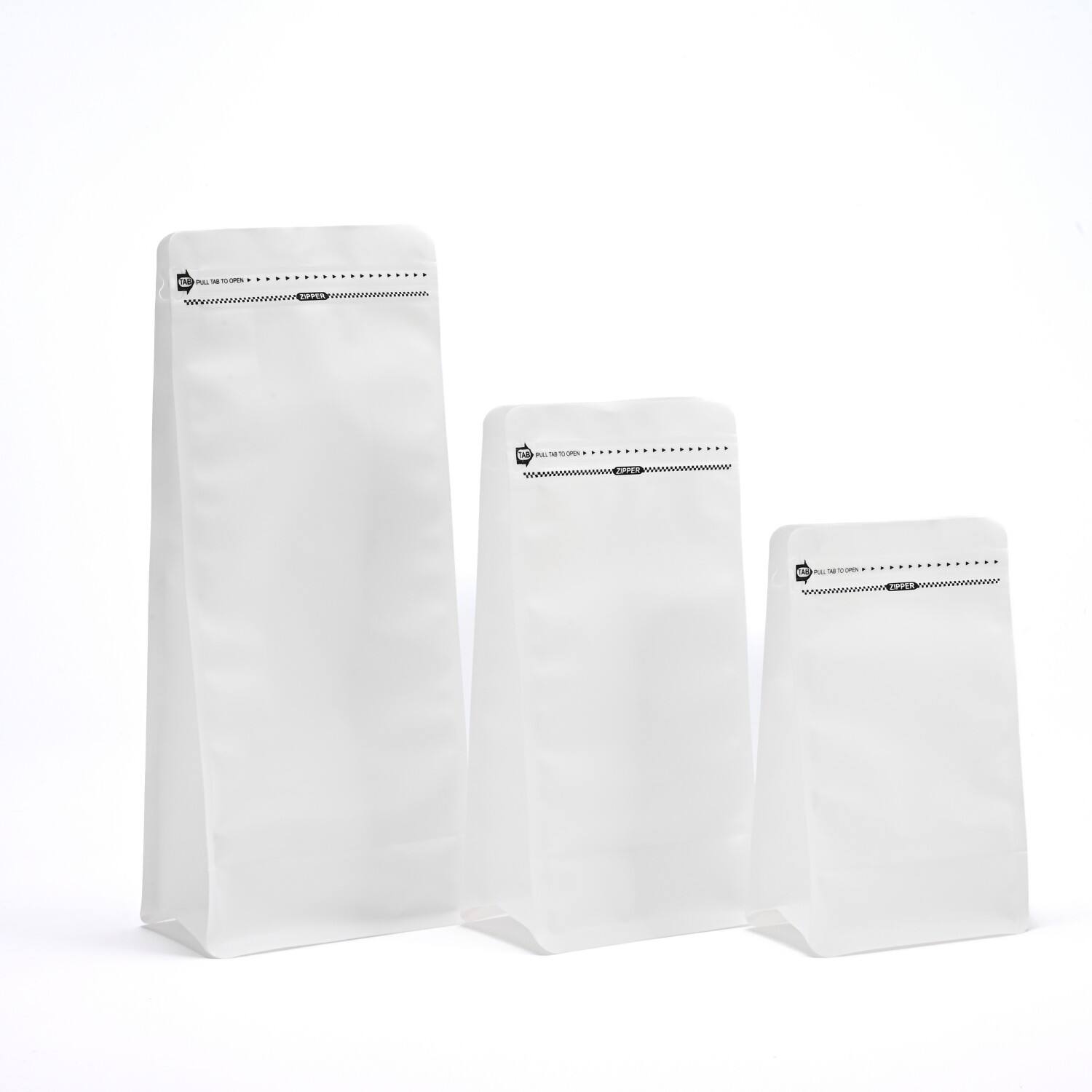
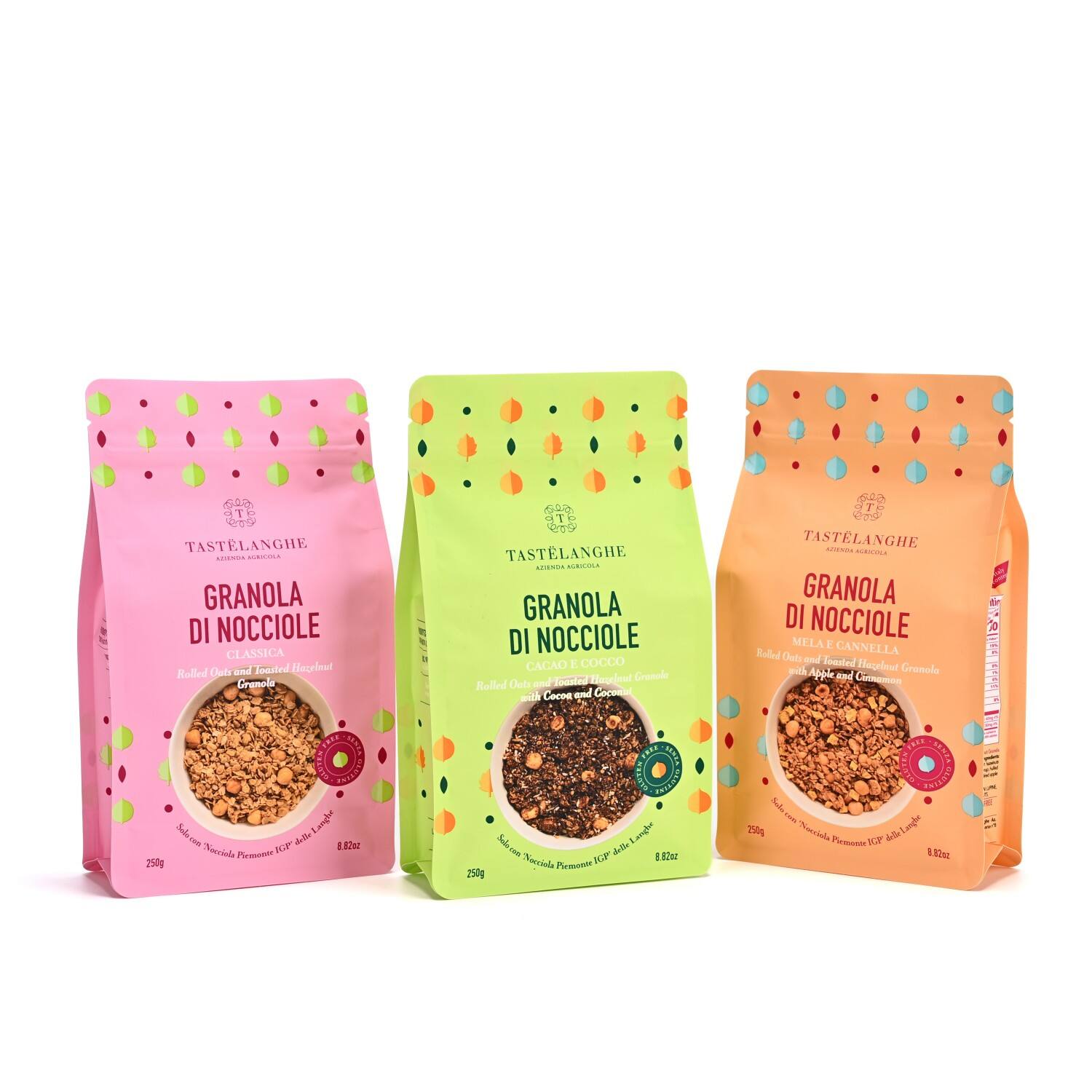
New Products

Recycle bag material offers compelling environmental benefits that directly impact corporate sustainability goals and consumer preferences for eco-conscious products. Companies utilizing this material significantly reduce their environmental footprint by diverting waste from landfills and oceans while supporting circular economy principles. The material requires substantially less energy during production compared to virgin plastic alternatives, resulting in lower greenhouse gas emissions and reduced manufacturing costs. These cost savings translate into competitive pricing advantages that benefit both manufacturers and end consumers. The durability of recycle bag material surpasses many traditional options, providing enhanced value through extended product lifecycles and improved customer satisfaction. Users experience superior performance characteristics including excellent load-bearing capacity, puncture resistance, and flexibility that maintains integrity under various stress conditions. The material demonstrates remarkable versatility in processing applications, accommodating multiple manufacturing techniques including extrusion, lamination, and printing processes without compromising quality or appearance. Brand enhancement opportunities arise from the positive environmental messaging associated with recycle bag material usage, helping companies differentiate their products in increasingly competitive markets. Consumer research consistently shows growing preference for sustainable packaging options, making recycle bag material an strategic advantage for market positioning. The regulatory compliance benefits include alignment with emerging legislation targeting single-use plastics and packaging waste reduction mandates across global markets. Supply chain advantages emerge through established recycling infrastructure that ensures consistent material availability and quality standards. The material supports end-of-life recyclability, creating closed-loop systems that further enhance environmental credentials. Manufacturing efficiency improvements result from optimized processing parameters that reduce waste generation and energy consumption during production cycles. Quality consistency remains exceptional across batch productions, ensuring reliable performance that meets demanding application requirements while supporting long-term business relationships and customer retention strategies.

Latest News

Bridging Performance and Sustainability: The Dual Role of PE/EVOH/PE in Modern Food Packaging

26

Dec

Bridging Performance and Sustainability: The Dual Role of PE/EVOH/PE in Modern Food Packaging

View More
Smart Packaging: From Passive Containers to Active Food Preservation Partners

11

Dec

Smart Packaging: From Passive Containers to Active Food Preservation Partners

View More
The Silent Salesman: How Packaging Design Psychology Drives Consumer Choice in the Digital Age

11

Dec

The Silent Salesman: How Packaging Design Psychology Drives Consumer Choice in the Digital Age

View More

Get a Free Quote

Our representative will contact you soon.
Email
Name
Company Name
Message
0/1000

recycle bag material

Advanced Environmental Performance and Sustainability Features

Advanced Environmental Performance and Sustainability Features

The environmental performance of recycle bag material represents a breakthrough in sustainable packaging technology that addresses critical ecological challenges while delivering exceptional functional capabilities. This material achieves remarkable environmental benefits through sophisticated recycling processes that transform post-consumer waste into high-performance substrates suitable for demanding applications. The carbon footprint reduction associated with recycle bag material usage typically ranges from 30 to 70 percent compared to virgin plastic alternatives, depending on the specific formulation and manufacturing process employed. Life cycle assessments consistently demonstrate significant improvements in environmental impact metrics including reduced energy consumption, lower water usage, and decreased greenhouse gas emissions throughout the production cycle. The material incorporates innovative bio-based components that enhance biodegradability characteristics while maintaining structural integrity required for commercial applications. Advanced polymer chemistry enables the integration of renewable feedstocks that reduce dependence on fossil fuel resources without compromising performance standards. The circular economy benefits extend beyond initial production through end-of-life recyclability that supports continuous material loops and waste stream optimization. Certification standards including ASTM, ISO, and FDA approvals validate the environmental claims and safety profiles associated with recycle bag material applications. The material demonstrates exceptional compatibility with existing recycling infrastructure, facilitating widespread adoption without requiring significant investments in new processing equipment or technologies. Environmental testing protocols confirm that recycle bag material meets or exceeds performance benchmarks for compostability, biodegradation rates, and toxicity profiles under controlled conditions. The sustainability credentials include third-party verification through recognized environmental certification programs that provide independent validation of environmental benefits and performance claims. Manufacturing processes incorporate closed-loop water systems and energy recovery technologies that further enhance the overall environmental profile of recycle bag material production.
Superior Durability and Performance Characteristics

Superior Durability and Performance Characteristics

The exceptional durability and performance characteristics of recycle bag material challenge traditional assumptions about recycled content capabilities while delivering reliability that exceeds industry standards for demanding applications. Comprehensive testing demonstrates that this material achieves tensile strength values comparable to or superior than virgin plastic alternatives, with tear propagation resistance that ensures consistent performance under stress conditions. The molecular structure optimization employed in recycle bag material production creates enhanced chain entanglement and crystallinity that contribute to improved mechanical properties and dimensional stability. Impact resistance testing reveals superior performance across temperature ranges from -20°C to 60°C, making the material suitable for diverse geographic markets and seasonal applications. The flexibility characteristics remain consistent throughout extended use cycles, preventing brittleness and cracking that commonly affect inferior recycled materials under repeated stress loading. Advanced additive packages incorporated during manufacturing provide UV stabilization that prevents degradation and color fading when exposed to prolonged sunlight exposure. Barrier properties including moisture transmission rates and gas permeability demonstrate excellent values that protect contents while maintaining material integrity throughout storage and distribution cycles. The processing stability of recycle bag material enables consistent manufacturing outputs with minimal variations in thickness, density, and mechanical properties across production runs. Quality control testing protocols include comprehensive evaluation of burst strength, elongation at break, and modulus values that confirm reliability for critical packaging applications. The material exhibits excellent printability characteristics that support high-quality graphics reproduction without compromising structural properties or environmental benefits. Aging studies demonstrate maintained performance characteristics over extended storage periods, ensuring product reliability and customer satisfaction throughout supply chain distribution. Heat sealing properties provide consistent bonding strength that prevents package failures while supporting automated packaging line operations without requiring specialized equipment modifications or process adjustments.
Versatile Applications and Market Adaptability

Versatile Applications and Market Adaptability

The remarkable versatility and market adaptability of recycle bag material enable widespread implementation across diverse industry sectors while supporting customization requirements for specialized applications and unique performance specifications. Retail applications benefit from the material's excellent printability and branding capabilities that support vibrant graphics reproduction while communicating environmental commitment to environmentally conscious consumers. Food packaging applications utilize specialized formulations that meet stringent FDA regulations for direct food contact while providing necessary barrier properties for product protection and shelf life extension. Agricultural implementations take advantage of the material's UV resistance and weather durability for greenhouse films, mulch applications, and crop protection systems that require extended outdoor exposure performance. Industrial packaging solutions leverage the high strength characteristics for heavy-duty applications including construction materials packaging, chemical containment, and bulk commodity handling where reliability remains paramount. The material demonstrates excellent thermoforming capabilities that support three-dimensional packaging designs and custom shapes for unique product configurations and specialized container applications. Lamination compatibility enables multi-layer constructions that combine recycle bag material with other substrates to achieve enhanced barrier properties and specialized functional characteristics. Converting equipment compatibility ensures seamless integration with existing manufacturing infrastructure including printing presses, slitting machines, and bag-making equipment without requiring significant capital investments. Custom formulation capabilities allow for tailored property profiles that address specific application requirements including enhanced puncture resistance, improved clarity, or specialized chemical compatibility characteristics. Market research indicates growing adoption rates across geographic regions as regulatory pressures and consumer preferences drive demand for sustainable packaging alternatives. The scalability of recycle bag material production supports both small specialty applications and large-volume commercial implementations while maintaining consistent quality standards and competitive pricing structures. International certification compliance facilitates global market penetration and supports export opportunities for manufacturers seeking to expand their geographic footprint and customer base reach.

Get a Free Quote

Our representative will contact you soon.
Email
Name
Company Name
Message
0/1000