Premium Snack Bag Manufacturers: Advanced Packaging Solutions & Sustainable Innovation

Contact me immediately if you encounter problems!

All Categories

Get a Free Quote

Our representative will contact you soon.
Email
Name
Company Name
Message
0/1000

snack bag manufacturers

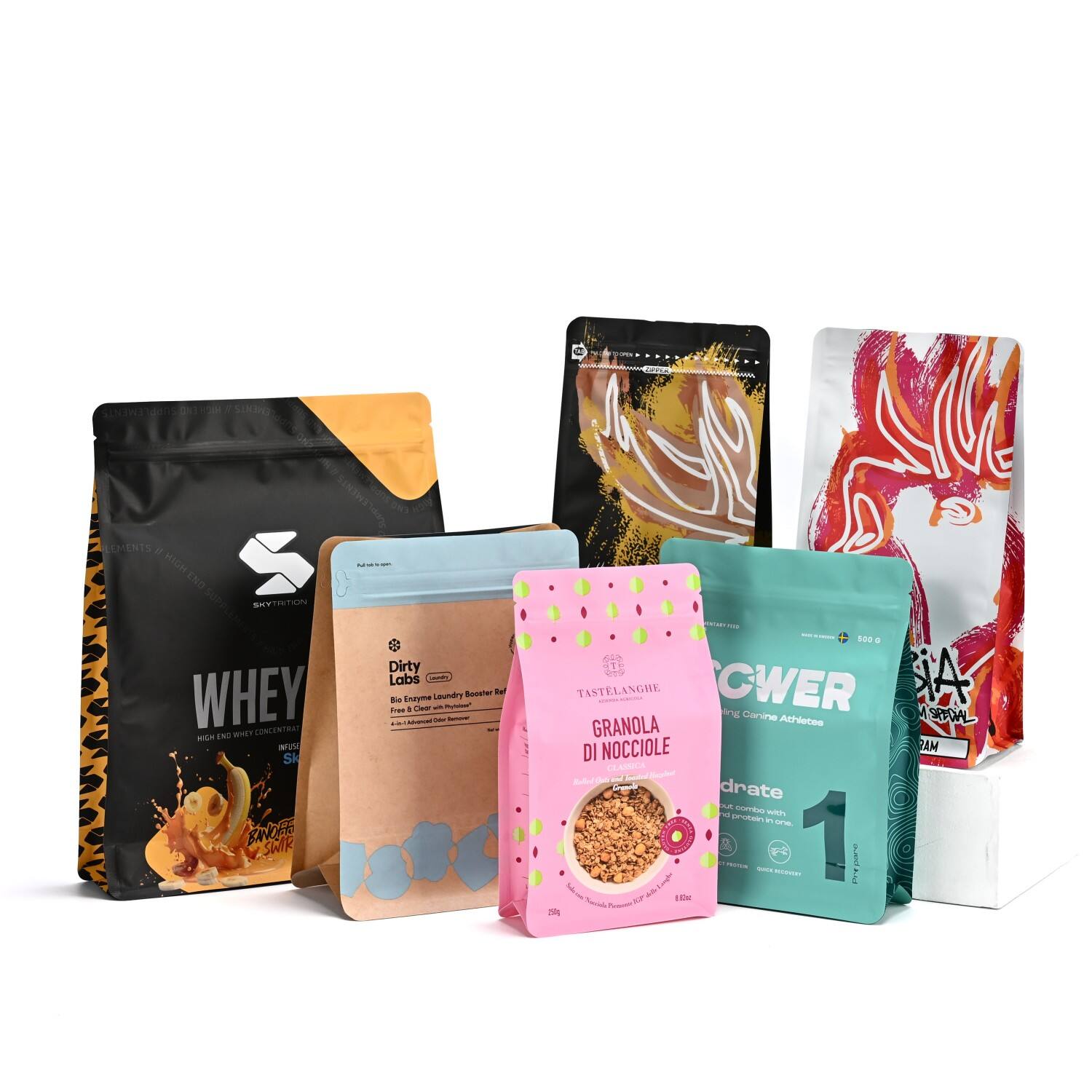
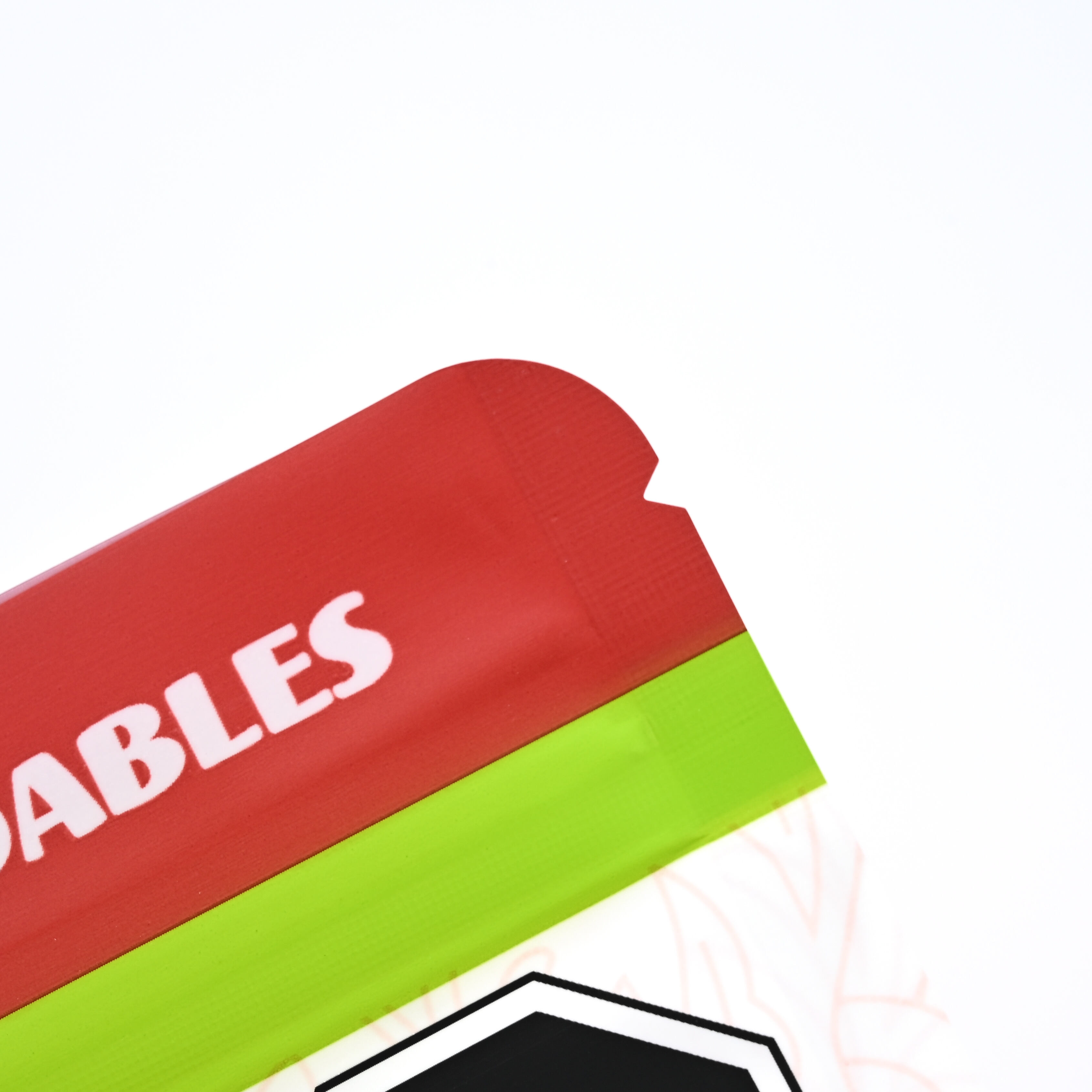
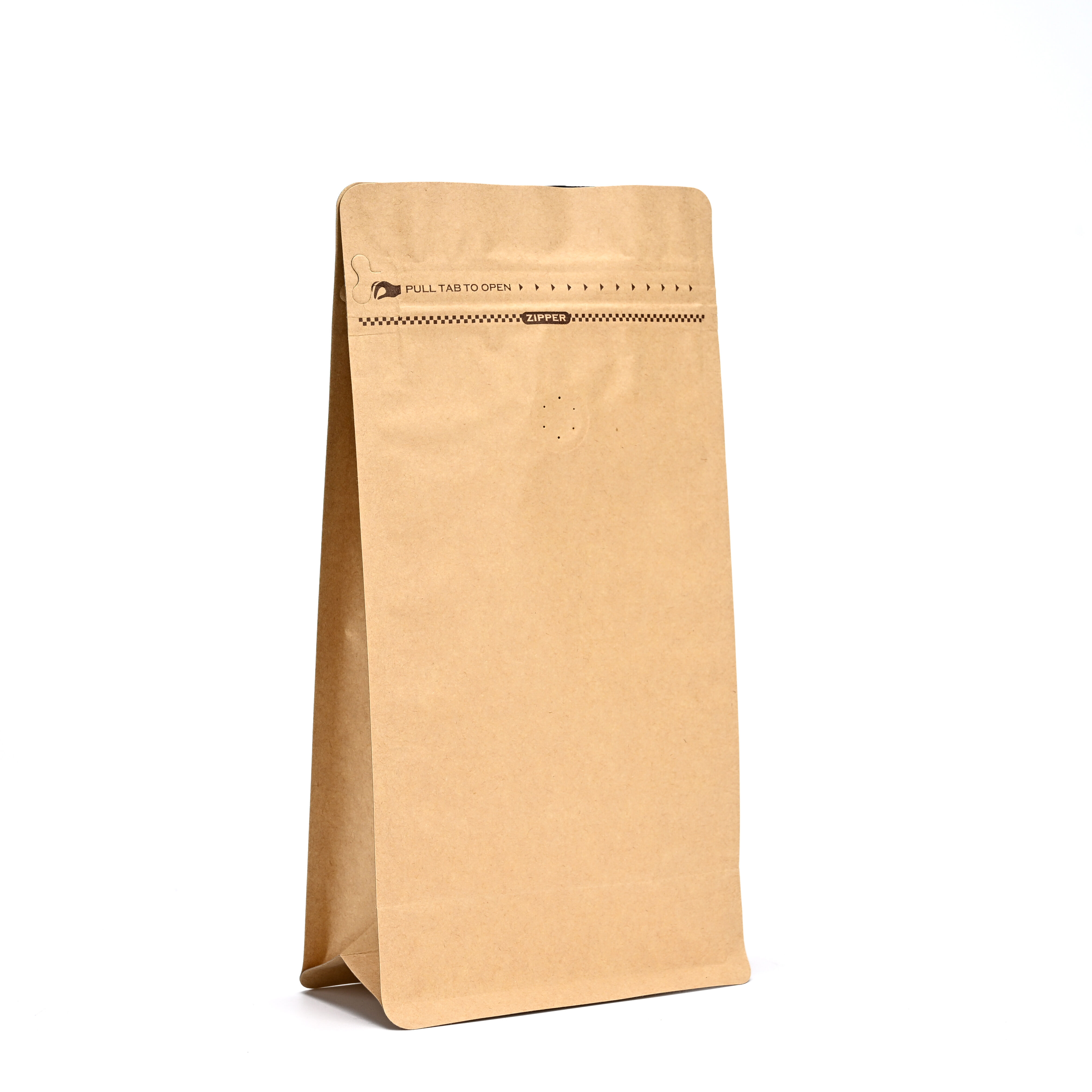
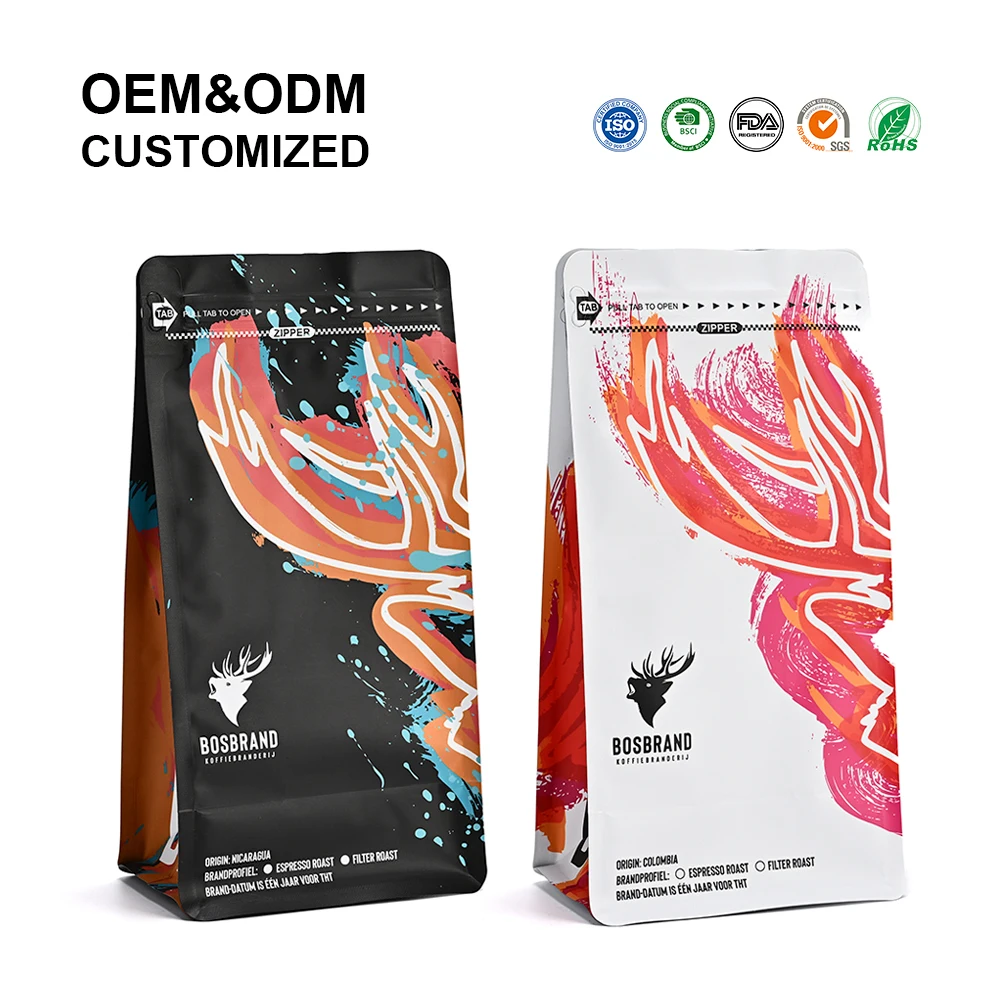
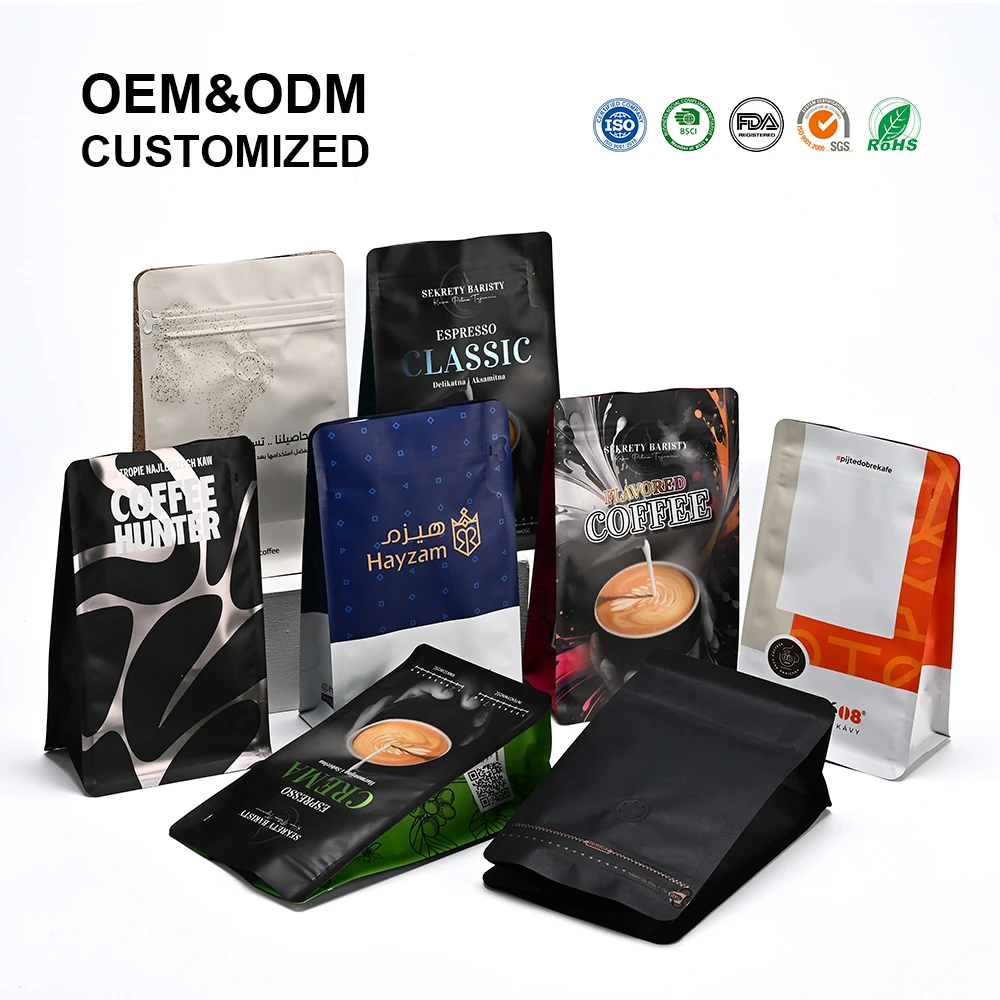
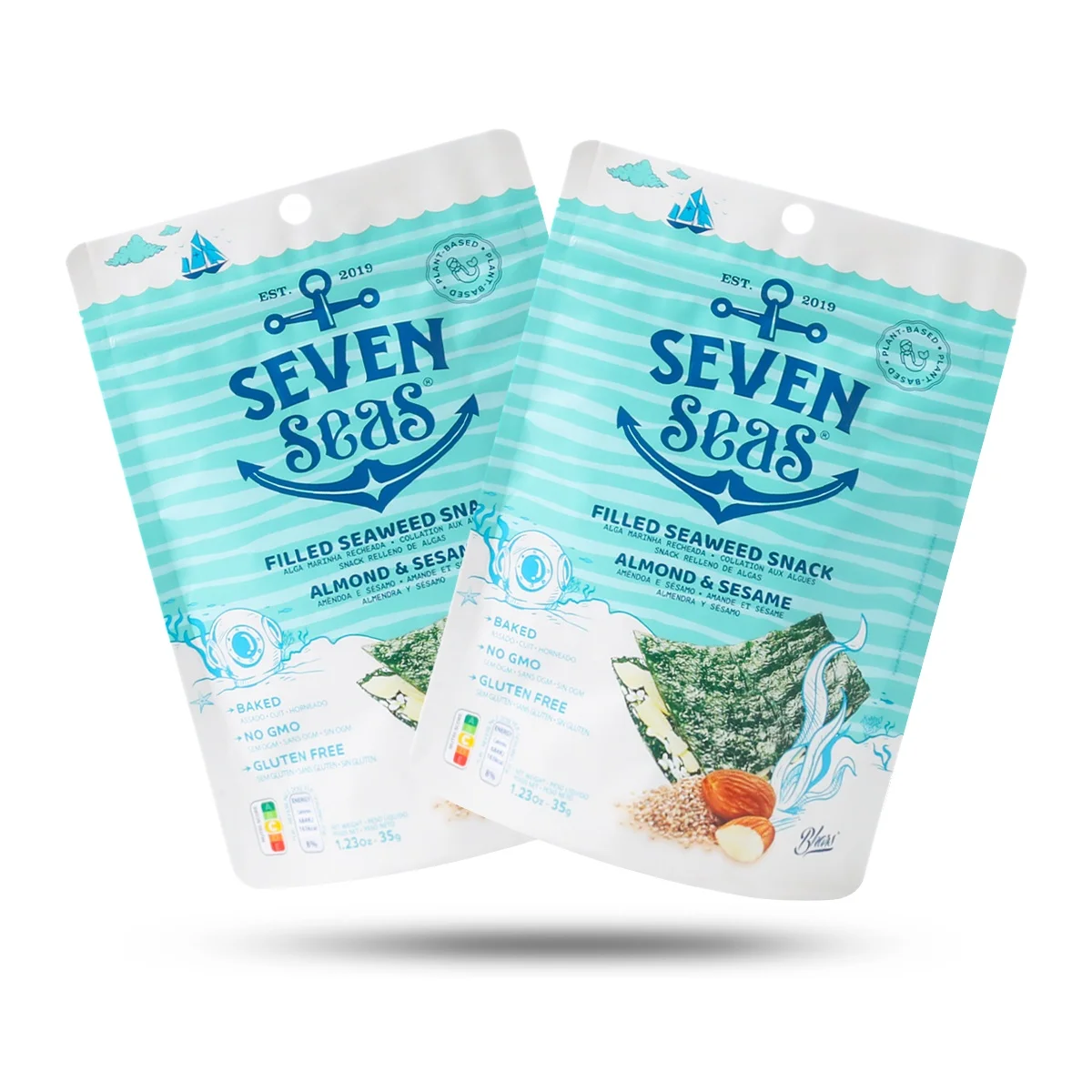
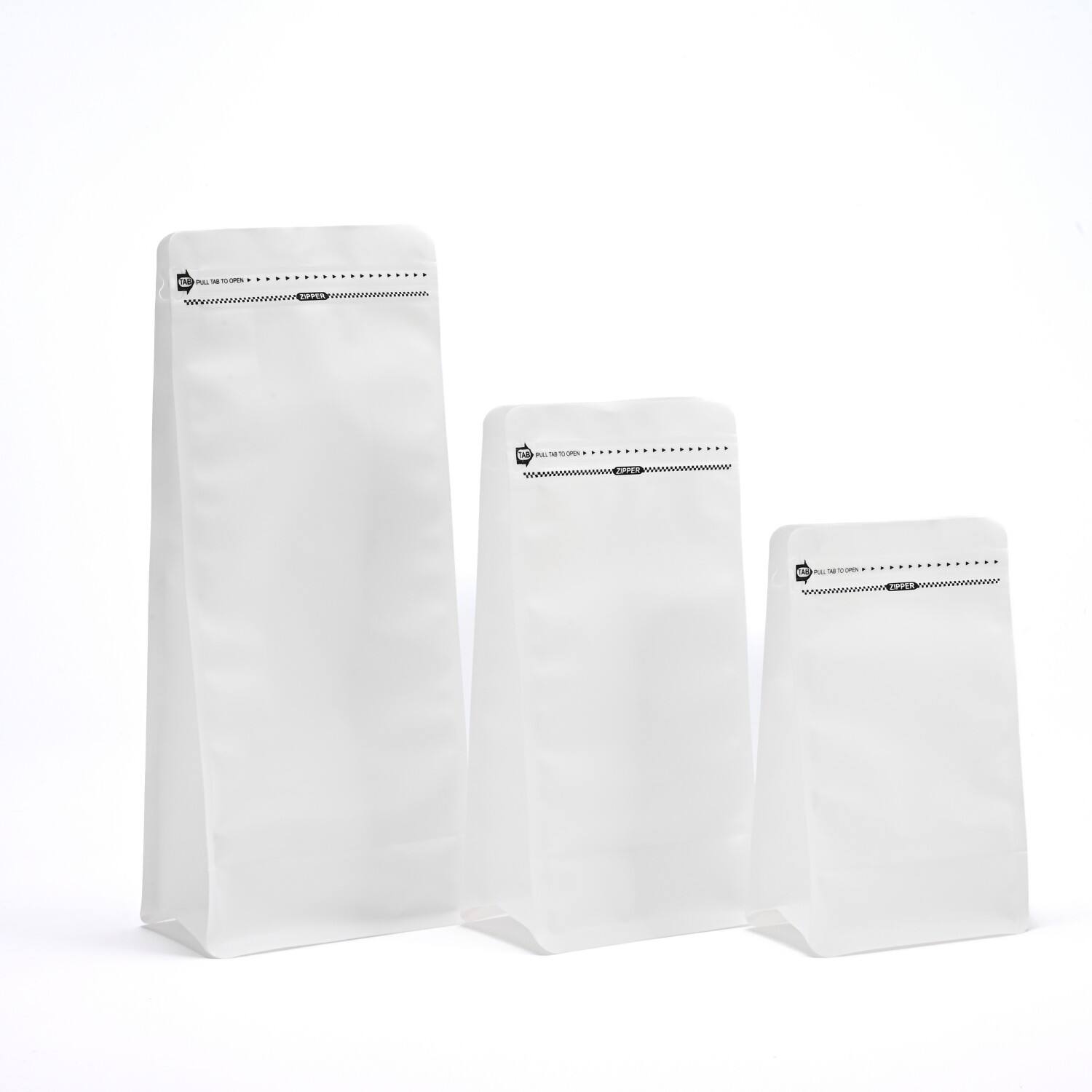
Snack bag manufacturers play a crucial role in the modern food packaging industry, serving as the backbone for preserving and presenting countless snack products consumed worldwide. These specialized companies design, produce, and supply various types of packaging solutions specifically tailored for snack foods, ranging from potato chips and nuts to candies and dried fruits. The primary function of snack bag manufacturers centers on creating protective barriers that maintain product freshness, extend shelf life, and ensure food safety while providing attractive visual appeal to consumers. Their technological expertise encompasses advanced material science, incorporating multi-layer lamination techniques, moisture barriers, oxygen-resistant properties, and heat-sealing capabilities. Modern snack bag manufacturers utilize sophisticated printing technologies, including flexographic, rotogravure, and digital printing methods, enabling vibrant graphics, brand logos, and nutritional information display. These manufacturers employ state-of-the-art equipment for film extrusion, converting processes, and quality control systems that ensure consistent product standards. Applications span across diverse market segments, including retail consumer products, institutional foodservice, private label brands, and specialty organic snacks. The manufacturing process involves selecting appropriate materials such as polyethylene, polypropylene, aluminum foil, and biodegradable alternatives, depending on specific product requirements. Quality assurance protocols include barrier testing, seal strength evaluation, and contamination prevention measures. Many snack bag manufacturers now integrate sustainable practices, developing eco-friendly packaging solutions using recyclable materials and reduced plastic content. Their expertise extends to custom sizing, specialized closures like zip-lock features, and innovative designs that enhance user convenience. The industry serves global markets, adapting to regional preferences, regulatory requirements, and cultural packaging expectations while maintaining cost-effectiveness and production efficiency standards.
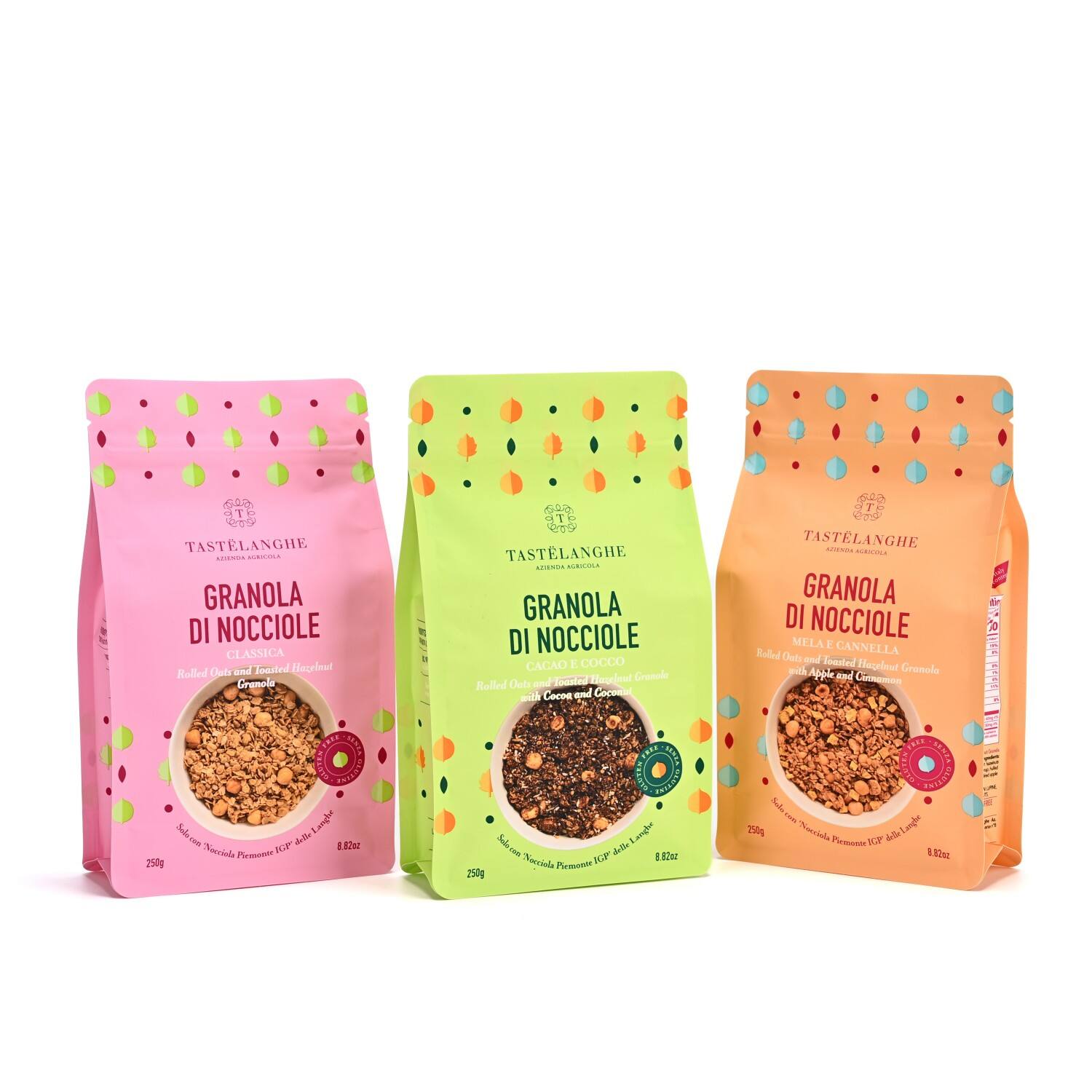
Popular Products

Snack bag manufacturers offer numerous compelling advantages that directly benefit businesses seeking reliable packaging solutions for their products. First and foremost, these specialized companies provide cost-effective production capabilities through economies of scale, allowing clients to access high-quality packaging at competitive prices. Their dedicated focus on snack packaging enables them to optimize manufacturing processes, reduce waste, and pass savings directly to customers. Quality consistency represents another significant advantage, as snack bag manufacturers implement rigorous quality control measures throughout production cycles. This attention to detail ensures every package meets strict standards for barrier properties, seal integrity, and visual appearance, protecting brand reputation and customer satisfaction. Customization flexibility stands out as a major benefit, enabling businesses to create unique packaging designs that reflect their brand identity and target market preferences. Snack bag manufacturers work closely with clients to develop custom colors, sizes, graphics, and functional features that differentiate products on crowded retail shelves. Speed and reliability in order fulfillment provide crucial competitive advantages, particularly during peak seasons or product launches. Established snack bag manufacturers maintain adequate inventory levels, streamlined production scheduling, and efficient logistics networks that ensure timely delivery. Technical expertise represents an invaluable resource, as these manufacturers stay current with industry innovations, material developments, and regulatory changes. They provide guidance on optimal packaging solutions, helping clients navigate complex decisions regarding barrier requirements, sustainability options, and cost-performance trade-offs. Environmental responsibility has become increasingly important, and many snack bag manufacturers now offer sustainable packaging alternatives including recyclable materials, biodegradable options, and reduced plastic content solutions. This commitment helps clients meet corporate sustainability goals while appealing to environmentally conscious consumers. Risk mitigation constitutes another key advantage, as established manufacturers maintain multiple production facilities, backup suppliers, and comprehensive insurance coverage that protects against supply chain disruptions. Their financial stability and industry experience provide peace of mind for long-term business partnerships. Innovation support helps clients stay ahead of market trends through access to emerging technologies, new materials, and creative design concepts that enhance product appeal and functionality.

Tips And Tricks

Bridging Performance and Sustainability: The Dual Role of PE/EVOH/PE in Modern Food Packaging

26

Dec

Bridging Performance and Sustainability: The Dual Role of PE/EVOH/PE in Modern Food Packaging

View More
Smart Packaging: From Passive Containers to Active Food Preservation Partners

11

Dec

Smart Packaging: From Passive Containers to Active Food Preservation Partners

View More
The Silent Salesman: How Packaging Design Psychology Drives Consumer Choice in the Digital Age

11

Dec

The Silent Salesman: How Packaging Design Psychology Drives Consumer Choice in the Digital Age

View More

Get a Free Quote

Our representative will contact you soon.
Email
Name
Company Name
Message
0/1000

snack bag manufacturers

Advanced Barrier Technology Solutions

Advanced Barrier Technology Solutions

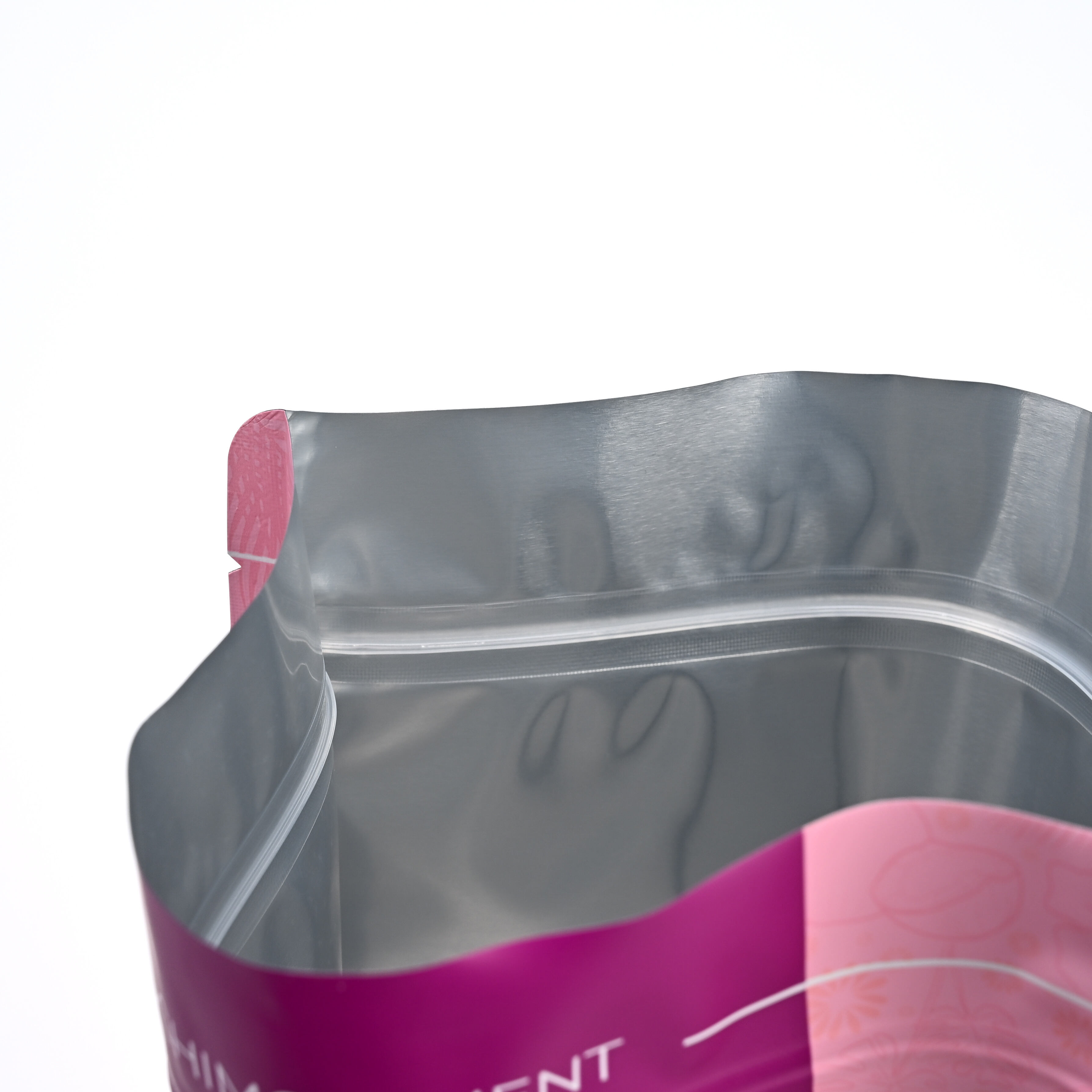
Snack bag manufacturers excel in developing sophisticated barrier technology solutions that significantly extend product shelf life while maintaining optimal freshness and flavor profiles. This technological advancement represents a critical competitive advantage for food brands seeking to minimize waste, reduce returns, and enhance customer satisfaction. The barrier technology encompasses multi-layer film structures that combine different polymers, each serving specific protective functions against moisture, oxygen, light, and aromatic compounds that can degrade snack quality over time. Modern snack bag manufacturers utilize advanced co-extrusion processes to create films with up to nine layers, strategically positioning materials like ethylene vinyl alcohol copolymer for superior oxygen barriers, metallized films for light protection, and specialized sealant layers for optimal package integrity. These barrier solutions are particularly crucial for sensitive products like nuts, which can develop rancidity when exposed to oxygen, or moisture-sensitive items like crackers that lose their crispness in humid conditions. The technology also includes specialized coating applications that enhance barrier properties without adding significant thickness or cost to the package structure. Quality testing protocols ensure barrier performance meets or exceeds specifications, utilizing sophisticated equipment to measure oxygen transmission rates, water vapor transmission rates, and overall package integrity under various environmental conditions. This technological expertise enables snack bag manufacturers to provide customized solutions for different product categories, considering factors such as oil content, moisture levels, storage conditions, and intended shelf life requirements. The investment in barrier technology research and development allows these manufacturers to stay ahead of evolving food safety regulations and consumer expectations for product quality and sustainability.
Sustainable Packaging Innovation Leadership

Sustainable Packaging Innovation Leadership

Leading snack bag manufacturers demonstrate exceptional commitment to sustainable packaging innovation, positioning themselves at the forefront of environmental responsibility while maintaining superior product protection and cost-effectiveness. This sustainability focus addresses growing consumer demand for eco-friendly packaging solutions and helps brands meet corporate environmental goals without compromising product quality or market appeal. The innovation encompasses multiple approaches, including the development of recyclable mono-material structures that eliminate mixed-material barriers traditionally used in snack packaging. These solutions utilize advanced polymer technology to achieve necessary barrier properties while ensuring compatibility with existing recycling infrastructure. Biodegradable and compostable options represent another significant innovation area, with manufacturers developing plant-based materials and bio-polymers that decompose naturally without leaving harmful residues. Post-consumer recycled content integration allows manufacturers to create packaging that incorporates recycled materials while maintaining performance standards, creating circular economy benefits that reduce virgin material consumption. Lightweighting initiatives focus on reducing overall material usage through optimized film structures and enhanced barrier efficiency, resulting in lower transportation costs and reduced environmental impact without sacrificing package integrity. Water-based and solvent-free printing processes minimize volatile organic compound emissions while delivering vibrant graphics and brand messaging. Sustainable sourcing practices ensure raw materials come from responsible suppliers who adhere to environmental and social responsibility standards. Life cycle assessment capabilities help clients understand the complete environmental impact of packaging choices, enabling informed decisions that balance performance, cost, and sustainability objectives. Certification programs validate sustainable practices, with many snack bag manufacturers achieving recognized standards such as recyclability certifications, carbon footprint verification, and sustainable forestry endorsements that support client marketing and corporate responsibility initiatives.
Comprehensive Quality Assurance Systems

Comprehensive Quality Assurance Systems

Snack bag manufacturers implement comprehensive quality assurance systems that provide unparalleled reliability and consistency, ensuring every package meets stringent performance standards while protecting brand reputation and consumer safety. These quality systems encompass every aspect of the manufacturing process, from raw material inspection through final product delivery, creating multiple checkpoints that identify and eliminate potential defects before they reach customers. The quality assurance framework begins with rigorous supplier qualification programs that evaluate raw material providers based on quality capabilities, consistency records, and compliance with industry standards. Incoming material testing includes verification of film properties, barrier performance, printing substrate quality, and contamination screening using advanced analytical equipment. Statistical process control methodologies monitor production parameters in real-time, automatically flagging deviations from established specifications and triggering corrective actions before quality issues occur. Comprehensive testing protocols evaluate critical package characteristics including seal strength, barrier properties, print quality, dimensional accuracy, and overall appearance using calibrated instruments and standardized test methods. Microbiological testing ensures packages meet food safety requirements, particularly important for direct food contact applications where contamination risks must be minimized. Traceability systems maintain detailed records of material lots, production batches, and quality test results, enabling rapid identification and isolation of any quality issues that might arise. Customer complaint investigation procedures provide systematic analysis of reported problems, implementing corrective and preventive actions that address root causes and prevent recurrence. Third-party certifications validate quality system effectiveness, with many manufacturers maintaining ISO 9001 quality management certification, BRC food safety certification, and other recognized standards that demonstrate commitment to excellence. Continuous improvement programs analyze quality data trends, customer feedback, and industry best practices to identify enhancement opportunities that further strengthen quality performance and customer satisfaction levels.

Get a Free Quote

Our representative will contact you soon.
Email
Name
Company Name
Message
0/1000