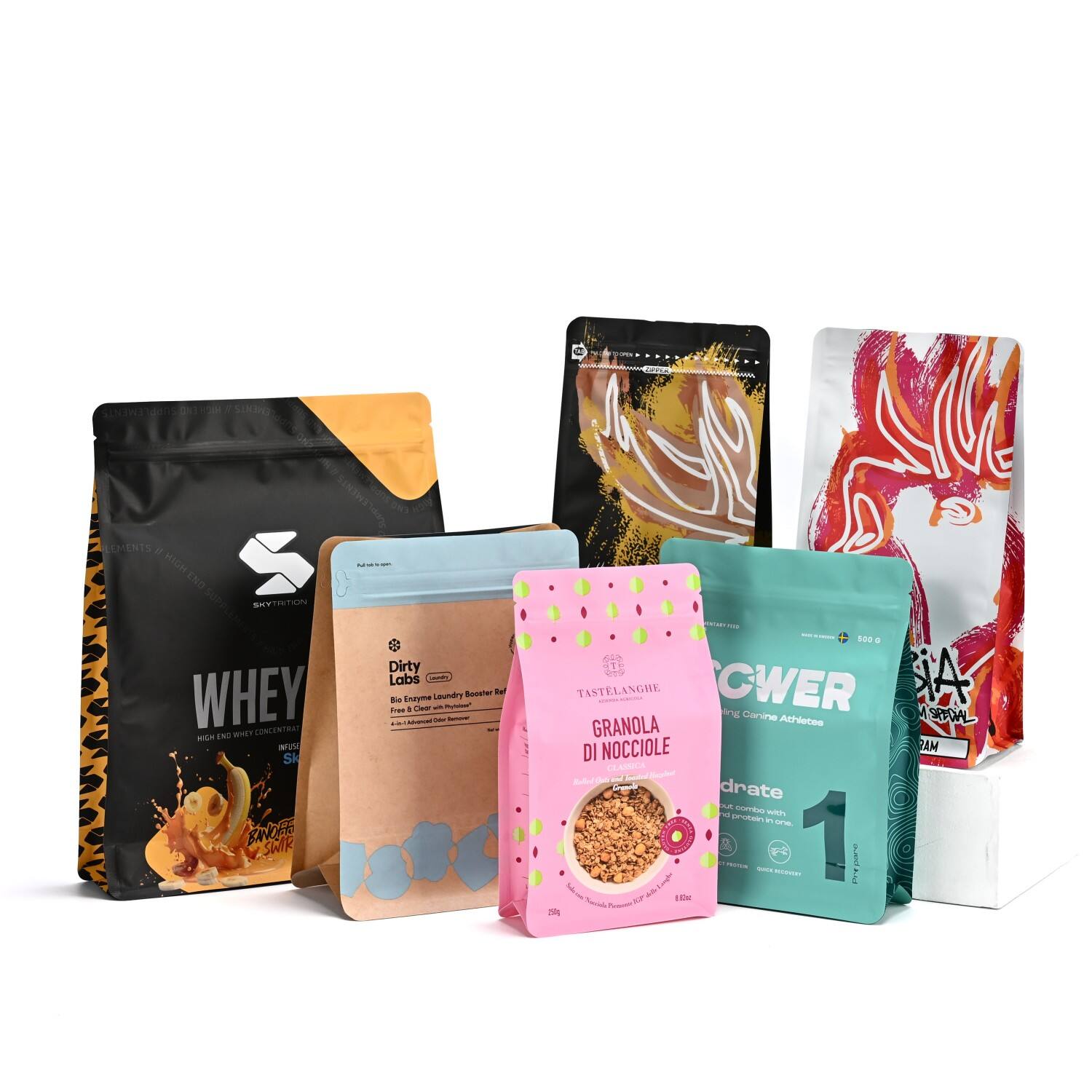
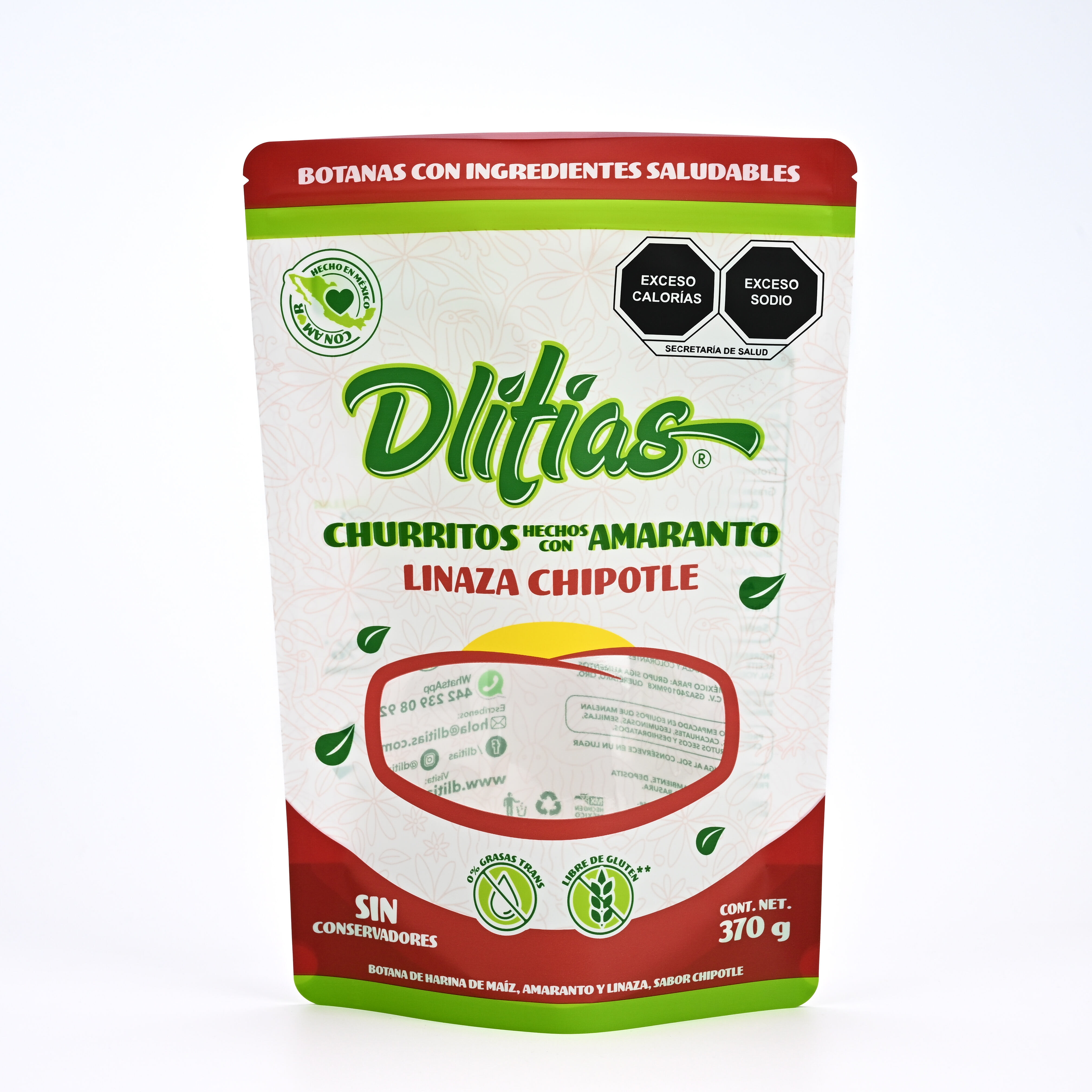
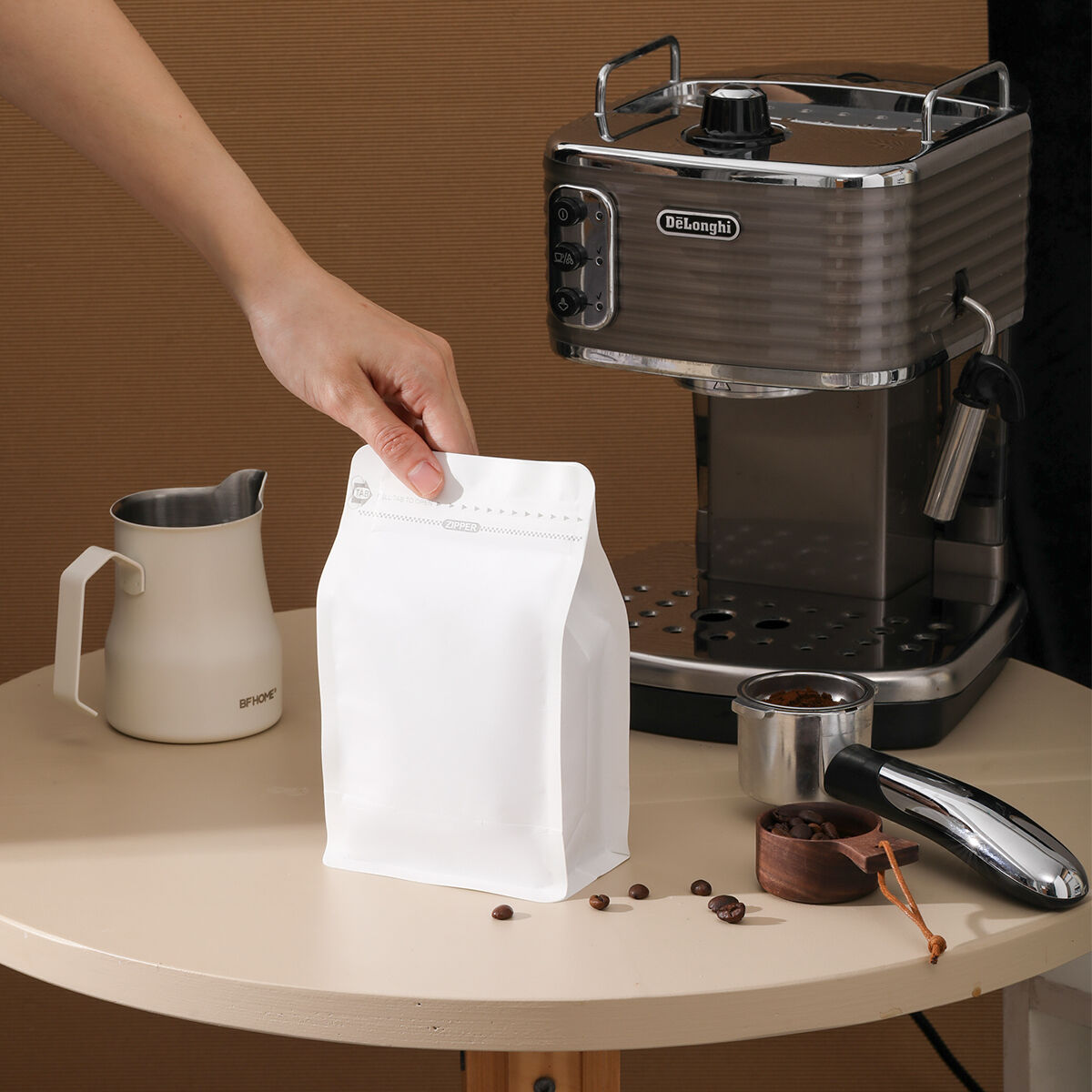
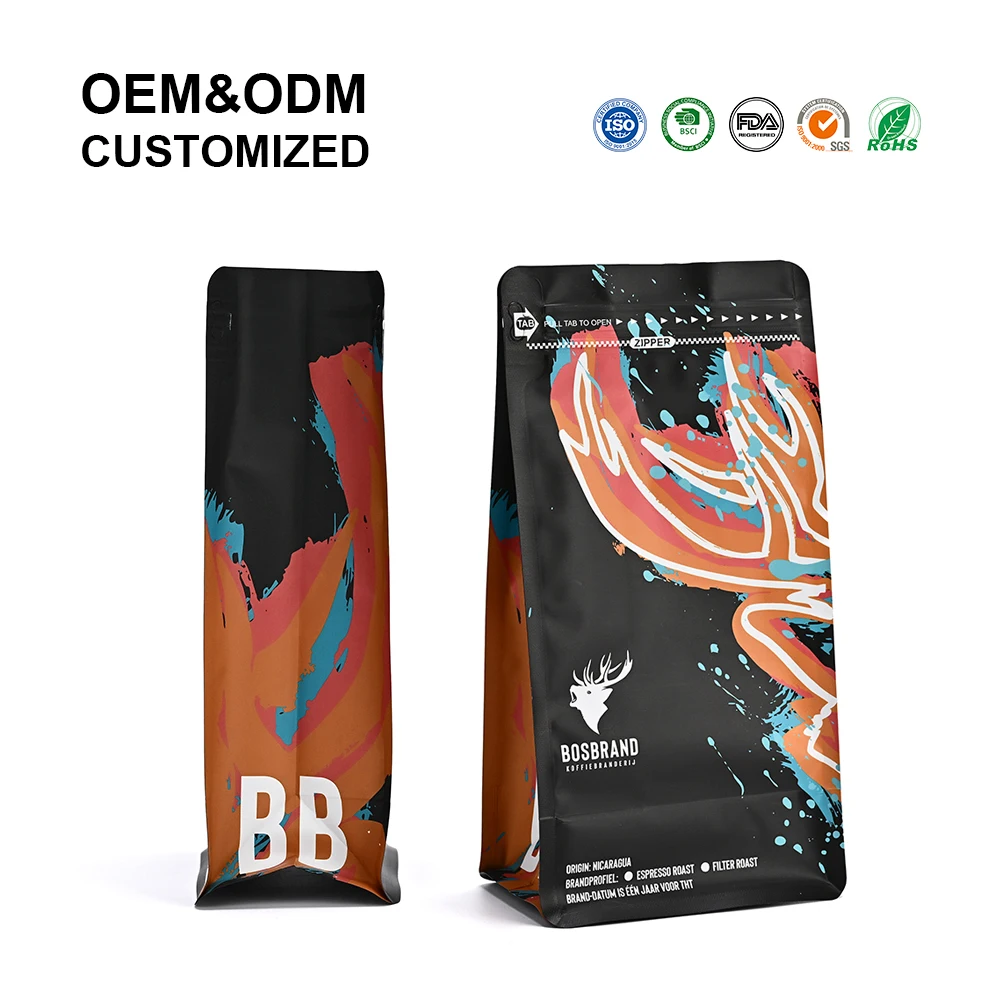
Premium Vacuum Bag Packaging Solutions - Extended Freshness & Space Efficiency

Contact me immediately if you encounter problems!

All Categories

Get a Free Quote

Our representative will contact you soon.
Email
Name
Company Name
Message
0/1000

vacuum bag packaging

Vacuum bag packaging represents a revolutionary approach to product preservation and storage that has transformed industries ranging from food processing to electronics manufacturing. This sophisticated packaging method involves removing air from specially designed barrier bags before sealing, creating an oxygen-free environment that dramatically extends product shelf life and maintains quality. The technology utilizes multi-layer films engineered with specific barrier properties to prevent moisture, oxygen, and other contaminants from penetrating the package. Modern vacuum bag packaging systems employ advanced sealing techniques, including heat sealing and impulse sealing, to ensure complete air removal and hermetic closure. The process begins with placing products into specially manufactured bags constructed from materials such as polyethylene, nylon, or specialized barrier films. These materials are selected based on their ability to withstand the vacuum process while maintaining structural integrity. The vacuum chamber or external vacuum pump then extracts air from the bag, reducing oxygen levels to nearly zero before the bag is sealed permanently. This packaging method has gained widespread adoption across numerous sectors due to its effectiveness in preserving product characteristics, reducing waste, and extending storage capabilities. In the food industry, vacuum bag packaging prevents oxidation, inhibits bacterial growth, and maintains nutritional value while preserving taste and texture. For industrial applications, this packaging protects sensitive components from moisture damage, corrosion, and environmental contamination. The versatility of vacuum bag packaging allows it to accommodate various product shapes, sizes, and compositions, making it suitable for everything from fresh produce and meat products to electronic components and pharmaceutical supplies. Advanced vacuum bag packaging systems now incorporate intelligent features such as modified atmosphere packaging, which replaces extracted air with protective gases, and smart sensors that monitor package integrity throughout the supply chain.
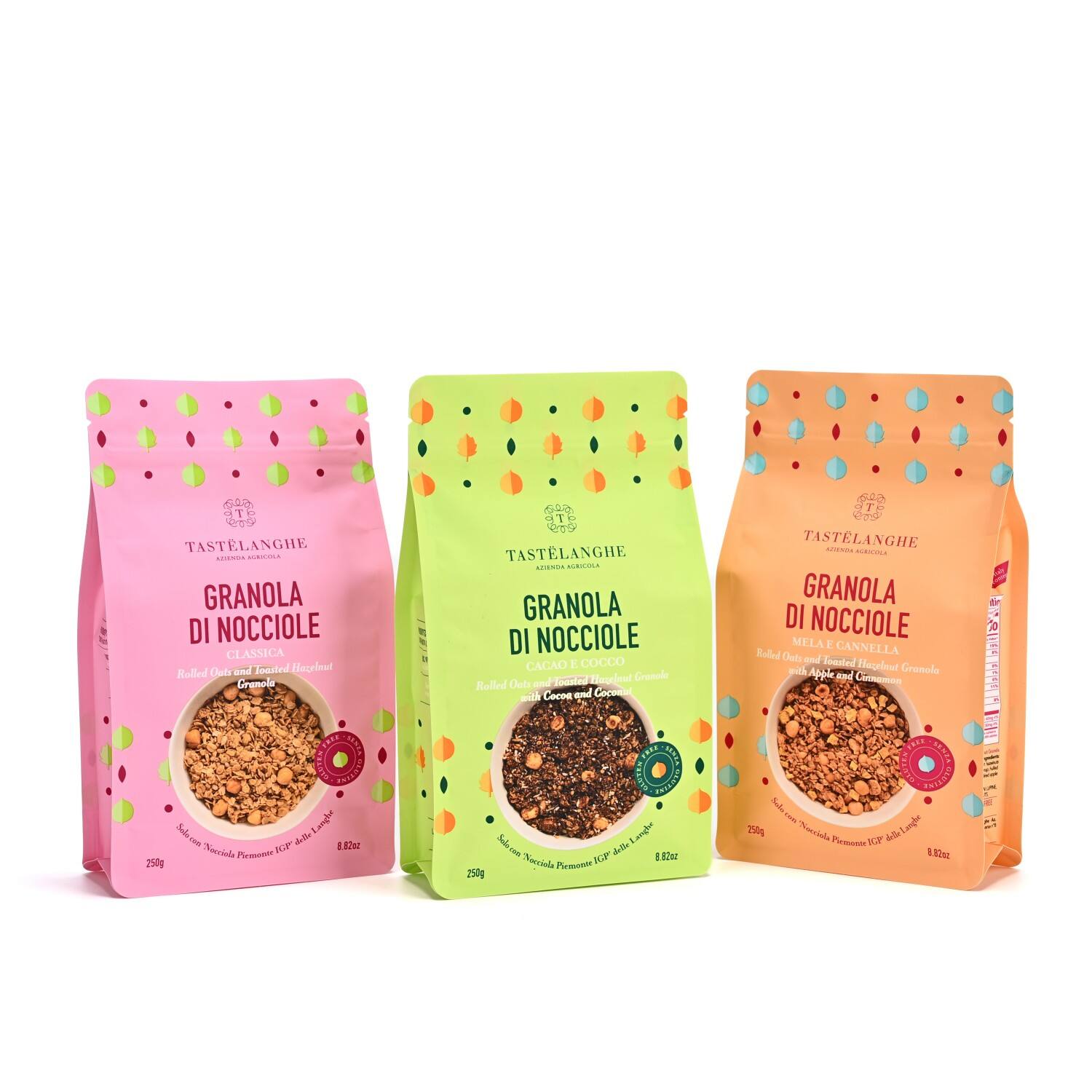
New Product Releases

Vacuum bag packaging delivers exceptional benefits that make it indispensable for businesses seeking superior product protection and extended shelf life. The primary advantage lies in its ability to remove oxygen completely, which prevents oxidation processes that cause food spoilage, metal corrosion, and degradation of sensitive materials. This oxygen elimination extends product freshness significantly, with many foods lasting three to five times longer compared to traditional packaging methods. The vacuum environment creates an inhospitable atmosphere for aerobic bacteria and mold, substantially reducing microbial growth that leads to contamination and quality deterioration. Space efficiency represents another compelling advantage, as vacuum bag packaging reduces product volume by up to sixty percent through air removal, optimizing storage capacity and transportation costs. This compression benefit proves particularly valuable for businesses managing limited warehouse space or shipping products over long distances. The flexible nature of vacuum bags allows them to conform precisely to product contours, eliminating wasted space and providing superior protection against physical damage during handling and transport. Cost savings emerge through multiple channels when implementing vacuum bag packaging solutions. Reduced spoilage rates translate directly into decreased waste disposal costs and inventory losses, while extended shelf life enables businesses to purchase larger quantities at better pricing. The lightweight nature of vacuum packaging materials reduces shipping costs compared to rigid containers, and the stackable design maximizes truck and container utilization. Quality preservation stands as a paramount advantage, maintaining product appearance, texture, nutritional content, and functional properties throughout extended storage periods. For food products, vacuum bag packaging retains natural flavors, prevents freezer burn, and preserves vitamin content that would otherwise degrade in conventional packaging. Industrial products benefit from protection against humidity, dust, and chemical exposure that could compromise performance or reliability. The transparency of many vacuum packaging materials allows visual product inspection without opening packages, facilitating quality control and inventory management. Environmental benefits include reduced food waste, lower carbon footprint through efficient transportation, and recyclable packaging materials that support sustainability initiatives while meeting consumer demands for eco-friendly solutions.

Practical Tips

Bridging Performance and Sustainability: The Dual Role of PE/EVOH/PE in Modern Food Packaging

26

Dec

Bridging Performance and Sustainability: The Dual Role of PE/EVOH/PE in Modern Food Packaging

View More
Smart Packaging: From Passive Containers to Active Food Preservation Partners

11

Dec

Smart Packaging: From Passive Containers to Active Food Preservation Partners

View More
The Silent Salesman: How Packaging Design Psychology Drives Consumer Choice in the Digital Age

11

Dec

The Silent Salesman: How Packaging Design Psychology Drives Consumer Choice in the Digital Age

View More

Get a Free Quote

Our representative will contact you soon.
Email
Name
Company Name
Message
0/1000

vacuum bag packaging

Superior Barrier Protection Technology

Superior Barrier Protection Technology

The cornerstone of effective vacuum bag packaging lies in its advanced barrier protection technology, which utilizes multi-layer film construction to create an impermeable shield against environmental threats. These specialized films incorporate various polymer layers, each engineered to block specific contaminants such as oxygen, moisture, light, and aromatic compounds. The outer layer typically consists of durable materials like polyester or nylon that provide puncture resistance and structural integrity during handling and storage. The middle barrier layer, often made from ethylene vinyl alcohol or aluminum foil, serves as the primary oxygen and moisture barrier, preventing these elements from penetrating the package interior. The inner sealing layer, usually polyethylene-based, ensures reliable heat sealing while maintaining food contact safety standards. This sophisticated barrier system achieves oxygen transmission rates as low as 0.1 cubic centimeters per square meter per day, creating an environment that virtually eliminates oxidative degradation. The technology extends beyond basic barrier properties to include specialized coatings that enhance UV protection, antimicrobial properties, and static dissipation for electronic components. Advanced vacuum bag packaging materials now incorporate nanotechnology enhancements that provide molecular-level barrier performance while maintaining flexibility and processability. The barrier effectiveness remains consistent across temperature variations, ensuring product protection from freezer storage through ambient conditions to elevated temperatures during transportation. This comprehensive protection system proves essential for pharmaceuticals requiring strict stability conditions, electronics sensitive to moisture damage, and food products demanding extended freshness periods. The multi-layer construction also enables customization for specific applications, allowing manufacturers to adjust barrier properties, thickness, and mechanical strength based on product requirements. Quality control testing ensures each batch meets stringent barrier performance standards, providing customers with reliable protection that maintains product integrity throughout the entire supply chain from production to end-user consumption.
Enhanced Product Freshness and Shelf Life Extension

Enhanced Product Freshness and Shelf Life Extension

Vacuum bag packaging delivers unparalleled freshness preservation and shelf life extension through the complete elimination of oxygen and the creation of an anaerobic storage environment. This oxygen removal prevents oxidative reactions that cause rancidity in fats, discoloration in proteins, vitamin degradation, and flavor deterioration in food products. The anaerobic environment inhibits the growth of spoilage bacteria, mold, and yeast that require oxygen for survival, effectively pausing natural decomposition processes. Scientific studies demonstrate that vacuum packaged foods maintain nutritional value, texture, and flavor profiles for periods extending three to five times longer than conventional packaging methods. Fresh meats retain their natural color and texture while avoiding freezer burn and ice crystal formation that damages cellular structure. Fruits and vegetables maintain crisp texture and vibrant appearance while preserving essential vitamins and antioxidants that would otherwise degrade through oxidative processes. The controlled environment created by vacuum bag packaging also prevents moisture migration, maintaining optimal hydration levels that preserve product quality and prevent dehydration or soggy conditions. For bakery products, vacuum packaging maintains softness and prevents staling by controlling moisture exchange and preventing exposure to ambient humidity variations. Dairy products benefit from extended freshness through prevention of oxidative off-flavors and maintenance of protein structure integrity. The shelf life extension capability proves particularly valuable for businesses managing inventory, reducing waste disposal costs, and enabling longer distribution cycles without quality compromise. Seasonal products can be preserved during peak availability periods for sale during off-seasons, maximizing profitability and ensuring consistent supply. The freshness preservation technology enables businesses to offer premium quality products with extended use-by dates, providing competitive advantages in markets where quality and freshness drive consumer purchasing decisions. This extended shelf life also supports export opportunities by maintaining product quality during extended international shipping periods, opening new market possibilities for businesses seeking global expansion.
Exceptional Space Efficiency and Storage Optimization

Exceptional Space Efficiency and Storage Optimization

The space efficiency advantages of vacuum bag packaging revolutionize storage and transportation logistics through dramatic volume reduction and optimized space utilization. The vacuum extraction process removes up to ninety percent of air content from packages, compressing products to their minimum practical volume while maintaining protective packaging integrity. This compression capability proves transformative for businesses facing storage constraints, enabling warehouse capacity increases of fifty to sixty percent without facility expansion. The flexible nature of vacuum bags allows them to conform precisely to irregular product shapes, eliminating the dead space inherent in rigid containers and maximizing storage density. Bulk products such as clothing, textiles, and soft goods achieve compression ratios exceeding four-to-one, dramatically reducing storage footprints and transportation costs. The stackable design of vacuum packages creates stable, space-efficient storage configurations that optimize vertical warehouse utilization while maintaining easy access for inventory rotation. Transportation benefits include increased payload capacity, reduced shipping costs per unit, and improved load stability during transit. Shipping containers and delivery trucks accommodate significantly more vacuum-packed products, reducing per-unit transportation costs and carbon footprint through improved logistics efficiency. The space optimization extends to retail environments where vacuum packaging enables attractive product displays while maximizing shelf space utilization and inventory turnover. Cold storage facilities benefit particularly from vacuum packaging space efficiency, as reduced volume requirements lower refrigeration costs and energy consumption while maintaining temperature consistency throughout compressed product loads. The compact packaging also simplifies inventory management through improved organization, easier counting, and enhanced tracking capabilities in automated warehouse systems. Distribution centers achieve faster throughput rates due to reduced handling volume and improved package uniformity that supports automated sorting and processing equipment. For e-commerce operations, vacuum bag packaging reduces shipping box sizes, lowering dimensional weight charges and packaging material costs while maintaining superior product protection during delivery. The space efficiency translates into reduced facility overhead costs, improved inventory turnover rates, and enhanced profitability through optimized logistics operations that support business growth and competitive positioning in cost-sensitive markets.

Get a Free Quote

Our representative will contact you soon.
Email
Name
Company Name
Message
0/1000