 EN
EN

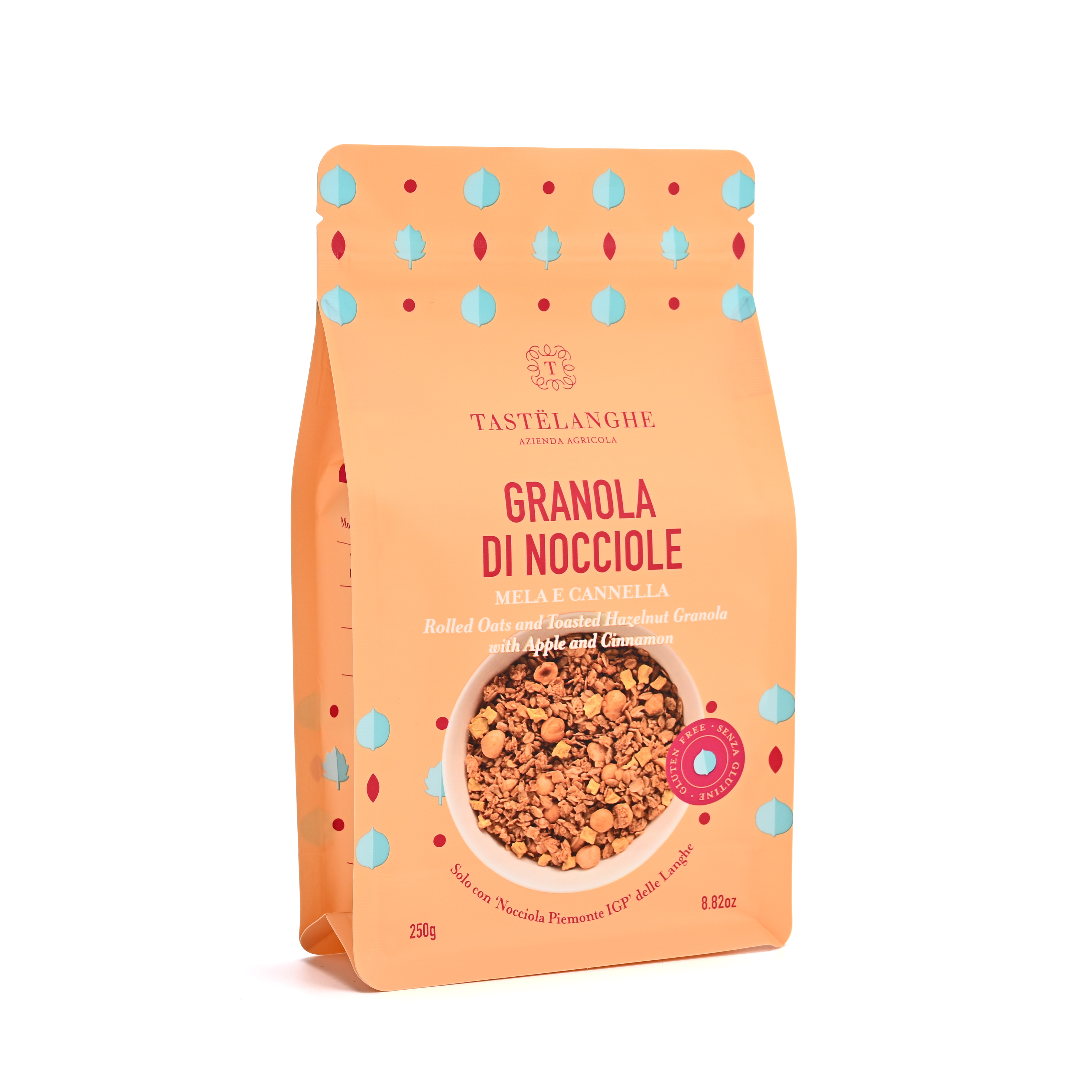
Printing on a flat bottom bag requires a strategic approach that goes beyond standard pouch design. The unique five-sided structure of a flat bottom bag presents both opportunities and challenges for designers and packaging professionals. Unlike traditional three-dimensional pouches, a flat bottom bag offers expanded surface area and distinct printing zones that demand careful consideration. Understanding how to maximize the flat bottom bag printing process ensures your brand identity stands out on retail shelves and meets production efficiency standards.
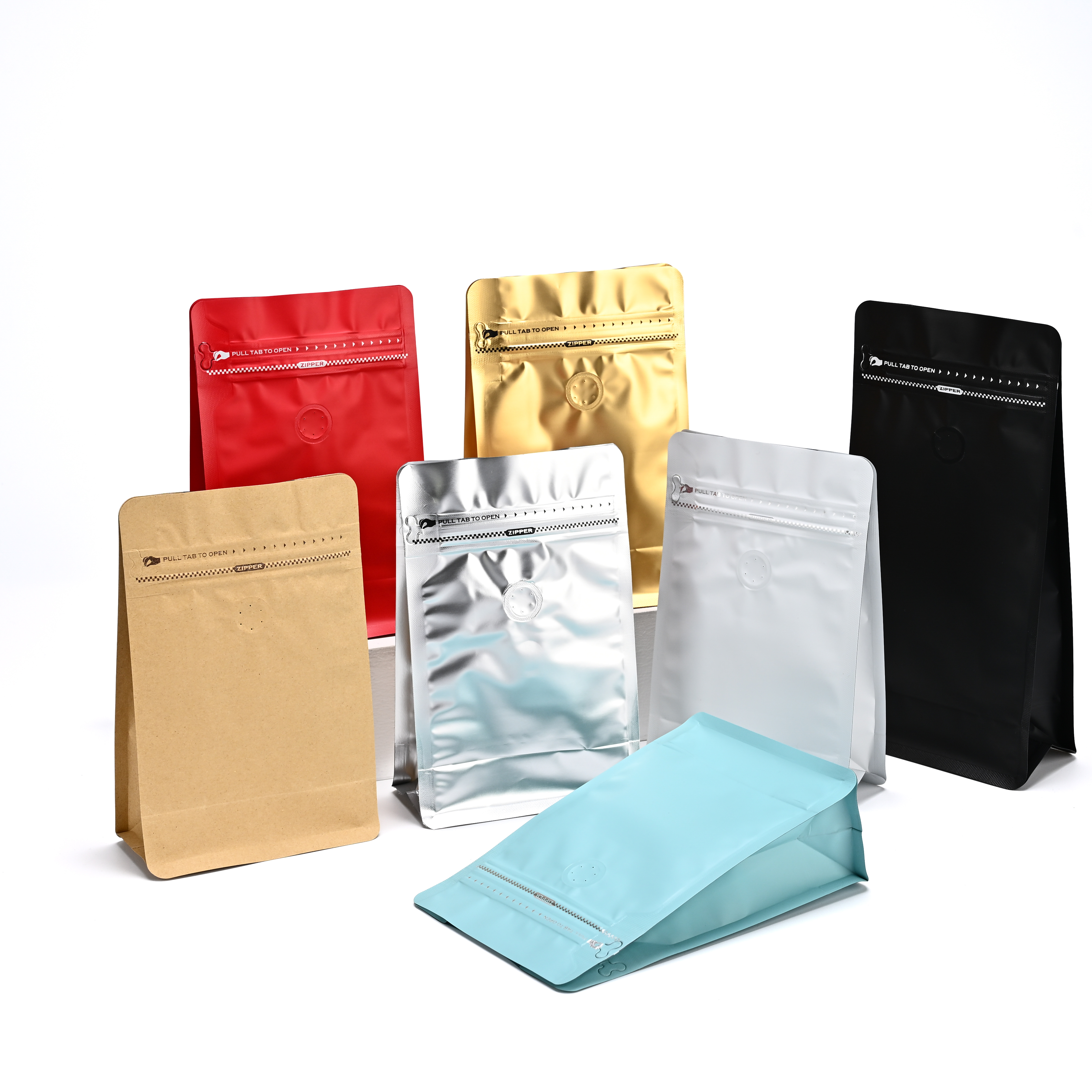
When designing for a flat bottom bag, manufacturers and brands must account for the five distinct printing surfaces: front panel, back panel, left gusset, right gusset, and bottom panel. Each surface interacts differently with gravity, rotation, and consumer visibility. A well-executed flat bottom bag design creates visual harmony across all panels while accounting for fold lines, seams, and structural weak points. This comprehensive guide explores five critical design tips that will elevate your flat bottom bag printing results and ensure your packaging stands out competitively.
Understanding the Flat Bottom Bag Structure
The Five-Panel Layout and Its Implications
A flat bottom bag differs fundamentally from other pouch formats because it features a structured bottom that sits flat on shelves. This design creates five distinct surface areas that must work together cohesively. The front and back panels serve as your primary brand storytelling zones, while the gussets and bottom provide secondary visual real estate. When printing on a flat bottom bag, you must think in three dimensions from the design stage forward. Understanding where seams and fold lines intersect helps prevent design elements from appearing broken or misaligned when the pouch is filled and displayed.
Dimensional Consistency Across All Panels
Every flat bottom bag design must maintain consistent branding elements across all five printing surfaces. This means your logo, color palette, and key messaging should appear proportionally on the front panel, back panel, and side gussets. When customers rotate or pick up your flat bottom bag, they should experience a seamless brand presence. Inconsistency or misalignment between panels damages brand perception and suggests poor manufacturing quality. Your flat bottom bag printing vendor should provide you with detailed layout specifications that show exactly how your design will print across each surface before production begins.
Design Tip 1: Master Color Placement and Contrast
Strategic Color Distribution
Color choices significantly impact how a flat bottom bag performs on retail shelves and in photographs. A flat bottom bag with strategic color placement draws the eye more effectively than muddled or overly complex color schemes. Reserve bold, high-contrast colors for your primary messaging zone, typically the front panel of your flat bottom bag. Secondary colors can appear on the back and side panels to create visual interest without overwhelming the design. When printing on a flat bottom bag, remember that retail lighting varies—what looks vibrant under showroom lights may appear washed out in natural sunlight. Test your color choices under multiple lighting conditions before finalizing your flat bottom bag production files.
Accounting for Ink Coverage and Print Quality
Heavy ink coverage on a flat bottom bag requires precise printer calibration to avoid smudging, bleeding, or color inconsistency across panels. When designing a flat bottom bag, use color swatches that your printing partner can reproduce reliably with their equipment. Solid colors print more consistently than gradients or photographic images on a flat bottom bag. If you include photographic content on your flat bottom bag design, ensure resolution meets minimum DPI requirements and that color profiles are properly embedded. Discuss your flat bottom bag color specifications with your printer before production to confirm they can achieve your desired visual impact without quality compromises.
Design Tip 2: Optimize Typography and Text Hierarchy
Font Selection for Multi-Panel Printing
Typography on a flat bottom bag must remain legible across all five surfaces, even when viewed from different angles or distances. Choose sans-serif fonts for body text on your flat bottom bag, as they render more cleanly during the printing process than serif fonts. A flat bottom bag often features product names, ingredient information, or regulatory text that must remain readable after manufacturing. Avoid thin or overly decorative fonts that may appear broken or disconnected when printing on a flat bottom bag. Test your selected typeface at the smallest size you plan to use—if it remains legible at that scale, your flat bottom bag typography will perform well in production.
Text Placement Relative to Gussets and Seams
Text placement on a flat bottom bag requires careful distance from fold lines and seams where printing becomes distorted. Never place critical brand messaging or regulatory information within one-quarter inch of seams on your flat bottom bag. The gusset area of a flat bottom bag creates a natural visual break, so consider using this space for secondary information rather than your core message. When your flat bottom bag undergoes filling and sealing, the gusset expands outward—text placed in this zone may become difficult to read. Confirm with your printing vendor exactly where the safe text zones exist on your specific flat bottom bag dimensions, then design your layout with adequate margins.
Design Tip 3: Leverage Gusset and Bottom Panel Space Strategically
Using Side Gussets for Extended Messaging
The gussets of a flat bottom bag represent prime real estate for nutrition facts, QR codes, or supplementary branding information. Many designers overlook the gusset area when designing a flat bottom bag, missing an opportunity to communicate additional value to consumers. A well-designed flat bottom bag uses gussets to display certifications, sustainability messaging, or usage instructions without cluttering the front panel. When printing on a flat bottom bag, remember that gussets only become visible when the pouch is picked up or rotated—this is the perfect moment to share secondary information. Coordinate your flat bottom bag gusset content with your printer to ensure text and graphics align properly across both left and right side panels.
Bottom Panel Branding Opportunities
The bottom panel of a flat bottom bag sits directly on retail shelves, creating a unique touchpoint that most consumers notice when picking up the package. This area is often underutilized in flat bottom bag design, yet it offers excellent branding potential. Consider placing your logo, a subtle brand pattern, or sustainability information on the bottom panel of your flat bottom bag. When designing this area, account for any debris or shelf wear the flat bottom bag will encounter during distribution. Choose durable colors and avoid fine detail that may be obscured once your flat bottom bag sits on retail shelves. The bottom panel of a flat bottom bag can reinforce your brand identity and improve shelf impact significantly.
Design Tip 4: Account for Production Realities and Print Registration
Understanding Print Registration Tolerances
Print registration refers to how accurately design elements align across multiple colors and surfaces on your flat bottom bag. No printing process achieves perfect alignment, so all flat bottom bag designs must include safety margins around critical design elements. When designing a flat bottom bag, build in a registration tolerance of at least one-eighth inch on all sides of important graphics and text. A flat bottom bag that experiences slight misalignment during production should still appear professional and on-brand. Discuss your flat bottom bag printing vendor's typical registration accuracy before finalizing your design—this information directly influences your safety margin requirements. Some flat bottom bag printing methods are inherently more precise than others, so this conversation directly impacts your design parameters.
Managing Color Separations Across Five Surfaces
Printing on a flat bottom bag involves separating your full-color design into individual color channels for each printing surface. A flat bottom bag design with five different surfaces requires careful color management to ensure consistency. When preparing files for your flat bottom bag printer, provide separate color separations for each panel or surface layer. Request that your flat bottom bag printing vendor supply a color proof showing how your design will appear across all five surfaces before production begins. This proactive approach prevents costly mistakes and ensures your flat bottom bag meets your color and quality expectations. Color separations for a flat bottom bag printing project demand precision and clear communication between designer and printer.
Design Tip 5: Test and Refine Before Full Production
Requesting Pre-Production Samples
Before committing to full production, always request pre-production samples of your flat bottom bag design. These samples allow you to verify color accuracy, text legibility, and overall visual impact in physical form. A flat bottom bag sample provides context that digital mockups cannot replicate—you'll see exactly how your design interacts with the bag material, lighting, and three-dimensional structure. Evaluate your flat bottom bag sample under multiple lighting conditions and from various angles. Check for registration issues, color consistency, and any areas where the flat bottom bag design appears distorted or misaligned. If your flat bottom bag sample reveals problems, address them immediately before authorizing full production—changes are exponentially cheaper at the sample stage than after manufacturing thousands of units.
Iterating Based on Real-World Feedback
Once your flat bottom bag is printed and packaged, gather feedback from internal teams, retail partners, or focus groups. Real-world observations about your flat bottom bag design often reveal improvement opportunities that weren't apparent during the design process. Document any feedback specifically related to how your flat bottom bag appears on shelves, how the design photographs, or how consumers interact with your packaging. Use this information to refine your flat bottom bag design for future production runs. Continuous improvement in your flat bottom bag design process demonstrates commitment to quality and helps you optimize flat bottom bag printing performance over time. Each iteration of your flat bottom bag design becomes more refined and effective at communicating your brand message.
FAQ
What is the ideal resolution for images on a flat bottom bag design file?
Images on a flat bottom bag should be prepared at 300 DPI (dots per inch) minimum to ensure crisp, clear printing results. When designing a flat bottom bag with photographic elements, lower resolution files will print blurry or pixelated. Always check with your flat bottom bag printing vendor about their specific resolution requirements, as some specialized printing processes may have different specifications. Submitting files at proper resolution prevents costly delays and reprints when your flat bottom bag goes into production.
How much space should I leave for seam allowance on a flat bottom bag design?
Seam allowance on a flat bottom bag typically requires a minimum of one-quarter to one-half inch margin from the top and side edges, depending on your specific pouch dimensions and sealing method. When designing a flat bottom bag, position critical branding elements and text well away from these zones to prevent distortion or loss of important information during manufacturing. Your flat bottom bag printing vendor should provide exact specifications for seam allowances when they deliver your design template. Never place important design elements near seams on your flat bottom bag, as this area becomes structurally compromised and visually unpredictable after production.
Can I use metallic or specialty inks when printing on a flat bottom bag?
Yes, metallic and specialty inks can enhance your flat bottom bag design and create premium shelf appeal, but they require additional considerations. Metallic inks on a flat bottom bag may require longer drying times and specific printing equipment capabilities. Before specifying metallic inks for your flat bottom bag production, confirm that your printing vendor has the necessary technology and experience. Specialty inks typically increase flat bottom bag printing costs but can significantly elevate perceived value and visual impact. Discuss budget implications and production lead time adjustments when incorporating specialty inks into your flat bottom bag design plan.
Table of Contents
- Understanding the Flat Bottom Bag Structure
- Design Tip 1: Master Color Placement and Contrast
- Design Tip 2: Optimize Typography and Text Hierarchy
- Design Tip 3: Leverage Gusset and Bottom Panel Space Strategically
- Design Tip 4: Account for Production Realities and Print Registration
- Design Tip 5: Test and Refine Before Full Production
- FAQ