 EN
EN

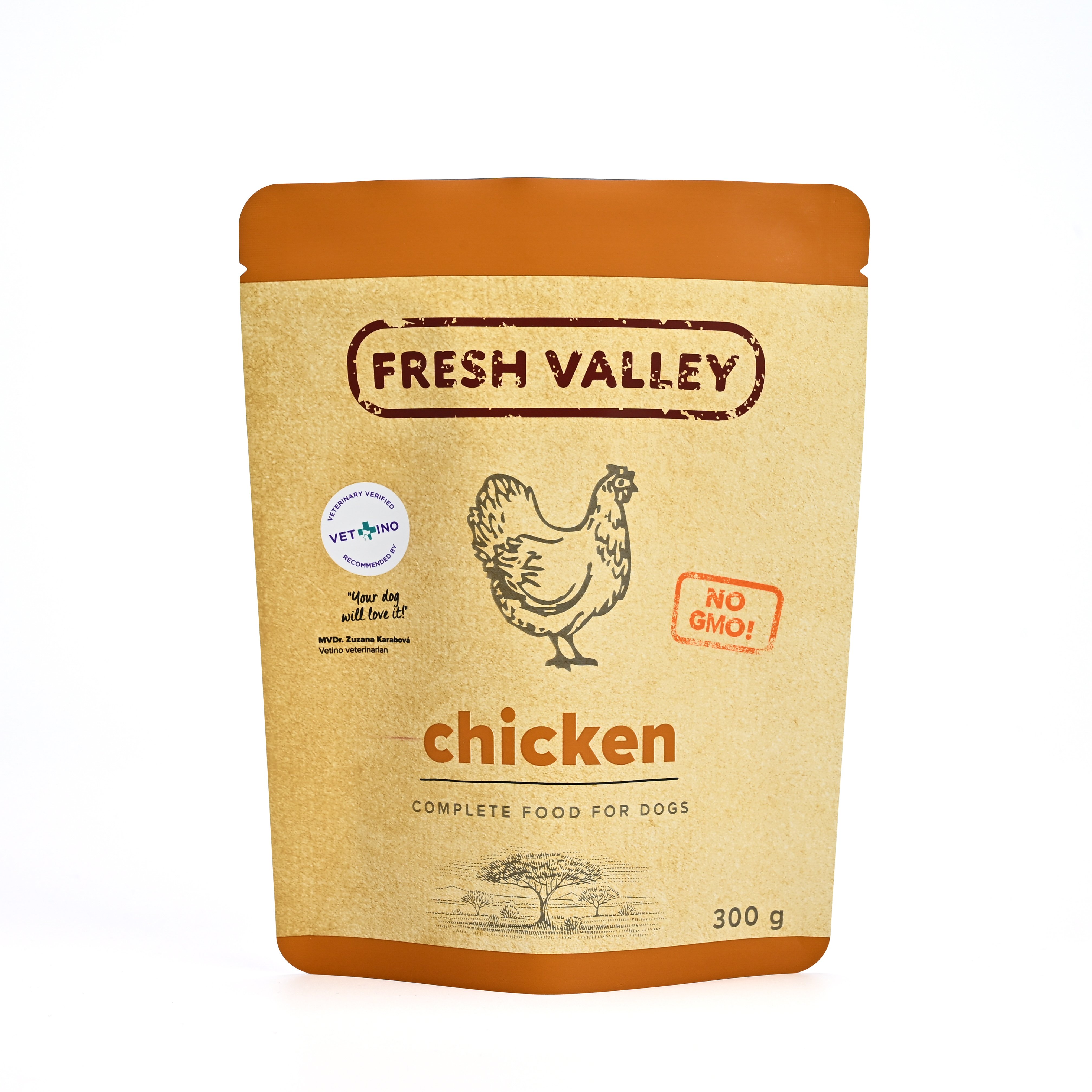
In the competitive pet industry, packaging decisions directly impact profitability and customer satisfaction. A pet food bag serves far more than aesthetic purposes—it determines how much product you can store, ship, and display on retail shelves. Among all available packaging solutions, flat bottom bags have emerged as a superior choice for businesses seeking to maximize volume while simultaneously minimizing shipping costs. Understanding how a pet food bag with a flat bottom construction works reveals why this design has become the gold standard for pet food manufacturers and distributors worldwide.
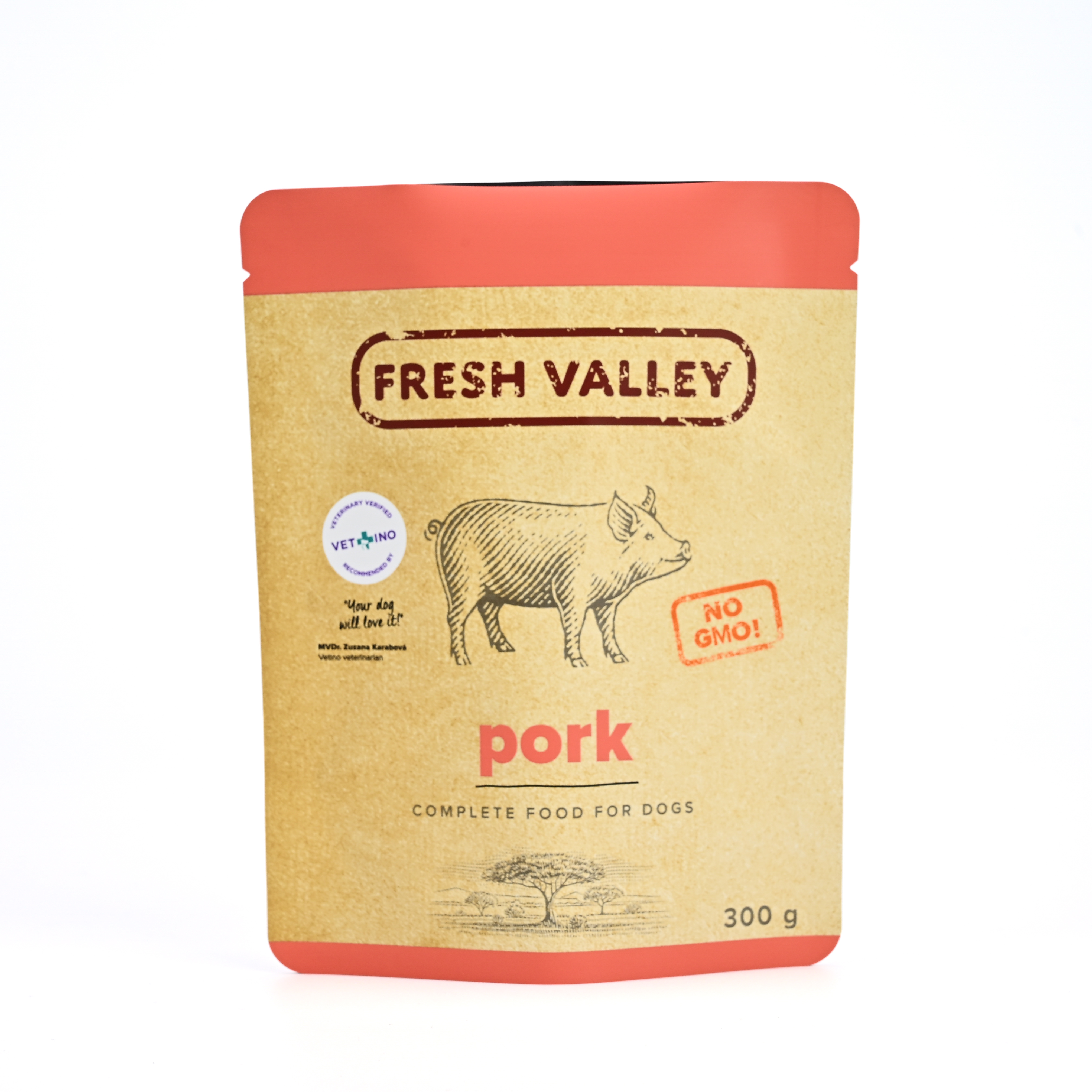
The innovation of a pet food bag featuring a flat bottom represents a fundamental shift in how companies approach packaging efficiency. Traditional round-bottom bags waste significant floor space and create unstable storage arrangements, whereas a flat bottom bag sits securely on shelves and warehouse floors. This stability translates directly into operational advantages that extend throughout the entire supply chain. By choosing the right pet food bag design, businesses unlock hidden efficiencies that compound across thousands of units, ultimately strengthening their competitive position in an increasingly cost-conscious market.
How Flat Bottom Design Increases Storage Capacity
Superior Space Utilization in Warehousing
A pet food bag with a flat bottom creates a rectangular footprint that optimizes warehouse storage arrangements. Unlike conventional bags that require special stacking techniques or risk tipping over, a flat bottom bag stacks predictably and securely. This geometric advantage means warehouses can fit more units per pallet, per shelf, and per cubic foot of storage space. The rectangular shape of a pet food bag aligns perfectly with standard pallet dimensions, eliminating wasted gaps and air space. For facilities managing thousands of units daily, this seemingly small design improvement compounds into substantial cost savings through reduced storage requirements and faster inventory turnover.
Retail Display and Visual Appeal
Retailers and pet owners both benefit from the stable presentation a pet food bag provides on store shelves. A flat bottom bag stands upright independently without collapsing or requiring shelf dividers, allowing your pet food bag to occupy premium shelf position with visual prominence. This stability encourages customers to pick up and examine the product, boosting impulse purchases. The professional appearance of a well-designed pet food bag also reinforces brand credibility and justifies premium pricing. When consumers see a pet food bag displayed confidently on shelves rather than slouching in a bin, they perceive higher quality and greater trustworthiness, influencing purchasing decisions in your favor.
Reducing Shipping Costs Through Weight and Volume Optimization
Lower Per-Unit Dimensional Weight Charges
Shipping carriers increasingly charge based on dimensional weight, which penalizes inefficient packaging that consumes excess space. A traditional pet food bag often requires oversized boxes or creates air gaps during containerization, pushing shipments into higher dimensional weight brackets. Conversely, a flat bottom bag's compact rectangular profile fits efficiently into shipping containers with minimal wasted space. This allows pet food bag shipments to accommodate more units within standard box dimensions, directly lowering dimensional weight charges. For businesses shipping thousands of units monthly, reducing dimensional weight by even one percent generates five-figure annual savings, making pet food bag design optimization a critical financial decision.
Enhanced Pallet Density and Freight Optimization
When a pet food bag is designed with a flat bottom, it becomes stackable in patterns that maximize pallet height and footprint utilization. A strategically packed pallet holding a pet food bag can accommodate 30-40 percent more units compared to round-bottom alternatives, fundamentally changing freight economics. This increased density means fewer shipments are required to deliver the same total volume, reducing transportation costs per unit significantly. Whether using less-than-truckload (LTL) or full-truckload (FTL) services, optimized pallet arrangements directly reduce your freight spend. The pet food bag that stacks efficiently becomes a cost-saving tool that benefits your business throughout the entire distribution channel.
Strategic Advantages in Competitive Market Dynamics
Building Cost Advantage and Pricing Flexibility
The cumulative savings generated by superior pet food bag design create competitive advantages that extend beyond internal operations. When your pet food bag costs less to store, ship, and display than competitors' alternatives, you gain pricing flexibility in a price-sensitive market. These savings allow you to either maintain higher margins or undercut competitor pricing while protecting profitability. A pet food bag that maximizes efficiency also enables faster production cycles, allowing your business to respond quickly to market demand shifts. In industries where margins are tight and competition is fierce, the structural advantages of a well-engineered pet food bag can determine long-term success and market share growth.
Sustainability and Brand Alignment
Modern consumers increasingly favor brands demonstrating environmental responsibility, and a pet food bag designed for efficiency delivers measurable sustainability benefits. Reduced shipping weight means lower carbon emissions per unit delivered, aligning your brand with eco-conscious values that resonate with premium pet owners. A pet food bag that requires fewer shipments also translates to less packaging material, further reducing your environmental footprint. When your pet food bag combines efficiency with sustainability, you strengthen brand reputation while simultaneously improving financial performance. This alignment between profitability and responsibility makes the choice of pet food bag design increasingly strategic for forward-thinking businesses.
FAQ
What exact improvements does a flat bottom pet food bag provide over round-bottom designs?
A flat bottom pet food bag increases shelf-stable storage by 25-40 percent compared to round-bottom alternatives, while simultaneously reducing shipping dimensional weight. The rectangular footprint of a pet food bag aligns with standard pallet and shelf dimensions, eliminating wasted space. Round-bottom bags require special stacking arrangements and consume valuable floor and shelf real estate, making a flat bottom pet food bag the clear winner for operational efficiency and cost reduction.
How much can a business realistically save by switching to flat bottom pet food bag packaging?
Savings vary based on shipping volume and current packaging practices, but typical pet food bag optimization generates 8-15 percent reductions in total packaging and logistics costs. For a business shipping 100,000 units annually, this translates to tens of thousands of dollars in annual savings. A pet food bag that improves warehouse density alone can reduce storage facility requirements or free up capacity for additional inventory, delivering additional ROI beyond direct shipping cost reductions.
Are there any disadvantages to choosing a flat bottom pet food bag design?
The primary consideration when selecting a pet food bag is ensuring your manufacturing equipment is compatible with flat bottom production, which may require tooling adjustments. However, most modern pet food bag manufacturers readily support flat bottom configurations, and the long-term cost benefits far outweigh initial setup investments. A pet food bag with flat bottom construction offers no meaningful drawbacks for quality or product protection, making it a universally recommended choice for serious cost optimization.