 EN
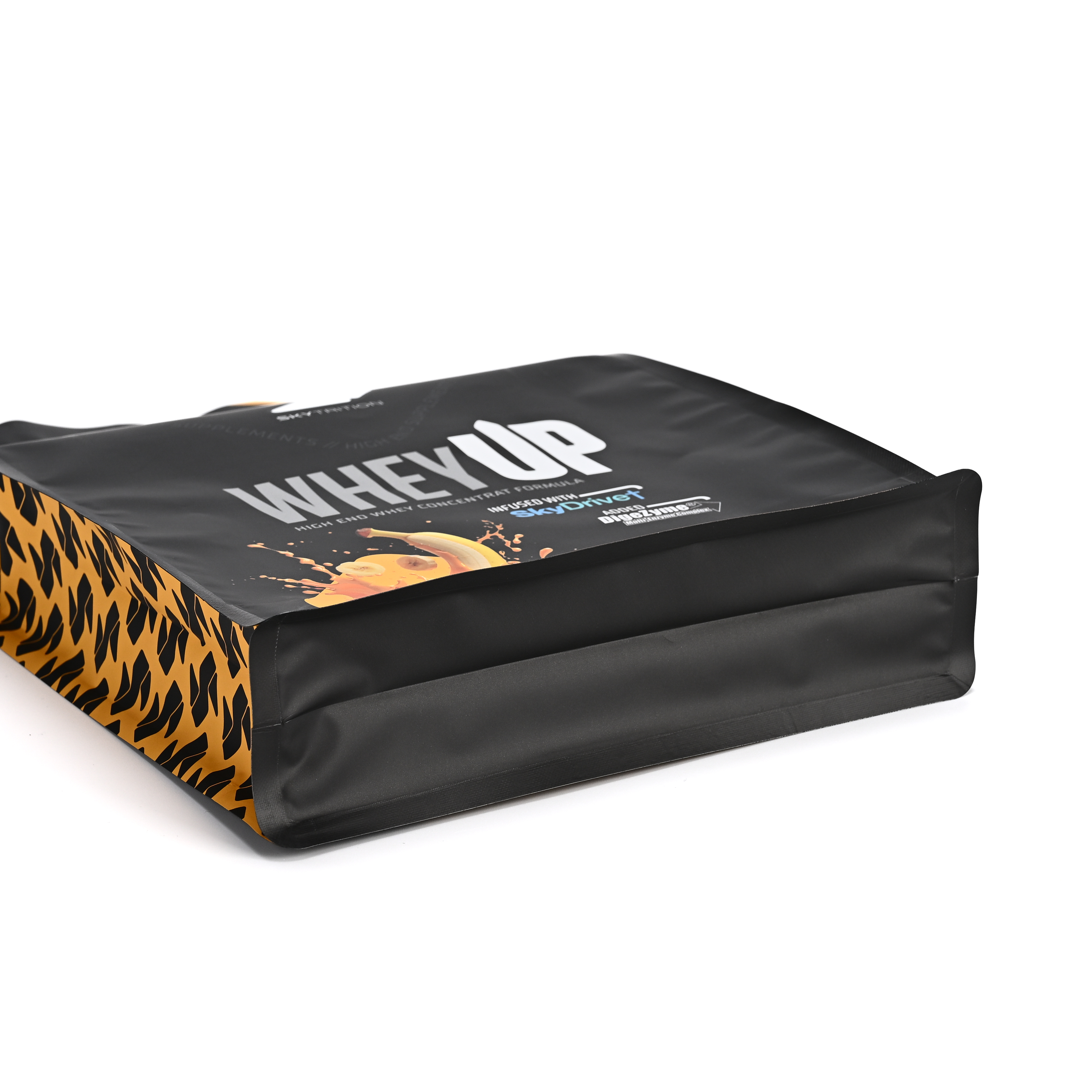
When sourcing packaging for your B2B operations, selecting the right flat bottom bag can significantly impact product presentation, brand perception, and operational efficiency. A flat bottom bag offers stability and professional appearance, making it an ideal choice for businesses in food, pet treats, coffee, spices, and other dry goods sectors. However, understanding the full spectrum of flat bottom bag customization options available in the market is essential to making an informed purchasing decision that aligns with your brand standards and budget constraints.
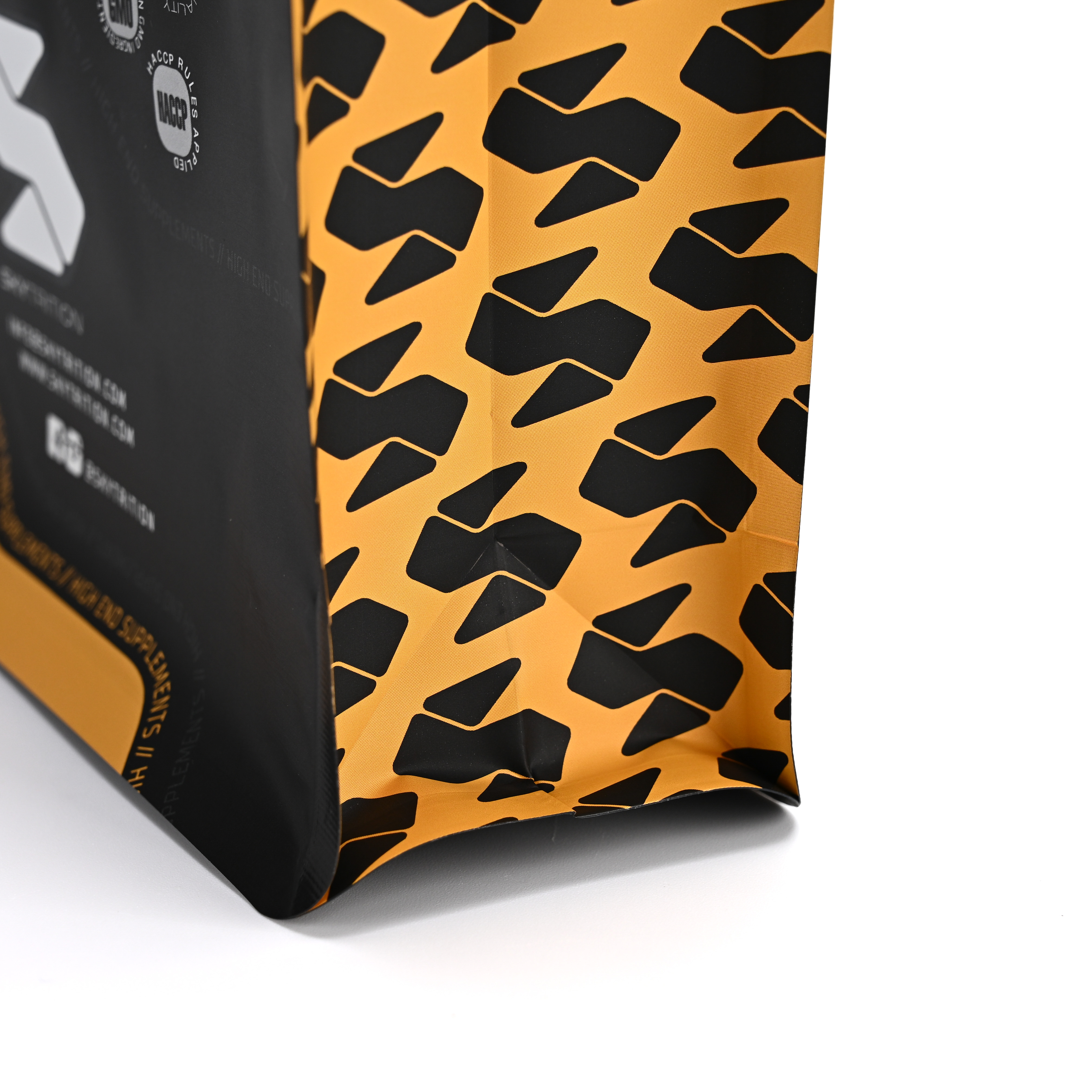
The flat bottom bag market has evolved dramatically over the past decade, with manufacturers now offering unprecedented levels of customization to meet diverse B2B requirements. Whether you need specific dimensions, unique material compositions, specialized printing techniques, or functional features like resealable closures and degassing valves, today's suppliers can deliver tailored solutions. This comprehensive guide walks B2B buyers through the essential customization parameters for a flat bottom bag, helping you navigate vendor selection and specification development with confidence.
Material Selection and Performance Characteristics
Core Material Options for Flat Bottom Bags
The material composition of your flat bottom bag directly influences product protection, shelf appeal, environmental impact, and cost structure. Most manufacturers offer several base material choices, each with distinct performance profiles. Kraft paper-based flat bottom bags provide excellent eco-friendly positioning and biodegradability, appealing to environmentally conscious B2B buyers. Polyethylene (PE) films offer superior moisture and oxygen barriers, ensuring longer shelf life for sensitive products. Metalized polyester laminates deliver premium appearance and enhanced barrier properties, ideal for premium product positioning in the flat bottom bag category.
When evaluating flat bottom bag material options, consider your product's specific preservation requirements. Dry goods may require basic moisture protection, while sensitive items like specialty coffee or organic spices demand multi-layer barrier structures. Many suppliers offer food-grade certifications for flat bottom bags intended for direct food contact, ensuring compliance with FDA and international food safety regulations. Thickness customization—typically ranging from 70 to 200 microns for plastic-based flat bottom bags—allows you to balance material cost, durability, and environmental footprint.
Barrier Technology and Shelf Life Extension
Advanced barrier technologies have become standard offerings in modern flat bottom bag customization. Oxygen barriers prevent oxidation and rancidity, crucial for nuts, seeds, and premium pet treats. Moisture barriers protect hygroscopic products from humidity absorption. Flat bottom bags equipped with these advanced barriers often justify premium pricing through extended product shelf life and reduced spoilage. Light-blocking capabilities in a flat bottom bag protect light-sensitive products like vitamins and supplements from degradation.
Specialized flat bottom bag suppliers now offer recyclable barrier solutions addressing sustainability concerns without compromising performance. These materials maintain barrier integrity comparable to traditional laminates while supporting circular economy initiatives. As a B2B buyer, specifying barrier requirements upfront ensures your chosen flat bottom bag supplier invests in the appropriate machinery and quality control processes to deliver consistent protection.
Printing, Design, and Brand Customization
Printing Techniques and Visual Impact
The visual presentation of your flat bottom bag represents a critical brand touchpoint, directly influencing consumer perception and retail shelf performance. Gravure printing—the highest-volume printing technology for commercial flat bottom bags—delivers exceptional color vibrancy, fine detail reproduction, and cost efficiency for large production runs. This technique suits B2B buyers planning significant order volumes, typically 100,000 units or higher, where printing cylinder costs are amortized across the entire run.
Flexographic printing offers a more economical entry point for a flat bottom bag customization project, with lower setup costs making smaller batches (typically 20,000+ units) financially viable. Digital printing technology has emerged as a game-changer for a flat bottom bag, enabling short-run production with full-color artwork customization without traditional printing plates. This approach suits B2B buyers testing market variations or managing seasonal product launches with different packaging designs. When selecting your flat bottom bag printing method, align technology choice with production volume, timeline, and budget parameters.
Design Elements and Functional Features
Beyond base printing, a flat bottom bag can incorporate numerous design enhancements that improve functionality and brand presence. Window cutouts allow consumers to see product contents, critical for whole-bean coffee, premium spice blends, and pet treats. Custom dye-cut shapes and unusual formats distinguish your flat bottom bag on retail shelves, though requiring higher minimum orders. Embossing and UV coating effects add tactile sophistication to a flat bottom bag, justified for premium product positioning.
Functional labels, information panels, and ingredient sections must be strategically positioned across your flat bottom bag surface to meet regulatory requirements while maintaining visual hierarchy. QR codes, augmented reality elements, and variable data printing increasingly appear on modern flat bottom bags, connecting physical packaging to digital brand experiences. As a B2B buyer, discuss these design possibilities during vendor consultation to identify which enhancements align with your brand strategy and consumer engagement objectives.
Closure Systems and Operational Considerations
Resealable Closure Options
Resealable closures transform a flat bottom bag from single-use to multi-trip packaging, adding substantial consumer value. Ziplock closures represent the most common resealable option for flat bottom bags, available in various seal widths and functionality levels. Heat-sealable closures provide cost-effective alternatives where consumers use permanent sealing rather than repeated opening. Press-to-close zippers, slider mechanisms, and adhesive tear strips each offer different convenience levels and cost implications for your flat bottom bag specification.
Choosing the right closure for your flat bottom bag requires understanding consumer usage patterns and product category expectations. Pet treat bags typically demand robust ziplock systems, while coffee flat bottom bags may employ fold-over designs with tape seals. As a B2B buyer, test closure reliability under your product's specific conditions—humidity, temperature variations, and handling stress—before finalizing your flat bottom bag specification. Some suppliers offer closure testing reports demonstrating seal integrity after multiple open-close cycles.
Valve Systems and Specialized Features
Degassing valves represent a critical innovation for certain flat bottom bag applications, particularly fresh-roasted coffee packaging. These one-way valves allow carbon dioxide to escape during product off-gassing while preventing oxygen ingress, maintaining freshness without requiring expensive nitrogen flushing. Adding degassing valves to your flat bottom bag does increase unit cost but often justifies premium pricing through extended shelf life and superior product quality perception.
Additional specialized features available for flat bottom bag customization include hanging holes for retail display, tear notches for easier opening, and anti-tamper seals for security-conscious applications. Desiccant packet compartments within flat bottom bags protect moisture-sensitive contents. When evaluating these features, consider actual consumer usage, regulatory requirements, and cost-benefit implications. Not every feature applies universally; selecting relevant additions ensures your flat bottom bag delivers optimal value without unnecessary complexity or cost.
Sizing, Capacity, and Dimensional Specifications
Custom Dimension Development
Standard flat bottom bag sizes rarely match every business requirement perfectly, making custom dimensional specifications a common requirement. A flat bottom bag's capacity depends on gusset width (side expansion), body width, and height, with manufacturers offering virtually unlimited combinations. Width typically ranges from 60mm to 300mm, while height varies from 100mm to 500mm, accommodating everything from small snack portions to bulk consumer packages. Gusset depth—the expansion when the bag stands flat—ranges from 10mm to 100mm, directly affecting how much product your flat bottom bag can contain.
Developing the right dimensions for your flat bottom bag requires balancing product weight, shelf space allocation, and consumer perception. Oversized bags appear underfilled and wasteful; undersized bags may not accommodate sufficient product or present poorly on shelves. Work with your supplier to create prototype flat bottom bags and test them with actual product to verify weight distribution, visual appearance, and structural integrity. This iterative approach prevents costly mistakes in production-scale orders.
Volume and Minimum Order Quantities
Minimum order quantities for a flat bottom bag vary significantly based on complexity and customization level. Basic monochrome flat bottom bags may require only 10,000 units, while full-color printed versions with multiple features typically demand minimums of 50,000 to 100,000 units. Digital printing technology has lowered entry barriers for small-batch flat bottom bag orders, often accommodating 5,000-unit minimums. Understanding these thresholds helps B2B buyers plan inventory appropriately and negotiate favorable pricing across multiple production cycles.
Scaling up your flat bottom bag orders typically unlocks per-unit cost reductions, making annual volume commitments strategically important. Many suppliers offer tiered pricing structures for flat bottom bags, with substantial savings at volume plateaus like 250,000 and 500,000 units. As a B2B buyer, calculate total annual consumption projections before finalizing supplier partnerships, as higher volumes often justify switching to more efficient production technologies for your flat bottom bag.
Quality Standards and Compliance Requirements
Food Safety and Regulatory Compliance
B2B buyers sourcing flat bottom bags for food, pet treats, or dietary supplements must verify regulatory compliance across multiple jurisdictions. FDA food contact material certification represents the baseline requirement for any flat bottom bag intended for direct food contact. Some suppliers provide third-party testing reports confirming migration limits for harmful substances, ensuring your flat bottom bag meets stringent food safety requirements. European Union Regulation (EC) 10/2011 establishes plastic material standards that affect many flat bottom bag imports into EU markets.
Beyond material certification, your flat bottom bag must comply with labeling regulations specific to product category and destination market. Net weight declarations, ingredient disclosures, allergen statements, and nutritional information must fit clearly within your flat bottom bag's printable surface area. As a B2B buyer, coordinate with compliance specialists and your packaging supplier early to ensure label content and positioning meet all applicable requirements before production launch.
Quality Assurance and Defect Management
Establishing quality assurance protocols with your flat bottom bag supplier protects against costly defects during production or after delivery. Key quality metrics include seal strength testing, burst strength verification, and print quality consistency. Many professional suppliers implement statistical process control for flat bottom bag production, with documented sampling plans and acceptance criteria. Request detailed quality specifications for your flat bottom bag before placing large orders, including acceptable defect rates for printing, sealing, and dimensional consistency.
Pre-production samples allow B2B buyers to verify specifications before full-scale manufacturing. These prototypes should include your actual product, allowing real-world testing of seal integrity, product visibility, and structural performance. Budget sufficient time for sample evaluation and revision cycles; rushing to production often results in expensive mid-run changes or complete batch rejections, significantly impacting project economics.
Cost Optimization and Supplier Negotiation
Pricing Factors and Cost Drivers
Understanding the cost structure of flat bottom bag manufacturing empowers B2B buyers to negotiate effectively and identify genuine value. Material costs typically represent 40-50% of the final flat bottom bag price, with printing, sealing, and finishing accounting for the remainder. Custom features like degassing valves or complex die cuts significantly increase per-unit costs; prioritize only features genuinely essential for your product and market positioning. Flat bottom bag orders from established suppliers often qualify for volume discounts, particularly when committing to consistent annual purchases.
Seasonality and production scheduling influence flat bottom bag pricing substantially. Ordering during off-peak periods or committing to consistent monthly volumes often yields 10-15% price reductions compared to sporadic large orders. As a B2B buyer, developing annual demand forecasts and sharing these projections with suppliers enables better planning and pricing. Some manufacturers offer slightly higher unit costs but provide superior service and reliability, justifying premium pricing through reduced disruption risk.
Long-Term Partnership Development
Building sustainable relationships with capable flat bottom bag suppliers creates mutual value through improved forecasting, technical collaboration, and pricing stability. Share your growth projections; suppliers investing in your success often become more flexible on minimum orders and technical support. Regular business reviews examining quality metrics, delivery performance, and cost structure ensure both parties benefit from the partnership. For critical applications, consider developing backup suppliers for your flat bottom bag to protect against single-source disruption.
Transparent communication about budget constraints helps suppliers propose realistic solutions for your flat bottom bag requirements. Rather than requesting impossible cost reductions, discuss specific features that could be simplified or eliminated without compromising core functionality. Many suppliers can suggest material alternatives, printing technique switches, or design modifications that maintain your vision while improving economics for flat bottom bag orders.
FAQ
What is the typical lead time for custom flat bottom bag orders?
Lead times for custom flat bottom bag production typically range from 4 to 8 weeks, depending on complexity and order volume. Simple designs with standard dimensions may complete in 3-4 weeks, while complex multi-color flat bottom bag projects with custom features require longer timelines. Rush options exist for urgent flat bottom bag needs but typically incur 15-30% premiums and may limit customization options. Always clarify lead time expectations during supplier negotiation to align with your product launch timeline.
Can flat bottom bags be produced with 100% recyclable materials?
Yes, fully recyclable flat bottom bag options are increasingly available from progressive manufacturers. Monolayer polyethylene flat bottom bags are inherently recyclable, though barrier performance may be compromised for sensitive products. Some suppliers offer multi-layer structures using compatible plastic types that recycling facilities can process together, maintaining both performance and environmental responsibility for your flat bottom bag. Verify specific recyclability claims with local waste management systems, as recycling infrastructure varies significantly by region.
What minimum order quantity should I expect for custom flat bottom bags?
Minimum order quantities for custom flat bottom bags typically range from 10,000 to 50,000 units, varying by supplier and complexity. Standard designs with basic printing may allow 10,000-unit minimums, while highly customized flat bottom bags with specialized features often require 50,000+ units. Digital printing technology has reduced minimums for some suppliers, allowing 5,000-unit orders for limited-run flat bottom bag projects. Discuss your volume requirements with potential suppliers early; some offer flexible minimums for larger annual commitments even if individual orders are smaller.