 EN
EN
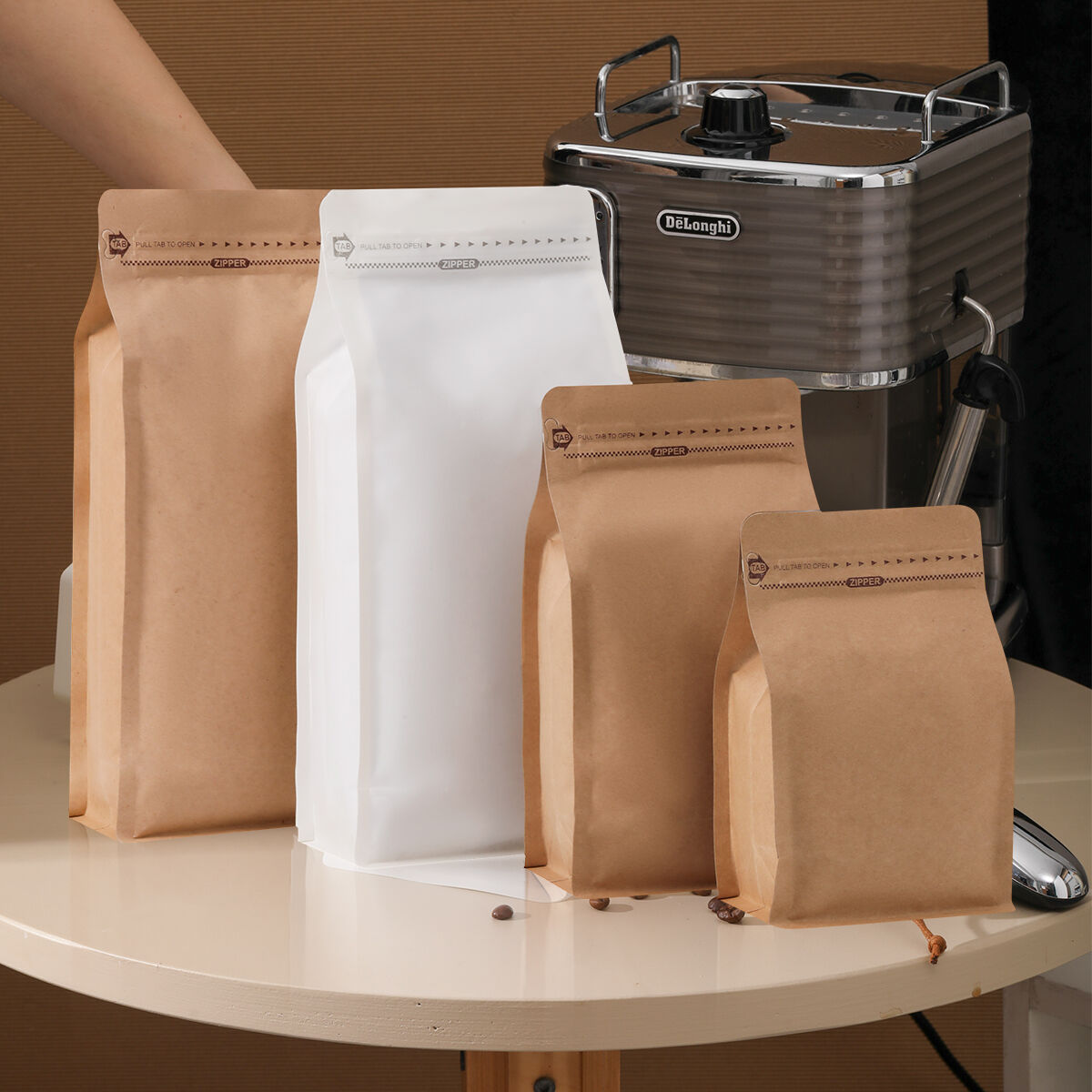
The global coffee packaging industry has experienced tremendous growth, with businesses increasingly turning to custom printed coffee bags to differentiate their products in competitive markets. When sourcing these specialized packaging solutions from China, companies must navigate various considerations to ensure quality, compliance, and brand alignment. Understanding the key factors involved in this process can significantly impact your product's success and customer satisfaction.
Material Quality and Food Safety Standards
Food Grade Certification Requirements
When selecting custom printed coffee bags from Chinese manufacturers, ensuring food grade certification stands as the paramount concern. Legitimate suppliers should provide comprehensive documentation including FDA approval, EU compliance certificates, and local Chinese food safety standards verification. These certifications guarantee that the packaging materials meet international safety requirements for direct food contact applications.
The materials used in custom printed coffee bags typically include multilayer laminates combining polyethylene, aluminum foil, and polyester films. Each layer serves specific functions such as moisture barrier protection, oxygen resistance, and structural integrity. Reputable manufacturers will provide detailed material specifications including migration test results and heavy metals analysis to ensure complete food safety compliance.
Barrier Properties and Preservation Performance
Coffee preservation depends heavily on the barrier properties of custom printed coffee bags, particularly their ability to prevent oxygen transmission, moisture ingress, and aroma loss. High-quality bags should demonstrate oxygen transmission rates below 0.01 cc/m²/day and water vapor transmission rates under 0.01 g/m²/day. These specifications ensure optimal coffee freshness throughout the product's shelf life.
Advanced barrier technologies incorporate metallized films or aluminum foil layers that provide superior protection against light, oxygen, and moisture. When evaluating potential suppliers, request detailed technical data sheets outlining barrier performance under various temperature and humidity conditions. This information becomes crucial for maintaining product quality during transportation and storage across different climates.
Printing Technology and Color Management
Advanced Printing Capabilities
Modern custom printed coffee bags require sophisticated printing technologies to achieve vibrant colors, sharp graphics, and consistent brand representation. Leading Chinese manufacturers utilize rotogravure printing, flexographic printing, or digital printing systems capable of producing up to 10 colors with precise registration and color consistency across large production runs.
The printing process for custom printed coffee bags involves careful color matching using Pantone color systems and ICC color profiles to ensure brand color accuracy. Experienced suppliers maintain standardized printing conditions including ink viscosity, printing pressure, and drying temperatures to deliver consistent results throughout production cycles.
Durability and Scratch Resistance
Custom printed coffee bags must withstand various handling conditions from manufacturing through retail display without compromising print quality. Premium printing processes incorporate protective overprint varnishes or lamination layers that provide scratch resistance, chemical resistance, and UV protection to prevent color fading during extended storage periods.
Quality testing procedures should include abrasion resistance tests, solvent resistance evaluation, and accelerated aging studies to verify print durability. Suppliers should demonstrate their commitment to quality through comprehensive testing protocols and provide certification documents validating their printing performance standards.
Manufacturing Capabilities and Production Scalability
Production Capacity Assessment
Evaluating manufacturing capabilities becomes essential when selecting suppliers for custom printed coffee bags, particularly regarding their ability to handle varying order volumes and seasonal demand fluctuations. Established manufacturers typically maintain multiple production lines with monthly capacities ranging from 10 million to 50 million pieces, enabling them to accommodate both startup brands and large-scale operations.
Modern production facilities incorporate automated bag-making machinery, quality control systems, and inventory management capabilities that ensure consistent output quality and delivery reliability. When assessing potential partners, consider their equipment age, maintenance protocols, and backup capacity arrangements to minimize production disruption risks.
Customization Flexibility and Design Support
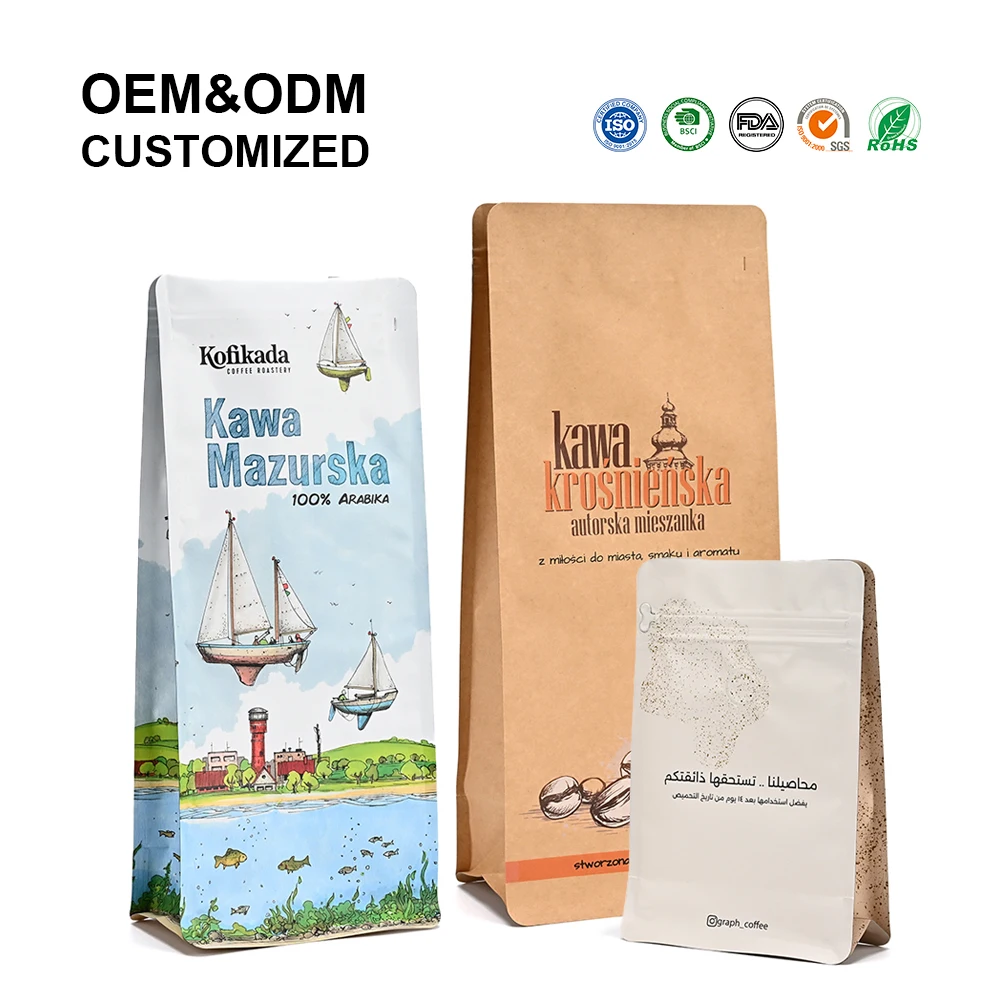
Leading suppliers of custom printed coffee bags offer comprehensive design support services including structural engineering, graphic design assistance, and prototype development capabilities. These services prove invaluable for brands seeking unique packaging solutions that differentiate their products while maintaining functional performance requirements.
Customization options typically encompass bag sizes, closure mechanisms, valve systems, and special features such as tear notches or easy-open systems. Experienced manufacturers maintain design libraries showcasing various structural options and can provide technical guidance regarding optimal bag configurations for different coffee products and market segments.
Quality Control Systems and Testing Protocols
Comprehensive Inspection Procedures
Reliable suppliers implement rigorous quality control systems throughout the production process for custom printed coffee bags, incorporating raw material inspection, in-process monitoring, and finished product testing. These systems typically include incoming material verification, print quality assessment, seal strength testing, and dimensional accuracy verification to ensure consistent product quality.
Advanced quality management systems utilize statistical process control methods, automated inspection equipment, and documented corrective action procedures to identify and address quality variations promptly. Suppliers should provide detailed quality control documentation including test certificates, inspection reports, and process capability studies demonstrating their commitment to quality excellence.
Third-Party Validation and Certifications
Professional manufacturers often engage third-party testing laboratories to validate their custom printed coffee bags performance against international standards and customer specifications. These independent assessments provide objective verification of barrier properties, seal integrity, print quality, and food safety compliance, offering additional confidence in supplier capabilities.
Common certifications include ISO 9001 quality management systems, BRC food safety standards, and FDA registration for food contact materials. When evaluating suppliers, review their certification portfolio and audit history to ensure alignment with your quality requirements and regulatory obligations.
Supply Chain Management and Logistics Considerations
Lead Time Management and Planning
Effective supply chain management for custom printed coffee bags requires careful coordination of material procurement, production scheduling, and shipping arrangements to meet customer delivery requirements. Typical lead times range from 15 to 25 days for standard orders, with rush production capabilities available for urgent requirements at premium pricing.
Successful suppliers maintain strategic inventory levels of common raw materials and printing plates to reduce lead times for repeat orders. They also provide detailed production schedules and milestone tracking systems that enable customers to monitor order progress and plan their packaging requirements accordingly.
International Shipping and Documentation
Sourcing custom printed coffee bags from China involves comprehensive logistics planning including shipping method selection, customs documentation preparation, and delivery coordination. Experienced suppliers typically offer complete export services including commercial invoices, packing lists, certificates of origin, and any required regulatory documentation for smooth customs clearance.
Shipping options generally include sea freight for large volume orders, air freight for urgent deliveries, and express courier services for sample shipments. Professional suppliers maintain relationships with reliable freight forwarders and can provide delivered duty paid pricing to simplify the procurement process for international customers.
Cost Optimization and Value Engineering
Pricing Structure Analysis
Understanding the cost components of custom printed coffee bags enables informed decision-making and effective budget planning. Major cost factors include raw materials (typically 40-50% of total cost), printing setup charges, tooling expenses, labor costs, and overhead allocations. Volume discounts generally range from 10-25% depending on order quantities and long-term commitment levels.
Value engineering opportunities often exist through material optimization, design simplification, and production efficiency improvements. Experienced suppliers can recommend cost-effective alternatives that maintain quality standards while reducing overall packaging costs, such as optimizing bag dimensions, reducing color count, or standardizing closure systems.
Total Cost of Ownership Considerations
Beyond initial purchase prices, total cost analysis for custom printed coffee bags should include shipping costs, inventory carrying costs, quality-related expenses, and potential disruption costs from supply issues. Premium suppliers may command higher unit prices but deliver superior value through consistent quality, reliable delivery, and comprehensive service support.
Long-term partnerships often provide cost advantages through volume commitments, reduced setup charges, and collaborative improvement initiatives. When evaluating suppliers, consider their willingness to invest in relationship development and continuous improvement programs that benefit both parties over extended periods.
FAQ
What minimum order quantities are typical for custom printed coffee bags from Chinese manufacturers
Most Chinese manufacturers require minimum order quantities ranging from 10,000 to 50,000 pieces for custom printed coffee bags, depending on bag size, complexity, and printing requirements. Standard sizes and simple designs typically have lower minimums, while specialized features or unique dimensions may require higher quantities. Some suppliers offer reduced minimums for new customers or sample orders, though unit pricing will be higher for smaller quantities.
How long does the sampling and approval process typically take
The sampling process for custom printed coffee bags usually takes 7-10 days from artwork approval to sample production, plus 3-5 days for international shipping. Digital proofs can be provided within 24-48 hours for initial design review. Multiple revision rounds may extend the timeline, so providing complete specifications and high-quality artwork initially helps expedite the approval process. Some suppliers maintain sample inventory of common styles to reduce sampling time.
What certifications should I verify when selecting a Chinese supplier
Essential certifications include FDA food contact compliance, EU food safety standards, ISO 9001 quality management, and BRC packaging standards. Additionally, verify the supplier's business license, export credentials, and any industry-specific certifications relevant to your market. Request current certificate copies and verify their validity through issuing authorities. Reputable suppliers willingly provide comprehensive documentation and welcome third-party audits of their facilities.
How can I ensure consistent color matching across production runs
Consistent color matching requires establishing approved color standards using Pantone color references or physical color samples. Work with suppliers who maintain color matching equipment and standardized lighting conditions for color evaluation. Request color approval samples from each production run and establish acceptable color tolerance ranges. Professional suppliers maintain detailed color formulations and printing parameters to ensure repeatability across multiple production cycles.