 EN
EN

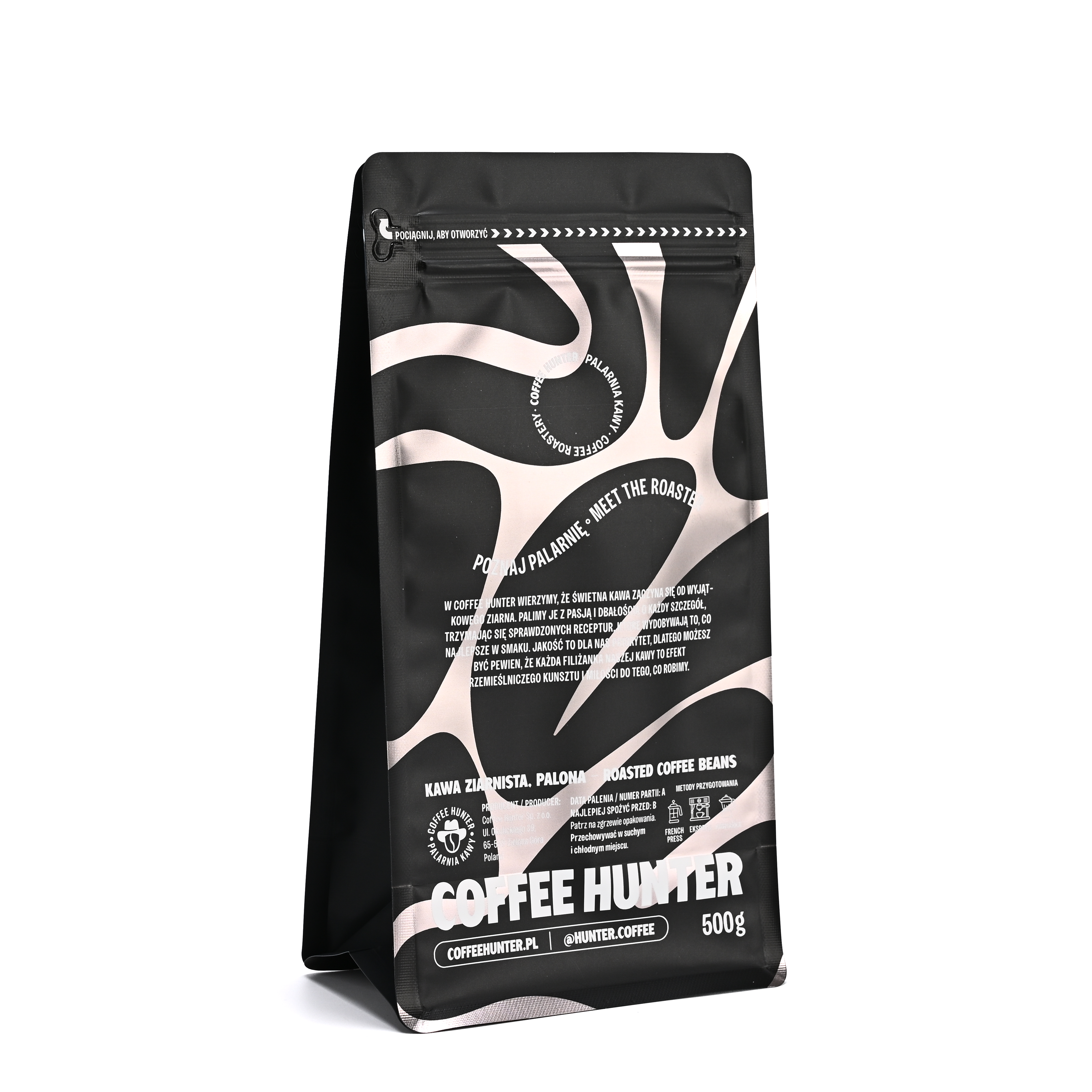
Selecting the right coffee bag valve is essential for preserving the quality and freshness of coffee beans from the moment they are packaged until they reach the consumer. A properly chosen coffee bag valve prevents oxidation, maintains aroma, and extends shelf life significantly. Without the correct valve system, even the highest-quality coffee beans can deteriorate rapidly, losing their distinctive flavor profile and aromatic characteristics. Understanding the mechanics and benefits of different valve types empowers businesses and consumers to make informed decisions that directly impact the final product quality.
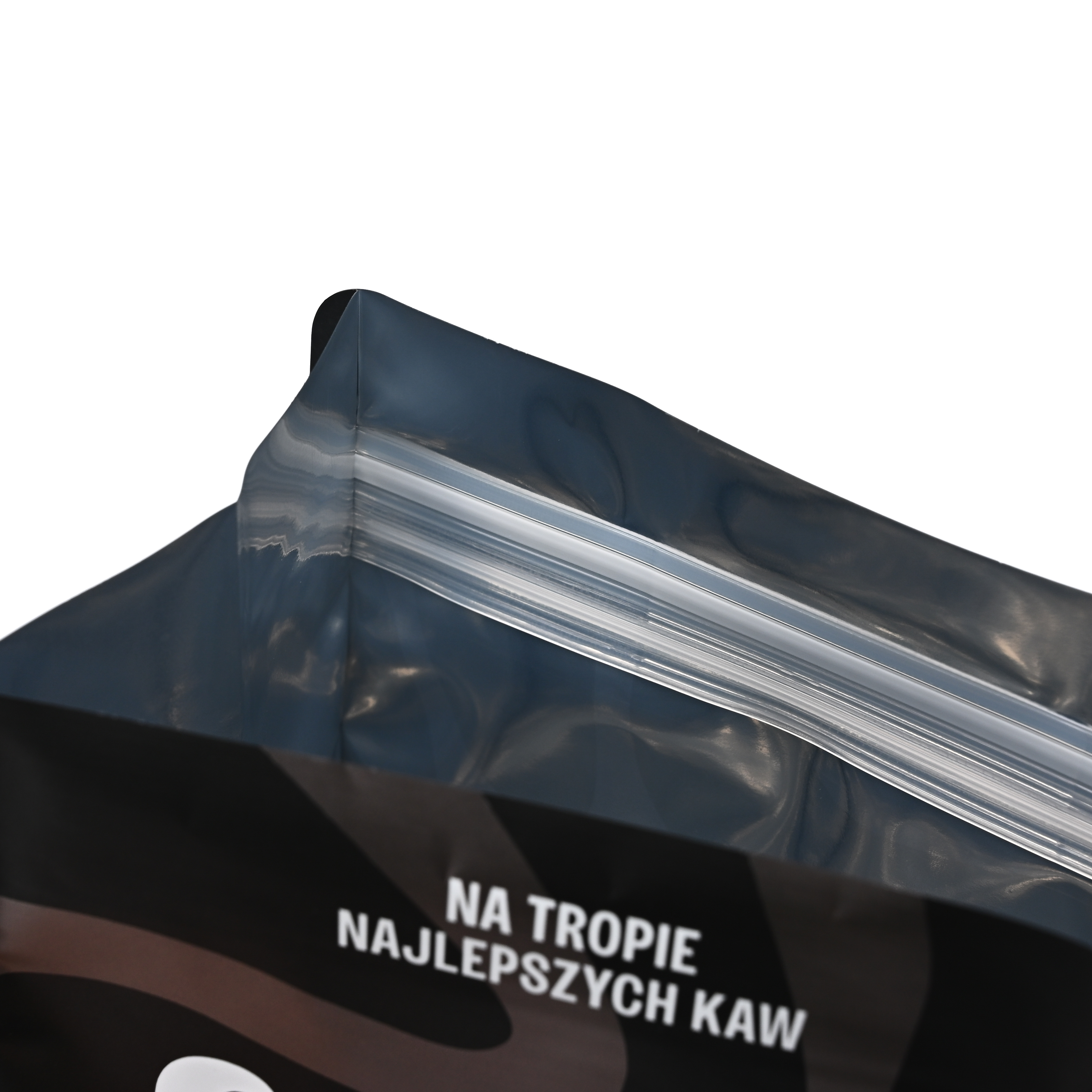
The coffee bag valve serves as a one-way membrane that releases carbon dioxide produced during the degassing process while preventing external oxygen from entering. This specialized design is particularly crucial during the first two weeks after roasting, when coffee releases the most gas. A coffee bag equipped with a proper valve maintains optimal internal pressure, slows down oxidation, and preserves the complex flavors that consumers expect. The difference between a coffee bag with an effective valve and one without can mean the loss of thousands of dollars in product value across a production batch.
Understanding Coffee Bag Valve Types and Functions
One-Way Degassing Valves and Their Mechanism
A one-way degassing valve is the most common choice for specialty coffee packaging. This type of coffee bag valve allows carbon dioxide to escape while blocking oxygen entry through a specially designed membrane. The membrane typically consists of silicone rubber or polyethylene material that opens at specific pressure points when internal CO₂ levels rise. For a coffee bag, this mechanism is critical because it prevents the buildup of pressure that could burst the package or compromise its structural integrity.
The effectiveness of a one-way coffee bag valve depends on its pressure threshold and sealing quality. High-quality valves feature precision engineering to ensure they open only when necessary and maintain a tight seal at rest. When selecting a coffee bag with this valve type, verify that the valve has been tested to withstand the typical degassing timeline of roasted beans. Poor-quality versions may leak prematurely or fail to open adequately, both scenarios resulting in either stale coffee or packaging failure.
Micro-Valve Systems for Extended Shelf Life
Micro-valve technology represents an advanced evolution in coffee bag packaging solutions. These ultra-small valves use pinhole openings combined with specialized membranes to control gas exchange with extreme precision. A coffee bag featuring micro-valve technology can maintain freshness for six to twelve months, far exceeding standard valve performance. This innovation has transformed the specialty coffee market, enabling international distribution without significant quality loss.
The micro-valve design in a coffee bag operates on principles similar to standard valves but with tighter tolerance engineering. The membrane aperture is measured in micrometers, allowing only CO₂ molecules to escape while effectively blocking larger oxygen molecules. This level of control makes the coffee bag suitable for long-distance shipping and extended retail shelf periods. Roasters who require extended distribution capabilities should prioritize micro-valve equipped packaging.
Material Composition and Durability Considerations
Membrane Materials and Their Impact on Coffee Preservation
The material used in the coffee bag valve membrane directly influences its effectiveness and longevity. Silicone rubber membranes offer excellent elasticity and can withstand repeated pressure cycles without degradation. These materials maintain their sealing properties even when exposed to temperature fluctuations that occur during shipping and storage. A coffee bag with a silicone-based valve typically maintains seal integrity throughout the intended shelf-life period without requiring special storage conditions.
Polyethylene and specialty polymer membranes represent alternative options for coffee bag valve construction. These materials often provide superior resistance to moisture and lipid degradation from coffee oils. When evaluating a coffee bag, consider the specific environmental conditions where it will be stored. High-humidity environments may benefit from polyethylene-based valves, while temperature-sensitive locations favor silicone alternatives. Understanding the chemical compatibility between the valve material and coffee bean composition ensures optimal performance.
Structural Integrity and Packaging Compatibility
A coffee bag valve must be structurally compatible with the overall packaging design to function effectively. The valve needs to be securely bonded to the bag material using appropriate adhesives or heat-sealing techniques. Poor installation compromises the seal and defeats the purpose of selecting a high-quality valve. When choosing a coffee bag with integrated valve technology, verify that the manufacturer uses validated bonding methods that have been tested for reliability across various bag materials and sizes.
The position of the valve within the coffee bag layout also affects functionality. Placing the valve too low can trap moisture-laden air near the bottom of the bag, while positioning it too high may cause it to become blocked by beans. Professional packaging designers position the coffee bag valve in the upper portion to optimize gas flow while preventing physical obstruction. This attention to detail separates premium packaging solutions from standard options in the competitive specialty coffee market.
Selection Criteria and Best Practices for Implementation
Matching Valve Type to Product Characteristics and Distribution Timeline
Selecting the appropriate coffee bag valve requires understanding the specific characteristics of the coffee being packaged and the intended distribution model. Light roasts with higher acid content and volatile aromatics benefit from premium one-way valves that provide rapid degassing without excessive oxygen exposure. Medium and dark roasts, which produce less CO₂, may perform adequately with standard valve specifications, potentially reducing packaging costs. A coffee bag designed for local distribution within two weeks can use less sophisticated valve technology than one intended for international shipment.
The intended retail shelf-life is perhaps the most important factor in choosing the right coffee bag valve system. Products designed to be consumed within one month require baseline valve functionality to manage initial degassing. However, a coffee bag marketed for six-month shelf stability demands premium micro-valve technology or advanced barrier materials. This alignment between valve sophistication and market positioning ensures that consumers receive the quality they expect while preventing unnecessary packaging expenses.
Testing and Quality Verification Standards
Before committing to any coffee bag valve supplier, establish testing protocols that verify valve performance under realistic conditions. Pressure decay testing measures how effectively the valve maintains internal oxygen levels over extended periods. Gas chromatography analysis can confirm that residual oxygen inside the coffee bag remains below critical thresholds. A reputable supplier of coffee bag valves should provide documentation of these tests and allow independent verification.
Quality assurance processes should include random sampling and inspection of valve seal integrity throughout production runs. A coffee bag from each batch should undergo accelerated shelf-life testing to confirm that the valve system performs as specified. Sample bags can be stored under temperature-stressed conditions to simulate extended shipping and warehouse environments. This rigorous approach prevents costly recalls and protects brand reputation in markets where freshness claims are central to product positioning.
FAQ
How long does a typical coffee bag valve keep coffee fresh?
A standard one-way coffee bag valve typically maintains optimal freshness for four to eight weeks after roasting. Micro-valve technology can extend this period to six to twelve months under proper storage conditions. The actual timeframe depends on the roast level, bean density, storage temperature, and humidity. Once the coffee bag is opened, the valve no longer functions, and the remaining coffee should be consumed within one to two weeks for best flavor.
Can I reuse a coffee bag with a valve?
Reusing a coffee bag valve is generally not recommended because the valve's sealing effectiveness is compromised after initial opening. The membrane may become stretched or damaged during the first opening, reducing its ability to prevent oxygen entry on subsequent uses. If you wish to reuse a coffee bag, transfer the beans to a new airtight container with a fresh valve rather than relying on the original coffee bag valve. This approach ensures maximum freshness protection for remaining inventory.
What causes a coffee bag valve to fail?
A coffee bag valve can fail due to manufacturing defects, improper installation, exposure to extreme temperatures, or physical damage during handling. Chemical degradation of the membrane material over time, particularly from prolonged exposure to coffee oils and acids, can reduce valve effectiveness. Blockage by coffee particles or moisture accumulation at the valve opening prevents proper gas exchange. Storage in excessively humid or hot environments accelerates valve degradation, which is why proper warehouse conditions are essential for maintaining coffee bag integrity throughout the supply chain.