 EN
EN

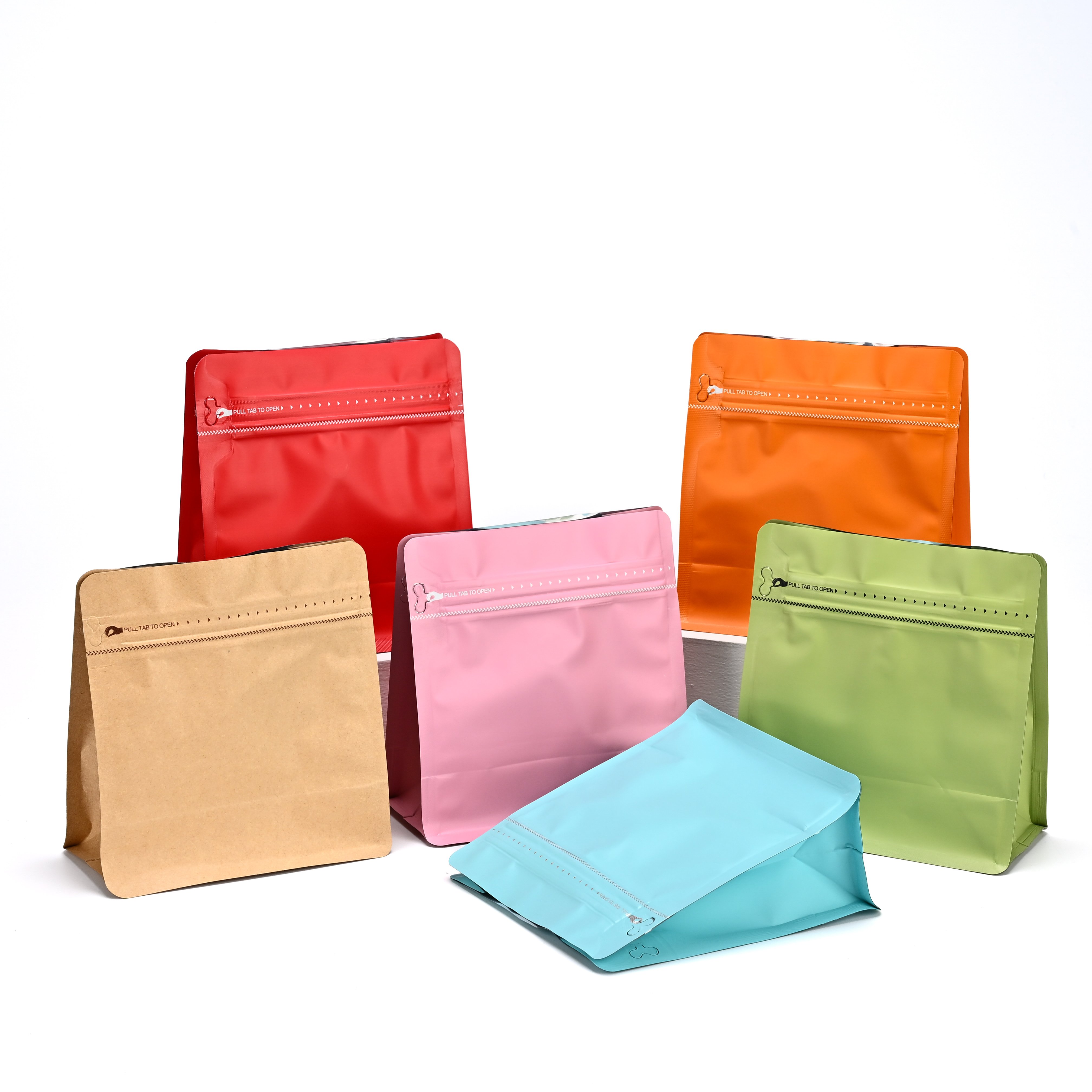
A flat bottom bag represents a significant advancement in flexible packaging design, offering structural benefits that directly improve how products perform on retail shelves. Unlike traditional pillow bags, the flat bottom bag provides a stable foundation that keeps products upright, visible, and accessible to customers. This structural innovation has become essential for brands seeking competitive advantage in crowded retail environments where shelf presence determines purchase decisions.
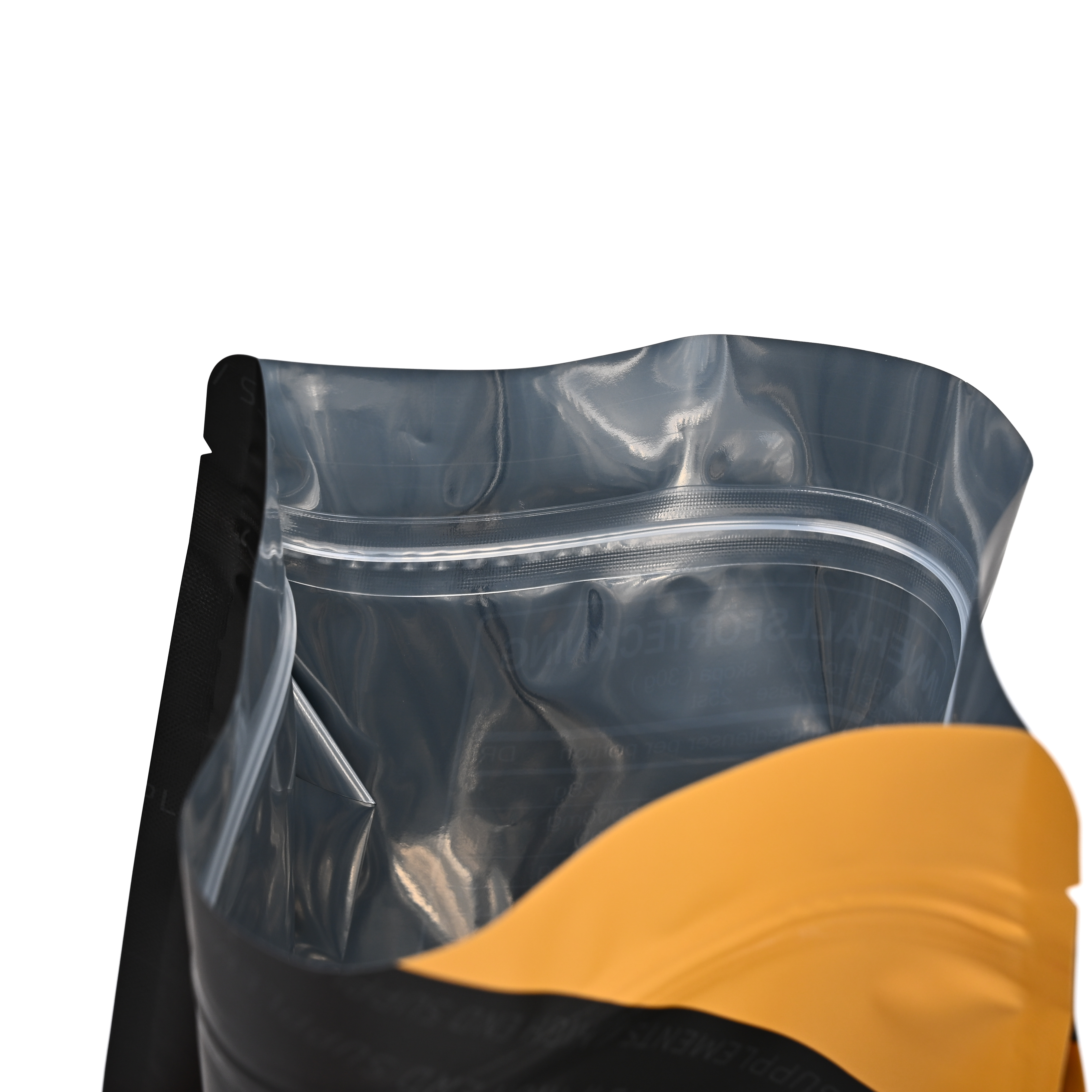
The flat bottom bag design combines functional benefits with visual appeal, creating a package that performs efficiently while commanding shelf space. When manufacturers choose a flat bottom bag for their product line, they gain immediate advantages in display stability, brand visibility, and customer perception. Understanding these structural advantages helps business decision-makers evaluate packaging options that align with retail requirements and brand positioning.
Structural Design and Stability Benefits
Foundation Strength and Shelf Performance
The flat bottom bag owes its stability advantage to its engineered base structure, which distributes weight evenly across a flat, rigid surface. This contrasts sharply with pillow bags, which collapse or shift when stacked on shelves, causing products to tumble or become hidden behind adjacent items. A flat bottom bag maintains its shape throughout the supply chain, from warehouse storage to retail display, ensuring consistent shelf positioning. The gusseted sides of a flat bottom bag expand to accommodate product volume while maintaining structural integrity, creating a self-supporting package that requires no additional shelf apparatus or external support.
Weight Distribution and Product Protection
The flat bottom bag's construction distributes product weight across a broader base area, reducing stress concentration at any single point. This weight distribution mechanism protects both the package and the product inside, minimizing damage during transportation, stacking, and customer handling. When a flat bottom bag sits on a retail shelf, its flat foundation absorbs pressure uniformly, preventing corner damage or seal failure that commonly affects rounded-bottom alternatives. This structural resilience extends product shelf life and reduces waste from damaged inventory, directly improving profitability for retailers and manufacturers alike.
Retail Display Advantages and Customer Engagement
Visibility and Shelf Presence
Retail success depends heavily on product visibility, and a flat bottom bag delivers superior shelf presence compared to alternative packaging formats. Because a flat bottom bag stands upright naturally without external support, it occupies vertical space more efficiently, allowing retailers to display more units in the same linear footage. This vertical visibility makes products more noticeable to customers browsing at eye level, directly increasing impulse purchases and brand awareness. The flat bottom bag's stability also prevents the shifting and toppling that diminish shelf appeal when products lean or fall behind neighboring items. Retailers appreciate this stability because a flat bottom bag reduces staff time spent rearranging displays and maintains professional shelf appearance throughout sales periods.
Brand Presentation and Label Impact
A flat bottom bag provides a consistently flat front surface that displays brand graphics, product information, and marketing messages with perfect clarity. Unlike crumpled or collapsed pillow bags, a flat bottom bag presents a professional, premium appearance that communicates quality to potential buyers. The flat bottom bag design allows brands to use larger label areas, incorporating detailed product descriptions, usage instructions, and visual branding elements that influence purchasing decisions. This presentation advantage proves especially valuable in competitive categories where multiple brands vie for customer attention within a small shelf section.
Operational Efficiency and Cost Implications
Supply Chain Optimization
The structural advantages of a flat bottom bag extend throughout the entire supply chain, reducing handling complexity and operational costs. Because a flat bottom bag maintains its shape during transportation, warehouses can stack units more efficiently, maximizing storage density and reducing cubic footage requirements. The stability of a flat bottom bag minimizes product movement during transit, reducing the risk of damage that necessitates replacement or reshipping. Retailers benefit equally, as a flat bottom bag requires minimal shelf preparation and no additional merchandising support infrastructure. These efficiency gains accumulate across thousands of handling cycles, creating measurable cost savings that justify investment in premium packaging design.
Consumer Handling and Reusability
Consumer experience extends beyond the retail shelf, and a flat bottom bag delivers practical advantages during customer use. The rigid base of a flat bottom bag allows products to stand independently on kitchen countertops, pantry shelves, and storage spaces, providing convenience that collapsible alternatives cannot match. Many consumers appreciate the flat bottom bag's ability to remain upright while dispensing product, whether for dry foods, pet treats, or personal care items. Additionally, the robust construction of a flat bottom bag means the package often remains useful after consumption, supporting brand loyalty and positive word-of-mouth marketing. These consumer-facing benefits create emotional connections to the brand and differentiate products in segments where packaging experience influences repeat purchasing.
FAQ
How does a flat bottom bag differ structurally from a pillow bag?
A flat bottom bag features a distinctly engineered base with flat gussets that create a stable foundation, whereas a pillow bag has rounded, sealed edges that collapse under weight. The flat bottom bag's gusseted construction allows the base to expand and maintain shape, while pillow bags fold inward when empty or during storage. This fundamental structural difference means a flat bottom bag stands independently on shelves, while pillow bags require external support or careful positioning to remain visible and accessible to customers.
What product categories benefit most from flat bottom bag packaging?
Dry goods represent the primary application for flat bottom bag packaging, including pet treats, coffee, snacks, cereals, and specialty foods. Plant-based products, supplements, and personal care items also perform exceptionally well in flat bottom bag formats. Any product requiring prominent shelf display, extended shelf life, and professional brand presentation gains significant advantage from the structural benefits of a flat bottom bag, particularly in competitive retail categories where packaging differentiation influences purchase decisions.
Can flat bottom bag design accommodate variable product volumes?
Yes, the gusseted side panels of a flat bottom bag expand flexibly to accommodate different product quantities while maintaining structural integrity and shelf stability. Manufacturers can design a flat bottom bag for a specific volume range, allowing the package to look full and professional regardless of minor variations in fill weight. This flexibility makes the flat bottom bag an economical solution for product lines with multiple size options or variable fill specifications.