 EN
EN

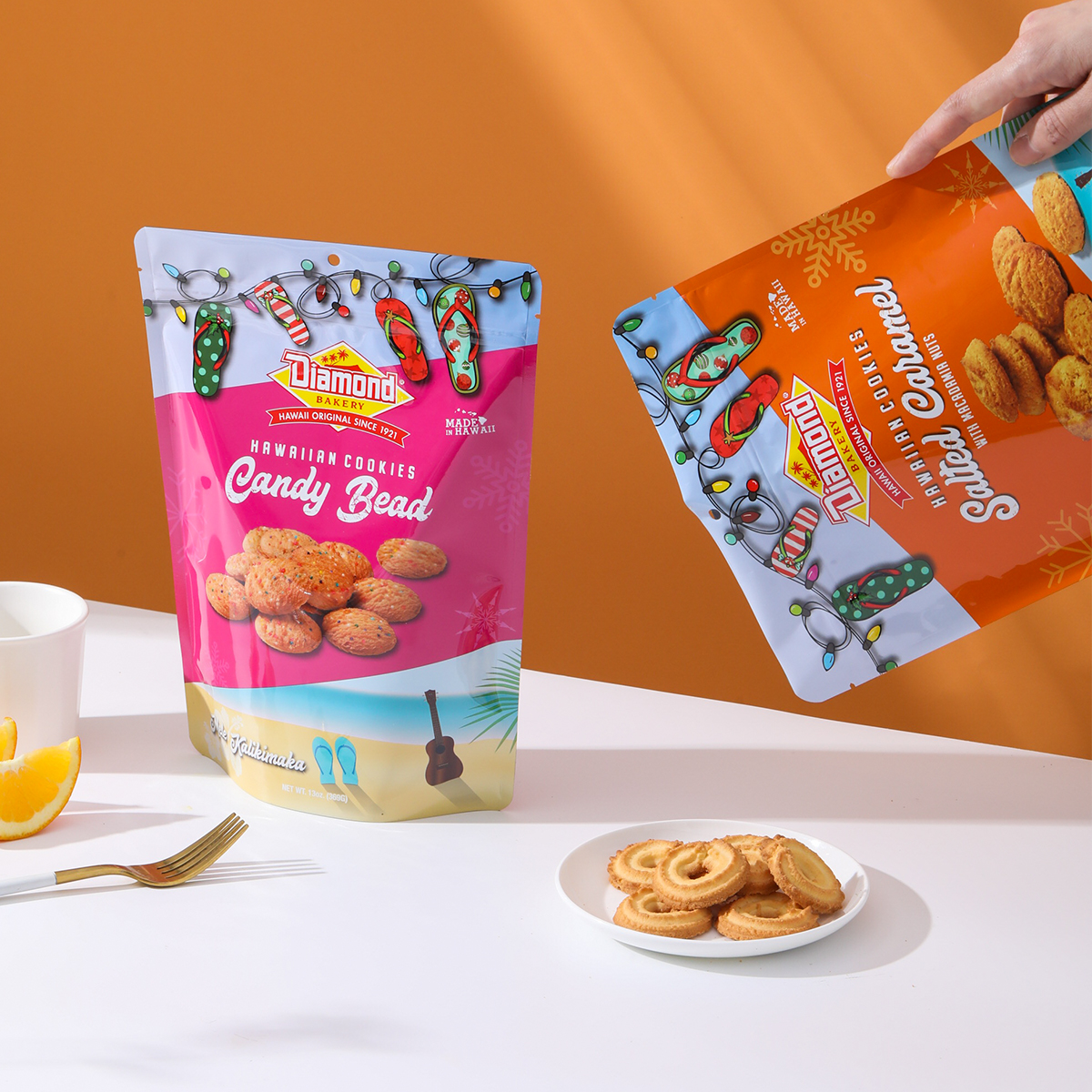
Automated filling systems have revolutionized food production efficiency, yet many manufacturers still struggle with food bag performance in these high-speed environments. A food bag designed for manual filling often creates bottlenecks, jams equipment, or fails to maintain seal integrity under machine pressure. The difference between adequate and optimized food bag performance can directly impact production throughput, waste reduction, and profitability. Understanding how to optimize your custom food bag for automated filling is essential if you want to maximize line speed, minimize downtime, and protect product quality throughout distribution.
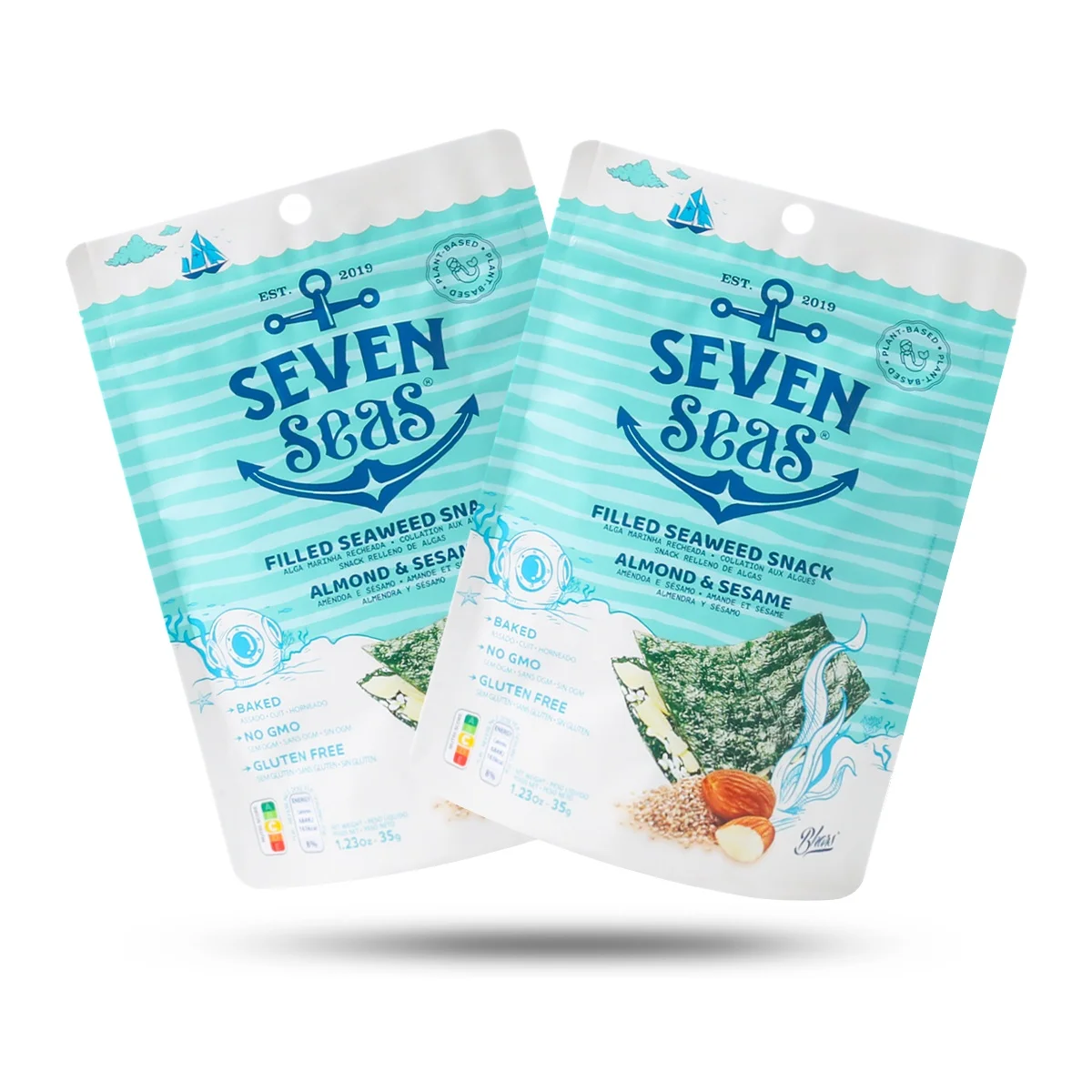
The process of optimizing a custom food bag for machine filling requires careful attention to material properties, dimensional specifications, and structural design. Every food bag that enters your filling line must meet precise tolerances and perform consistently across thousands of cycles per day. When a food bag lacks proper optimization, you risk product spillage, seal failures, and expensive machine maintenance. This guide walks you through the key strategies for designing a food bag that works seamlessly with your automated systems while maintaining product protection and brand presentation.
Material Selection and Film Properties for Food Bag Performance
Understanding Film Thickness and Durability
The material composition of your custom food bag directly affects how it behaves during automated filling. A food bag must have sufficient thickness to withstand machine pressure and conveyor friction without tearing, yet thin enough to keep costs manageable. Most automated systems require film thickness between 50 and 120 microns, depending on product weight and filling speed. When you specify your food bag material, request precise thickness uniformity, as variations create weak points where the bag may fail during filling or transport. High-quality materials ensure your food bag maintains consistent performance across your entire production run.
Barrier Properties and Seal Strength
Automated filling systems apply heat and pressure during sealing, making seal strength a critical property of any food bag. Your custom food bag requires film that bonds reliably under consistent machine parameters without brittleness or delamination. Moisture barrier and oxygen barrier properties must be specified according to your product shelf life requirements. A food bag with inadequate barrier performance allows product degradation, reducing shelf life and damaging customer satisfaction. When selecting materials for your food bag, confirm that the film supplier has validated performance data for heat-seal compatibility with your specific machine equipment.
Design Specifications for Automated Filling Compatibility
Dimensional Tolerances and Geometry
Precision dimensions are fundamental to any food bag that functions reliably in automated systems. Your custom food bag must maintain tight tolerances on width, depth, and gusset dimensions, typically within plus or minus 2 millimeters. Gusset design significantly impacts how a food bag feeds into filling nozzles and conveyor systems. Symmetrical gussets ensure the food bag opens evenly and sits flat on the machine bed during the filling cycle. When you design your food bag, work directly with your filling machine operator to confirm that your specified dimensions match the machine's opening clamp width and seal jaw positions. Mismatched food bag dimensions cause jams, misaligned seals, and production delays.
Bottom Configuration and Stability
The bottom seal and gusset configuration of your custom food bag determines how securely it sits on the filling machine platform. Most automated systems require a food bag with a center-bottom seal or expanded gussets that create a flat, stable base. If your food bag lacks proper bottom support, it will shift during filling, causing product to spill and seals to misalign. Reinforced bottom panels in your food bag design improve structural integrity under the weight of filled product. A food bag with a well-engineered bottom configuration minimizes product waste and prevents machine operators from needing manual adjustments during production.
Functional Features That Enable Automation
Fill Line Opening and Zipper Compatibility
Many food bags are designed with resealable features like zipper closures or snap-lock mechanisms, but these must be compatible with automated filling requirements. Your custom food bag must open to a consistent width that allows the filling nozzle to deliver product without obstruction. When you include a zipper in your food bag design, ensure it is positioned sufficiently away from the top seal line so that the heat seal does not compromise the zipper mechanism. Press-to-close zippers on a food bag add consumer convenience but require precise placement to avoid interference with automated sealing. Test your food bag prototype extensively with your filling equipment before full production to confirm that all features perform as intended.
Anti-Caking and Product Flow Features
Some products require internal features in your custom food bag to prevent clumping or uneven filling. Anti-caking films, conditioner bars, or flow-promoting additives can be incorporated into a food bag design to improve product distribution during and after filling. Your food bag may also benefit from textured internal surfaces that prevent static buildup or product adhesion. These features require careful specification to ensure they do not interfere with automated filling nozzles or create residue buildup on machine components. When you add functional features to your food bag, validate performance with test runs on your actual equipment.
Quality Control and Machine Integration Testing
Pre-Production Validation and Specification Approval
Before committing to large production runs, your custom food bag design must pass comprehensive validation testing on your automated filling line. Create test samples of your food bag and run them through at least 500 filling cycles to identify any design vulnerabilities. Monitor for consistent seal strength, dimensional stability, and product retention across all test cycles. Your food bag specification should include acceptance criteria for seal strength, burst pressure, and puncture resistance, all validated against your machine's operating parameters. This pre-production phase catches design issues that could otherwise result in costly downtime or product loss after full production launch.
Ongoing Performance Monitoring and Adjustment
Even after your food bag design is approved, ongoing monitoring ensures consistent performance as production volumes increase. Track metrics such as seal failure rates, fill accuracy, and machine downtime attributed to packaging issues. Your custom food bag should be evaluated quarterly to confirm that supplier materials and production methods remain consistent. If you notice performance degradation, work with your food bag manufacturer to identify whether the issue stems from material changes, tolerance drift, or machine maintenance needs. Proactive monitoring of your food bag performance prevents small issues from escalating into significant production problems.
FAQ
What is the ideal thickness for a food bag used in automated filling?
Most automated systems work optimally with food bag material between 50 and 120 microns thick. The specific thickness depends on your product weight, filling speed, and the pressure applied by your machine. Thicker film provides better durability and puncture resistance but increases material costs, while thinner film reduces weight but risks compromising structural integrity. Consult with your equipment manufacturer to determine the recommended film thickness range for your specific food bag application.
How do I ensure my custom food bag dimensions match my filling machine?
Request detailed specifications from your filling machine manufacturer regarding clamp width, seal jaw spacing, and nozzle positioning. Your custom food bag dimensions must align with these specifications, typically within plus or minus 2 millimeters. Before placing large production orders, always test prototypes of your food bag on your actual equipment to confirm proper fit and operation. Dimensional mismatches are a common cause of automated filling problems that can be easily prevented through validation testing.
Should I test my food bag design before full production?
Yes, testing is essential before scaling production of your custom food bag. Run at least 500 cycles of your food bag prototype through your filling line to identify design issues, seal failures, or compatibility problems. Testing your food bag design reduces the risk of costly production disruptions and helps you refine the specification before committing to large volumes. Manufacturers who skip this validation phase often face unexpected delays and quality issues that are expensive to resolve after production begins.