 EN
EN

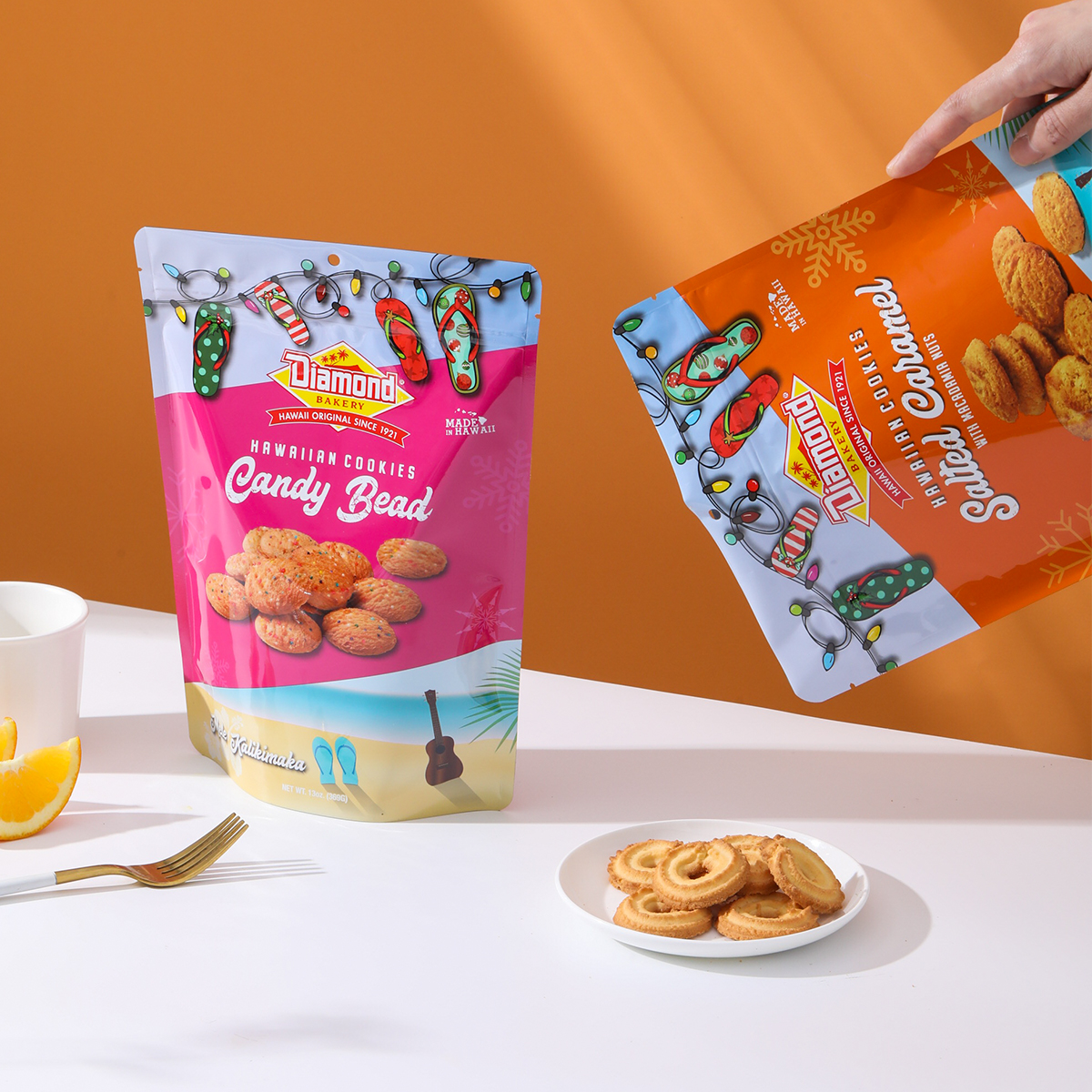
Sourcing wholesale food bags from international suppliers represents one of the most effective strategies for reducing production lead times while maintaining cost efficiency. When managing bulk packaging requirements, the ability to secure reliable food bag inventory quickly can determine whether your business meets market deadlines or falls behind competitors. Chinese suppliers have become dominant players in the wholesale food bag market, offering a combination of manufacturing scale, competitive pricing, and increasingly faster delivery cycles that make them indispensable partners for food businesses worldwide.
The challenge of reducing lead times for food bag procurement has shifted dramatically over the past decade. Traditional sourcing methods involving lengthy negotiations, unclear timelines, and multiple intermediaries created delays that frustrated supply chain managers. Today, working directly with established Chinese manufacturers of food bag products eliminates these friction points, allowing businesses to order, produce, and ship wholesale food bags in timeframes that would have been unthinkable a generation ago.
Understanding the Timeline Advantage of Chinese Food Bag Suppliers
Modern Production Capabilities
Chinese manufacturers specializing in food bag production have invested heavily in automation and process efficiency. A single facility may run dozens of production lines simultaneously, meaning that when you order a food bag batch, your order slots into an optimized schedule rather than waiting for dedicated setup. This parallel processing model dramatically compresses timelines compared to smaller regional producers who may need weeks just to prepare equipment for your specific food bag order.
The infrastructure supporting food bag manufacturing in China includes advanced machinery for extrusion, printing, and packaging that operates with minimal downtime. Quality control systems are integrated throughout production, eliminating the rework delays that plague less sophisticated food bag producers. For businesses needing custom printed food bags or specialized designs, these production facilities can execute complex artwork modifications without the extended turnaround times typical of less experienced food bag suppliers.
Supply Chain Logistics and Shipping Optimization
Beyond production speed, Chinese food bag suppliers benefit from world-class logistics infrastructure. Major manufacturing hubs sit within proximity to deep-water ports and international logistics hubs, meaning your food bag shipment moves to dock faster and secures reliable ocean freight schedules. The competitive landscape among shipping providers also drives down costs, so ordering bulk food bags doesn't necessitate prohibitively expensive express shipping to meet your deadlines.
Established food bag suppliers in China maintain relationships with freight forwarders who specialize in packaging shipments, ensuring that your food bag order receives appropriate handling and consolidation. This ecosystem reduces the ad hoc coordination that typically lengthens lead times when working with less integrated suppliers. Many professional food bag manufacturers now offer direct container shipping arrangements, allowing you to consolidate orders across multiple production runs into a single ocean freight shipment.
Strategic Factors for Accelerating Food Bag Procurement
Early Communication and Specification Clarity
Reducing lead times for food bag ordering begins long before you submit a purchase order. Providing food bag suppliers with detailed specifications, artwork files, and material requirements upfront eliminates back-and-forth clarification cycles that consume weeks. When suppliers understand exactly what food bag type you need—whether biodegradable variants, resealable designs, or custom dimensions—they can immediately allocate production resources without wasting time on assumptions.
Progressive food bag manufacturers maintain libraries of common production profiles and can rapidly scale orders when specifications align with standard configurations. If your food bag requirements match established parameters, suppliers can prioritize your order into the next available production window. This alignment between your needs and their proven capabilities represents the fastest path to reducing lead times for your food bag purchases.
Minimum Order Quantities and Batch Consolidation
While minimum order quantities for food bag products might initially seem like a constraint, they actually enable faster fulfillment timelines. Suppliers design their production schedules around economically viable batch sizes, which means larger food bag orders move through production faster than small custom batches. When you consolidate your annual food bag requirements into fewer, larger orders, you reduce per-unit overhead and production scheduling complexity, enabling suppliers to commit to aggressive lead times.
Strategic ordering of food bag supplies involves coordinating with your demand forecasts to place predictable, regular orders rather than reactive emergency requests. A food bag supplier can offer 4-6 week lead times for scheduled orders but may require 8-12 weeks for rush or custom food bag requests that disrupt normal production flow. By aligning your food bag procurement with anticipated demand, you transform supply chain predictability into a competitive advantage while simultaneously reducing your unit costs and lead times.
Risk Mitigation and Quality Assurance in Fast-Tracked Food Bag Orders
Quality Control Processes Under Compressed Timelines
Accelerating food bag lead times doesn't mean compromising on quality standards. Professional food bag manufacturers maintain rigorous testing protocols that operate in parallel with production rather than sequentially after manufacturing completes. For a food bag order, quality inspections begin as raw materials arrive, continue through production stages, and conclude with final packaging validation. This integrated approach means a food bag batch can move to shipment immediately upon completion without waiting for separate quality verification phases.
Reputable food bag suppliers maintain certifications such as ISO standards and food-contact material compliance documentation that reduce your need for independent verification. When ordering food bags, requesting copies of these certifications and previous test results allows you to proceed with confidence while suppliers focus on rapid production. A food bag supplier with transparent quality systems can accelerate timelines without sacrificing the material specifications and safety standards essential for food packaging applications.
Communication Protocols for Managing Lead Time Expectations
Clear communication structures prevent misunderstandings that commonly extend food bag lead times. Establishing a dedicated contact at your food bag supplier who understands your business requirements and constraints allows for rapid problem-solving if unexpected delays emerge. Many professional food bag manufacturers now offer real-time production tracking systems, allowing you to monitor your food bag order's progress through manufacturing, quality control, and shipping stages.
Building long-term relationships with food bag suppliers creates institutional knowledge that enables faster subsequent orders. When suppliers understand your business model, typical order timing, and material preferences, they can proactively propose food bag production schedules that align with your needs. Repeat customers often receive priority scheduling, effectively reducing their functional lead times below standard industry timelines.
FAQ
What lead time improvements can I realistically expect when ordering wholesale food bags from China?
Most businesses experience 30-50% lead time reductions when transitioning from regional food bag suppliers to established Chinese manufacturers. Standard food bag orders typically complete in 4-6 weeks including production and international shipping, compared to 10-16 weeks from smaller suppliers. The specific timeline depends on order size, customization complexity, and whether your food bag specifications align with the supplier's standard production capabilities.
How do I ensure my food bag order doesn't get delayed during international shipping?
Select food bag suppliers who provide transparent communication about shipping status and maintain relationships with experienced freight forwarders specializing in packaging. Request that your food bag supplier handle all export documentation and arrange container shipment directly to your facility whenever possible. Most professional food bag manufacturers offer port-to-door delivery options that eliminate multiple handling transfers and associated delays in your food bag shipment.
Can custom printed food bags be produced faster than standard options?
Custom printed food bags typically require the same production timeline as standard bags, provided your artwork is finalized and approved before manufacturing begins. The printing happens in-line during food bag production rather than as a post-production step, so advanced artwork preparation actually enables faster order completion. Many food bag suppliers maintain pre-established print configurations that can execute custom designs without extended setup delays.