 EN
EN

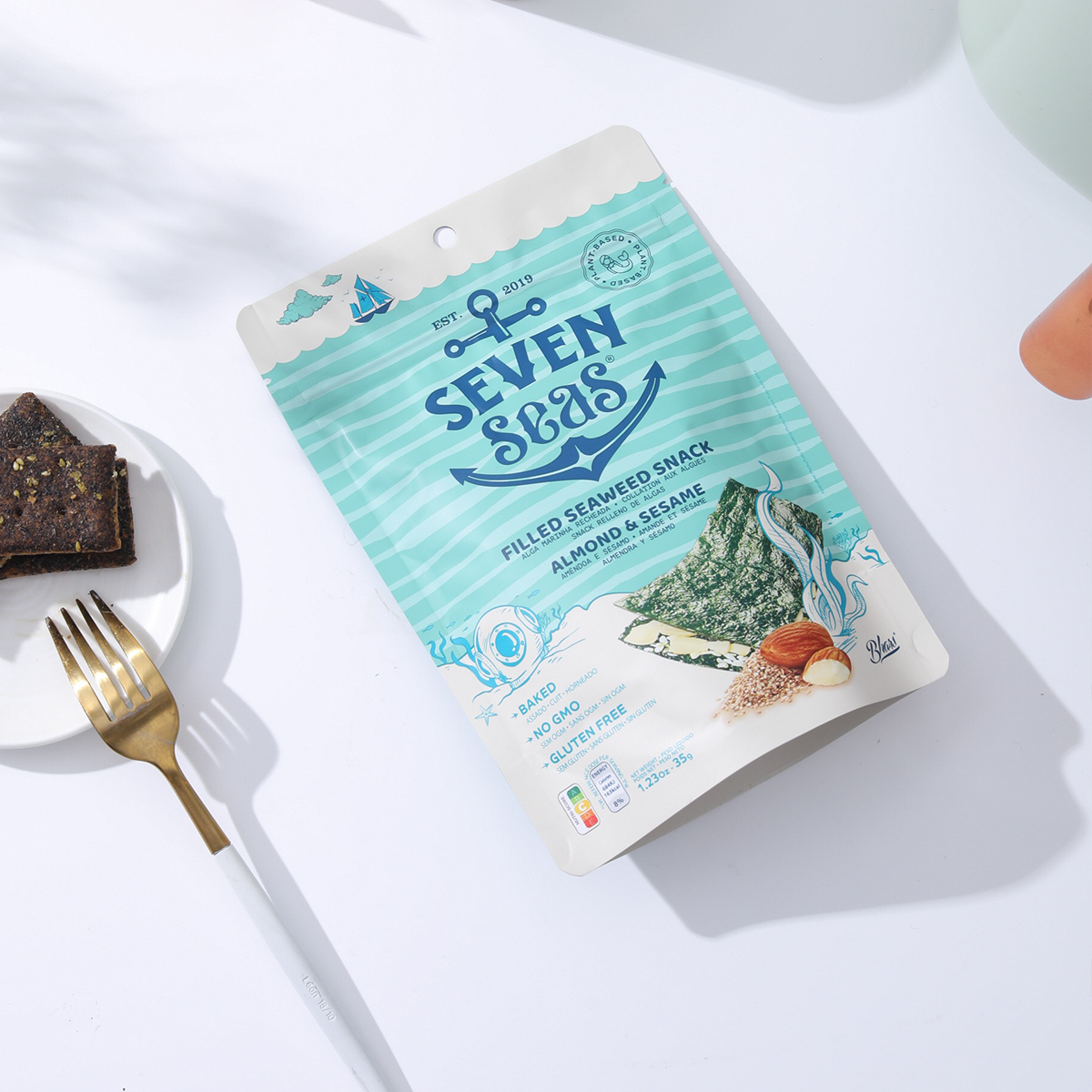
The shelf life of packaged food products depends critically on the quality and performance of the food bag used for protection and storage. A high-barrier food bag functions as the primary defense against oxygen, moisture, and light exposure, which are the three primary factors that degrade food quality over time. Understanding how a food bag contributes to product longevity is essential for manufacturers, retailers, and consumers who prioritize freshness and food safety. The right food bag can extend the usable life of products by weeks or even months, reducing waste and improving customer satisfaction across the supply chain.
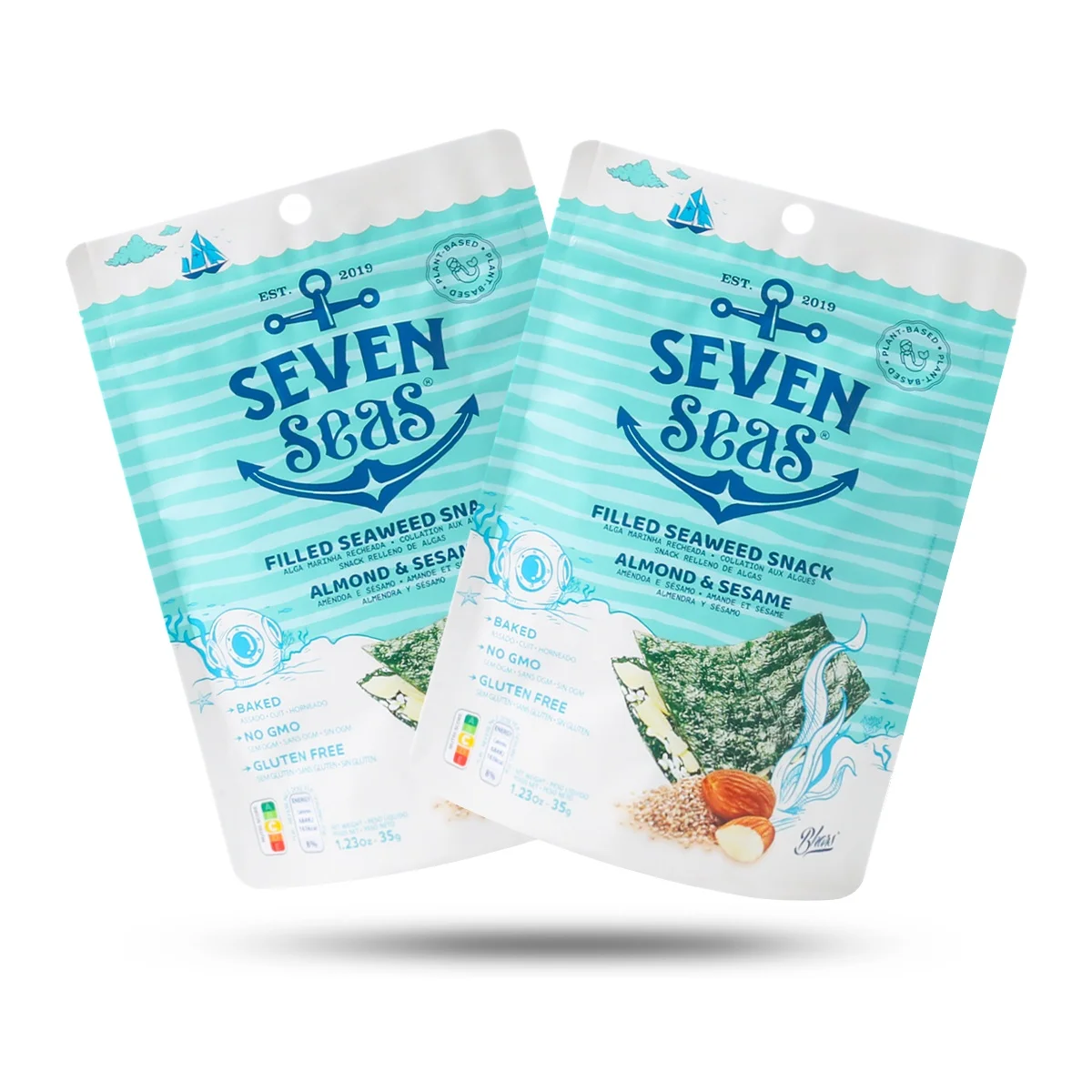
Modern food packaging requires more than simple containment; a properly engineered food bag must actively protect the contents from environmental degradation. High-barrier materials create a protective envelope around the product, controlling the rate of oxygen ingress and moisture loss. When a food bag successfully minimizes these chemical reactions, the food inside maintains its sensory attributes, nutritional value, and safety profile for significantly longer periods. This article explores the mechanisms behind high-barrier food bag technology, its practical applications across food categories, and how to select the right food bag for specific preservation challenges.
Understanding High-Barrier Technology in Food Bag Design
Core Barrier Materials in Modern Food Bags
A food bag achieves barrier protection through the strategic layering of multiple materials, each contributing specific protective properties. Aluminum foil remains one of the most effective barrier components because it blocks virtually all light and provides excellent resistance to oxygen and moisture transmission. When incorporated into a food bag structure, aluminum creates a nearly impermeable shield against external environmental factors. Mylar films, typically composed of polyethylene terephthalate (PET), add structural strength and puncture resistance while maintaining good barrier properties. Modern food bag designs combine these materials in precise configurations to optimize both protective performance and manufacturing efficiency.
Oxygen Transmission Rates and Product Stability
The oxygen transmission rate (OTR) of a food bag directly determines how quickly oxidation degrades the packaged product. A high-barrier food bag minimizes OTR through material selection and lamination techniques, allowing food manufacturers to guarantee extended shelf life specifications. Products prone to oxidation—such as nuts, oils, dried fruits, and supplements—require food bag solutions with OTR values measured in single-digit cubic centimeters per square meter per day. By reducing oxygen exposure through advanced food bag construction, manufacturers can confidently extend product dating by six months, one year, or longer depending on the specific formulation and storage conditions.
Applications of Food Bags Across Product Categories
Dry Goods and Grain Preservation
Coffee beans, spices, flour, sugar, and grains represent some of the most common applications for high-barrier food bag packaging. These dry products are highly susceptible to moisture absorption and oxidative degradation, which rapidly compromise both flavor and texture. A food bag engineered with high-barrier properties maintains the crisp, fresh character of these items throughout the entire distribution and retail shelf cycle. Stand-up pouches with zipper closures, constructed as premium food bag solutions, allow consumers to reseal the package and maintain freshness at home. This combination of barrier performance and user convenience has made the food bag the preferred format for premium dry goods across retail channels.
Fresh Protein and Specialty Foods
Refrigerated and frozen protein products depend on food bag barriers to minimize freezer burn and oxidation during extended storage. High-barrier food bag technology prevents ice crystal formation on product surfaces and maintains moisture equilibrium, preserving texture and flavor quality. Specialty foods such as jerky, nuts, dried seafood, and plant-based snacks achieve competitive shelf life advantages through superior food bag construction. The investment in a premium food bag translates to reduced product recalls, fewer customer complaints, and stronger brand reputation in markets where freshness claims drive purchasing decisions.
Selection Criteria for High-Barrier Food Bag Performance
Matching Barrier Specifications to Product Requirements
Not all food bag designs deliver the same level of protection, and selecting the wrong barrier specification can undermine shelf life objectives. Products with high fat content require more aggressive barrier properties than low-fat alternatives, as lipid oxidation occurs at accelerated rates in less protected environments. A food bag for sensitive products such as oils, nuts, or premium supplements should incorporate aluminum foil layers and provide OTR ratings below 1 cc/m²/day. Manufacturers must evaluate both the intrinsic stability of their product formulation and the intended storage environment—room temperature, refrigerated, or frozen—when specifying food bag performance requirements.
Cost Optimization Without Compromising Protection
While high-barrier food bags offer superior protection, manufacturers must balance performance against production costs and market positioning. A food bag solution that combines metallic PET and polyethylene layers provides excellent barrier performance at a mid-range cost point, making it suitable for mass-market products. Premium products justify investment in full aluminum foil food bag construction, whereas value-oriented categories may utilize matte films with adequate but lower barrier properties. Gravure printing technology applied to the food bag structure can enhance visual appeal and brand communication without compromising the underlying barrier function, allowing manufacturers to achieve both performance and marketing objectives within budgetary constraints.
FAQ
How does a food bag prevent oxygen from degrading packaged products?
A high-barrier food bag uses layered materials such as aluminum foil and specialized films to create an oxygen-impermeable seal that minimizes the transmission rate of atmospheric oxygen into the package. The barrier structure in a food bag is measured by its oxygen transmission rate (OTR), with premium food bag designs achieving rates below 1 cc per square meter per day. This dramatically slows oxidation reactions that cause rancidity, flavor loss, and nutritional degradation, allowing the packaged food to maintain quality for extended periods compared to standard packaging alternatives.
Can a food bag be resealed after opening, and does this affect shelf life claims?
Many modern food bag designs incorporate zipper closures that allow consumers to reseal the package after opening, maintaining partial protection against moisture and air re-entry. However, a resealed food bag does not restore the original barrier integrity once compromised, so the product will degrade faster than if unopened. Manufacturers typically specify shelf life based on unopened food bag storage; once opened, the product should be consumed within a shorter timeframe, usually one to four weeks depending on the food category and storage conditions.
What printing methods work best on high-barrier food bags without compromising protection?
Gravure printing is the preferred method for decorating high-barrier food bags because it applies ink directly onto the barrier films without requiring additional surface treatments that might compromise protection. This technique allows manufacturers to apply vibrant graphics, product information, and branding directly to the food bag while maintaining full barrier performance. Flexographic printing is also compatible with high-barrier food bag construction, though gravure typically delivers superior print quality and consistency at high production volumes.