 EN
EN

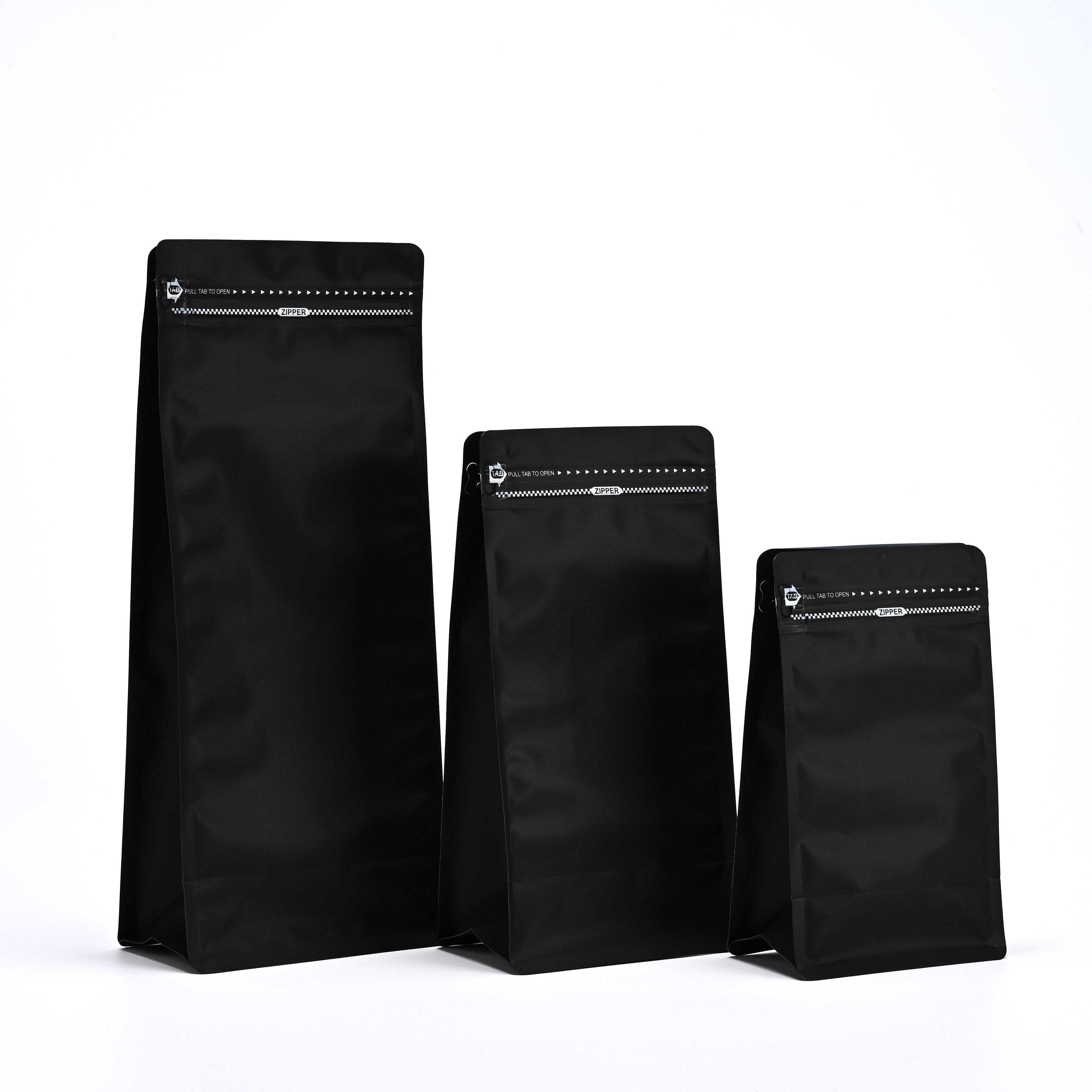
Switching to a recyclable bag strategy represents one of the most impactful decisions sustainable brands can make today. As consumer demand for environmentally responsible packaging continues to rise, understanding how to effectively transition to recyclable bags becomes critical for maintaining market competitiveness and brand integrity. The shift toward recyclable bag solutions isn't merely about compliance or marketing appeal—it's fundamentally about aligning your packaging operations with genuine environmental stewardship and meeting the evolving expectations of conscious consumers worldwide.

The transition process involves several interconnected dimensions, from understanding material science and regulatory compliance to optimizing supply chains and managing cost implications. Brands that approach this transition strategically—rather than reactively—create meaningful competitive advantages while reducing environmental footprint. This comprehensive guide walks you through the essential steps, considerations, and practical strategies for successfully implementing recyclable bag systems that work for your specific business model and target market.
Understanding the Business Case for Recyclable Bag Adoption
Market Demand and Consumer Expectations
Consumer research consistently demonstrates that purchasing decisions increasingly factor in packaging sustainability. A recyclable bag strategy directly addresses this market shift by positioning your brand as environmentally conscious and forward-thinking. Implementing recyclable bag solutions signals to your audience that you prioritize planetary health alongside product quality. This perception builds brand loyalty and can justify premium pricing strategies for eco-conscious consumer segments.
The competitive landscape has shifted substantially, with retailers actively promoting brands using recyclable bag packaging. Many major distributors now prioritize suppliers who demonstrate commitment to recyclable bag initiatives. This market pressure creates genuine business incentive beyond regulatory requirements. Brands that lead with recyclable bag innovation often capture first-mover advantages in emerging market segments and build stronger relationships with environmentally aligned retail partners.
Regulatory Landscape and Compliance
Governments worldwide are implementing stricter regulations on single-use plastics and non-recyclable packaging materials. Understanding your local and international regulatory environment is essential before transitioning to recyclable bag systems. Many regions now mandate that packaging, including recyclable bag solutions, meet specific recyclability standards or contain minimum recycled content percentages. Proactive compliance through recyclable bag adoption positions your brand ahead of enforcement timelines and avoids potential penalties.
Beyond legal requirements, industry certifications validate that your recyclable bag choices meet recognized environmental standards. Certifications like FSC, PEFC, or material-specific recycling certifications provide third-party verification that your recyclable bag packaging genuinely meets sustainability claims. Building compliance into your transition strategy prevents costly revisions later and strengthens marketing credibility when communicating your recyclable bag commitments to consumers.
Strategic Planning for Recyclable Bag Transition
Conducting Material Assessment and Supply Chain Evaluation
Transitioning to recyclable bag solutions requires thorough evaluation of available materials that align with your product protection requirements and sustainability goals. Different recyclable bag materials—including paper-based options, certified compostable materials, and multi-layer films designed for recycling—offer distinct advantages depending on your specific application. Assess moisture resistance, barrier properties, durability, and shelf-life requirements to ensure your chosen recyclable bag material performs adequately for your products while maintaining recyclability throughout the product lifecycle.
Your supply chain represents a critical component of recyclable bag success. Evaluate whether your current suppliers can source compliant recyclable bag materials at scale, or whether you need to establish new supplier relationships. Lead times for sourcing specialized recyclable bag products often exceed standard plastic alternatives, requiring early planning. Establish clear communication with suppliers about your recyclable bag specifications, volume commitments, and long-term sustainability objectives to ensure reliable, consistent supply and favorable pricing as you scale.
Piloting and Testing Implementation
Before full-scale implementation, conduct pilot programs with your recyclable bag materials across representative product lines and distribution channels. Pilots reveal practical challenges that theoretical analysis cannot predict—shelf performance, consumer handling experience, machinery compatibility, and real-world recyclability in actual waste streams. Involving key stakeholders, including packaging engineers, operations teams, sales, and customer service, ensures the recyclable bag transition accounts for diverse operational perspectives and prevents surprises during scale-up.
Gather data on pilot performance metrics: product damage rates, consumer feedback, machinery adjustments needed, cost variations, and recycling stream acceptance. This information informs your final recyclable bag material selection and implementation timeline. Pilot results also provide concrete evidence for communicating the transition to stakeholders, retail partners, and consumers. Share pilot findings transparently to build confidence that your recyclable bag strategy has been rigorously validated and represents a genuine improvement over your previous packaging approach.
Implementation and Ongoing Optimization
Scaling Manufacturing and Logistics Operations
Successful scaling of recyclable bag production requires coordinating with manufacturers, warehouse operations, and logistics partners to ensure smooth transitions. Communicate recyclable bag specifications clearly to all stakeholders and provide training on handling, storage, and machinery adjustments. Some equipment modifications may be necessary to accommodate different recyclable bag material properties, such as adjusted seal temperatures or humidity control in warehouses. Planning these operational adjustments well in advance prevents production disruptions and quality inconsistencies during the transition period.
Your logistics network may also require adjustments to accommodate recyclable bag dimensions, weight, or stacking characteristics that differ from previous packaging. Coordinate with distribution partners to optimize palletization, transportation efficiency, and storage requirements. Some recyclable bag solutions offer comparable logistics footprints to conventional packaging, while others may present efficiency gains through lighter weight or better stackability. Quantify these logistics impacts to accurately forecast total cost of ownership for your recyclable bag transition.
Consumer Communication and Education
Clear consumer messaging about your recyclable bag transition builds brand credibility and encourages proper waste disposal practices. Explain what makes your new recyclable bag packaging different from previous solutions and provide specific disposal instructions. Many consumers remain unfamiliar with recycling requirements for different recyclable bag materials, so on-package labeling—including recycling symbols, material composition, and any special preparation steps—significantly increases actual recycling rates. This transparency demonstrates commitment to environmental responsibility and differentiates your brand within competitive market segments.
Develop comprehensive communication campaigns across your website, social media, packaging, and customer service channels to educate stakeholders about your recyclable bag initiative. Share your sustainability metrics, certifications, and long-term environmental commitments. This educational approach positions your recyclable bag transition as thoughtful brand evolution rather than mere compliance or marketing tactic. Customers who understand the genuine environmental benefits of your recyclable bag approach become brand advocates, amplifying your sustainability message through word-of-mouth recommendations and social sharing.
FAQ
What materials are best for recyclable bag production?
The optimal recyclable bag material depends on your product type, shelf-life requirements, and target market recycling infrastructure. Paper-based recyclable bags work well for dry goods and offer strong environmental messaging. Multi-layer films designed for recycling streams provide superior barrier properties for moisture-sensitive products while maintaining recyclability. Compostable recyclable bags serve brands prioritizing industrial composting as an end-of-life solution. Research your intended market's available recycling and composting infrastructure to ensure your chosen recyclable bag material aligns with actual waste management capabilities in regions where your products are distributed.
How do recyclable bag costs compare to conventional packaging?
Initial recyclable bag costs often exceed conventional plastic packaging, though price gaps continue narrowing as manufacturing scales. Material costs represent one component; consider total cost of ownership including machinery adjustments, supply chain modifications, and potential logistics efficiencies. Many brands discover that recyclable bag solutions qualify for sustainability certifications that enable premium pricing, offsetting material cost increases. Additionally, reducing material thickness or optimizing recyclable bag design can lower costs. Request detailed quotes from suppliers and conduct comprehensive financial modeling that accounts for all direct and indirect cost impacts of your recyclable bag transition.
How can brands verify that their recyclable bags are actually recycled?
Third-party certifications like 'Made from Recycled Content' or 'Recyclable' labels provide initial verification, but tracking actual recycling rates requires engagement with waste management partners and recycling infrastructure providers. Partner with local recycling facilities to understand how your specific recyclable bag material integrates into their processing systems and what contamination issues might prevent successful recycling. Some brands commission lifecycle assessments that evaluate recyclable bag end-of-life outcomes. Transparent communication about material properties and realistic recycling expectations—acknowledging infrastructure limitations in certain markets—builds consumer trust more effectively than marketing claims that cannot be verified.