 EN
EN

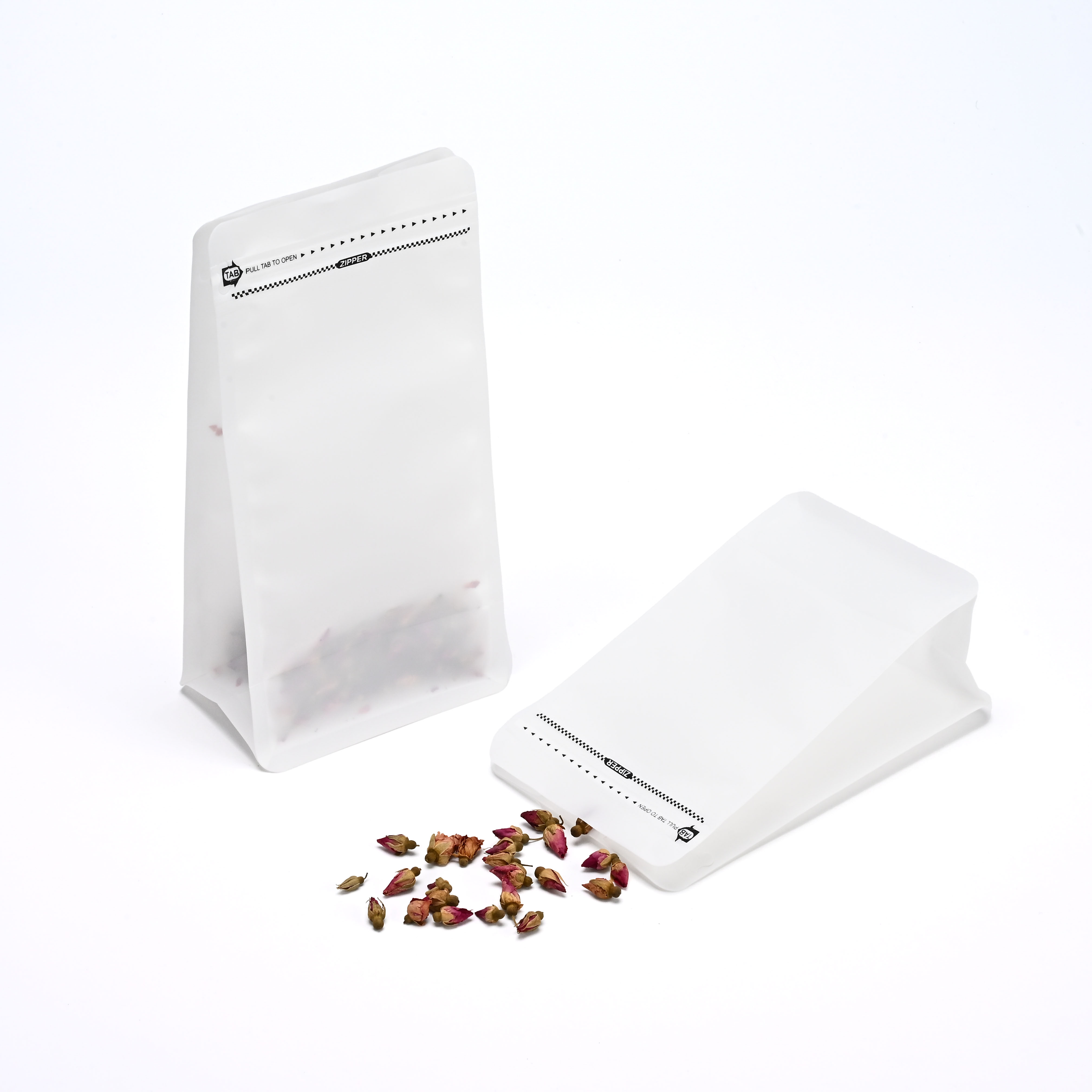
The transition toward circular economy principles has fundamentally reshaped how manufacturers and retailers approach packaging strategy. Mono-material recyclable bag solutions have emerged as a cornerstone technology enabling this shift, offering a practical pathway to reduce waste, lower production costs, and meet stringent environmental regulations. Unlike traditional multi-layer composite bags that contaminate recycling streams, a recyclable bag made from single-material construction simplifies the entire lifecycle from production through collection and reprocessing. This fundamental difference positions mono-material recyclable bag designs as essential infrastructure for businesses committed to genuine sustainability goals rather than superficial green marketing.
Understanding the mechanics and strategic value of mono-material recyclable bag technology requires examining material science, recycling infrastructure compatibility, and real-world supply chain implications. Organizations across food packaging, consumer goods, pharmaceuticals, and e-commerce logistics are evaluating whether their current packaging strategies align with evolving circular economy mandates. This article provides decision-makers with actionable insights into how mono-material recyclable bag solutions function, why they matter for regulatory compliance and brand positioning, and how to evaluate implementation opportunities within existing operational frameworks.
Material Science and Design Principles for Mono-Material Recyclable Bags
Single-Material Construction and Contamination Prevention
The core advantage of a mono-material recyclable bag lies in its compositional simplicity. Traditional multi-layer bags typically combine polyethylene, polypropylene, aluminum foil, or adhesive layers to achieve barrier protection and mechanical durability. During mechanical recycling processes, these mixed materials separate unpredictably, introducing contaminants that degrade the quality of recycled pellets. A recyclable bag constructed from a single material—whether pure polypropylene, polyethylene, or certified compostable biopolymers—remains compatible with established municipal and industrial recycling equipment without triggering contamination events.
Material purity directly influences the economic viability of recycling programs. Recyclers measure input contamination rates and adjust processing parameters or reject batches entirely when impurity thresholds are exceeded. When a recyclable bag arrives at sorting facilities as a single-material product with clear material identification, facility operators can process it through appropriate streams without interruption. This compatibility reduces processing costs per kilogram and increases the likelihood that material will actually enter closed-loop recycling cycles rather than landfill disposition.
Performance Engineering Within Single-Material Constraints
Designing a recyclable bag that maintains functional performance while adhering to single-material standards requires sophisticated materials engineering. Mono-material films must achieve oxygen barrier properties, moisture control, puncture resistance, and seal integrity using only their base polymer chemistry. Manufacturers accomplish this through crystalline structure optimization, molecular weight distribution tuning, and thickness calibration rather than through additive layering. A high-performance recyclable bag for food applications might use specialized polypropylene formulations with enhanced crystallinity or controlled permeability, allowing adequate shelf-life protection without composite construction.
Production efficiency for mono-material recyclable bag manufacturing often exceeds that of multi-layer alternatives because fewer conversion steps, adhesion processes, and quality inspection stages are required. This streamlined production reduces energy consumption per unit and lowers manufacturing complexity, creating natural cost advantages that offset any material-science investments needed to achieve required performance standards in a single-material recyclable bag design.
Circular Economy Integration and Regulatory Compliance
Extended Producer Responsibility and Recycling Infrastructure
Extended Producer Responsibility (EPR) frameworks across Europe, North America, and Asia increasingly mandate that brands and manufacturers bear financial responsibility for end-of-life packaging management. These regulations create direct economic incentives to design products that recycling systems can actually process. A recyclable bag that enters municipal collection but cannot be economically sorted and recycled generates cost liability for the producer through EPR fund contributions. Conversely, mono-material recyclable bag solutions that integrate seamlessly into existing infrastructure reduce financial exposure while building brand reputation within environmentally conscious consumer segments.
Recycling infrastructure investment decisions typically prioritize materials that represent sufficient market volume and consistent material composition. When producers adopt mono-material recyclable bag standards industry-wide, they collectively create sufficient material throughput to justify municipal equipment upgrades and specialized sorting protocols. This network effect transforms a recyclable bag from a niche sustainability feature into a normalized component of regional waste management systems, enhancing actual recycling rates across entire packaging categories.
Regulatory Harmonization and Market Access
Packaging regulations increasingly specify material composition requirements and recyclability claims. The European Union's Single-Use Plastics Directive and upcoming packaging regulations now restrict multi-layer packaging in certain applications and require verifiable recyclability evidence. A recyclable bag made from mono-material construction provides clear documentation of material identity and compatibility with designated recycling pathways, simplifying regulatory compliance documentation. Manufacturers using certified mono-material recyclable bag designs can more easily substantiate environmental claims and avoid regulatory violations that impose financial penalties and reputational damage.
Global supply chain complexity creates advantages for organizations standardizing on mono-material recyclable bag solutions across multiple markets. Rather than maintaining separate packaging specifications for European, North American, and Asian markets, producers can deploy a single recyclable bag specification that meets the most stringent regional standards universally, reducing SKU proliferation and supply chain overhead while ensuring market access across all regulated jurisdictions.
Implementation Strategy and Business Value Assessment
Supply Chain Transition and Cost Modeling
Transitioning from existing multi-layer packaging to mono-material recyclable bag solutions requires systematic evaluation of production capabilities, supplier availability, and cost implications. Organizations should conduct detailed material-by-material cost analysis, comparing current film costs, adhesive expenses, and conversion labor against mono-material recyclable bag alternatives. In many applications, mono-material recyclable bag costs are competitive with or lower than traditional multi-layer designs when manufacturing efficiency gains and regulatory cost avoidance are factored into total cost of ownership calculations.
Phased implementation strategies reduce execution risk during transition to mono-material recyclable bag portfolios. Organizations can pilot recyclable bag conversions within specific product lines or geographic markets, gathering performance data and customer feedback before enterprise-wide rollout. This staged approach validates that a recyclable bag meets functional requirements in real-world conditions while allowing supply chain partners time to develop production capabilities and quality assurance protocols for new mono-material recyclable bag designs.
Brand Value and Consumer Communication
Consumer preferences for sustainable packaging continue strengthening across demographics and geographies, creating significant brand differentiation opportunities. A recyclable bag with transparent mono-material design and clearly communicated recycling instructions enables organizations to articulate genuine environmental commitments rather than vague sustainability messaging. Marketing communication emphasizing that a recyclable bag integrates into actual municipal recycling systems resonates with environmentally conscious consumers and supports premium pricing strategies in many categories.
Third-party certifications and standardized recycling labeling systems enhance credibility of mono-material recyclable bag claims. Organizations adopting certified recyclable bag designs that meet established material standards and recyclability criteria provide consumers with verifiable assurance that packaging will actually be recycled rather than contributing to landfill waste. This transparency builds brand loyalty and supports long-term customer relationships based on demonstrated environmental performance.
FAQ
What makes a mono-material recyclable bag different from traditional multi-layer bags?
A mono-material recyclable bag uses a single polymer type throughout its construction, whereas traditional multi-layer bags combine different materials with adhesives to achieve barrier and mechanical properties. This single-material design eliminates contamination during recycling because all components are compatible with the same recycling stream, allowing the recyclable bag to be processed into new material without degradation. Multi-layer bags often become waste during recycling because their mixed materials cannot be economically separated, making a recyclable bag genuinely more sustainable in practice.
Can a mono-material recyclable bag meet the same performance requirements as multi-layer packaging?
Yes, modern mono-material recyclable bag designs can achieve comparable performance through specialized material formulations, optimized film thickness, and engineered crystalline structures. A recyclable bag designed for food applications can provide adequate oxygen barriers, moisture control, and puncture resistance using advanced polypropylene or polyethylene chemistries. However, the recyclable bag design may require slightly different production parameters or material costs, and suitability depends on specific barrier and mechanical requirements of individual applications.
How do regulations impact the adoption of mono-material recyclable bags?
Extended Producer Responsibility frameworks and packaging composition regulations create financial and legal incentives for adopting mono-material recyclable bag solutions. Organizations using a recyclable bag that integrates into municipal recycling infrastructure reduce EPR liability costs and avoid regulatory violations in jurisdictions restricting multi-layer packaging. Additionally, a recyclable bag with verifiable recyclability documentation simplifies compliance with emerging regulations requiring substantiated sustainability claims, making mono-material recyclable bag adoption increasingly advantageous from both risk management and competitive positioning perspectives.