 EN
EN

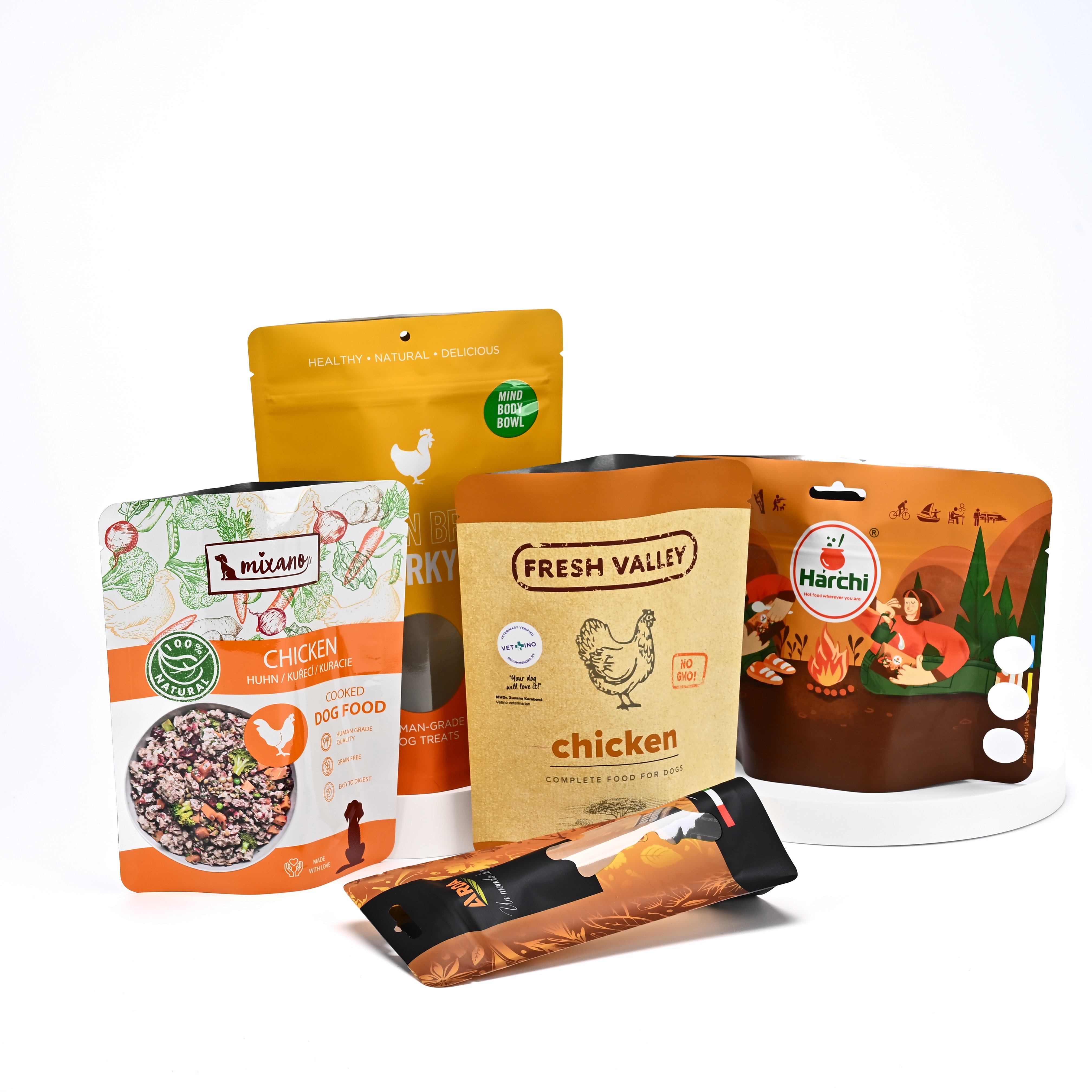
Grease resistance stands as one of the most critical performance requirements for any snack bag used in food packaging applications. When manufacturers design a snack bag intended for oily or fatty products, they must engineer the packaging to prevent oil from permeating through the material and compromising both the product quality and the consumer experience. Achieving robust grease resistance in a snack bag requires careful material selection, specialized coating technologies, and thoughtful design strategies that work together to create a protective barrier against moisture, oils, and food stains.
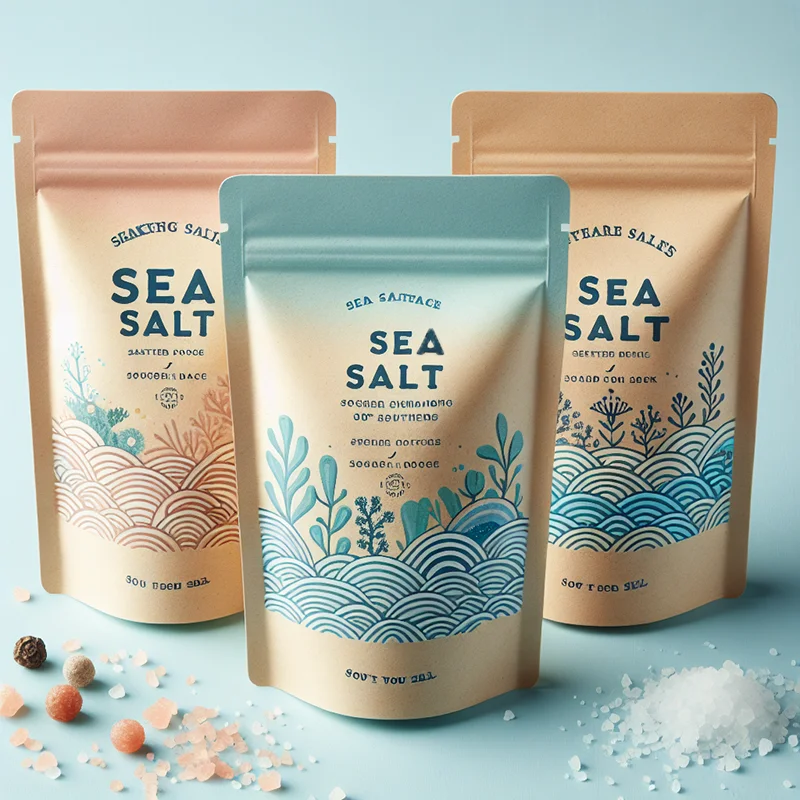
Custom printed snack bags face unique challenges when grease resistance becomes necessary. Unlike plain packaging, a snack bag featuring vibrant graphics, brand logos, and product information must maintain both visual appeal and functional protection. The printing process, ink composition, and substrate layers all influence how well a snack bag resists oils and grease exposure. Understanding these interconnected factors enables food packaging professionals to deliver products that protect contents, preserve shelf appeal, and maintain compliance with food safety standards across diverse snack categories.
Material Selection for Grease-Resistant Snack Bags
Polyester and Barrier Film Layers
The foundation of any effective snack bag begins with material composition. High-performance barrier films, particularly polyester (PET) combined with metallized layers, create superior grease resistance when incorporated into a snack bag structure. Polyester provides inherent resistance to oil penetration while maintaining mechanical strength and dimensional stability. When a snack bag incorporates metallized polyester or aluminum foil as an inner barrier layer, the grease resistance properties improve dramatically because metal layers completely prevent oil migration through the material.
A snack bag designed with laminated structures—such as polyester, adhesive, and polyethylene combinations—offers layered protection that stops grease from reaching the outer printed surface. The key to choosing appropriate materials for a snack bag lies in understanding product contact time, expected oil content in the snack, and storage temperature conditions. Premium snack bag formulations often employ five or more distinct layers, with each layer contributing specific properties: printability, strength, flexibility, barrier function, and grease resistance.
Polymer Blend Formulation
Advanced polymer blends engineered specifically for snack bag applications can significantly enhance grease resistance without adding thickness or weight. Polymers like polypropylene (PP) blended with specialized barrier resins create a snack bag material that naturally repels oily substances while maintaining excellent print quality and flexibility. These polymer blends reduce the permeability rate—the speed at which grease molecules penetrate the material—and extend the shelf life of packaged snacks considerably. Selecting the right polymer composition for a snack bag requires careful testing under realistic product conditions to ensure the material performs as expected during distribution and retail display.
Coating Technologies and Surface Treatments
Water-Based and Solvent-Based Coatings
Surface coatings applied to a snack bag represent a proven technology for enhancing grease resistance after the base material has been selected and printed. Water-based coatings offer environmental advantages and food-safety compliance while providing moderate grease resistance when applied correctly to a snack bag surface. These coatings create a thin, continuous film that repels oils and prevents saturation of the underlying substrate. Solvent-based coatings, while requiring careful handling and environmental compliance, typically deliver superior grease resistance performance compared to their water-based counterparts on a snack bag.
The application method for coatings on a snack bag—whether spray, roll-coat, or curtain coat—affects both the uniformity and effectiveness of grease resistance. A snack bag coating must achieve consistent thickness across all areas, including printed regions, to ensure no weak points where grease could penetrate. Modern snack bag manufacturing facilities use precision coating equipment that applies micron-level thicknesses, delivering reliable performance while minimizing material waste and cost impact per snack bag produced.
Wax and Oil-Repellent Formulations
Specialized wax-based treatments represent a traditional yet highly effective approach to achieving grease resistance in snack bag packaging. Microcrystalline or paraffin wax applied to the inner surfaces of a snack bag creates an oleophobic (oil-repelling) barrier that prevents grease from saturating the material. These treatments work especially well for snack bags intended to contain potato chips, French fries, nuts, and other high-fat products. Modern snack bag formulations often combine wax coatings with synthetic polymer treatments to achieve a balanced grease resistance profile that maintains durability and printability while delivering long-term protection.
Design and Production Best Practices for Grease-Resistant Snack Bags
Sealing Integrity and Closure Mechanisms
Grease resistance extends beyond material science into the physical design of a snack bag. The heat-seal area—where two layers of material fuse together—must maintain structural integrity even when exposed to oils and grease. A weak seal on a snack bag allows grease to migrate along the sealed edge, potentially compromising the entire package. Proper heat-seal equipment calibration, material selection that ensures compatible melting points, and quality control testing all contribute to producing a snack bag with reliable closure performance under challenging conditions.
Zipper closures, stand-up pouches, and traditional gusseted snack bags each require different seal design strategies to maintain grease resistance. A snack bag with a zipper-top closure benefits from specially formulated adhesives that resist grease penetration, preventing the zipper track from becoming saturated and losing functionality. Testing protocols for a snack bag should include grease resistance evaluation of the sealed area under accelerated aging conditions to predict real-world performance and identify any design vulnerabilities before mass production begins.
Ink Selection and Print Process Control
The printing process applied to a snack bag directly influences how well the overall package resists grease. Food-grade inks formulated to resist oil penetration must be matched with compatible base materials to create a snack bag that maintains visual appeal throughout the product lifecycle. Oil-based and UV-curable inks generally provide superior grease resistance compared to water-based alternatives, though this must be balanced against food-contact regulations and environmental considerations specific to each snack bag application.
Print density, ink thickness, and curing conditions all affect the grease resistance profile of a finished snack bag. Undercured or insufficiently thick ink layers may allow grease to penetrate to the substrate beneath, degrading both appearance and barrier performance of the snack bag. Production facilities managing snack bag manufacturing implement strict process controls—including ink viscosity monitoring, print head pressure optimization, and curing temperature verification—to ensure every snack bag meets rigorous grease resistance standards before reaching distribution channels.
FAQ
What causes grease to penetrate through a snack bag?
Grease penetration occurs when oleophilic (oil-loving) components in a snack bag material interact with fatty compounds in the packaged product. Inadequate barrier layers, porous polymer compositions, incomplete seals, and under-formulated coatings all create pathways for grease molecules to migrate through the snack bag structure. Over time, this penetration damages the bag's appearance, weakens the material, and potentially reduces product quality if grease seeps from the snack bag onto outer surfaces.
How long does a grease-resistant snack bag typically maintain protection?
A properly engineered snack bag with quality grease-resistant materials and coatings can maintain effective protection for 6 to 12 months under standard storage conditions, depending on product type, fat content, and temperature exposure. High-performance snack bags incorporating aluminum foil barriers or premium polymer blends often exceed this timeline substantially. Testing the specific snack bag design with your actual product under your expected storage conditions provides the most accurate performance estimate and ensures the package delivers reliable protection throughout the intended shelf life.
Can custom printing affect the grease resistance of a snack bag?
Yes, custom printing significantly influences snack bag grease resistance through ink formulation, application thickness, and curing completeness. High-quality food-grade inks applied with proper thickness and fully cured create a protective layer that enhances grease resistance on a snack bag. However, poorly formulated inks, inadequate curing, or incompatible ink-substrate combinations can compromise the barrier properties of a snack bag. Specifying grease-resistant inks and validating the printing process through accelerated testing ensures your custom printed snack bag delivers both visual appeal and functional protection.