 EN
EN

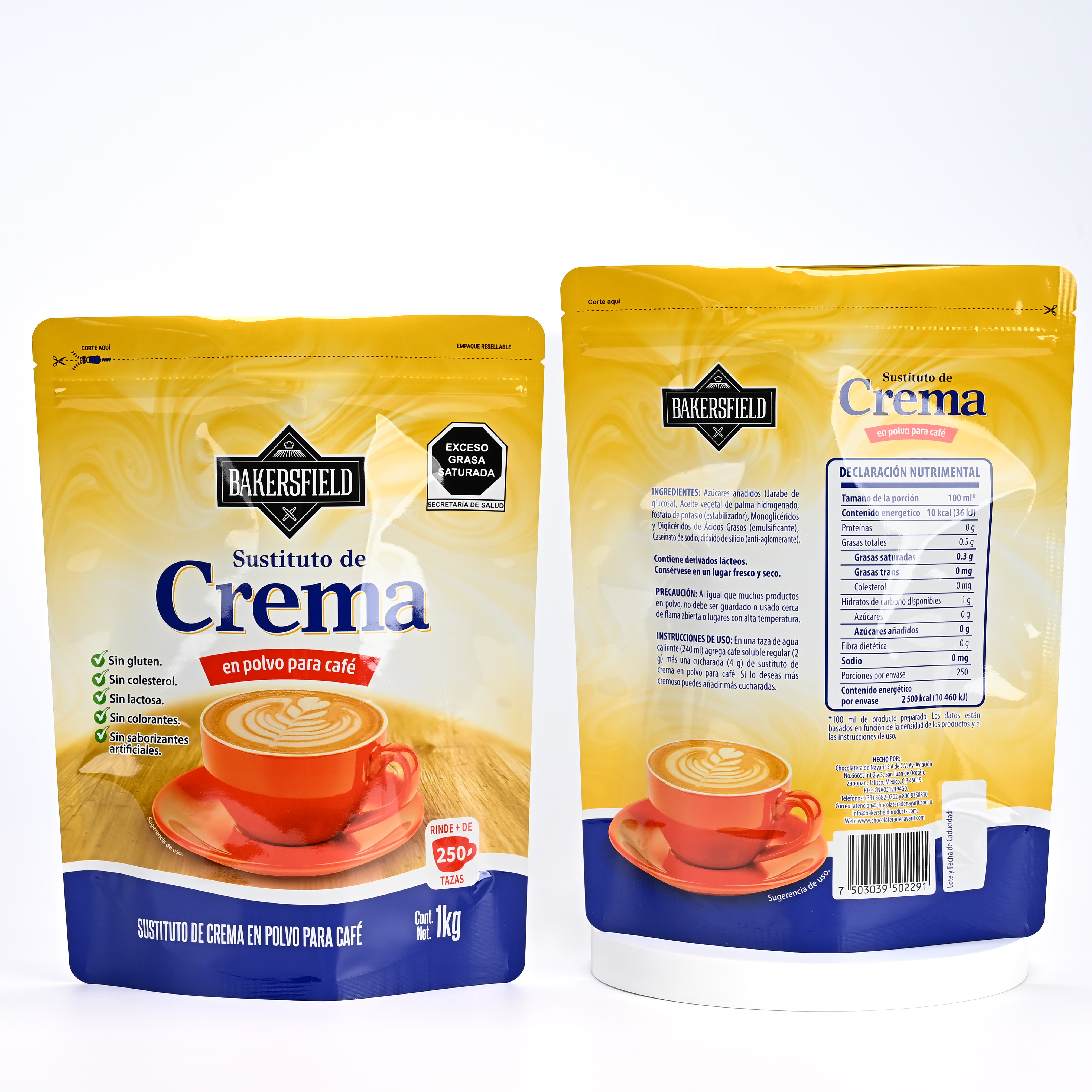
Selecting the right snack bag for portion control is a critical decision for food manufacturers, retailers, and distributors. The proper snack bag directly impacts product freshness, consumer convenience, shelf appeal, and operational efficiency. Whether you're packaging nuts, dried fruits, chips, or protein snacks, the dimensions, material thickness, and closure mechanism of your snack bag determine how well your product performs in the market. Understanding the landscape of snack bag sizes and specifications helps you make informed sourcing decisions that align with your brand positioning and customer expectations.
The global snacking market continues to expand, driven by consumer demand for convenient, portioned products. This growth has created diverse options in snack bag design and specifications. Finding the ideal snack bag requires balancing portion size, material quality, barrier properties, and cost-effectiveness. This guide walks you through the essential dimensions, material options, and specification criteria that define modern snack bag sourcing for portion-controlled applications.
Understanding Core Snack Bag Dimensions and Sizing
Standard Snack Bag Sizes for Portion Control
The most common snack bag dimensions for portion control fall into several established categories. Small snack bag formats, typically ranging from 1 to 2 ounces, serve individual consumption moments and impulse purchases. Medium snack bag sizes, between 2.5 and 4 ounces, represent the largest market segment, offering balanced portions for on-the-go consumption without excessive waste. A standard snack bag in this range measures approximately 4 inches by 6 inches when sealed, though variations exist based on product density and fill weight.
Larger snack bag options, ranging from 5 to 8 ounces, appeal to families and workplace consumption. These snack bag formats typically measure 5 to 7 inches wide by 8 to 10 inches tall, providing multiple portions in a single package. When sourcing your snack bag, consider that dimensional specifications directly affect packaging line compatibility, shelf space allocation, and consumer handling. Your production equipment must accommodate the snack bag dimensions you select, making this a foundational sourcing decision.
Customizing Snack Bag Dimensions for Your Product
Product type fundamentally influences optimal snack bag sizing. Dense products like nuts require different snack bag dimensions than light, airy snacks like popcorn or cereal. When sourcing a snack bag, calculate the fill weight your product achieves when packed to the desired level. A snack bag that feels full and appealing on shelf requires proper height-to-width ratios specific to your snack's bulk density. Manufacturers often adjust snack bag height while maintaining consistent width to achieve the perfect visual presentation.
Customization extends beyond basic dimensions when sourcing your snack bag. Gusset width, seal length, and hang hole positioning all represent specification variables that affect how your snack bag displays and functions. A quality supplier understands these nuances and can recommend snack bag specifications based on your specific product, target market, and distribution channel. Taking time to define exact snack bag dimensions during sourcing prevents costly production delays and reduces material waste.
Material Specifications and Barrier Properties for Snack Bags
Film Thickness and Material Composition
The material composition of your snack bag directly determines shelf life and product protection. Most snack bag solutions use multilayer film constructions combining polyethylene, polypropylene, and specialized barrier materials like aluminum or metallized coatings. When sourcing a snack bag, specify film thickness in microns, typically ranging from 60 to 120 microns for standard applications. A snack bag constructed at 80 microns offers sufficient durability for handling, stacking, and transportation while maintaining cost efficiency.
Barrier performance defines how effectively your snack bag protects against oxygen and moisture ingress. Premium snack bag specifications incorporate high-barrier films that extend product freshness by 6 to 12 months, depending on product type and storage conditions. When sourcing your snack bag, discuss barrier ratings measured in cubic centimeters of oxygen transmitted per square meter per day. A high-barrier snack bag typically achieves less than 1 cubic centimeter transmission rate, while standard snack bag materials achieve 5 to 20 rates. This specification directly affects product quality perception and customer satisfaction.
Closure Mechanisms and Seal Integrity
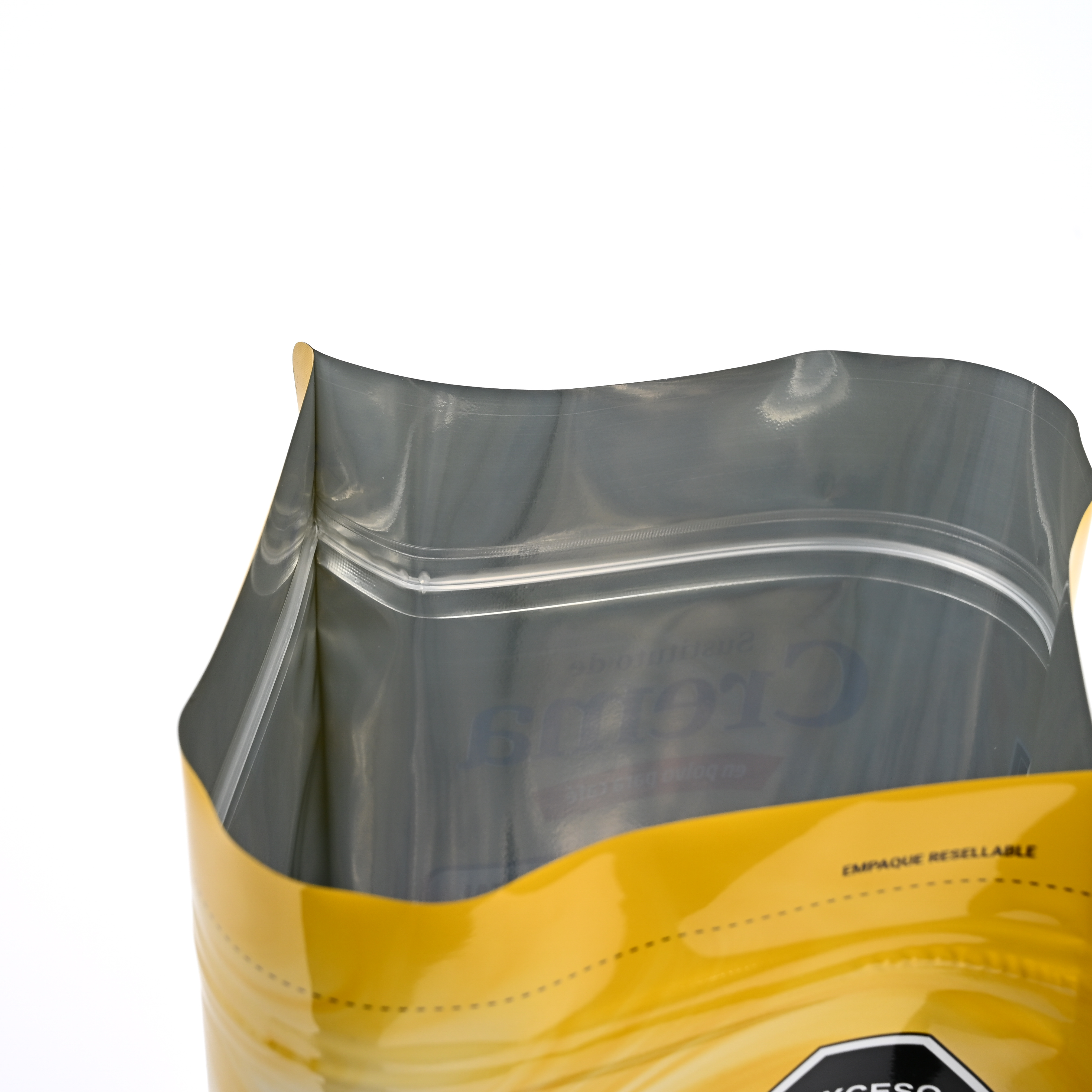
The closure mechanism of your snack bag profoundly impacts user experience and product freshness retention. Zipper-style closures represent the dominant specification for resealable snack bag applications, allowing consumers to open and reclose packages multiple times. When sourcing a snack bag with zipper closure, verify that the zipper track is precisely aligned and tested for repeated open-close cycles. A quality snack bag zipper remains functional after at least 100 cycles, though consumer testing often reveals that typical snack bag use involves far fewer cycles.
Heat-sealed closures provide an alternative snack bag specification when resealability is not required. This snack bag sealing method creates an airtight, tamper-evident package that consumers open once. When sourcing a snack bag with heat-seal closure, confirm seal strength specifications, typically measured in pounds per inch of seal length. A properly sealed snack bag should withstand internal pressure without bursting and resist being opened by hand without significant effort. Testing your supplier's snack bag seal integrity before full production commitment prevents quality failures in the market.
Regulatory Compliance and Technical Specifications
Food Contact Certification and Safety Standards
Every snack bag intended for food contact must meet regulatory requirements specific to your target market. In the United States, snack bag materials must comply with FDA Title 21 regulations for food packaging. When sourcing your snack bag, request documentation confirming FDA compliance and certification from the material supplier. European markets require snack bag compliance with EC Regulation 10/2011, which specifies which substances can migrate into food from packaging.
Sourcing a snack bag from reputable manufacturers means accessing pre-certified materials and verified testing data. Your snack bag supplier should provide certificates of compliance, material safety data sheets, and migration testing results. These specifications protect your brand from regulatory violations and consumer safety issues. When evaluating snack bag suppliers, prioritize those with established quality systems, third-party certifications, and transparent documentation practices. A compliant snack bag builds consumer trust and eliminates market access barriers.
Printing and Design Specifications
The design and printing specifications of your snack bag significantly influence shelf impact and consumer engagement. When sourcing snack bag printing, specify color accuracy, ink adhesion, and durability requirements. Quality snack bag printing maintains color vibrancy and legibility throughout the product's shelf life, even after exposure to light and handling. Your snack bag must display all required information including nutritional data, ingredients, allergen warnings, and manufacturing dates in compliance with local regulations.
Advanced snack bag specifications may include special finishes like glossy or matte effects, embossing, or metallic inks that enhance visual appeal. When sourcing a snack bag with premium design features, verify that printing processes won't compromise the bag's structural integrity or barrier properties. Photography and graphic positioning on your snack bag should be planned during the sourcing phase to optimize shelf visibility and brand recognition. Professional snack bag suppliers work closely with design teams to ensure specifications align with both aesthetic goals and functional requirements.
FAQ
What sizes of snack bags are most commonly used for portion control?
The most popular snack bag sizes for portion control range from 1 to 4 ounces for individual consumption and 5 to 8 ounces for shared portions. Standard snack bag dimensions of 4 by 6 inches serve the majority of the market, though snack bag dimensions vary based on product type, fill weight, and target distribution channel. When sourcing your snack bag, consult with your supplier about the dimensions that best match your product's bulk density and packaging line specifications.
How do I determine the correct barrier properties for my snack bag?
Barrier requirements for your snack bag depend on product type, desired shelf life, and storage conditions. Fatty snacks require high-barrier snack bag specifications to prevent rancidity, while moisture-sensitive products demand enhanced moisture barrier properties. When sourcing your snack bag, specify the minimum oxygen transmission rate and water vapor transmission rate acceptable for your product, then work with suppliers to select materials that meet or exceed these specifications. Testing your sourced snack bag samples with accelerated shelf life studies confirms that barrier properties match your commercial requirements.
What regulatory certifications should I verify when sourcing snack bags?
When sourcing a snack bag, verify FDA compliance for US markets and EC Regulation 10/2011 compliance for European sales. Request material safety data sheets, certificates of analysis, and third-party migration testing reports from your snack bag supplier. Your snack bag should also comply with any country-specific regulations regarding plastic usage, recycling symbols, and ingredient labeling. Reputable snack bag manufacturers maintain current certifications and can provide documentation immediately upon request, reducing your compliance risk.