 EN
EN

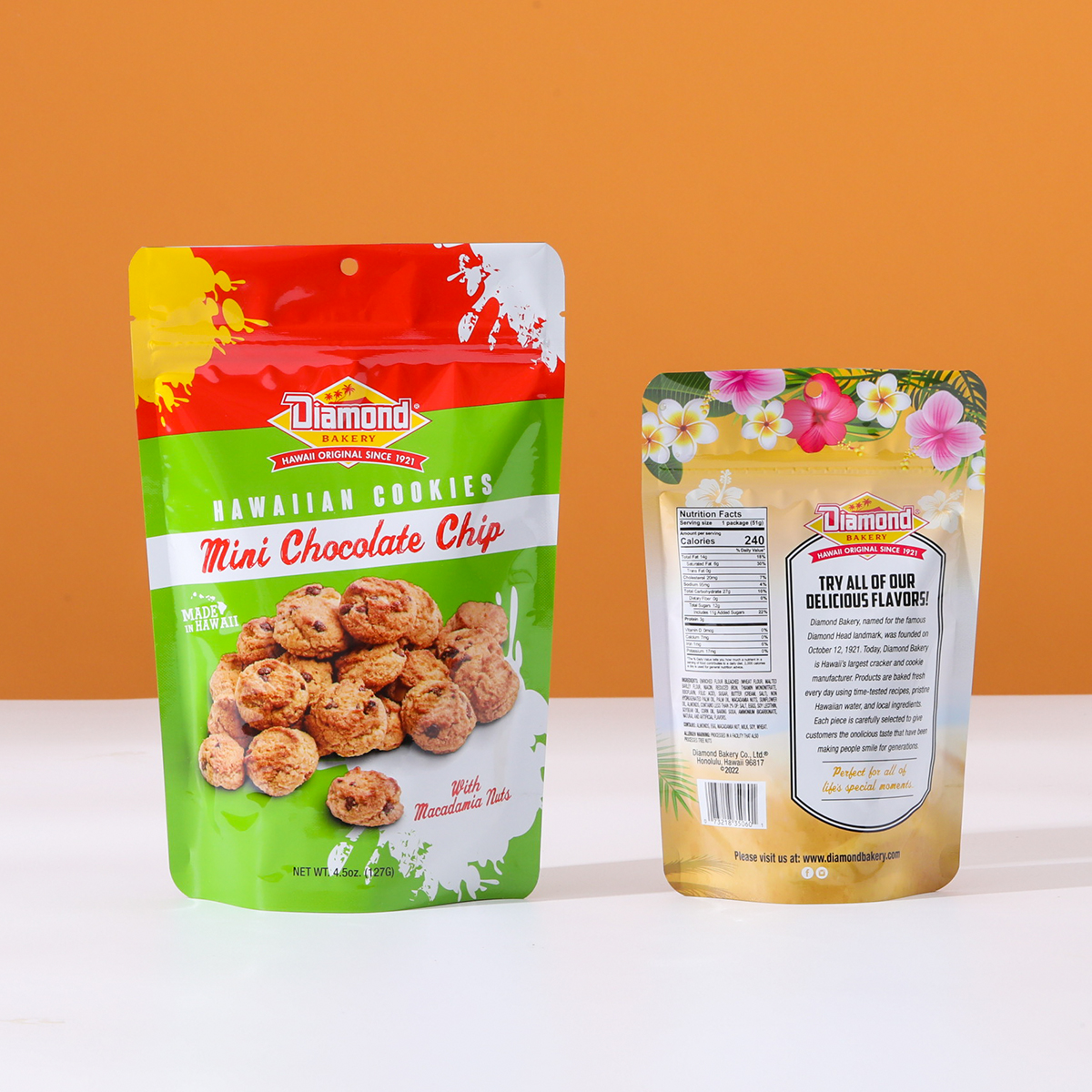
Selecting the correct food bag material is one of the most critical decisions in product development and manufacturing. The right food bag choice directly impacts product safety, shelf life, brand perception, and regulatory compliance. When you choose the wrong food bag material, you expose your business to contamination risks, customer dissatisfaction, and potential legal liabilities. A quality food bag protects contents while preserving freshness and maintaining structural integrity throughout distribution and storage. This guide explains how to evaluate and select the correct food grade plastic for your specific product needs.
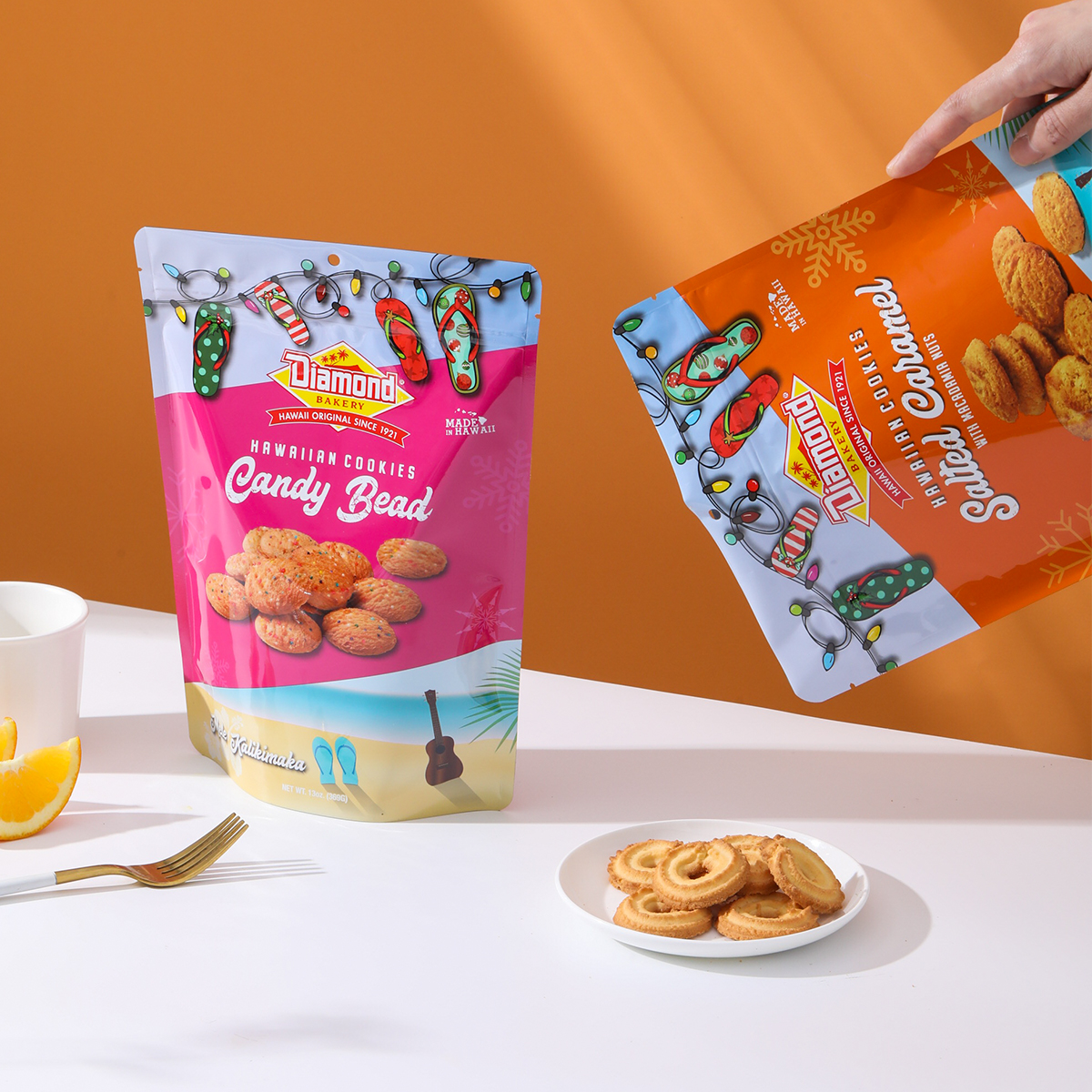
The food packaging industry relies on standardized materials tested and approved for direct food contact. Every food bag used commercially must meet rigorous safety standards established by regulatory bodies like the FDA, European Union regulations, and other international agencies. Understanding material grades, barrier properties, and compatibility factors enables you to match your food bag selection to product requirements. Whether you are packaging dry goods, liquids, or perishable items, the material science behind choosing a food bag involves balancing safety, performance, cost, and environmental considerations.
Understanding Food Grade Plastic Standards and Certifications
Regulatory Requirements for Food Bag Materials
Food grade plastic must comply with specific regulations that govern food contact substances. In the United States, the FDA maintains a list of approved plastics and additives for food packaging applications. A food bag made from compliant materials undergoes rigorous testing to ensure no harmful migration of chemicals into food products. Each food bag manufacturer must provide documentation proving that their materials meet FDA Code of Federal Regulations Title 21 Part 177 or equivalent international standards. When selecting a food bag, always request certification documents that verify regulatory compliance and material safety data.
Common Food Grade Plastic Certifications
Most reputable food bag suppliers carry certifications such as BPA-free, phthalate-free, and FDA approval certificates. These certifications demonstrate that the food bag material has undergone third-party testing and meets established safety benchmarks. A quality food bag carries transparently displayed certification marks, ensuring that regulatory and safety requirements are satisfied. The presence of these certifications on your food bag packaging indicates the manufacturer follows strict quality control protocols. Always verify that a food bag supplier provides up-to-date certifications and compliance documentation before placing large orders.
Key Material Properties to Evaluate in Your Food Bag Selection
Barrier Performance and Oxygen Transmission Rates
Barrier performance is a critical factor when choosing a food bag material for products sensitive to oxidation or moisture. The oxygen transmission rate (OTR) of a food bag determines how effectively it protects contents from atmospheric exposure over time. A food bag with poor barrier properties allows oxygen infiltration, accelerating product degradation and reducing shelf life significantly. High-barrier food bag materials typically incorporate multiple layers or specialty films that block oxygen and moisture effectively. For sensitive products like coffee, spices, or oils, selecting a food bag with superior barrier properties directly extends product viability and maintains quality during storage and transport.
Puncture Resistance and Mechanical Durability
The mechanical strength of a food bag determines its ability to withstand distribution stresses and consumer handling. A durable food bag resists punctures, tears, and stress cracks that could compromise product integrity and food safety. Different food bag applications require varying puncture resistance levels depending on product weight, package size, and distribution channels. Heavier products, sharp-edged contents, or rough handling environments demand food bag materials with enhanced mechanical properties. Testing the food bag under your specific product conditions helps identify whether the material will perform adequately throughout the supply chain and retail environment.
Matching Food Bag Materials to Specific Product Categories
Dry Goods and Shelf-Stable Products
Dry goods packaging requires a food bag that provides moisture protection while maintaining product crispness and texture. A food bag for flour, sugar, grains, or spices benefits from moisture barrier properties and puncture resistance. The food bag material must prevent moisture ingress while allowing minimal gas exchange to maintain freshness. Polyethylene and polypropylene-based food bag films work effectively for most dry goods applications, offering cost-effectiveness and reliable performance. When selecting a food bag for dry goods, prioritize moisture barrier capability and mechanical strength over oxygen transmission rates.
Perishable and Refrigerated Items
Perishable products demand food bag materials with superior oxygen and moisture barrier properties to prevent spoilage and microbial growth. A food bag designed for refrigerated or frozen items must maintain structural integrity at low temperatures without becoming brittle. The food bag material should resist temperature fluctuations during storage and transport without compromising seal integrity. Multi-layer films and specialized plastic blends create food bag solutions that extend shelf life for meat, dairy, and prepared foods significantly. Selecting the correct food bag for perishables requires careful evaluation of both barrier properties and temperature stability characteristics.
Liquid and Semi-Liquid Products
Liquid packaging presents unique challenges for food bag selection due to weight distribution and seal integrity requirements. A food bag holding liquids must feature reinforced seams and high puncture resistance to prevent leakage and product loss. The food bag material must be chemically compatible with the specific liquid to prevent degradation or unwanted interactions. Stand-up pouch designs and specialized food bag configurations with gusseted bottoms provide structural support for liquid products. Testing seal strength and puncture resistance under full-weight conditions is essential before committing to a food bag design for liquid applications.
Environmental and Sustainability Considerations in Food Bag Selection
Biodegradable and Compostable Food Bag Options
Growing consumer demand for sustainable packaging has expanded available options for eco-friendly food bag materials. Biodegradable food bag films derived from plant sources like corn starch or cellulose offer reduced environmental impact compared to conventional plastics. A food bag manufactured from compostable materials must still meet all food safety and performance requirements while supporting sustainability goals. Compostable food bag options carry specific certifications such as EN 13432 or BPI certification that confirm proper degradation in industrial composting facilities. When evaluating biodegradable food bag options, verify that performance characteristics match your product requirements before prioritizing sustainability features.
Recyclable Food Bag Materials and Circular Economy Models
Recyclable food bag materials contribute to circular economy initiatives while maintaining established safety and performance standards. Many conventional food bag plastics like PET and HDPE are widely accepted in municipal recycling programs, reducing landfill waste. A food bag designed for recyclability should clearly display recycling symbols and composition information to encourage proper end-of-life handling. Multi-layer food bag constructions may complicate recyclability, so selecting mono-material food bag designs supports recycling infrastructure when possible. Balancing barrier performance requirements with recyclability goals influences food bag material selection and overall supply chain sustainability.
Cost and Supply Chain Factors in Food Bag Purchasing
Volume Requirements and Minimum Order Quantities
Food bag pricing and availability vary significantly based on order volume, customization requirements, and supplier location. Smaller manufacturers may face higher per-unit food bag costs due to limited production runs and minimum order quantities. Understanding supplier production capacity and lead times helps optimize your food bag inventory management and cash flow. Direct relationships with food bag manufacturers often provide better pricing and faster customization compared to middlemen or distributors. Evaluating total cost of ownership for a food bag includes material costs, shipping, quality verification, and potential redesign expenses.
Quality Assurance and Supplier Evaluation
Selecting a reliable food bag supplier requires verification of manufacturing standards, quality controls, and consistent material performance. Request samples and conduct performance testing before committing to a food bag supplier for volume production. A reputable food bag manufacturer provides specification sheets, batch testing reports, and customer references demonstrating consistent quality delivery. On-site audits of food bag production facilities help ensure compliance with food safety regulations and quality standards. Long-term food bag supplier relationships built on transparency and quality performance reduce supply chain risks and support business continuity.
FAQ
What materials are commonly used for food bag production?
Common food bag materials include polyethylene (PE), polypropylene (PP), polyethylene terephthalate (PET), and multi-layer coextruded films. Each food bag material offers different barrier properties, durability, and cost characteristics suitable for specific applications. High-barrier food bag films often combine polyester, polypropylene, and aluminum or silicon oxide coatings to maximize shelf life protection. Your food bag selection depends on product type, shelf life requirements, and regulatory compliance needs in target markets.
How do I determine the correct thickness for my food bag?
Food bag thickness, measured in microns, should match product weight, distribution stress, and barrier requirements. Lighter products and shelf-stable items typically use food bag thicknesses between 40–70 microns. Heavier products, sharp contents, or aggressive handling environments demand thicker food bag materials ranging from 75–150 microns or more. Testing your specific product under realistic distribution conditions helps determine the minimum food bag thickness required for adequate performance without unnecessary cost.
Are there food bag options for allergen-sensitive products?
Yes, specialized food bag materials and manufacturing processes prevent cross-contamination for allergen-sensitive products. Dedicated production lines for allergen-free food bag manufacturing ensure no trace contamination from previous batches. Food bag suppliers serving allergen-sensitive manufacturers maintain separate equipment, materials, and quality verification protocols. If your product requires allergen protection, confirm that your food bag supplier operates dedicated facilities and can provide certified documentation of proper allergen control measures throughout production.
Table of Contents
- Understanding Food Grade Plastic Standards and Certifications
- Key Material Properties to Evaluate in Your Food Bag Selection
- Matching Food Bag Materials to Specific Product Categories
- Environmental and Sustainability Considerations in Food Bag Selection
- Cost and Supply Chain Factors in Food Bag Purchasing
- FAQ