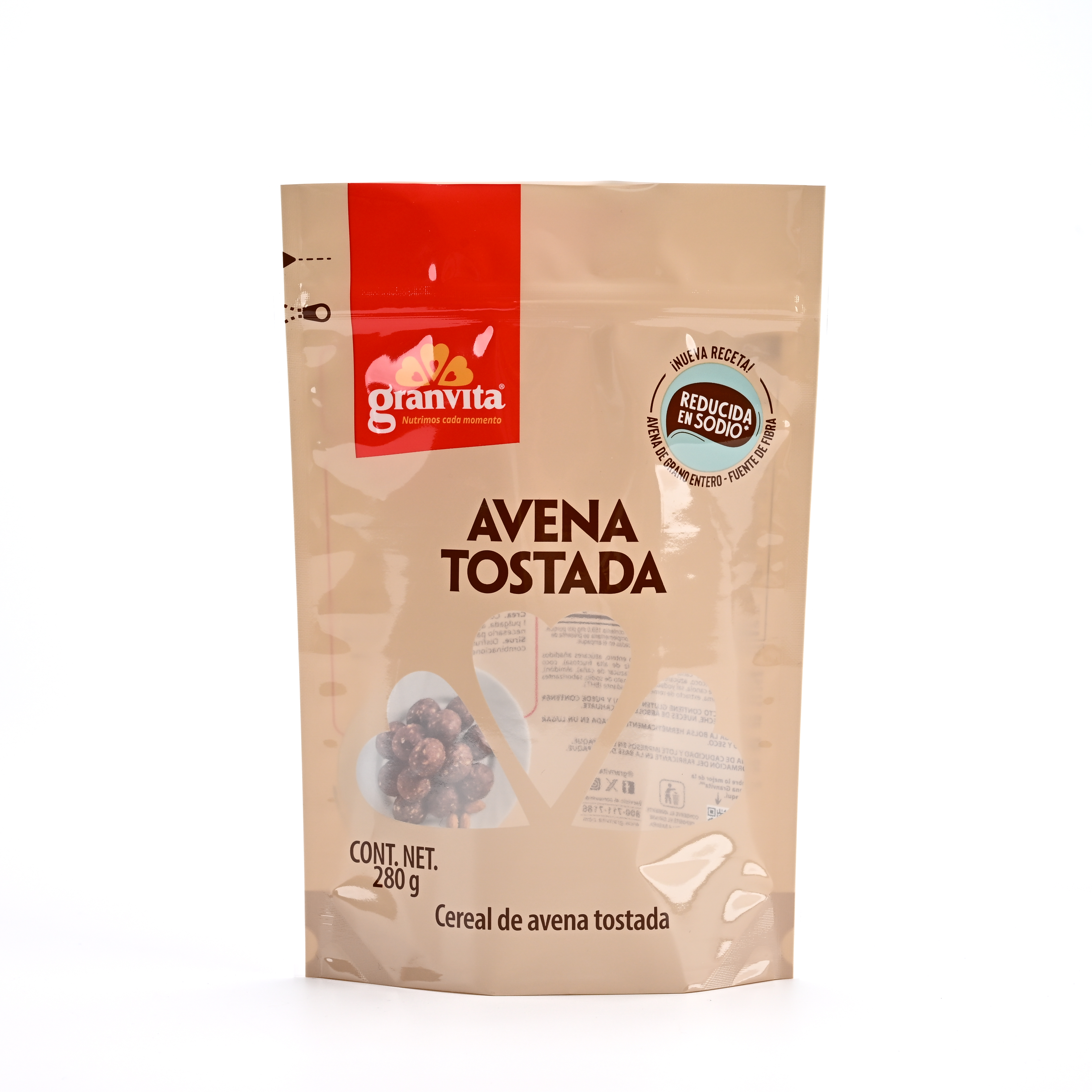
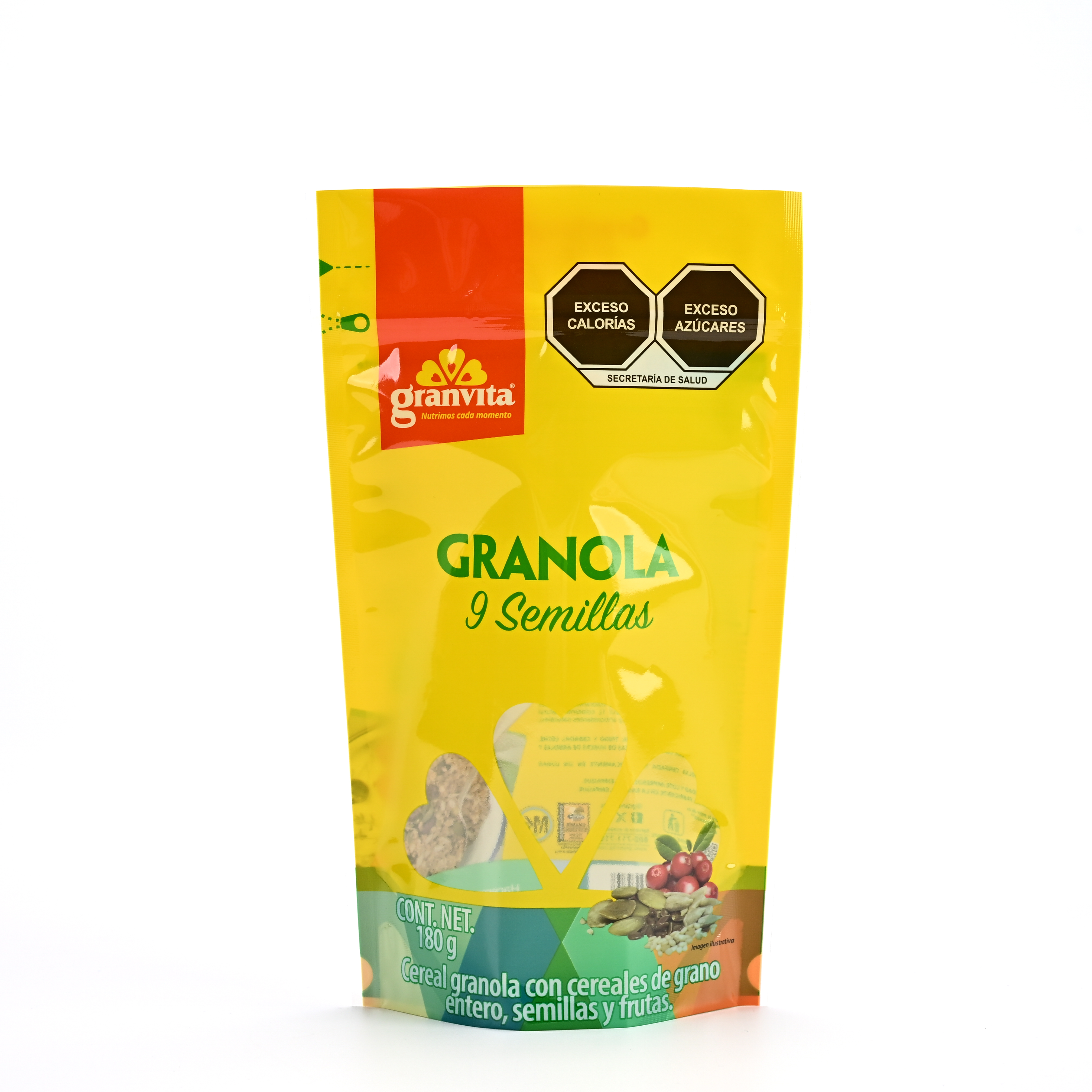
When sourcing packaging solutions for food products, pharmaceuticals, or consumer goods, selecting the right partner among zipper bag manufacturers is a decision that directly impacts product integrity, brand reputation, and customer satisfaction. The quality of zipper bags—ranging from stand-up pouches to flat barrier bags—depends heavily on the manufacturer's adherence to rigorous quality control protocols throughout the production process. Understanding the critical checkpoints that distinguish exceptional zipper bag manufacturers from mediocre suppliers enables procurement professionals and business owners to make informed decisions that protect their products and bottom line.

The evaluation framework for zipper bag manufacturers extends beyond basic pricing considerations to encompass material verification, production consistency, functional testing, and compliance documentation. Professional buyers recognize that quality defects in flexible packaging can lead to product spoilage, customer complaints, regulatory violations, and costly recalls. This comprehensive guide explores the essential quality control checkpoints that should form the foundation of any manufacturer evaluation process, providing actionable criteria for assessing potential suppliers and establishing long-term partnerships with reliable zipper bag manufacturers who consistently deliver products that meet exacting specifications.
Material Verification and Raw Material Quality Control
Film Substrate Inspection Standards
The foundation of any quality zipper bag begins with the film substrates used in lamination. Leading zipper bag manufacturers implement incoming material inspection protocols that verify film thickness uniformity, tensile strength, and optical clarity before materials enter the production floor. These manufacturers utilize precision measurement instruments including micrometers and spectrophotometers to confirm that polyethylene, polypropylene, PET, or aluminum foil layers meet specified tolerances. Material certificates from resin suppliers should be cross-referenced with actual testing results to ensure consistency between declared and actual properties.
Quality-focused zipper bag manufacturers maintain detailed specifications for acceptable variance ranges in film gauge, with typical tolerances held within plus or minus five percent of nominal thickness. This precision matters significantly because thickness variations affect barrier properties, seal strength, and overall bag performance. Manufacturers who skip this incoming inspection step risk producing bags with inconsistent barrier protection, leading to premature product degradation. The evaluation process should include requests for film testing data and verification that manufacturers maintain calibrated measuring equipment with regular certification updates.
Beyond dimensional checks, chemical composition verification ensures that food-grade materials comply with regulatory requirements for direct food contact. Reputable zipper bag manufacturers provide migration testing documentation demonstrating that plasticizers, slip agents, and other additives remain within safe limits established by FDA, EU regulations, or equivalent authorities in target markets. Material traceability systems enable batch-level tracking, allowing manufacturers to quickly identify and isolate any substandard material lots before they compromise finished product quality.
Zipper Component Quality Assessment
The zipper closure mechanism represents a critical functional component that requires dedicated quality control attention among zipper bag manufacturers. High-quality zippers feature precisely molded interlocking profiles manufactured from virgin resins that provide consistent opening force, reliable closure integrity, and durability through multiple open-close cycles. Inferior zipper components exhibit irregular profile dimensions, weak rib structures, or contamination from recycled materials that compromise seal performance. Manufacturers should conduct incoming inspection of zipper tape using go/no-go gauges, pull testing equipment, and visual inspection under magnification to identify defects before attachment to bag structures.
Professional zipper bag manufacturers test closure force requirements using standardized pull testing methodologies, ensuring that bags open easily for consumers while maintaining adequate seal strength to prevent accidental opening during handling and transportation. The balance between accessibility and security varies by application, with child-resistant packaging requiring higher opening forces than convenience-focused consumer goods packaging. Evaluation of potential suppliers should include examination of their testing protocols for measuring peel strength, compression set resistance, and repeated cycling endurance to confirm zipper longevity under real-world conditions.
Material compatibility between zipper components and bag film substrates significantly influences bond strength and overall package integrity. Leading zipper bag manufacturers select zipper materials with thermal properties matched to lamination films, ensuring proper fusion during the sealing process without creating weak points or distortion. Incompatible material pairings result in zipper delamination, a common failure mode that undermines package functionality and creates customer dissatisfaction. Requesting samples representing different substrate combinations helps buyers assess manufacturer competency in material selection and process optimization.
Production Process Quality Control Systems
Lamination Process Monitoring
The lamination stage where multiple film layers are bonded together forms the structural foundation of multi-layer zipper bags, making process control at this stage essential for zipper bag manufacturers. Solvent-based, solventless, and extrusion lamination methods each present unique control challenges requiring different monitoring approaches. Temperature profiling across heating zones, adhesive coat weight measurement, and bond strength testing provide critical feedback for process optimization. Manufacturers who implement real-time monitoring systems with automatic adjustments maintain tighter control over lamination quality compared to those relying solely on periodic manual checks.
Bond strength between laminated layers directly affects barrier performance and bag durability, making peel testing a non-negotiable checkpoint for quality-conscious zipper bag manufacturers. Standard test methods specify minimum peel strength values typically ranging from 150 to 400 grams per inch depending on application requirements and material combinations. Manufacturers should conduct peel tests at regular intervals throughout production runs, with results documented and trended to identify process drift before it produces out-of-specification material. Evaluation visits should include observation of testing frequency, equipment calibration status, and response procedures when results fall outside control limits.
Delamination resistance under stress conditions including temperature extremes, humidity exposure, and product interaction requires validation beyond basic peel strength testing. Progressive zipper bag manufacturers conduct accelerated aging studies and compatibility testing with representative product formulations to verify that laminate structures maintain integrity throughout the intended shelf life. This proactive approach prevents field failures that damage brand reputation and create costly product recalls. Buyers should inquire about aging test protocols and request data demonstrating laminate stability under conditions matching their specific application requirements.
Printing Quality Assurance Procedures
Printing processes used by zipper bag manufacturers—whether flexographic, rotogravure, or digital—require stringent quality controls to ensure color accuracy, registration precision, and ink adhesion consistency. Color management systems utilizing spectrophotometers allow operators to measure color values objectively and make corrections before variations become visible to consumers. Manufacturers implementing closed-loop color control maintain tighter tolerances compared to those relying on subjective visual assessment alone. The evaluation process should examine color measurement frequency, delta-E tolerance standards, and correction response protocols.
Registration accuracy ensures that multiple color layers align properly, preventing blurry edges, color halos, or misplaced design elements that compromise brand presentation. Professional zipper bag manufacturers utilize web guiding systems, tension controls, and operator training programs to maintain registration within tolerances typically specified at plus or minus one millimeter. Registration errors become particularly noticeable in designs featuring fine text, intricate patterns, or precise color transitions. Sample evaluation under magnification reveals registration quality and provides insight into manufacturer process capabilities and attention to detail.
Ink adhesion and rub resistance testing protect printed graphics from damage during handling, transportation, and consumer use. Quality-oriented zipper bag manufacturers conduct tape tests and rub resistance evaluations using standardized methods that simulate real-world abrasion conditions. Ink systems must cure completely and bond securely to film surfaces without flaking, smearing, or transferring to adjacent surfaces. Evaluation should include requests for adhesion test data and physical testing of sample bags to verify that printed graphics withstand normal handling without degradation.
Bag Forming and Sealing Process Controls
The bag making process where zipper bag manufacturers convert printed film rolls into finished pouches represents the final production stage where quality defects can emerge. Heat sealing parameters including temperature, pressure, and dwell time must be precisely controlled to create hermetic seals that contain products securely while preventing seal contamination, weak spots, or excessive shrinkage. Automated bag making equipment with programmable controls enables more consistent results than manually adjusted machines, though operator skill and vigilance remain critical factors regardless of automation level.
Seal integrity testing using bubble leak detection, dye penetration, or pressure decay methods provides objective verification that seals meet minimum performance standards established by zipper bag manufacturers and their customers. Testing frequency typically follows statistical sampling plans with increased inspection rates during setup periods and reduced sampling during stable production runs. Manufacturers should maintain documented procedures specifying test methods, acceptance criteria, and corrective actions for failed tests. Evaluation visits offer opportunities to observe testing practices, examine equipment calibration records, and review reject rate data that indicates process capability.
Dimensional accuracy in finished bags affects both aesthetic presentation and functional performance, making measurement verification an important checkpoint for zipper bag manufacturers. Length, width, gusset depth, and zipper placement tolerances should align with application requirements, with tighter controls needed for automated filling equipment compared to manual packing operations. Progressive manufacturers implement vision inspection systems that automatically measure critical dimensions and reject out-of-specification bags before they enter packaging and shipment. Requesting dimensional data from production runs demonstrates manufacturer capability to maintain consistent output meeting specified tolerances.
Functional Performance Testing Protocols
Barrier Property Validation Methods
Barrier performance represents perhaps the most critical functional attribute for zipper bag manufacturers serving food, pharmaceutical, and specialty chemical markets where product shelf life depends on protection from oxygen, moisture, light, and aroma transmission. Oxygen transmission rate testing using coulometric or manometric methods quantifies barrier effectiveness, with results expressed in cubic centimeters per square meter per day under specified temperature and humidity conditions. High-barrier applications may require WVTR and OTR values measured in single digits or even fractional units, necessitating sophisticated testing equipment and controlled laboratory conditions.
Water vapor transmission rate measurement evaluates moisture barrier performance critical for products sensitive to humidity including dry foods, pharmaceuticals, and hygroscopic chemicals. Zipper bag manufacturers serving moisture-sensitive applications should conduct WVTR testing on representative samples from each production lot, verifying that laminate structures deliver specified barrier levels throughout their operational life. Barrier properties can degrade over time due to adhesive aging, seal creep, or environmental stress, making periodic retesting important for validating shelf life projections and storage condition recommendations.
Light transmission and UV protection testing applies to products damaged by photodegradation including certain vitamins, natural colors, and photosensitive pharmaceuticals. Quality-conscious zipper bag manufacturers utilize spectrophotometers to measure light transmission across relevant wavelength ranges, confirming that opaque or metallized structures provide adequate protection. Testing should encompass both virgin material and aged samples to verify that barrier performance remains stable throughout anticipated storage periods. Buyers should request barrier testing documentation specific to their product requirements rather than accepting generic certification covering different material specifications.
Seal Strength and Package Integrity Testing
Seal strength testing provides quantitative measurement of the force required to separate heat-sealed seams, indicating whether zipper bag manufacturers have optimized sealing parameters for material combinations and application requirements. Peel testing and tensile testing methodologies generate data expressed in pounds per inch or grams per centimeter, with minimum values typically specified based on package size, product weight, and handling conditions. Seal strength requirements for heavy products or packages subjected to drop testing during distribution exceed those for lightweight contents in controlled handling environments.
Burst testing evaluates package integrity under internal pressure conditions simulating scenarios including altitude changes during air freight, temperature fluctuations causing product expansion, or vacuum packing applications. Professional zipper bag manufacturers conduct burst testing by pressurizing sealed bags until failure occurs, measuring burst pressure and identifying failure mode—whether seal separation, film rupture, or zipper release. Understanding failure modes helps optimize package design and material selection for specific application stresses. Evaluation should include reviewing burst test data and observing test procedures to assess manufacturer rigor and technical competency.
Drop testing simulates transportation and handling impacts that packages encounter throughout distribution chains, revealing potential failure points that might not emerge during static testing. Quality-oriented zipper bag manufacturers conduct drop testing from heights representing worst-case handling scenarios, with packages oriented to stress seals, corners, and zipper attachments. Successful packages should withstand specified drop heights without rupture, leakage, or seal failure. Requesting drop test data and viewing test procedures provides insight into manufacturer understanding of real-world performance requirements beyond basic material properties.
Zipper Functionality and Durability Assessment
Zipper functionality testing conducted by professional zipper bag manufacturers measures the force required to open closures, seal integrity after closure, and durability through repeated open-close cycles. Opening force testing ensures consumer accessibility while preventing accidental opening during handling, with acceptable ranges varying by target demographic and application. Child-resistant packaging requires significantly higher opening forces than general consumer packaging, necessitating different zipper designs and testing protocols. Manufacturers should provide opening force data demonstrating consistency within specified ranges across production batches.
Cycle testing subjects zippers to repeated opening and closing operations, typically ranging from 10 to 50 cycles depending on application expectations and reusability claims. High-quality zipper bag manufacturers utilize automated testing equipment that cycles zippers under controlled conditions while monitoring for profile wear, seal degradation, or closure failure. Products marketed for multiple uses require more aggressive cycle testing than single-use applications. Evaluation should examine testing protocols, equipment capabilities, and pass/fail criteria aligned with realistic consumer usage patterns.
Leak testing after zipper closure verifies that the interlocking mechanism creates an effective seal preventing product leakage or contamination ingress. Zipper bag manufacturers should conduct leak testing using methods appropriate to application requirements, whether bubble detection for liquid containment or tracer gas measurement for hermetic sealing. Testing should encompass closure performance across the full zipper length, identifying any weak zones or end effects that might compromise seal integrity. Requesting leak test data and observing test procedures reveals manufacturer commitment to functional performance beyond visual appearance.
Compliance Documentation and Certification Requirements
Food Contact Material Compliance
Zipper bag manufacturers serving food packaging applications must provide comprehensive documentation demonstrating compliance with food contact regulations in target markets. FDA compliance for United States distribution requires adherence to Title 21 CFR specifications covering food contact substances, with manufacturers maintaining formulation records, migration testing data, and supplier certifications for all materials in contact with food products. European markets require compliance with EU Regulation 10/2011 and Framework Regulation 1935/2004, imposing specific migration limits and positive lists for authorized substances.
Migration testing documentation should demonstrate that potential extractables from packaging materials remain below regulatory limits under worst-case contact conditions including elevated temperatures, extended contact times, and fatty food simulants. Reputable zipper bag manufacturers conduct or commission migration testing at accredited laboratories using standardized protocols that simulate actual product contact scenarios. Test reports should specify testing conditions, analytical methods, detection limits, and measured migration levels for all relevant compounds. Buyers should verify that testing protocols match their specific product characteristics rather than accepting generic certification covering different use conditions.
Supplier letters of guarantee and material safety data sheets represent important supporting documentation that quality-focused zipper bag manufacturers provide to demonstrate material compliance and traceability. These documents trace material composition back to resin manufacturers and confirm that all components meet food contact requirements. Complete documentation packages enable food manufacturers to satisfy regulatory authorities and respond to customer inquiries regarding packaging safety. Evaluation should verify that manufacturers maintain organized documentation systems with readily accessible records covering all material components.
Quality Management System Certifications
ISO 9001 certification demonstrates that zipper bag manufacturers have implemented structured quality management systems encompassing documented procedures, internal audits, corrective action processes, and continuous improvement initiatives. While certification alone does not guarantee superior product quality, it indicates organizational commitment to systematic quality control and provides a framework for consistent performance. Evaluation should examine certification scope, accreditation body credentials, and audit frequency to assess certification validity and rigor.
Industry-specific certifications including BRC Packaging, FSSC 22000, or SQF provide additional assurance that zipper bag manufacturers have implemented food safety management systems appropriate to packaging operations. These certifications require more stringent controls than general quality management standards, addressing contamination prevention, allergen management, and foreign material exclusion specific to food contact packaging. Manufacturers holding food safety certifications demonstrate enhanced capability to serve food industry clients with heightened safety expectations. Requesting copies of current certificates and audit reports provides visibility into certification status and any outstanding corrective actions.
Environmental certifications including recyclability verification, compostability compliance, or sustainability assessments address growing market demands for environmentally responsible packaging. Progressive zipper bag manufacturers obtain third-party certification for recyclable materials through organizations like How2Recycle or achieve compostability certification meeting ASTM D6400 or EN 13432 standards. These certifications require testing and verification beyond manufacturer claims, providing credible substantiation for environmental marketing claims. Evaluation should examine the scope and validity of environmental certifications relative to sustainability goals and regulatory requirements in target markets.
Traceability and Batch Control Systems
Comprehensive traceability systems implemented by professional zipper bag manufacturers enable rapid identification and isolation of specific production batches in the event of quality issues or customer complaints. Effective traceability links finished products back through converting operations to source materials, recording production dates, machine assignments, operator identifications, and quality control test results. This granular traceability minimizes the scope of potential recalls and accelerates root cause investigation when problems occur.
Lot coding and marking systems should provide unique identification for each production batch, with codes clearly printed or embossed on finished bags in locations that remain legible throughout distribution and use. Progressive zipper bag manufacturers utilize automated coding systems integrated with production equipment, eliminating manual coding errors and ensuring consistent placement. Code formats should incorporate sufficient information to enable traceability while remaining concise enough for practical application. Evaluation should examine coding systems, legibility verification procedures, and database systems linking codes to production records.
Mock recall exercises conducted by quality-conscious zipper bag manufacturers test the effectiveness of traceability systems and organizational responsiveness to potential quality crises. These simulations verify that tracking systems function correctly, communication protocols work effectively, and response teams can execute recall procedures within required timeframes. Manufacturers who conduct regular mock recalls demonstrate preparedness for real incidents and commitment to minimizing customer impact. Buyers should inquire about mock recall practices and request evidence of successful traceability verification exercises.
Supplier Audit and Ongoing Monitoring Strategies
On-Site Assessment Methodology
Physical audits of zipper bag manufacturers provide invaluable insights into operational capabilities, quality culture, and production environments that cannot be evaluated through documentation review alone. Structured audit protocols should encompass facility cleanliness, equipment maintenance status, quality control laboratory capabilities, material storage conditions, and operator training levels. Experienced auditors observe actual production operations rather than relying solely on guided tours and prepared presentations, identifying discrepancies between documented procedures and actual practices.
Equipment condition and maintenance programs indicate manufacturer commitment to consistent production quality and long-term operational stability. Well-maintained facilities feature equipment operating within specification, documented preventive maintenance schedules, and spare parts availability that minimizes unplanned downtime. Conversely, deferred maintenance, improvised repairs, and equipment operating beyond intended service life signal potential quality and reliability risks. Audit teams should examine maintenance records, observe equipment operation, and assess whether manufacturers invest adequately in production infrastructure.
Interactions with production personnel during facility visits reveal training effectiveness, quality awareness, and organizational culture at zipper bag manufacturers. Operators who understand their role in quality outcomes, recognize defect types, and follow documented procedures contribute to consistent product quality. Conversely, confusion about specifications, inadequate training, or limited quality awareness indicates systemic weaknesses that may manifest as inconsistent product quality. Auditors should engage operators directly with technical questions about processes and quality standards to assess competency levels beyond management presentations.
Sample Testing and Validation Programs
Independent testing of production samples provides objective verification that zipper bag manufacturers deliver products meeting specifications beyond supplier-provided test data. Third-party laboratory testing eliminates potential conflicts of interest and provides credible validation of barrier properties, seal strength, material composition, and functional performance. Testing should encompass samples from multiple production lots across time periods to verify consistency rather than relying on single-batch evaluation that might not represent typical performance.
Accelerated aging studies conducted on samples from zipper bag manufacturers simulate extended storage periods under elevated temperature and humidity conditions, revealing potential degradation modes that might emerge during actual shelf life. These studies help validate barrier stability, adhesive aging characteristics, and material compatibility under stress conditions exceeding normal storage environments. Buyers should commission aging studies before committing to large-scale production, particularly for applications involving long shelf life requirements or challenging environmental conditions.
Real-world performance testing using actual products in finished packaging provides the ultimate validation of packaging suitability beyond laboratory testing alone. Field trials should encompass complete distribution cycles including warehousing, transportation, retail display, and consumer handling to identify any performance issues that might not emerge during controlled testing. Progressive buyers implement field testing programs before full commercial launch, identifying and correcting packaging deficiencies while exposure remains limited. Collaboration with zipper bag manufacturers during field testing phases enables joint problem-solving and optimization before issues affect broader production volumes.
Performance Monitoring and Continuous Improvement
Ongoing performance monitoring systems track quality metrics including defect rates, customer complaints, delivery performance, and corrective action responsiveness to verify that zipper bag manufacturers maintain consistent performance over time. Key performance indicators should be defined during supplier selection and monitored regularly throughout the business relationship, with formal reviews conducted quarterly or semi-annually. Metrics trending in unfavorable directions signal emerging issues requiring proactive intervention before they escalate into significant problems.
Formal corrective action processes ensure that quality issues identified at zipper bag manufacturers receive systematic root cause analysis and permanent corrective measures rather than temporary fixes addressing symptoms alone. Effective corrective action systems investigate underlying causes, implement preventive measures, and verify correction effectiveness through follow-up monitoring. Buyers should evaluate manufacturer corrective action responsiveness, root cause analysis depth, and prevention effectiveness when issues occur. Manufacturers demonstrating genuine commitment to continuous improvement view quality issues as improvement opportunities rather than problems to be minimized or concealed.
Collaborative improvement initiatives between buyers and zipper bag manufacturers create value through joint innovation, process optimization, and mutual capability development. Progressive business relationships extend beyond transactional purchasing to encompass shared quality goals, technical collaboration, and long-term partnership development. These relationships enable proactive problem prevention, accelerated new product development, and competitive advantages through packaging innovation. Evaluation criteria should consider manufacturer willingness to engage in collaborative relationships rather than viewing suppliers as interchangeable commodity providers.
FAQ
What are the most critical quality control checkpoints when evaluating zipper bag manufacturers?
The most critical quality control checkpoints include incoming material verification to ensure film substrates and zipper components meet specifications, lamination process monitoring to verify proper layer bonding and barrier formation, seal integrity testing to confirm hermetic closure performance, and functional zipper testing to validate opening force and durability through repeated cycles. Additionally, comprehensive documentation covering food contact compliance, quality system certifications, and traceability systems represents essential evaluation criteria. Effective assessment combines documentation review with physical audits, independent testing, and ongoing performance monitoring to verify that manufacturers consistently deliver products meeting specifications across multiple production batches over extended time periods.
How can buyers verify that zipper bag manufacturers maintain consistent quality across different production runs?
Verifying consistency requires implementing structured sampling and testing programs that evaluate products from multiple production lots across time periods rather than relying on single-batch assessment. Buyers should request retained samples from previous production runs, commission independent third-party testing on samples from different lots, and establish incoming inspection protocols that verify critical parameters including dimensions, barrier properties, and seal strength on each shipment. Statistical process control data from manufacturers provides additional insight into process capability and variation patterns. Long-term monitoring of defect rates, customer feedback, and corrective action frequency reveals whether manufacturers maintain stable performance or exhibit quality drift requiring intervention.
What documentation should zipper bag manufacturers provide to demonstrate food contact compliance?
Comprehensive food contact compliance documentation includes material formulation declarations listing all components and additives, migration testing reports from accredited laboratories demonstrating compliance with FDA or EU regulations under relevant contact conditions, supplier letters of guarantee confirming raw material compliance, and certificates of analysis for each production batch. Additional supporting documentation may include regulatory status summaries, third-party compliance certifications, and technical data sheets for all material components. Documentation should be specific to actual material formulations and contact conditions rather than generic statements, with testing protocols matching end-use applications including temperature exposure, contact duration, and food type considerations relevant to the specific packaging application.
How frequently should buyers conduct audits of zipper bag manufacturers to ensure ongoing quality performance?
Audit frequency should reflect risk levels, relationship maturity, and performance history with individual manufacturers. New supplier relationships typically warrant initial comprehensive audits before production commitment, followed by focused audits after six months and annually thereafter once stable performance is established. High-risk applications including pharmaceutical packaging or products with stringent regulatory requirements may justify more frequent audit cycles. Manufacturers demonstrating consistent excellence over extended periods may qualify for reduced audit frequency, while those with performance issues or corrective actions require increased oversight until improvements are verified. Supplementing periodic comprehensive audits with focused assessments targeting specific processes or recent changes provides ongoing visibility while optimizing audit resource allocation.
Table of Contents
- Material Verification and Raw Material Quality Control
- Production Process Quality Control Systems
- Functional Performance Testing Protocols
- Compliance Documentation and Certification Requirements
- Supplier Audit and Ongoing Monitoring Strategies
-
FAQ
- What are the most critical quality control checkpoints when evaluating zipper bag manufacturers?
- How can buyers verify that zipper bag manufacturers maintain consistent quality across different production runs?
- What documentation should zipper bag manufacturers provide to demonstrate food contact compliance?
- How frequently should buyers conduct audits of zipper bag manufacturers to ensure ongoing quality performance?