 EN
EN

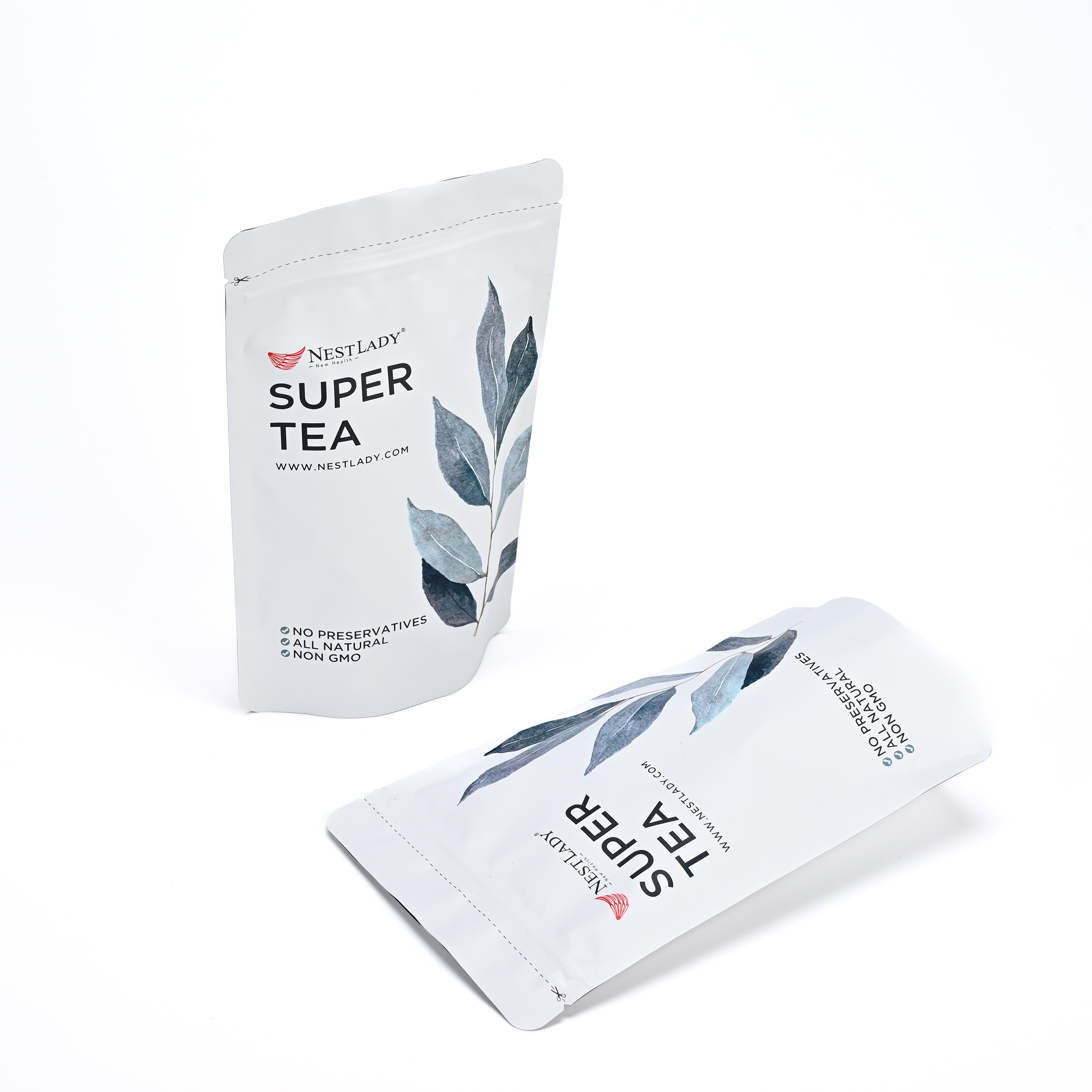
Consumer behavior has fundamentally shifted toward products that offer convenience and value beyond the basic offering itself. One of the most significant drivers of this shift is packaging design, particularly the adoption of resealable zipper bag solutions. A zipper bag represents far more than simple storage; it embodies consumer expectations for freshness preservation, ease of use, and environmental responsibility. Retailers and manufacturers who understand why resealable zipper bag designs resonate with shoppers gain a competitive advantage in driving repeat purchases and brand loyalty.
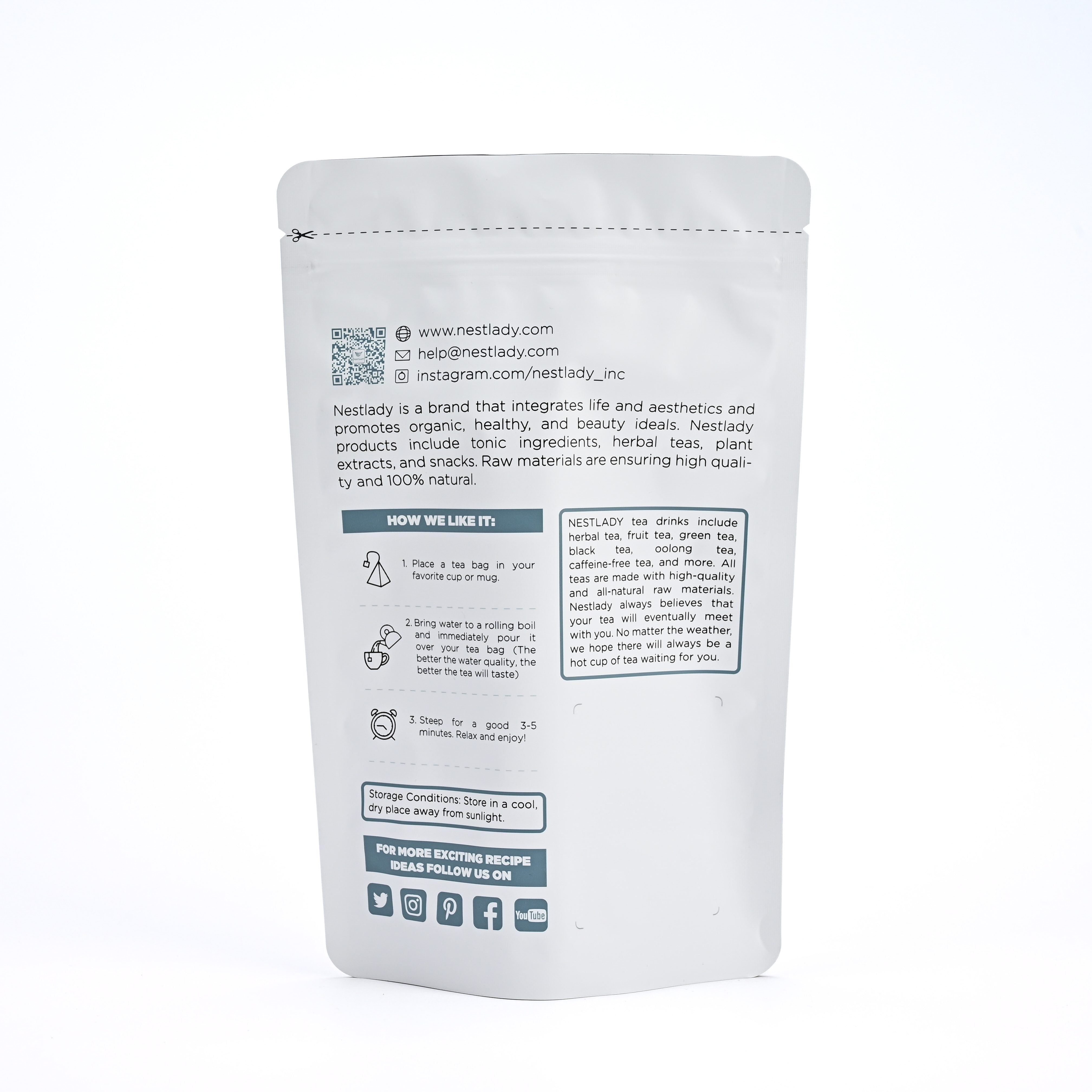
The modern consumer makes purchasing decisions based on multiple criteria, and packaging functionality ranks surprisingly high among them. When customers encounter a zipper bag at the point of sale, they immediately recognize the practical benefits: the ability to reseal the package, maintain product freshness over time, and avoid waste. This tangible feature directly influences buying intent, particularly in categories like coffee, spices, pet food, snacks, and bath products where product deterioration is a real concern. Understanding the psychological and practical reasons why resealable zipper bag formats outperform traditional packaging is essential for any brand seeking to maximize sales performance.
The Consumer Demand for Freshness and Convenience
How Resealable Design Meets Daily Consumer Needs
Consumers purchase products with the expectation that they can use them gradually over time while maintaining quality. A zipper bag solves this fundamental problem by allowing customers to reseal the package after each use, preventing oxidation, moisture loss, and contamination. This capability transforms the zipper bag from a passive container into an active participant in product preservation. When shoppers compare a traditional sealed pouch against a resealable zipper bag, the advantage becomes immediately obvious: no need for external storage containers, no wasted product, and no guesswork about shelf life once opened.
The Competitive Edge of Resealable Packaging
In crowded retail shelves, a zipper bag stands out as a signal of quality and manufacturer care. Consumers interpret the presence of a resealable zipper bag as evidence that the brand understands their lifestyle and values their satisfaction. This perception translates directly into purchase decisions, particularly among premium and health-conscious segments who are willing to pay more for products in better packaging. The zipper bag becomes a tangible differentiator that justifies higher price points and encourages customers to choose one brand over competitors offering identical products in inferior packaging.
Economic and Sustainability Drivers Behind Zipper Bag Adoption
Reducing Waste and Extending Product Value
Modern consumers increasingly factor environmental impact into purchasing decisions, and a zipper bag directly addresses waste reduction concerns. When a product comes in a resealable zipper bag, customers can preserve contents for longer periods, reducing the likelihood of throwing away partially used items. This sustainability benefit resonates strongly with environmentally conscious demographics and aligns with broader corporate responsibility messaging. A zipper bag that keeps coffee fresh for weeks longer than a tear-open pouch or traditional tin has genuine environmental value, making it a legitimate selling point rather than mere marketing rhetoric.
Cost Justification and Consumer Value Perception
From a consumer perspective, a zipper bag justifies a premium price when compared to basic packaging alternatives. The resealable feature represents genuine added value that extends product usability and reduces household waste. This economic rationalization encourages consumers to accept higher retail prices and view the purchase as an investment in quality rather than a mere commodity transaction. Brands leveraging this positioning find that customers develop loyalty around the zipper bag format itself, returning repeatedly because they have become accustomed to the convenience and reliability that resealable packaging provides.
Industry-Specific Applications Driving Sales Performance
Category Success Across Food and Non-Food Markets
The resealable zipper bag format has proven remarkably successful across diverse product categories, each with distinct consumer motivations. In coffee markets, a zipper bag preserves aroma and flavor intensity, addressing the primary quality concern of serious coffee consumers. In pet food categories, resealable zipper bag designs prevent staleness and pest access, directly impacting pet health outcomes and owner peace of mind. For spices and seasonings, a zipper bag maintains potency and prevents moisture damage, extending the useful life of premium products. Bath salts, soaps, and cosmetics benefit from zipper bag protection against humidity and contamination, ensuring product integrity through the entire consumption period.
Measurable Impact on Repeat Purchase Rates
Retailers and manufacturers consistently report that products packaged in resealable zipper bag formats experience higher repeat purchase rates compared to identical products in conventional packaging. This performance improvement stems directly from positive consumer experiences with the zipper bag functionality, which builds confidence and satisfaction. When customers encounter a high-quality resealable zipper bag that performs reliably, they develop brand affinity and actively seek out the product on subsequent shopping trips. This behavioral pattern directly translates into increased sales velocity and improved margins through reduced price promotion dependency.
Design and Material Considerations That Influence Consumer Choice
Premium Packaging Perception Through Zipper Bag Quality
Not all zipper bag implementations are equal, and consumers quickly differentiate between well-engineered resealable designs and poorly constructed alternatives. A zipper bag constructed with robust materials and smooth-operating mechanisms signals quality and reliability, reinforcing positive purchasing intent. When a zipper bag functions smoothly and provides reliable sealing, consumers perceive the entire product as more premium and worthy of repeat purchases. Conversely, a zipper bag with poorly designed or unreliable sealing mechanisms damages brand reputation and reduces the likelihood of repeat purchases, even when the actual product quality remains excellent.
Sustainability Credentials and Material Selection
Contemporary consumers increasingly investigate packaging materials and environmental impact, making material selection a critical factor in zipper bag effectiveness. A zipper bag constructed from recyclable or biodegradable materials amplifies the sustainability narrative and appeals to environmentally conscious demographics. When a brand offers a resealable zipper bag in eco-friendly materials, it sends a powerful signal that quality, convenience, and environmental responsibility are not mutually exclusive. This alignment with consumer values creates emotional connection and justifies premium pricing, ultimately driving higher sales and stronger brand loyalty than competing products in conventional packaging.
FAQ
Why do consumers prefer zipper bags over traditional sealed packaging?
Consumers prefer a zipper bag because it offers practical control over product preservation after opening. A resealable zipper bag prevents oxidation, moisture loss, and contamination, ensuring products remain fresh throughout consumption. This functionality eliminates the need for external storage containers and reduces product waste, delivering genuine value that translates directly into purchasing decisions. The ability to reseal a zipper bag also signals to consumers that manufacturers understand their needs and care about product quality, building trust and encouraging repeat purchases.
How does zipper bag packaging impact product pricing and margins?
Products packaged in a zipper bag typically command premium pricing compared to identical products in basic packaging, and consumers willingly accept these higher prices due to perceived added value. A zipper bag justifies cost premiums through genuine functionality and sustainability benefits, allowing brands to maintain healthier margins without excessive discounting. The improved repeat purchase rates generated by resealable zipper bag formats further enhance profitability by reducing customer acquisition costs and increasing lifetime value. Retailers also benefit from stronger inventory turnover and reduced shrinkage associated with zipper bag packaged products.
Which product categories benefit most from resealable zipper bag design?
A zipper bag delivers particularly strong performance in categories where freshness, portion control, and pest prevention matter significantly to consumers. Coffee, tea, spices, seasonings, and pet food represent the highest-impact categories where resealable zipper bag formats drive measurable sales improvements. Bath products, cosmetics, snacks, and specialty foods also benefit substantially from zipper bag packaging. Any product category where consumers value freshness preservation, convenience, and waste reduction can expect improved sales performance and customer satisfaction through adoption of high-quality resealable zipper bag packaging solutions.