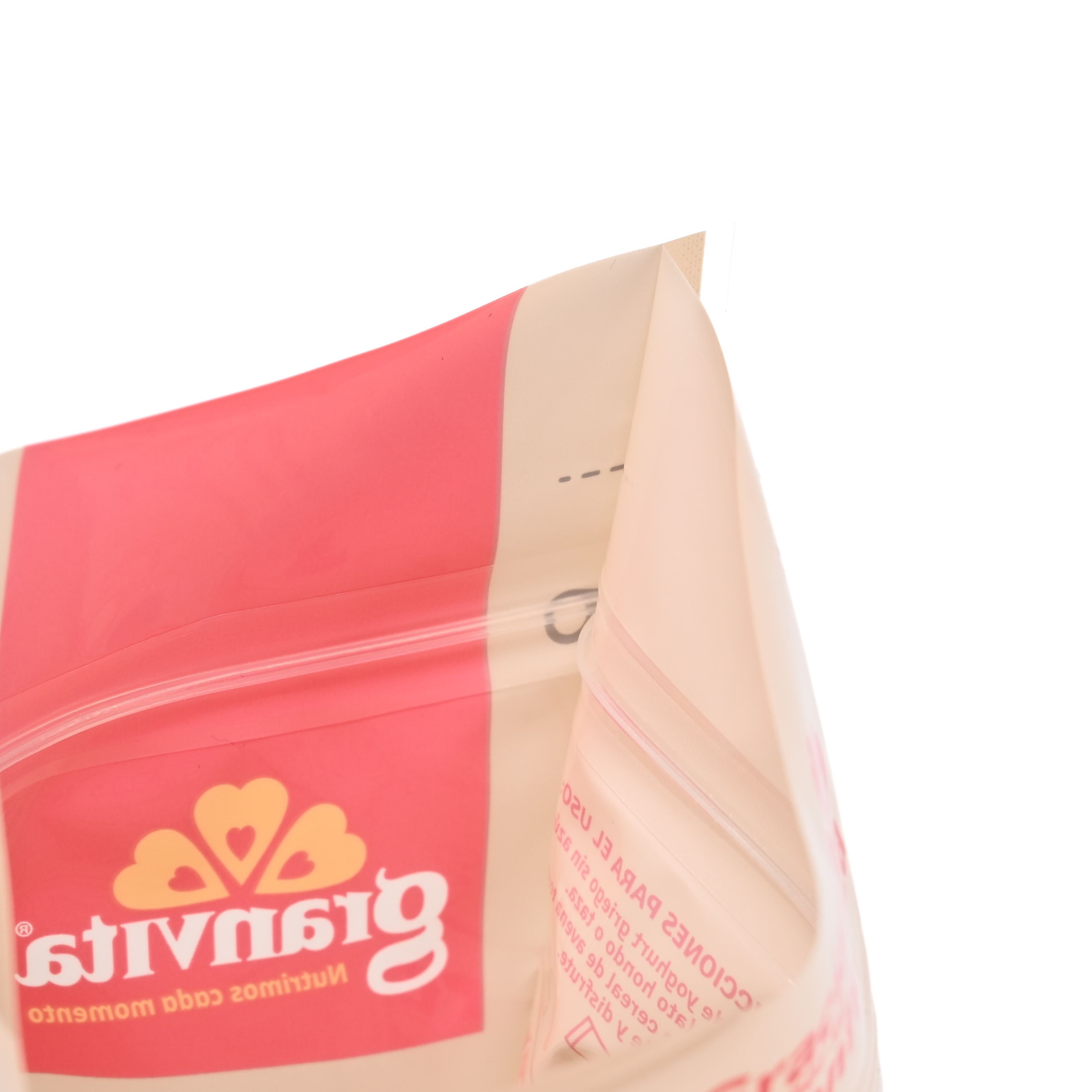
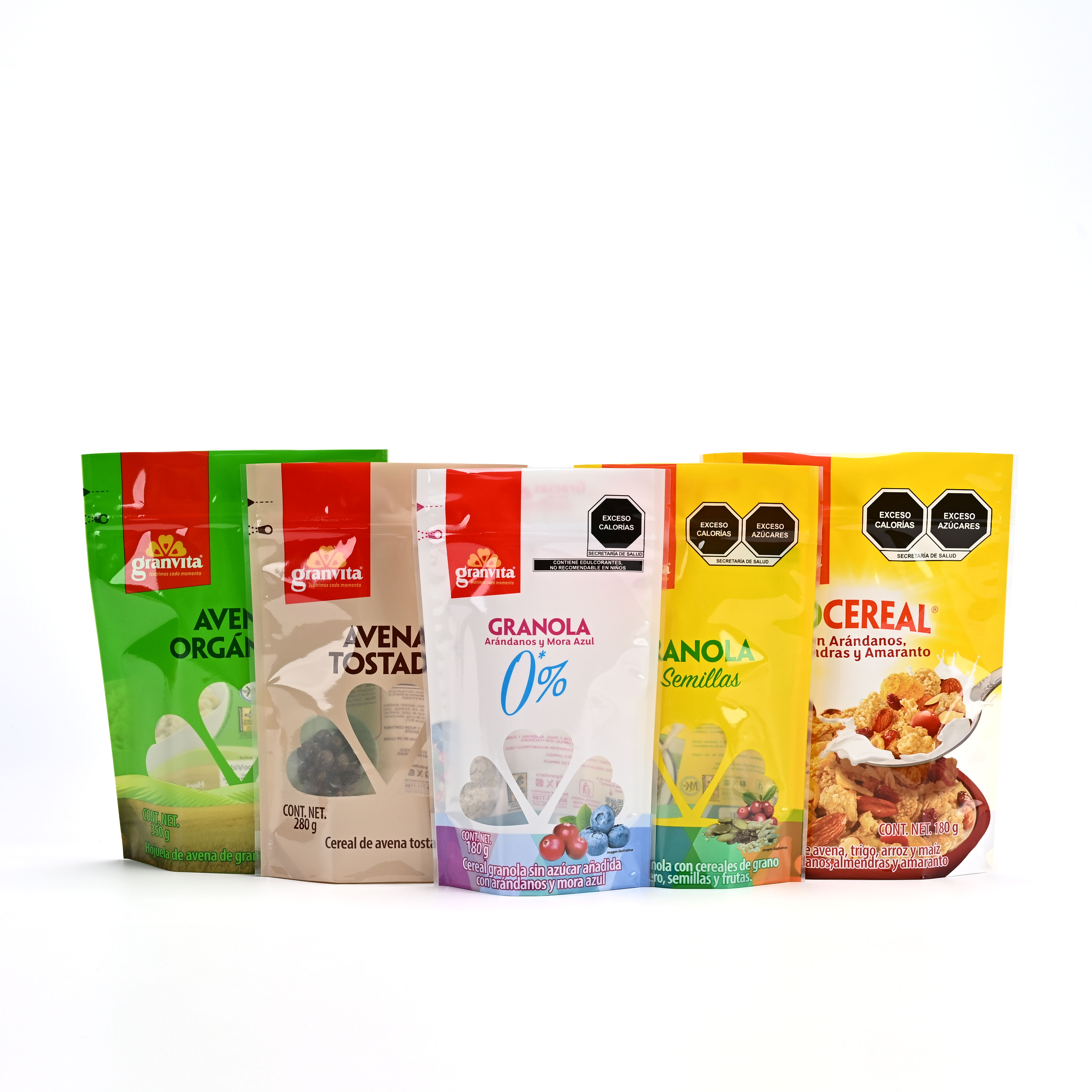
In the competitive landscape of packaging solutions, businesses handling liquid and powder products face a critical challenge: ensuring containment integrity throughout storage, transportation, and retail display. The selection of appropriate leak-proof zipper bags represents more than a simple packaging decision—it directly impacts product quality, brand reputation, customer satisfaction, and compliance with safety standards. Whether you're packaging protein powders, liquid supplements, food ingredients, cosmetic products, or industrial chemicals, the sourcing process demands careful evaluation of material specifications, zipper mechanisms, supplier capabilities, and quality assurance protocols. This comprehensive guide addresses the specific considerations that procurement professionals, product managers, and business owners must navigate when sourcing leak-proof zipper bags designed to contain challenging liquid and powder formulations without compromise.

The complexity of sourcing leak-proof zipper bags stems from the intersection of material science, manufacturing precision, and application-specific requirements. Unlike standard packaging, leak-proof solutions must demonstrate verifiable barrier properties, mechanical strength under pressure, and seal integrity across temperature variations and handling conditions. The sourcing journey involves understanding film lamination structures, zipper track engineering, sealing technologies, and testing methodologies that validate performance claims. Furthermore, the increasing emphasis on sustainability, regulatory compliance, and supply chain transparency adds layers of consideration that extend beyond basic functional specifications. Successful sourcing requires a systematic approach that balances technical performance requirements with commercial considerations including minimum order quantities, lead times, customization capabilities, and total cost of ownership across the product lifecycle.
Understanding Critical Performance Requirements for Leak-Proof Zipper Bags
Material Barrier Properties and Lamination Structures
The foundation of effective leak-proof zipper bags lies in the multi-layer film construction that provides barrier protection against moisture, oxygen, light, and external contaminants. High-performance leak-proof zipper bags typically employ laminated structures combining polyethylene terephthalate (PET) for structural integrity, aluminum foil or metallized films for superior barrier properties, and polyethylene (PE) for heat-sealing capabilities. The selection of lamination structure depends on the specific characteristics of the product being packaged—volatile liquids require enhanced vapor barriers, while hygroscopic powders demand exceptional moisture resistance. When sourcing, buyers must request detailed specifications on film thickness measured in microns, oxygen transmission rate (OTR), water vapor transmission rate (WVTR), and puncture resistance values. These quantifiable metrics enable objective comparison between suppliers and ensure the selected leak-proof zipper bags meet the protective requirements of the specific liquid or powder formulation.
Advanced lamination technologies such as solvent-free dry lamination and extrusion coating directly influence the integrity and safety of leak-proof zipper bags. Solvent-free processes eliminate residual chemical concerns particularly critical for food-grade and pharmaceutical applications, while providing stronger interlayer bonding that resists delamination under stress. The adhesive chemistry used in lamination affects not only bond strength but also compatibility with the packaged product—certain liquids or powders with specific pH levels or chemical compositions may interact with adhesive layers over time. Responsible sourcing involves verifying that suppliers conduct migration testing to ensure no harmful substances transfer from packaging materials to contents. Additionally, the orientation of films—machine direction versus transverse direction—impacts tear resistance and zipper stress distribution, factors that become crucial when bags undergo repeated opening and closing cycles or experience handling stress during distribution.
Zipper Mechanism Engineering and Seal Integrity
The zipper closure system represents the most critical vulnerability point in leak-proof zipper bags, demanding precise engineering to achieve hermetic sealing under diverse conditions. Traditional interlocking zipper profiles consist of male and female tracks that create mechanical closure through pressure application, but true leak-proof performance requires additional sealing features including compression ribs, multiple interlocking channels, and specialized profile geometries. Premium leak-proof zipper bags incorporate press-to-close (PTC) zipper systems with tactile and audible feedback mechanisms that confirm complete closure, reducing user error that commonly leads to leakage incidents. When evaluating suppliers, procurement teams should investigate the zipper manufacturer partnerships—established zipper brands with proven track records in food and pharmaceutical industries provide greater assurance than generic components. The integration method between zipper and film substrate also warrants attention, as ultrasonic welding and heat-sealing techniques vary in their ability to create leak-proof bonds that withstand internal pressure from liquid contents or shifting powder materials.
Testing protocols for zipper integrity should form a central component of the sourcing evaluation process for leak-proof zipper bags. Reputable suppliers conduct burst testing to measure the internal pressure threshold before seal failure, typically expressed in kilopascals (kPa), with quality standards for liquid packaging often requiring minimum burst strengths of 70-100 kPa. Leak testing methodologies include submersion tests where filled and sealed bags undergo underwater immersion while pressurized to detect bubble formation indicating seal compromise. Additionally, drop testing simulates distribution impacts by repeatedly dropping filled bags from specified heights onto hard surfaces to verify that both zipper closures and film seals remain intact. Vacuum decay testing provides another validation approach, measuring pressure changes within sealed bags placed in vacuum chambers to identify even microscopic leak pathways. When sourcing leak-proof zipper bags, requesting comprehensive test reports and certificates of conformance ensures that performance claims are substantiated rather than merely asserted.
Temperature Resistance and Environmental Stability
The operational environment significantly influences the performance reliability of leak-proof zipper bags, making temperature resistance specifications essential sourcing criteria. Liquid products particularly face expansion and contraction cycles during storage and transportation, creating internal pressure variations that stress zipper seals and film substrates. High-quality leak-proof zipper bags maintain seal integrity across temperature ranges from freezer conditions (-18°C to -25°C) through ambient storage to elevated temperatures encountered during summer transportation (up to 60°C). The coefficient of thermal expansion differs among laminate layers, potentially causing delamination or seal failure if material compatibility is poorly engineered. Buyers should verify that suppliers conduct accelerated aging studies where filled bags undergo thermal cycling protocols that simulate months of real-world exposure condensed into weeks of laboratory testing. These studies reveal whether zipper mechanisms become brittle at low temperatures or lose compression force at elevated temperatures, and whether adhesive bonds maintain integrity across the anticipated environmental spectrum.
Beyond temperature considerations, environmental factors including humidity, UV exposure, and mechanical stress during handling influence the long-term performance of leak-proof zipper bags. Powder products absorb moisture from atmospheric exposure if packaging barriers fail, causing clumping, degradation, or microbial growth that renders products unmarketable. Similarly, liquid formulations may lose volatile components or experience oxidation if barrier properties degrade over shelf life. UV stabilizers incorporated into outer film layers prevent photodegradation that weakens material structure and compromises barrier effectiveness. When sourcing for products requiring extended shelf stability, specification of accelerated shelf-life testing under controlled environmental chambers provides confidence that leak-proof zipper bags will maintain protective performance throughout the declared use period. This testing should encompass both virgin bags and bags subjected to multiple open-close cycles, as repeated zipper use progressively stresses closure mechanisms and may eventually create leak pathways in inferior designs.
Evaluating Supplier Capabilities and Manufacturing Quality Systems
Production Technology and Equipment Standards
The manufacturing infrastructure employed by potential suppliers directly determines their ability to deliver consistent, high-quality leak-proof zipper bags at scale. Modern production of sophisticated packaging requires computer-controlled lamination lines, precision gravure or flexographic printing equipment, automated zipper application machines, and advanced sealing systems with temperature and pressure monitoring. Site audits or virtual facility tours enable buyers to assess equipment age, maintenance protocols, and automation levels that correlate with output consistency. Suppliers utilizing servo-driven bag-making machines with inline quality inspection systems demonstrate superior capability compared to operations relying on manual adjustments and sporadic sampling. The integration of vision systems that automatically detect zipper misalignment, seal defects, or printing irregularities before bags enter finished goods inventory significantly reduces the risk of receiving defective leak-proof zipper bags that fail during end-use applications.
Material handling and storage practices within manufacturing facilities also impact the ultimate quality of leak-proof zipper bags. Film substrates and zipper components must be stored under controlled humidity and temperature conditions to prevent moisture absorption that affects sealing performance or dimensional stability. Cleanroom production environments become essential for food-grade and pharmaceutical applications where contamination risks must be minimized. When evaluating suppliers, inquire about their raw material qualification processes—do they conduct incoming inspection and testing of films, adhesives, and zippers before production, or do they rely solely on supplier certificates? Leading manufacturers maintain quarantine systems where incoming materials undergo verification testing before release to production, creating an additional quality gate that prevents defective components from compromising finished leak-proof zipper bags. The traceability systems employed by suppliers also merit investigation, as lot coding and batch tracking enable rapid identification and isolation of any quality issues that emerge post-delivery.
Quality Management Systems and Certification Standards
Formal quality management systems provide structural assurance that suppliers maintain consistent processes and continuous improvement protocols for producing leak-proof zipper bags. ISO 9001 certification represents baseline quality system implementation, documenting standardized procedures for production control, inspection, corrective actions, and management review. For food contact applications, suppliers should hold additional certifications such as ISO 22000 (food safety management), HACCP (hazard analysis and critical control points), or BRC Global Standards for Packaging Materials. These frameworks mandate risk assessment, contamination prevention measures, and validated cleaning protocols that protect product safety. When sourcing leak-proof zipper bags for pharmaceutical or medical device applications, suppliers operating under ISO 13485 quality systems demonstrate understanding of heightened regulatory requirements including validation protocols, change control procedures, and device master record documentation.
Beyond management system certifications, specific material and product certifications validate the suitability of leak-proof zipper bags for intended applications. FDA compliance for food contact substances provides assurance that materials meet regulatory standards for migration limits and safety. European Union regulations demand compliance with Framework Regulation EC 1935/2004 and specific measures including Regulation EU 10/2011 for plastic materials in contact with food. For products distributed across international markets, suppliers should provide declarations of conformity and supporting migration testing data demonstrating compliance with applicable regional regulations. Third-party testing laboratory reports from recognized institutions add credibility to performance claims, particularly for specialized attributes like leak-proof integrity, barrier properties, and seal strength. When sourcing decisions carry significant risk implications—whether financial, reputational, or safety-related—prioritizing suppliers with comprehensive certification portfolios and transparent documentation practices provides essential risk mitigation.
Customization Capabilities and Technical Support
The ability to customize leak-proof zipper bags according to specific product requirements and branding objectives distinguishes strategic supplier partnerships from transactional sourcing relationships. Customization dimensions include structural design parameters such as bag dimensions, gusset configurations, hang holes, tear notches, and degassing valves that accommodate product characteristics and retail presentation needs. Printing capabilities ranging from simple one-color designs to complex multi-color graphics with photographic imagery enable brand differentiation and consumer communication. Advanced decoration techniques including matte or gloss varnishes, soft-touch coatings, metallic effects, and tactile spot embossing create premium shelf presence that justifies higher price points. When evaluating suppliers, assess their design support capabilities—do they employ graphic designers who can translate conceptual brand requirements into print-ready artwork, or must buyers provide complete production files? Suppliers offering prototyping services enable physical evaluation of bag functionality, aesthetics, and user experience before committing to full production runs.
Technical support extends beyond initial design and setup to encompass ongoing optimization and problem-solving throughout the product lifecycle. Responsive suppliers provide filling equipment compatibility testing, ensuring that leak-proof zipper bags perform reliably on customers' automated or semi-automated packaging lines without jamming, misfeeding, or seal failures. They offer guidance on optimal filling volumes, headspace requirements, and sealing parameters that maximize leak-proof performance. When product reformulations occur or market expansion necessitates regulatory compliance in new regions, knowledgeable suppliers advise on necessary material modifications or testing requirements. The supplier's willingness to conduct joint development projects for novel applications or challenging product characteristics signals partnership orientation rather than transactional focus. Establishing clear communication channels with technical personnel—not merely sales representatives—ensures that complex questions receive informed responses and that emerging issues receive prompt, effective resolution. This technical depth becomes particularly valuable when sourcing leak-proof zipper bags for innovative products or entering unfamiliar market segments where packaging requirements may not be fully understood at project initiation.
Navigating Commercial Terms and Supply Chain Considerations
Minimum Order Quantities and Production Economics
The economic structure of flexible packaging manufacturing creates inherent minimum order quantity (MOQ) thresholds that significantly impact sourcing decisions for leak-proof zipper bags. Production setup activities including lamination preparation, printing plate or cylinder mounting, color calibration, and bag-making machine configuration represent fixed costs that must be amortized across production volumes. Consequently, suppliers typically establish MOQs ranging from 10,000 to 50,000 units for custom printed leak-proof zipper bags, with higher minimums for complex structures or specialized materials. Starting ventures or businesses testing new product concepts may find these volumes challenging, potentially requiring inventory investment that strains working capital or creates obsolescence risk if products underperform. Some suppliers offer stock bag programs featuring standard sizes and generic or single-color printing, reducing MOQs to 5,000 units or fewer, though with limited customization options. When evaluating MOQ requirements, consider not only the immediate financial commitment but also the consumption rate based on projected sales volumes and the appropriate safety stock levels needed to prevent stockouts.
Negotiating favorable MOQ terms requires understanding supplier cost structures and demonstrating long-term volume potential. Suppliers may accept reduced initial orders for new customers who provide credible growth projections and commit to regular reorders, viewing the initial production as relationship investment rather than standalone profitability. Consolidating multiple stock-keeping units (SKUs) within a single order—for example, different sizes of leak-proof zipper bags with common printing elements—allows spreading setup costs across combined volumes, potentially reducing per-SKU minimums. Additionally, participating in scheduled production runs where suppliers batch multiple customers' orders for similar specifications can yield MOQ flexibility, though requiring coordination around predetermined production windows. For businesses unable to meet standard MOQs, exploring partnerships with contract packagers or co-manufacturing facilities who aggregate demand from multiple brands provides access to professional-quality leak-proof zipper bags without excessive inventory commitments. The total cost evaluation should encompass not only per-unit pricing but also inventory carrying costs, obsolescence risk, and the opportunity cost of capital tied up in packaging materials.
Lead Times and Supply Chain Reliability
Production lead times for custom leak-proof zipper bags typically span four to eight weeks from order confirmation to delivery, encompassing material procurement, manufacturing, quality inspection, and logistics. This timeline assumes straightforward specifications and established supplier relationships—initial orders often require additional time for artwork approval, material testing, and prototype validation. Seasonal demand peaks, raw material supply disruptions, or capacity constraints at suppliers can extend lead times unpredictably, creating fulfillment risks for businesses operating with lean inventory models. When sourcing leak-proof zipper bags, establishing clear lead time commitments with contractual penalties for delays provides some protection, though relationship preservation often necessitates balanced approaches to late delivery situations. Building strategic inventory buffers calibrated to demand variability and lead time uncertainty reduces stockout risk, though requiring working capital investment and warehouse space allocation.
Supply chain resilience strategies should inform supplier selection decisions for critical packaging components like leak-proof zipper bags. Single-source relationships create vulnerability to supplier-specific disruptions including equipment failures, quality problems, financial difficulties, or natural disasters affecting production facilities. Qualifying secondary suppliers involves duplicating material specifications, artwork adaptations, and quality approval processes, representing significant investment, but provides essential continuity assurance. For high-volume or business-critical applications, consider geographic diversification where primary and backup suppliers operate in different regions, mitigating localized disruption risks. Establishing framework agreements with committed volume allocations and scheduled delivery releases transforms ad-hoc purchasing into strategic procurement, often yielding preferential pricing, priority production scheduling, and enhanced supply visibility. Supplier scorecarding programs that track on-time delivery performance, quality metrics, and responsiveness create objective data for ongoing supplier evaluation and inform decisions about relationship continuation, expansion, or termination.
Total Cost of Ownership and Value Analysis
Sourcing decisions based solely on per-unit pricing overlook significant cost elements that determine true economic value of leak-proof zipper bags. Freight and logistics expenses vary substantially based on supplier location, shipping methods, and order consolidation opportunities—domestic suppliers may command premium pricing but deliver faster and more reliably than distant international sources requiring ocean freight and customs clearance. Import duties, taxes, and compliance costs add layers of expense for cross-border procurement, sometimes eroding apparent price advantages. Beyond direct acquisition costs, consider the operational efficiency impacts of different packaging solutions—leak-proof zipper bags with superior filling compatibility reduce line downtime and labor costs, while enhanced barrier properties may enable extended shelf life that reduces waste from expired inventory. Customer service quality affects hidden costs through time invested resolving order errors, quality complaints, or communication difficulties with unresponsive suppliers.
Quality-related costs represent perhaps the most significant but least visible component of total ownership economics for leak-proof zipper bags. Defective packaging that allows leakage creates direct product loss, but cascading impacts include customer complaints, retailer chargebacks, brand damage, and potential recall scenarios for regulated products. A supplier offering 15% lower pricing but delivering 2% defect rates may prove far more expensive than a premium supplier maintaining 0.1% defect levels. Similarly, inadequate barrier properties that shorten shelf life create markdown losses and waste disposal costs that dwarf packaging savings. Conducting value analysis workshops that quantify these broader impacts—involving stakeholders from operations, quality, marketing, and finance—generates comprehensive cost models supporting informed sourcing decisions. This holistic perspective often reveals that premium leak-proof zipper bags from established suppliers deliver superior total value despite higher list prices, particularly for products where packaging failure consequences extend beyond simple material replacement costs.
Implementing Effective Supplier Qualification and Testing Protocols
Pre-Qualification Assessment and Capability Verification
Structured supplier qualification processes reduce the risk of partnering with vendors unable to consistently deliver compliant leak-proof zipper bags. Initial assessment should encompass financial stability evaluation to ensure supplier viability over the anticipated relationship duration—bankrupt suppliers create severe business continuity disruptions regardless of their technical capabilities. Requesting financial statements, credit reports, or bank references provides insight into fiscal health, though privately held manufacturers may resist disclosure. Production capacity analysis determines whether prospective suppliers can accommodate current requirements and scale with anticipated growth—suppliers operating at 90% capacity utilization lack flexibility to handle rush orders or volume increases. Touring manufacturing facilities or reviewing detailed capability statements reveals equipment inventory, quality systems, and operational maturity levels that correlate with delivery reliability.
References from current customers provide valuable perspective on supplier performance that extends beyond marketing claims. Contacting multiple references and asking specific questions about on-time delivery rates, quality consistency, responsiveness to issues, and flexibility regarding specification changes or urgent orders yields practical intelligence. Industry reputation research through trade associations, online reviews, and competitor intelligence identifies suppliers recognized for excellence in producing leak-proof zipper bags versus those with problematic track records. For high-stakes applications, engaging third-party auditing services to conduct comprehensive supplier assessments provides independent verification of capabilities, quality systems, and compliance with relevant standards. While adding cost and time to the sourcing process, thorough pre-qualification prevents costly mistakes associated with inadequate supplier selection—recovering from a failed supplier relationship consumes far more resources than conducting appropriate due diligence initially.
Sample Testing and Performance Validation
Physical testing of pre-production samples represents the most direct method for validating that leak-proof zipper bags will perform as required in actual use conditions. Initial samples should undergo visual and dimensional inspection to confirm that structural specifications, printing quality, color accuracy, and finishing details meet expectations. Functional testing includes filling samples with actual product or appropriate simulants, then subjecting filled bags to leak testing protocols including submersion tests, drop tests from specified heights, compression testing simulating stacking loads, and transportation simulation using vibration tables or actual shipment trials. Temperature exposure testing validates seal integrity and material stability across the anticipated environmental range by cycling samples between freezer and elevated temperatures while monitoring for leakage, delamination, or seal failure. For products with extended shelf life requirements, accelerated aging studies provide predictive data on long-term performance by exposing samples to elevated temperature and humidity conditions that simulate months of normal storage in compressed timeframes.
Third-party laboratory testing adds objectivity and technical rigor to sample validation for leak-proof zipper bags. Accredited testing laboratories conduct standardized protocols for barrier property measurement including oxygen transmission rate (OTR) and water vapor transmission rate (WVTR) testing, providing quantifiable data on protective performance. Mechanical testing determines seal strength through peel testing and burst testing, yielding objective metrics for comparison against specifications and competitive benchmarks. Migration testing and compositional analysis verify food safety compliance and detect potentially harmful substances in packaging materials. For regulated products, obtaining testing reports from recognized laboratories may satisfy regulatory requirements or customer specifications, streamlining subsequent approvals. When samples fail to meet performance requirements, working with suppliers to identify root causes and implement corrective actions—whether material substitutions, process adjustments, or design modifications—demonstrates problem-solving commitment. Multiple sample iterations before production approval may seem time-consuming, but preventing quality failures that emerge during full-scale production or customer use justifies thorough upfront validation.
Pilot Production Runs and First Article Inspection
Transitioning from approved samples to full production introduces variables that may affect quality and performance of leak-proof zipper bags, making pilot production runs valuable risk mitigation tools. Pilot runs conducted on actual production equipment at commercial speeds reveal issues that small-batch samples may not expose, including process consistency limitations, material handling challenges, or quality control gaps. Requesting pilot run output allows inspection of units produced throughout the production sequence—beginning, middle, and end—to assess consistency levels. Variation in seal quality, printing registration, or zipper alignment between early and late production units signals process control deficiencies requiring correction before large-scale manufacturing. For critical applications or new supplier relationships, conducting filling trials using pilot run bags on your production equipment validates compatibility and identifies any operational issues before committing to inventory investments.
First article inspection (FAI) protocols formalize the validation process before full production authorization. FAI involves detailed examination of initial production units against a comprehensive checklist encompassing all specified requirements—dimensions, materials, printing, functionality, and performance characteristics. This systematic review creates documented evidence that production output matches approved samples and meets all contractual specifications. For complex leak-proof zipper bags with multiple critical quality attributes, developing detailed inspection plans with acceptance criteria for each characteristic ensures consistent evaluation. Digital documentation including photographs, measurements, and test results creates a quality baseline for ongoing production monitoring. Only after successful FAI completion should buyers authorize full production and establish the approved sample as the quality standard for subsequent deliveries. This staged approach with defined approval gates minimizes the risk of receiving large quantities of defective or non-conforming leak-proof zipper bags that must be rejected, reworked, or scrapped—outcomes that create substantial financial losses and operational disruptions.
FAQ
What minimum order quantities should I expect when sourcing custom leak-proof zipper bags?
Minimum order quantities for custom leak-proof zipper bags typically range from 10,000 to 50,000 units depending on bag complexity, printing requirements, and material specifications. Suppliers establish these minimums to amortize fixed setup costs including lamination preparation, printing plate production, and machine configuration across economically viable production volumes. Simple structures with single-color printing may qualify for lower minimums around 10,000 units, while complex multi-layer laminates with full-color graphics often require 30,000 to 50,000 units. Some manufacturers offer stock bag programs featuring standard sizes with limited customization, reducing minimums to 5,000 units or fewer. Businesses with lower volume requirements might explore contract packaging partnerships that aggregate demand across multiple brands or consider generic packaging options until volumes justify fully custom solutions.
How can I verify that leak-proof zipper bags will actually prevent leakage with my specific liquid or powder product?
Verification of leak-proof performance requires systematic testing using your actual product or appropriate simulants that replicate the physical and chemical characteristics of your formulation. Request pre-production samples from prospective suppliers and conduct fill-and-seal trials using your production equipment or manual sealing methods. Subject filled bags to practical tests including submersion in water while applying gentle pressure to detect bubble formation indicating leaks, drop testing from realistic heights onto hard surfaces, and temperature cycling between storage extremes to validate seal integrity under thermal stress. For liquid products, inverted storage for 24 to 48 hours reveals seal weaknesses that might not appear in brief inspections. Third-party testing laboratories can conduct more rigorous protocols including burst testing to measure internal pressure thresholds and vacuum decay testing that detects microscopic leak pathways. Pilot production runs using commercial filling equipment provide the most realistic validation of leak-proof performance under actual operating conditions before committing to large inventory purchases.
What certifications should I require from suppliers of leak-proof zipper bags for food products?
Suppliers providing leak-proof zipper bags for food contact applications should demonstrate compliance with applicable food safety regulations and maintain relevant quality management certifications. In the United States, materials must comply with FDA regulations for food contact substances, supported by supplier declarations and migration testing data. ISO 22000 certification for food safety management systems indicates structured hazard control and contamination prevention protocols. BRC Global Standards for Packaging Materials certification demonstrates comprehensive quality and safety system implementation recognized by major retailers and brand owners. HACCP certification shows systematic identification and control of critical points where contamination risks exist. For international markets, compliance with European Union Regulation EC 1935/2004 and specific measures like EU 10/2011 for plastic materials becomes necessary. Additionally, request certificates of conformity stating that materials and finished bags meet all applicable regulatory requirements, supported by third-party testing reports from accredited laboratories confirming compliance with migration limits and safety standards for intended use conditions.
How long does the sourcing and approval process typically take for custom leak-proof zipper bags?
The complete sourcing cycle for custom leak-proof zipper bags typically spans eight to fourteen weeks from initial supplier identification through final production delivery. Initial supplier research and qualification consumes one to two weeks, followed by one to two weeks for request for quotation preparation, supplier responses, and commercial negotiation. Artwork development and approval typically requires one to two weeks depending on design complexity and revision cycles. Material selection and specification finalization adds another week. Pre-production sample manufacturing takes one to two weeks, with an additional one to two weeks allocated for sample testing and validation. Upon sample approval, full production lead times range from four to eight weeks depending on order complexity and supplier capacity. First-time orders with new suppliers often require longer timelines to establish specifications, conduct facility audits, and validate quality systems. Rush programs may compress certain phases but often incur premium pricing. Strategic buyers initiate sourcing processes well ahead of launch deadlines to accommodate potential delays and ensure adequate time for thorough validation without compromising quality standards or accepting suboptimal supplier terms due to time pressure.
Table of Contents
- Understanding Critical Performance Requirements for Leak-Proof Zipper Bags
- Evaluating Supplier Capabilities and Manufacturing Quality Systems
- Navigating Commercial Terms and Supply Chain Considerations
- Implementing Effective Supplier Qualification and Testing Protocols
-
FAQ
- What minimum order quantities should I expect when sourcing custom leak-proof zipper bags?
- How can I verify that leak-proof zipper bags will actually prevent leakage with my specific liquid or powder product?
- What certifications should I require from suppliers of leak-proof zipper bags for food products?
- How long does the sourcing and approval process typically take for custom leak-proof zipper bags?