 EN
EN

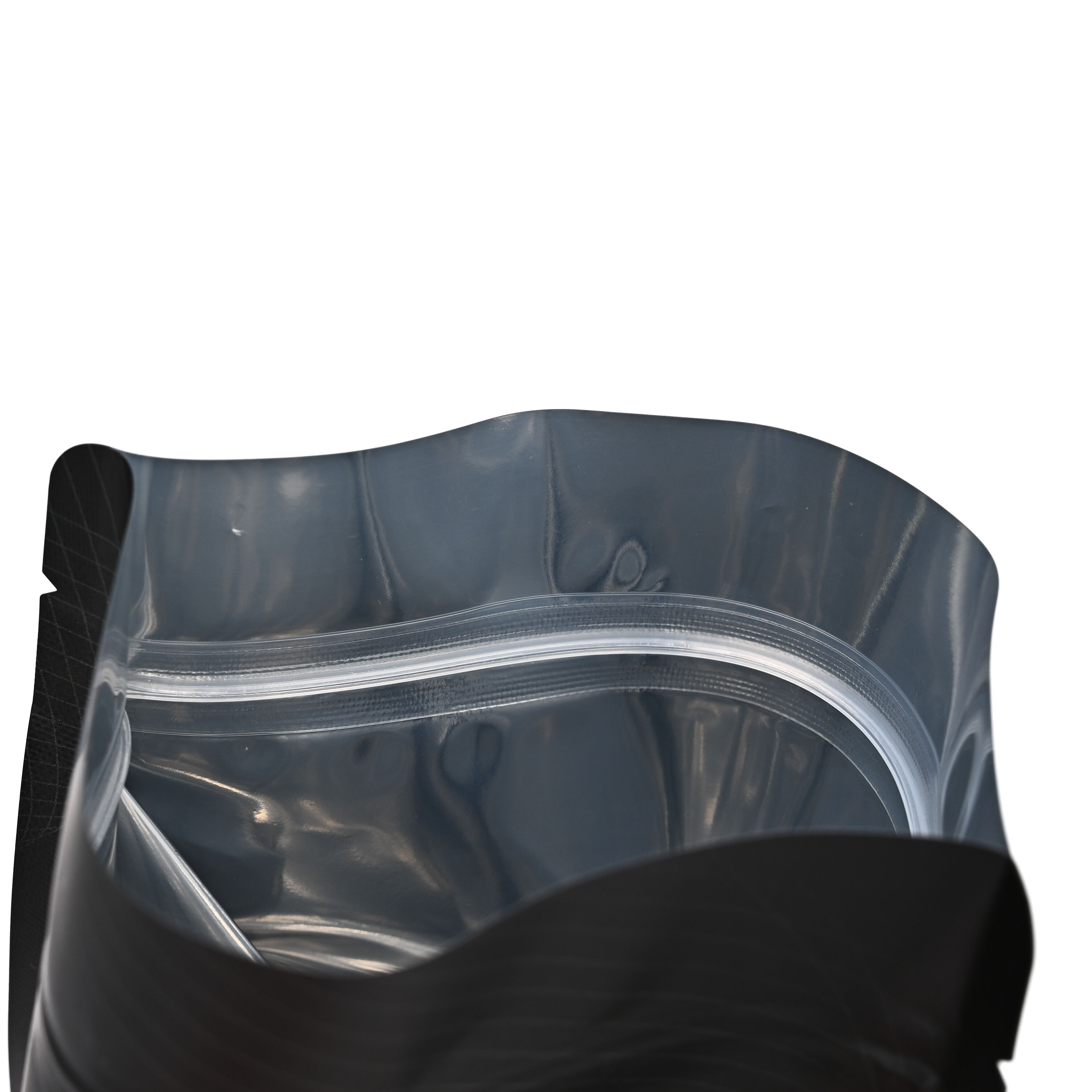
В современной конкурентной розничной среде дизайн упаковки эволюционировал от чисто функциональной необходимости до стратегического инструмента продаж. Среди инноваций, формирующих товары повседневного спроса в потребительской упаковке, пакеты с застёжкой-молнией, позволяющие повторно закрывать упаковку, выделяются как решающий фактор, влияющий на решения о покупке в различных категориях товаров. От кофе и закусок до кормов для домашних животных и фармацевтических препаратов наличие повторно закрываемого замка напрямую влияет на восприятие потребителем ценности, удобства и качества продукта. Понимание того, почему такие пакеты занимают премиальные места на полках и обеспечивают измеримо более высокие показатели конверсии, требует анализа пересечения психологии потребительского поведения, практической удобности использования и меняющихся образов жизни, в которых приоритетом являются сохранение свежести и контроль порций.
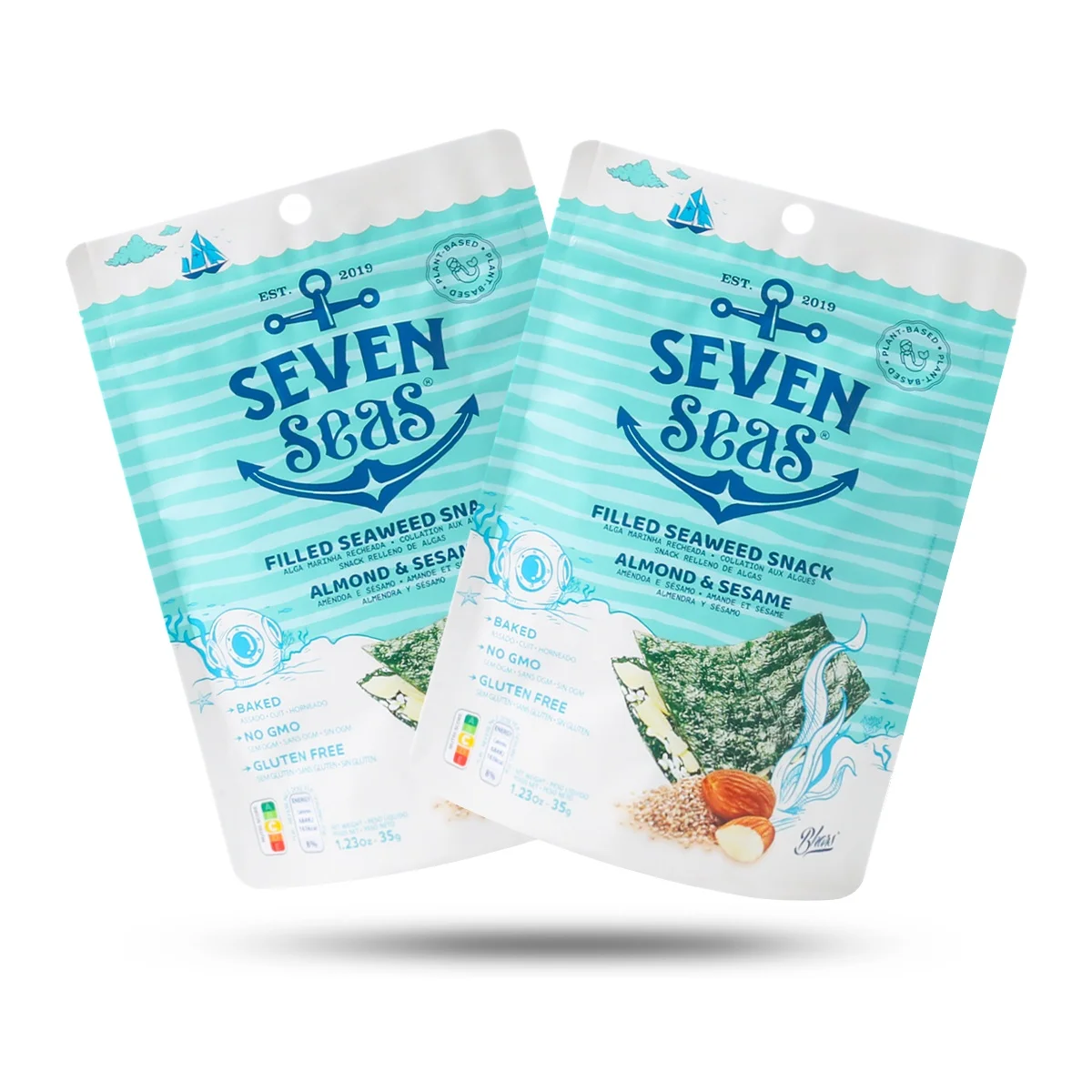
Коммерческий успех пакетов с застёжкой-молнией, которую можно многократно открывать и закрывать, выходит далеко за рамки маркетинга, ориентированного исключительно на удобство. Количественные исследования, проведённые в индустрии упаковки, показывают, что товары с перезакрываемыми замками демонстрируют рост конверсии на 12–28 % по сравнению с идентичными товарами в упаковке без функции повторного закрытия. Такая разница в эффективности обусловлена фундаментальными изменениями в том, как современные потребители оценивают полезность продукта в момент покупки. Покупатели всё чаще воспринимают упаковку не как одноразовую обёртку, а как неотъемлемый компонент самого потребительского опыта, при этом возможность повторного закрытия служит осязаемым подтверждением того, что производитель заботится об удовлетворённости клиента и после совершения покупки. В данной статье рассматриваются психологические, практические и экономические факторы, объясняющие, почему пакеты с застёжкой-молнией, которую можно многократно открывать и закрывать, стабильно превосходят традиционные форматы упаковки в плане обеспечения измеримого роста продаж.
Психология предпочтений потребителей в отношении перезакрываемой упаковки
Повышение воспринимаемой ценности за счёт функционального дизайна
Исследования в области психологии потребителей показывают, что пакеты с застёжкой-молнией вызывают определённые когнитивные реакции, связанные с позиционированием продукта как премиального. Когда покупатели видят упаковку с застёжкой-молнией, они бессознательно ассоциируют продукт с более высокими стандартами качества и вложением производителя в опыт потребителя. Такое восприятие формируется независимо от реальных различий в самом продукте и создаёт эффект ореола, при котором качество упаковки выступает в роли сигнала, указывающего на превосходство внутренних характеристик продукта. Тактильная обратная связь при закрывании застёжки-молнии усиливает это восприятие за счёт сенсорного подтверждения, формируя многомодальное впечатление о качестве, которое статичная упаковка воссоздать не может.
Восприятие ценности распространяется и на экономические аспекты. Потребители, проводящие быстрые умственные расчёты непосредственно у полки, учитывают функцию повторного закрывания при оценке соотношения «цена — ценность». Продукт, цена которого на пятнадцать процентов выше, но который оснащён пакетами с застёжкой-молнией для повторного закрывания часто воспринимается как более экономически обоснованный по сравнению с более дешёвыми аналогами, требующими дополнительных решений для хранения. Такой расчёт отражает практическую домашнюю экономику, в которой избежанная стоимость отдельных ёмкостей для хранения, сокращение потерь продукции из-за потери свежести и увеличение срока её использования в совокупности оправдывают премиальную цену. Исследования поведенческой экономики подтверждают, что потребители последовательно недооценивают будущие издержки, связанные с отходами, и одновременно переоценивают немедленные удобства, что делает упаковку с возможностью повторного закрывания психологически выгодной в момент принятия решения.
Сигнализация доверия посредством защиты свежести
Взаимосвязь между перезакрываемыми крышками и сохранением свежести имеет значительный психологический вес при принятии потребителями решений о покупке. Современные покупатели проявляют повышенную осведомлённость относительно деградации продукции после вскрытия упаковки, особенно в категории продуктов питания, подверженных воздействию влаги, окисления или потере аромата. Перезакрываемые пакеты с застёжкой-молнией выступают визуальным обязательством производителей по защите целостности продукта уже после первоначальной продажи, сигнализируя о непрерывном обеспечении качества, а не просто о завершении сделки. Такое временное расширение ответственности производителя способствует формированию доверительных отношений, влияющих как на первоначальное решение о покупке, так и на долгосрочные паттерны лояльности к бренду.
Фактор прозрачности усиливает это измерение доверия. Многие пакеты с застёжкой-молнией, которые можно повторно закрывать, оснащены прозрачными окошками, позволяющими визуально оценить товар, не нарушая целостности упаковки. Такое сочетание видимости и защиты отвечает двойной потребительской потребности в подтверждении качества и сохранении свежести, решая традиционный парадокс упаковки, при котором проверка товара требовала жертвовать его свежестью. Категории товаров, особенно чувствительные к визуальной оценке качества — такие как сухофрукты, специальный кофе и деликатесные закуски — получают значительное конкурентное преимущество благодаря этой двухфункциональной возможности. Уверенность в покупке возрастает, когда потребители могут убедиться в состоянии товара, не теряя защитных преимуществ, обеспечиваемых повторно закрываемыми упаковочными форматами на протяжении всего цикла потребления.
Контроль и персонализация моделей потребления
Современный фрагментированный образ жизни повысил потребительский спрос на упаковку, способную адаптироваться к изменчивым моделям потребления. Застёжки-молнии на пакетах, которые можно повторно закрывать, отвечают этой потребности, обеспечивая контроль порций, постепенное потребление в течение длительного времени и гибкие схемы использования, соответствующие непредсказуемому ритму жизни домохозяйств. Одиночные домохозяйства, работники сменного графика и семьи с разнообразными расписаниями особенно ценят автономию, которую обеспечивает повторно закрываемая упаковка: каждый пользователь может получать доступ к продуктам в соответствии со своими индивидуальными потребностями, не нарушая при этом сохранность оставшегося содержимого для других членов домохозяйства.
Этот аспект контроля охватывает осознанное сокращение отходов — критерий покупки, который всё чаще влияет на потребительские решения в различных демографических группах. Потребители, руководствующиеся экологическими соображениями или стремлением к экономии, понимают, что пакеты с застёжкой-молнией позволяют полностью использовать продукт, предотвращая преждевременную порчу. Чувство вины, связанное с выбросом частично использованных товаров из-за неудовлетворительного хранения, формирует негативные ассоциации с брендом, которые упаковка с возможностью повторного закрытия активно предотвращает. Исследования рынка показывают, что потребители, ориентированные на снижение объёмов отходов, готовы платить премию в среднем от восемнадцати до двадцати пяти процентов за упаковочные решения, которые явно снижают частоту её выброса, что делает форматы с возможностью повторного закрытия сигналом соответствия ценностям потребителей, выходящим за рамки чисто функциональных характеристик.
Практические преимущества, стимулирующие совершение покупки
Многофункциональные сценарии использования и расширенная полезность продукта
Функциональная универсальность пакетов с застёжкой-молнией создаёт возможности для их использования, выходящие далеко за рамки первичного потребления продукта. Потребители всё чаще оценивают упаковку с точки зрения её вторичной функциональности, осознавая, что качественные пакеты с застёжкой-молнией после израсходования первоначального содержимого могут использоваться для организации, хранения и транспортировки. Такое восприятие расширенного жизненного цикла добавляет осязаемую ценность покупке, фактически объединяя в одном товаре многоразовое решение для хранения и основной продукт. От кофе и чая до пищевых добавок — различные категории товаров выигрывают от этого двойного ценового предложения, поскольку потребители мысленно учитывают затраты на упаковку как компенсацию стоимости приобретения аналогичных контейнеров для хранения.
Конкретные сценарии использования наглядно демонстрируют это расширенное применение. Путешественники используют повторно закрываемые пакеты с застёжкой-молнией для организации туалетных принадлежностей, защиты электроники и порционирования закусок во время поездок. Родители применяют опустошённые пакеты для хранения мелких предметов детей, организации материалов для творчества и компонентов упакованных обедов. Энтузиасты домашней организации включают качественные повторно закрываемые пакеты в системы хранения в кладовой, для хранения материалов для хобби и защиты сезонных предметов. Каждое вторичное применение укрепляет положительные ассоциации с брендом и способствует органическому «сарафанному» продвижению по мере циркуляции упаковки в расширенных социальных сетях. Производители, осознающие эту расширенную функциональность, всё чаще внедряют в дизайн элементы, такие как поля для записи и усиленная конструкция, которые активно поощряют повторное использование, тем самым повышая воспринимаемую ценность, стимулирующую первоначальные продажи.
Фактор удобства в современных розничных средах
Ускорение темпов жизни потребителей кардинально изменило критерии оценки упаковки: теперь удобные функции выступают в качестве основных, а не второстепенных факторов, влияющих на решение о покупке. Пакеты с застёжкой-молнией, которые можно многократно закрывать, одновременно решают несколько задач удобства: простота открытия устраняет раздражение и физические трудности, быстрота повторного закрывания обеспечивает мгновенный доступ во время спешной утренней рутины или приготовления пищи, а надёжное закрытие даёт уверенность в том, что пакет можно хранить в любом положении без риска протечки. Такой комплексный профиль удобства особенно актуален для демографических групп, испытывающих нехватку времени, включая работающих родителей, городских профессионалов и пожилых потребителей с пониженной ловкостью.
Сравнительные исследования удобства использования показывают измеримые преимущества по показателям производительности у пакетов с застёжкой-молнией с возможностью повторного запечатывания по ключевым параметрам удобства. Среднее время открытия сокращается на сорок–шестьдесят процентов по сравнению с традиционными замками типа «сгибание и зажим», а оценки уверенности в повторном закрытии повышаются на тридцать пять–пятьдесят процентов согласно опросам потребителей. Эти, казалось бы, незначительные улучшения суммируются в существенные повышения качества жизни при многократном ежедневном взаимодействии с продуктом, формируя совокупное удовлетворение, которое влияет на поведение потребителя при повторных покупках. В розничной среде, где конкуренция всё чаще основывается на глубине ассортимента, функции повторно запечатываемой упаковки служат эффективным инструментом дифференциации даже для товаров повседневного спроса, где различия во внутреннем качестве минимальны.
Контроль порций и осознанное потребление
Глобальная тенденция к питанию, ориентированному на здоровье, подняла контроль порций с уровня нишевой диетической проблемы до статуса приоритетной задачи для широкого круга потребителей. Замкнутые пакеты с застёжкой-молнией способствуют контролю объёмов потребления, позволяя пользователям брать строго определённое количество продукта и сразу же герметично закрывать оставшуюся часть, что поддерживает как управление калорийностью рациона, так и осознанные практики питания. Эта функция особенно полезна для категории закусок, где неограниченный доступ к большим объёмам провоцирует переедание, а также для продуктов здорового питания в упаковке большого объёма, где правильное дозирование оптимизирует соблюдение рекомендованных пищевых режимов. Продукты, ориентированные на людей, ведущих активный образ жизни, программы контроля веса или диетические требования при сахарном диабете, получают значительное конкурентное преимущество благодаря форматам с застёжкой-молнией, которые напрямую способствуют достижению целей по потреблению.
Психологический аспект контроля порций выходит за рамки простого управления доступом. Пакеты с застёжкой-молнией создают естественные точки останова в последовательности потребления, вводя осознанные моменты принятия решений, которые прерывают автоматические пищевые поведенческие паттерны. Исследования в области поведенческой психологии подтверждают, что физические барьеры — даже незначительные, например, механизмы закрытия — существенно снижают объёмы бессознательного потребления, поскольку для продолжения доступа требуется целенаправленное действие. Производители, использующие этот вывод, позиционируют упаковку с застёжкой-молнией как активного партнёра в достижении целей в области здоровья, а не как пассивное средство упаковки продукта, формируя эмоциональную связь, выходящую за пределы функциональных преимуществ и укрепляющую долгосрочную лояльность к бренду среди потребителей, ориентированных на здоровый образ жизни.
Экономическое влияние на результаты продаж и позиционирование на рынке
Обоснование премиальной цены и повышение рентабельности
Коммерческая жизнеспособность пакетов с застёжкой-молнией значительно превосходит предпочтения потребителей и охватывает конкретные улучшения финансовых показателей. Продукты, переходящие от традиционной упаковки к упаковке с возможностью повторного закрывания, последовательно демонстрируют преимущества в эластичности цен, поскольку потребители готовы принять повышение цен в диапазоне от восьми до восемнадцати процентов без соответствующего снижения объёмов продаж. Такая ценовая власть обусловлена реальным повышением функциональности, обеспечиваемым возможностью повторного закрывания, что создаёт объективные добавленные ценности, а не исключительно субъективные маркетинговые конструкции. Для производителей, действующих в конкурентных категориях с сжатыми маржинальными показателями, инвестиции в упаковку с возможностью повторного закрывания обеспечивают более высокие показатели рентабельности по сравнению с альтернативными стратегиями дифференциации, такими как модификация состава или расширение ассортимента.
Анализ маржи выявляет несколько механизмов оптимизации выручки, обеспечиваемых пакетами с застежкой-молнией. Прямые надбавки к цене обеспечивают очевидное улучшение показателя выручки, в то время как снижение количества возвратов из-за жалоб на потерю свежести помогает сохранить целостность маржи. Повышение эффективности дистрибуции достигается за счет сокращения повреждений при транспортировке и складировании, поскольку упаковка с застежкой-молнией, как правило, отличается более прочной конструкцией по сравнению с традиционными форматами. Преимущества партнерства с розничными сетями проявляются в виде предпочтительного размещения на полках и поддержки рекламных акций, поскольку ритейлеры учитывают спрос потребителей на упаковку с застежкой-молнией и соответствующим образом выделяют премиальные места для её демонстрации. Совокупное финансовое воздействие зачастую превышает первоначальное увеличение затрат на упаковку в три–пять раз, что делает форматы с застежкой-молнией одними из наиболее доходных инвестиций в рамках бюджетов на разработку продукции.
Конкурентное отличие на насыщенных рынках
Рыночные категории, характеризующиеся высокой плотностью конкурентов и минимальной дифференциацией продукции, сталкиваются с особыми трудностями при достижении роста продаж и защите доли рынка. Пакеты с застёжкой-молнией, которые можно повторно закрывать, обеспечивают немедленную визуальную и функциональную дифференциацию, позволяющую выделяться на перегруженных полках, где сообщения брендов и заявления о составе теряются в неразличимом шуме. Осязаемый и поддающийся проверке характер функции повторного закрывания создаёт преимущества при сравнении, которые потребители могут оценить непосредственно в точке продажи без необходимости технических знаний или знакомства с брендом. Новые участники рынка, использующие усовершенствованные форматы упаковки, зачастую достигают несоразмерно высоких показателей пробного использования по сравнению с традиционными маркетинговыми инвестициями, что ускоряет сроки выхода на рынок и снижает затраты на привлечение клиентов.
Устоявшиеся бренды, сталкивающиеся с давлением со стороны частных марок, аналогичным образом выигрывают от инвестиций в перезакрываемую упаковку как от защитных стратегий. Торговые марки розничных сетей, как правило, ориентируются на минимизацию издержек, а не на инновации в упаковке, что создаёт возможности для национальных брендов переутвердить свои ценности за счёт превосходной функциональности. Исследования потребителей последовательно показывают, что перезакрываемые элементы входят в тройку ключевых характеристик упаковки, влияющих на выбор бренда вместо товара без маркировки (generic), наряду с вариациями размеров и прозрачностью. Такое положение делает перезакрываемые пакеты с замком-молнией особенно эффективным инструментом защиты премиальных брендов, позволяя сохранять повышенные цены и уровень лояльности даже по мере расширения дистрибуции частных марок и повышения их качества до уровня брендовых товаров по другим параметрам.
Ускорение повторных покупок и пожизненная ценность клиента
Взаимосвязь между пакетами с застёжкой-молнией, которую можно повторно закрывать, и поведением потребителей, обусловленным повторными покупками, реализуется посредством нескольких взаимно усиливающих механизмов. Превосходное сохранение свежести продлевает сроки пригодности продукта, повышая вероятность того, что потребители полностью израсходуют содержимое упаковки, а не выбросят частично использованные остатки. Такой режим полного потребления приводит к более частым циклам повторных покупок по сравнению с ситуациями, когда преждевременная порча продукта удлиняет интервалы между покупками. Кроме того, положительный опыт использования, обеспечиваемый удобными повторно закрываемыми застёжками, формирует привычные модели покупок и снижает вероятность рассмотрения потребителями альтернативных брендов при последующих посещениях магазинов. Совокупное воздействие этих факторов достоверно увеличивает показатели пожизненной ценности клиента: пользователи упаковки с повторно закрываемой застёжкой демонстрируют показатели удержания на 15–30 % выше, чем пользователи традиционной упаковки в сопоставимых категориях товаров.
Данные, подтверждающие эти улучшения показателей удержания клиентов, получены в ходе продольных исследований покупательского поведения, отслеживающих модели приобретения на уровне домохозяйств в течение продолжительных периодов. Домохозяйства, впервые купившие продукты в перезакрываемых пакетах с застёжкой-молнией, демонстрируют значительно более высокую вероятность повторной покупки в пределах стандартных для категории интервалов пополнения запасов, что свидетельствует как о лояльности, обусловленной удовлетворённостью, так и о практических преимуществах в управлении запасами. Удобство уверенности в том, что частично использованные продукты остаются свежими, устраняет колебания потребителей, возникающие при неопределённости относительно пригодности уже имеющихся в домохозяйстве запасов. Этот эффект уверенности особенно выгоден для категорий с нерегулярными моделями потребления или сезонными колебаниями объёмов использования, где традиционная упаковка порождает тревогу по поводу потерь и подавляет частоту покупок до полного расходования имеющихся запасов.
Категорийно-специфические применения и закономерности эффективности
Пищевые продукты и категории, чувствительные к сохранению свежести
Категории продуктов питания представляют собой основную коммерческую сферу, в которой пакеты с застёжкой-молнией демонстрируют наиболее заметное влияние на объёмы продаж. Продукты, особенно подверженные ухудшению качества из-за воздействия влаги, кислорода или потери аромата, получают максимальную пользу от систем повторно герметизируемых упаковок. Рынок кофе является ярким примером этой динамики: повторно герметизируемая упаковка эволюционировала от опции премиум-сегмента до обязательного стандарта категории. Слепые дегустационные тесты среди потребителей неизменно показывают, что кофе, хранящийся в пакетах с застёжкой-молнией, сохраняет показатели органолептического качества на уровне на 25–40 % выше по сравнению с традиционной упаковкой спустя одну неделю после вскрытия, что создаёт объективные преимущества в эксплуатационных характеристиках и напрямую способствует повторным покупкам и положительным отзывам о продукте.
Категории закусок демонстрируют столь же впечатляющие паттерны динамики. Чипсы, сухарики, сушёные фрукты и орехи быстро теряют текстуру при воздействии окружающей влажности, что вызывает недовольство потребителей — проблему, которую эффективно решают перезакрываемые пакеты с застёжкой-молнией. Анализ долей рынка в сегментах закусок показывает устойчивую корреляцию между внедрением перезакрываемой упаковки и результатами бренда: предложения с перезакрываемой упаковкой обеспечивают несоразмерный рост даже в условиях общего сокращения соответствующих категорий. Сохранение текстурной целостности благодаря эффективному повторному закрыванию особенно важно для премиальных и артисанских брендов закусок, где высокое качество продукта оправдывает повышенную ценовую позицию — но лишь при условии, что это качество сохраняется на протяжении всего периода потребления. Традиционная упаковка подрывает премиальную позиционирование бренда, допуская быструю деградацию качества, что противоречит обещаниям бренда относительно превосходного состава ингредиентов и технологий производства.
Непродовольственные применения в сфере средств личной гигиены и бытовых товаров
Успешное применение пакетов с застежкой-молнией, которые можно повторно закрывать, выходит далеко за рамки продовольственных категорий и охватывает разнообразные сегменты продукции, где важны контроль влажности, удобство доступа к отдельным порциям или надежность герметизации. Производители лакомств для домашних животных широко внедрили форматы с повторно закрываемой упаковкой, поскольку владельцы животных одинаково ценят сохранение свежести и предотвращение распространения запахов — как и покупатели продовольственных товаров. Такие товары, как соли для ванны, таблетки стирального порошка и влажные салфетки для уборки, также получают преимущества от повторно закрываемой упаковки, защищающей продукт от воздействия влаги и позволяющей использовать его постепенно. В фармацевтической и добавочной (БАД) категориях всё чаще предъявляются требования к использованию повторно закрываемых форматов упаковки для продуктов, нуждающихся в защите от негативного воздействия окружающей среды, а также для обеспечения соблюдения режима приёма благодаря удобному ежедневному доступу.
Средства личной гигиены в дорожных объемах представляют собой особенно эффективную область применения, где перезапираемые пакеты с застежкой-молнией одновременно решают несколько ключевых проблем потребителей. Пробники, образцы в уменьшенном объеме и порции для поездок требуют надежного закрытия во избежание протечек при транспортировке, а также обеспечивают многократный доступ к содержимому на протяжении всей поездки. Прозрачность, характерная для перезапираемых упаковок, дополнительно соответствует требованиям авиационной безопасности к визуальному осмотру жидких веществ, обеспечивая преимущества в плане соответствия нормативным требованиям по сравнению с непрозрачными жесткими контейнерами. Бренды косметики и средств ухода, использующие перезапираемые пакеты в программах распространения пробников, сообщают о значительно более высоких показателях конверсии от пробника к покупке полноразмерного продукта по сравнению с традиционными форматами саше, что свидетельствует о том, что превосходный пользовательский опыт на этапе пробного использования формирует более благоприятное восприятие бренда и, как следствие, стимулирует последующие решения о покупке.
Стратегии упаковки в оптовых и эконом-объемах
Экономическая логика оптовых закупок кардинально меняется, когда пакеты с застежкой-молнией позволяют выпускать товары в упаковке большого объема без ущерба для удобства использования. Традиционные оптовые форматы, требующие от потребителей после вскрытия пересыпать содержимое в отдельные емкости для хранения, создают барьеры, подавляющие спрос на крупногабаритную продукцию, несмотря на более выгодную стоимость единицы товара. Упаковка с возможностью повторного закрытия устраняет необходимость в таком пересыпании, делая крупногабаритные упаковки практически равноценными мелким по удобству использования, при сохранении значительных преимуществ с точки зрения себестоимости. Снижение этого барьера измеримо влияет на распределение продаж по размерам упаковок: бренды, внедряющие оптовые варианты с возможностью повторного закрытия, как правило, наблюдают рост доли крупногабаритных упаковок на 10–25 % в течение трех–шести месяцев после запуска.
Оптовые складские клубы и розничные сети, специализирующиеся на продаже товаров оптом, особенно выигрывают от использования перезакрываемых пакетов с застёжкой-молнией, поскольку такие упаковочные решения напрямую поддерживают их ключевое ценовое предложение. Потребители, традиционно склонные избегать покупок оптом из-за опасений по поводу потери свежести товаров или сложностей с хранением, проявляют возросшую готовность приобретать большие объёмы, когда перезакрываемая упаковка устраняет эти возражения. Категорийные менеджеры отмечают, что товары в перезакрываемых оптовых форматах демонстрируют более высокую скорость оборота на один элемент выкладки по сравнению с аналогичными товарами в обычной упаковке, что создаёт преимущества в эффективности дистрибуции и дополнительно способствует развитию партнёрских отношений с ритейлерами. Сочетание более высокой абсолютной маржи за счёт премиальной цены на оптовые товары и улучшенного оборачиваемости запасов делает перезакрываемые крупноформатные продукты особенно привлекательными с точки зрения ритейлеров, что зачастую приводит к расширению выделенной площади на полках и увеличению рекламно-промоциональной поддержки — это усиливает рост объёмов продаж производителя сверх эффекта, обусловленного непосредственными предпочтениями потребителей.
Соображения, связанные с внедрением для достижения максимального эффекта на объёмы продаж
Стандарты качества застежки-молнии и функциональной надежности
Преимущества с точки зрения продаж, связанные с пакетами с застежкой-молнией, проявляются только в том случае, если механизмы закрытия работают надежно в течение ожидаемого количества циклов использования. Разочарование потребителей из-за некорректно работающих застежек-молний порождает негативные ассоциации с брендом, которые могут быть серьезнее недостатков традиционной упаковки, поэтому особое значение приобретают четкие требования к качеству. Высокопроизводительные системы застежек-молний требуют соблюдения точных производственных допусков, правильного выбора материалов с учетом характеристик упаковываемого продукта, а также протоколов контроля качества, гарантирующих стабильность функционирования на всех производственных партиях. Производители, внедряющие форматы с застежками-молниями без должного внимания к этим техническим требованиям, зачастую сталкиваются с ростом числа жалоб и возвратов, что сводит на нет ожидаемые преимущества с точки зрения продаж.
Протоколы функционального тестирования должны имитировать реалистичные условия эксплуатации, включая многократные циклы открывания, воздействие масел или влаги от продукта, а также механические нагрузки при обращении и хранении. Минимальные стандарты производительности обычно предписывают успешное повторное запирание как минимум в течение двадцати пяти циклов для продуктов со средним сроком потребления; для более требовательных применений требуется долговечность не менее пятидесяти циклов. Качество тактильной обратной связи при застёгивании молнии имеет не меньшее значение, поскольку потребители формируют представление о качестве частично на основе ощущений и звука при закрытии. Премиальные бренды всё чаще задают требования к системам молний с чётким слышимым щелчком при застёгивании и плавным скольжением, что создаёт удовлетворяющий пользовательский опыт и укрепляет позиционирование бренда как высококачественного — помимо чисто функциональных характеристик.
Выбор материалов и оптимизация барьерных свойств
Защитные свойства пакетов с застежкой-молнией, которые можно повторно закрывать, в решающей степени зависят от барьерных характеристик основного материала, действующих синергетически совместно с функциональностью замыкающего устройства. Для продуктов, чувствительных к проникновению кислорода, требуются высокобарьерные пленки, содержащие алюминиевую фольгу или металлизированные слои, тогда как для влагочувствительных применений необходимы материалы с повышенной стойкостью к проникновению водяного пара. Интеграция застежек-молний в такие барьерные материалы создает инженерные трудности, поскольку точки крепления застежки могут образовывать зоны уязвимости, где нарушается целостность барьера. Современные конструкции пакетов с возможностью повторного закрывания предусматривают усиленные участки крепления застежки-молнии и непрерывную конструкцию барьерного слоя, обеспечивающую защиту даже в местах соединения с застежкой.
Соображения устойчивого развития всё чаще влияют на решения о выборе материалов по мере роста экологической осведомлённости потребителей. Перезакрываемые пакеты с застёжкой-молнией, выполненные из перерабатываемых однослойных материалов или сертифицированных компостируемых плёнок, решают экологические задачи, сохраняя при этом функциональные преимущества. Бренды, успешно доносящие до потребителей как удобство, так и экологическую ответственность через выбор упаковки, завоёвывают растущие сегменты рынка, для которых устойчивое развитие имеет такой же приоритет, как и практическая полезность. Техническая задача заключается в достижении такого сочетания без ущерба для барьерных свойств или функциональности застёжки-молнии, что требует применения передовых решений в области материаловедения и протоколов испытаний, подтверждающих как защитные характеристики, так и экологические заявления в реалистичных условиях.
Интеграция визуального дизайна и оптимизация воздействия на полке
Конструктивные особенности пакетов с застёжкой-молнией, допускающих повторное закрывание, создают как уникальные возможности, так и ограничения для графического дизайна и презентации на полке. Вертикальные (стоячие) пакеты с застёжками, допускающими повторное закрывание, обеспечивают значительную площадь лицевой поверхности для демонстрации, которую обычные подушкообразные пакеты не могут обеспечить, что позволяет ярко представить бренд и подробно информировать потребителя о продукте. Прозрачные окна, интегрированные в конструкции с застёжками, допускающими повторное закрывание, обеспечивают визуальную демонстрацию продукта, повышающую уверенность покупателя в выборе, при одновременном сохранении защиты от потери свежести. Эффективные стратегии дизайна используют эти конструктивные преимущества посредством чёткой иерархии бренда, продуманного размещения прозрачных участков и организации информации, оптимизированной для вертикальной ориентации дисплея.
Исследования воздействия на полку с использованием технологий отслеживания движения глаз и изучения внимания потребителей показывают, что пакеты с застёжкой-молнией повторного закрытия обеспечивают значительно более высокие показатели визуального вовлечения по сравнению с традиционными форматами упаковки в перегруженных розничных средах. Объёмная глубина стоячих пакетов создаёт физическую выразительность, привлекающую внимание даже при плотном размещении на полках, а сама видимость застёжки-молнии выступает элементом, привлекающим внимание и сигнализирующим о функциональном превосходстве. Бренды, максимально использующие эти преимущества благодаря продуманным дизайнерским решениям, сообщают о росте показателей неспровоцированного узнавания и рассмотрения, выходящем за рамки прямого увеличения продаж, что свидетельствует о влиянии формата упаковки на восприятие бренда на различных этапах маркетинговой воронки — не только на стадии конверсии в точке покупки.
Часто задаваемые вопросы
На сколько процентов в среднем увеличиваются продажи брендов при переходе на пакеты с застёжкой-молнией повторного закрытия?
Рост продаж при переходе на пакеты с застежкой-молнией значительно варьируется в зависимости от категории продукции, конкурентной среды и качества реализации, однако документированные кейсы из сегментов продуктов питания и товаров повседневного спроса демонстрируют рост показателя конверсии от двенадцати до двадцати восьми процентов. Премиальные и арт-бренды в категориях, чувствительных к сохранению свежести, как правило, демонстрируют более высокий рост показателей, тогда как товары массового потребления в высококонкурентных сегментах могут показать более скромный, но тем не менее значимый рост. Влияние на объёмы продаж обычно проявляется через несколько механизмов: повышение доли первоначальных пробных покупок, увеличение частоты повторных покупок, успешное применение премиальной ценовой стратегии и расширение каналов дистрибуции благодаря предпочтению ритейлеров упаковки с возможностью повторного закрытия. Брендам следует проводить анализ на уровне конкретной категории и, возможно, ограниченное тестирование на рынке, чтобы сформировать реалистичные ожидания относительно их конкретной ситуации, поскольку исходное качество упаковки и степень конкурентной напряжённости существенно влияют на достижимые результаты.
Действительно ли потребители повторно используют герметичные пакеты после того, как исходный продукт будет полностью израсходован?
Исследования поведения потребителей подтверждают, что значительная доля покупателей повторно использует качественные перезакрываемые пакеты с застёжкой-молнией для вторичного хранения и организации после того, как первоначальное содержимое будет израсходовано. Опросы показывают, что от сорока до шестидесяти процентов потребителей сообщают о повторном использовании перезакрываемых пакетов хотя бы время от времени; при этом доля таких потребителей выше среди экологически ориентированных групп и семей, уделяющих особое внимание порядку и организации. Распространённые вторичные способы использования включают организацию туалетных принадлежностей в поездках, защиту небольших электронных устройств, хранение детских вещей, упаковку материалов для творчества, а также порционирование продуктов для приготовления обедов «на вынос». Такое повторное использование обеспечивает расширенную узнаваемость бренда, поскольку упаковка продолжает циркулировать в домашних условиях и социальных сетях, одновременно укрепляя положительные ассоциации с брендом за счёт сохранения своей полезности. Производители могут стимулировать такое поведение за счёт конструктивных особенностей: поверхности, пригодной для записи, усиленной конструкции, превышающей минимальные требования по защите продукта, и размеров, соответствующих распространённым вторичным применениям.
Стоят ли повторно закрываемые пакеты с застежкой-молнией дополнительных затрат на упаковку для небольших брендов с ограниченным бюджетом?
Анализ соотношения затрат и выгод при использовании пакетов с застёжкой-молнией зависит от множества факторов, включая маржу продукции, стратегию конкурентного позиционирования и демографические характеристики целевой аудитории. Тем не менее многие небольшие бренды отмечают, что перезапираемая упаковка обеспечивает возврат инвестиций, оправдывающий её стоимость даже при ограниченных бюджетах. Дополнительные расходы на упаковку обычно составляют от пятнадцати до тридцати пяти процентов сверх стоимости традиционных форматов — в зависимости от технических характеристик и объёмов заказов, однако такое повышение часто позволяет установить надбавку к цене в размере от восьми до восемнадцати процентов, которую потребители готовы принять ради повышенной функциональности. Кроме того, снижение потерь из-за порчи продукции, более низкий уровень возвратов и повышение привлекательности для розничных сетей позволяют компенсировать рост расходов на упаковку за счёт операционной эффективности. Небольшие бренды особенно выигрывают от преимуществ дифференциации, которые обеспечивают перезапираемые форматы на перенасыщенных рынках, где ограничения маркетингового бюджета затрудняют традиционное формирование узнаваемости бренда. Поэтапное внедрение — начиная с ключевых линеек продукции или премиальных категорий — позволяет контролировать влияние на денежный поток и протестировать реакцию рынка перед масштабным внедрением.
Какие жалобы потребителей на пакеты с застежкой-молнией встречаются чаще всего и как производителям их избежать?
Наиболее частые жалобы потребителей на пакеты с застёжкой-молнией-запираемой крышкой касаются неисправностей в работе замка: затруднённое достижение полного герметичного закрытия, расхождение зубцов молнии в процессе использования и потеря герметичности замка после многократных циклов открытия и закрытия. Эти проблемы обычно обусловлены недостаточными техническими требованиями к качеству, неподходящим дизайном застёжки-молнии для характеристик продукта или недостаточным контролем качества на этапе производства. Производители могут предотвратить эти проблемы, указав в технических требованиях промышленные системы застёжек-молний с подтверждёнными данными испытаний на долговечность, внедрив протоколы входного контроля качества компонентов упаковки и проведя ускоренные испытания на срок службы в условиях, приближенных к реальному использованию, до выхода продукта на рынок. К другим категориям жалоб относятся трудности при первоначальном вскрытии упаковки, которые можно решить с помощью надрезов или функции «лёгкого вскрытия» (easy-tear opening), а также недостаточные барьерные свойства упаковки, приводящие к порче продукта даже при повторном запечатывании; для устранения этой проблемы требуется тщательный подбор материалов с учётом чувствительности продукта. Проведение проактивных испытаний упаковки с участием потребителей на стадии разработки позволяет выявить потенциальные проблемы до выхода продукта на рынок, что защищает репутацию бренда и обеспечивает, что упаковка с возможностью повторного запечатывания действительно создаёт конкурентные преимущества, а не порождает новые источники недовольства.
Содержание
- Психология предпочтений потребителей в отношении перезакрываемой упаковки
- Практические преимущества, стимулирующие совершение покупки
- Экономическое влияние на результаты продаж и позиционирование на рынке
- Категорийно-специфические применения и закономерности эффективности
- Соображения, связанные с внедрением для достижения максимального эффекта на объёмы продаж
-
Часто задаваемые вопросы
- На сколько процентов в среднем увеличиваются продажи брендов при переходе на пакеты с застёжкой-молнией повторного закрытия?
- Действительно ли потребители повторно используют герметичные пакеты после того, как исходный продукт будет полностью израсходован?
- Стоят ли повторно закрываемые пакеты с застежкой-молнией дополнительных затрат на упаковку для небольших брендов с ограниченным бюджетом?
- Какие жалобы потребителей на пакеты с застежкой-молнией встречаются чаще всего и как производителям их избежать?