 EN
EN

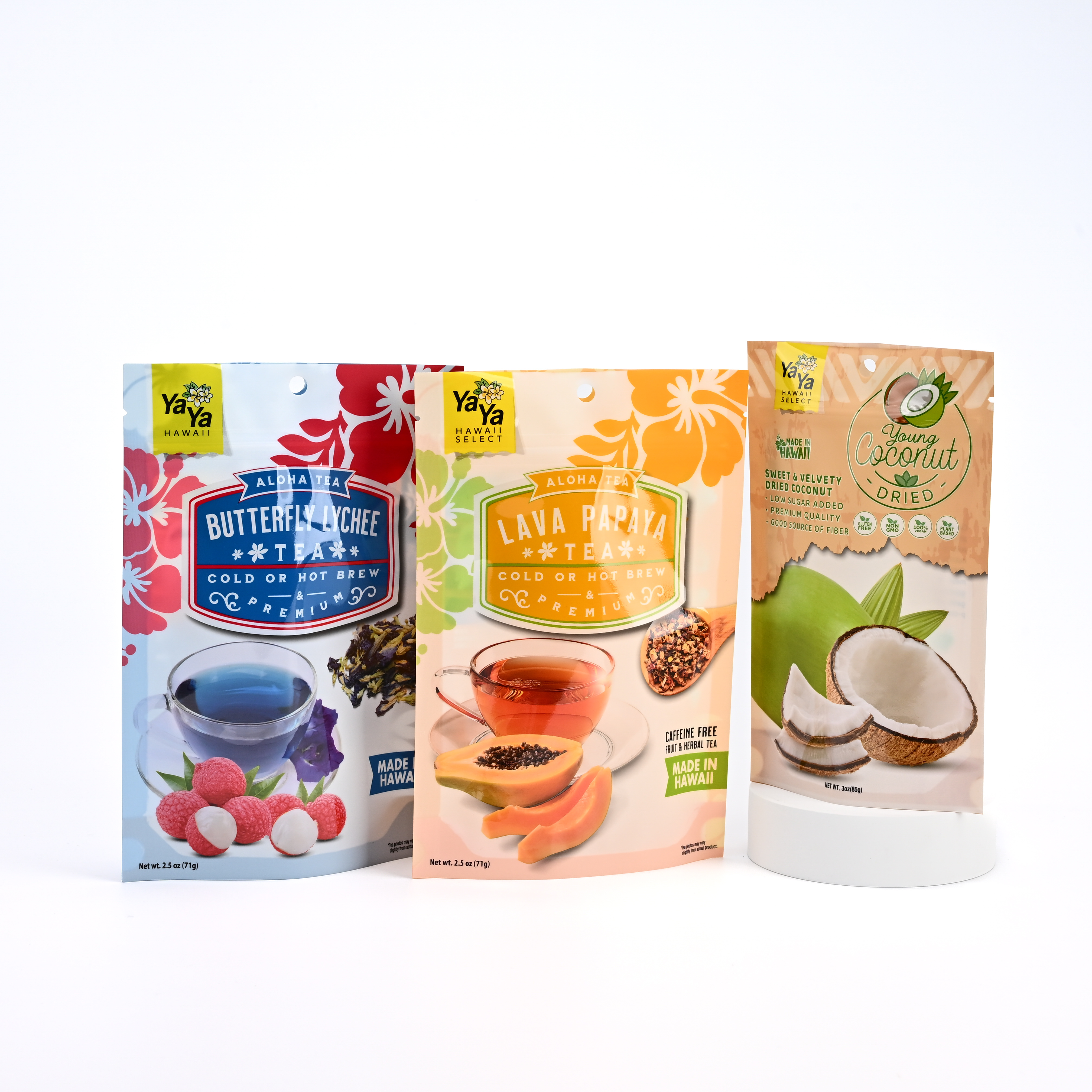
Sourcing the right stand up pouch for your product requires balancing functionality, aesthetic appeal, and supplier reliability. A stand up pouch with window visibility has become increasingly essential for brands seeking to showcase their contents while maintaining structural integrity and shelf presence. The window feature transforms a stand up pouch from a functional container into a transparent marketing tool, allowing customers to inspect product quality before purchase.
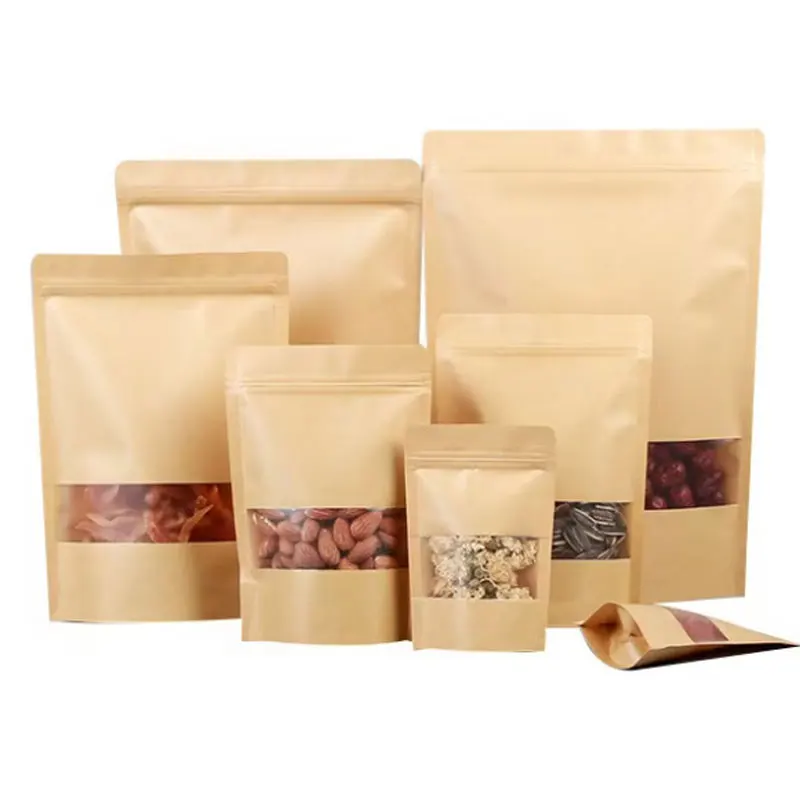
Today's competitive retail environment demands that every packaging element work strategically. When you select a stand up pouch with window capability, you're investing in a packaging solution that combines durability, brand presentation, and consumer confidence. Understanding how to identify and source the best stand up pouch options will ensure your products stand out and maintain their integrity throughout distribution and storage.
Understanding Stand Up Pouch Window Requirements
Why Window Visibility Matters for Product Display
A stand up pouch with a clear window serves multiple strategic purposes beyond simple aesthetics. The window allows consumers to evaluate product color, texture, and overall quality at point of purchase, directly influencing buying decisions. For food products, supplements, and specialty items, the ability to see what's inside a stand up pouch builds trust and reduces purchase hesitation. This transparency feature has become a competitive standard in markets where consumers expect visual confirmation of product authenticity and freshness before committing to a purchase.
From a brand perspective, a well-positioned window on your stand up pouch communicates confidence in product quality. The stand up pouch design with window visibility also reduces product returns caused by unmet customer expectations, as buyers can verify exactly what they're purchasing. This simple but powerful feature transforms a stand up pouch from commodity packaging into a sales enabler that actively participates in the purchase decision.
Material Compatibility and Window Options
The window material you choose for your stand up pouch directly impacts both functionality and cost. Most modern stand up pouch manufacturers offer clear polypropylene, polyethylene terephthalate, or specialized films that provide excellent clarity while maintaining barrier properties. When sourcing a stand up pouch with window capability, you'll encounter options ranging from basic transparent windows to advanced anti-fog films that keep visibility sharp even in humid environments. The stand up pouch window size and placement should align with your brand identity and allow customers to see the most appealing aspects of your product.
Different stand up pouch formulations support varying barrier requirements. If your stand up pouch needs oxygen protection for sensitive products, you can source specialized constructions combining window material with metallized or coated barrier layers. This flexibility means you can find a stand up pouch solution that meets both visual and functional requirements without compromise.
Evaluating Suppliers for Stand Up Pouch Manufacturing
Key Supplier Selection Criteria
Finding reliable manufacturers for stand up pouch production requires evaluating multiple technical and operational factors. When assessing potential suppliers, examine their experience with stand up pouch construction, particularly with window integration and structural reinforcement. A quality stand up pouch supplier should demonstrate expertise in material selection, sealing consistency, and quality control processes that ensure every unit meets specifications. Request samples of their stand up pouch offerings to evaluate window clarity, seal strength, and overall construction quality before committing to production orders.
Supplier reliability extends beyond initial samples. Investigate whether your stand up pouch manufacturer maintains consistent quality across high-volume production runs and can handle custom specifications. A reputable stand up pouch supplier should provide technical documentation, barrier test results, and clarity metrics for their window materials. Additionally, confirm their capacity to meet your timeline requirements and their willingness to discuss adjustments to stand up pouch design based on your specific product and market needs.
Certifications and Quality Standards
Before finalizing your stand up pouch supplier relationship, verify relevant certifications and compliance standards. Your stand up pouch manufacturer should maintain food safety certifications if applicable, demonstrate compliance with material regulations, and conduct regular quality audits. Request documentation showing that their stand up pouch materials meet safety standards for your target market, whether food, pharmaceutical, or consumer goods. A stand up pouch supplier that prioritizes certification and testing provides assurance that your packaging meets legal and safety requirements.
Quality management systems directly influence stand up pouch consistency and reliability. Certified stand up pouch manufacturers typically employ more rigorous testing protocols for window clarity, seal strength, and barrier performance. When you source stand up pouch options from quality-focused suppliers, you reduce the risk of packaging failures that could compromise product integrity or brand reputation during distribution and storage.
Optimizing Stand Up Pouch Design for Maximum Transparency
Window Sizing and Strategic Placement
The window dimensions on your stand up pouch should showcase your product's most attractive features while maintaining structural integrity. A properly designed stand up pouch window balances visibility with the strength needed to support pouch function and shelf presence. Strategic window placement on a stand up pouch typically emphasizes product color and texture that communicate quality to consumers. When working with suppliers, discuss how your specific stand up pouch window size affects material costs and production capability, as larger windows may require reinforced panel construction.
The positioning of your stand up pouch window should align with brand graphics and product orientation. Some manufacturers recommend limiting window area on a stand up pouch to maintain seal reliability and structural performance. A well-engineered stand up pouch design coordinates window placement with gusset positioning, zipper location, and seal areas to ensure the pouch functions optimally during filling, sealing, and consumer use. Your stand up pouch supplier can provide recommendations based on your product type and storage conditions.
Anti-Fog Solutions and Clarity Maintenance
Moisture and condensation can compromise the clarity of your stand up pouch window, especially for products stored in humid environments or refrigerated conditions. Anti-fog treatments applied to stand up pouch window materials help maintain visibility throughout the product lifecycle. When sourcing stand up pouch options, ask suppliers about anti-fog coating options that prevent cloudiness without affecting barrier properties or adding significant cost. This treatment is particularly valuable for food products, supplements, and items stored in varied temperature and humidity conditions.
The durability of anti-fog coatings on your stand up pouch window directly impacts long-term shelf presence and consumer experience. Premium stand up pouch suppliers offer testing data showing how their anti-fog treatments perform across time and environmental stress. Investing in quality anti-fog solutions for your stand up pouch ensures that product visibility remains sharp and appealing from production through final consumer interaction, strengthening the packaging's role as a silent sales tool.
FAQ
What materials work best for a stand up pouch window?
Clear polypropylene and polyethylene terephthalate films are the most commonly used materials for stand up pouch windows due to their excellent clarity, durability, and cost-effectiveness. These materials resist fogging, maintain transparency under various environmental conditions, and integrate seamlessly with barrier layers when needed. Your choice depends on your product type, storage conditions, and barrier requirements. Discussing material options with your stand up pouch manufacturer helps identify the best fit for your specific application and budget.
How does a stand up pouch window affect production costs?
Including a window in a stand up pouch typically adds cost compared to solid film construction due to additional material layers and specialized manufacturing processes. The exact cost increase depends on window size, material selection, and production volume. Larger windows on a stand up pouch increase material costs but provide better product visibility. When sourcing stand up pouch options, request quotes with and without window features to understand the cost-benefit trade-off for your specific needs.
Can a stand up pouch window support heavy products?
A properly engineered stand up pouch with window capability can support substantial product weight through reinforced gussets and strategic material construction. The window itself doesn't significantly compromise structural strength when designed and positioned correctly by experienced manufacturers. Your stand up pouch supplier should evaluate your product weight and recommend appropriate construction methods, seal designs, and reinforcement strategies. Testing with samples ensures your stand up pouch performs reliably under actual use conditions and distribution stress.