 EN
Organic food brands face a critical packaging decision that extends far beyond simple containment. The choice of packaging directly communicates brand values, influences consumer perception, and affects product shelf appeal. A kraft paper bag has emerged as the gold standard for organic food brands seeking to align packaging with their core mission of sustainability and natural integrity. This packaging solution offers far more than basic functionality—it represents a commitment to environmental responsibility and authentic brand storytelling that resonates with today's conscious consumers.

The market for organic products continues to expand as consumers prioritize health, transparency, and environmental impact. Within this competitive landscape, a kraft paper bag distinguishes brands by visually communicating values before a single product detail is read. The tactile experience of holding a kraft paper bag creates an emotional connection that plastic or conventional packaging cannot replicate. For organic food brands, this connection translates into increased brand loyalty, repeat purchases, and premium pricing potential.
Brand Values and Consumer Alignment
Environmental Messaging Through Packaging
Consumers purchasing organic products typically prioritize environmental consciousness alongside personal health. When an organic food brand chooses a kraft paper bag, it sends an immediate, tangible signal that sustainability extends throughout the entire business operation. This visual alignment between product type and packaging choice strengthens brand authenticity. A kraft paper bag demonstrates that the brand's commitment to organic principles includes responsible sourcing, minimal processing, and reduced environmental footprint. This consistency builds consumer trust and justifies premium pricing that organic products typically command in the marketplace.
Natural Aesthetic and Premium Positioning
The natural appearance of a kraft paper bag elevates product positioning without requiring extensive marketing spend. The earthy color, subtle texture, and unrefined finish of kraft paper bag materials create an immediate premium perception. Organic consumers associate this aesthetic with authenticity, craftsmanship, and quality ingredients. Unlike bright plastic packaging or heavily printed designs, a kraft paper bag conveys simplicity and confidence in product quality. This visual positioning allows organic food brands to command higher shelf prices and attract consumers willing to pay more for authentic, sustainably packaged products.
Practical Advantages for Food Storage and Distribution
Protective Barrier and Shelf Stability
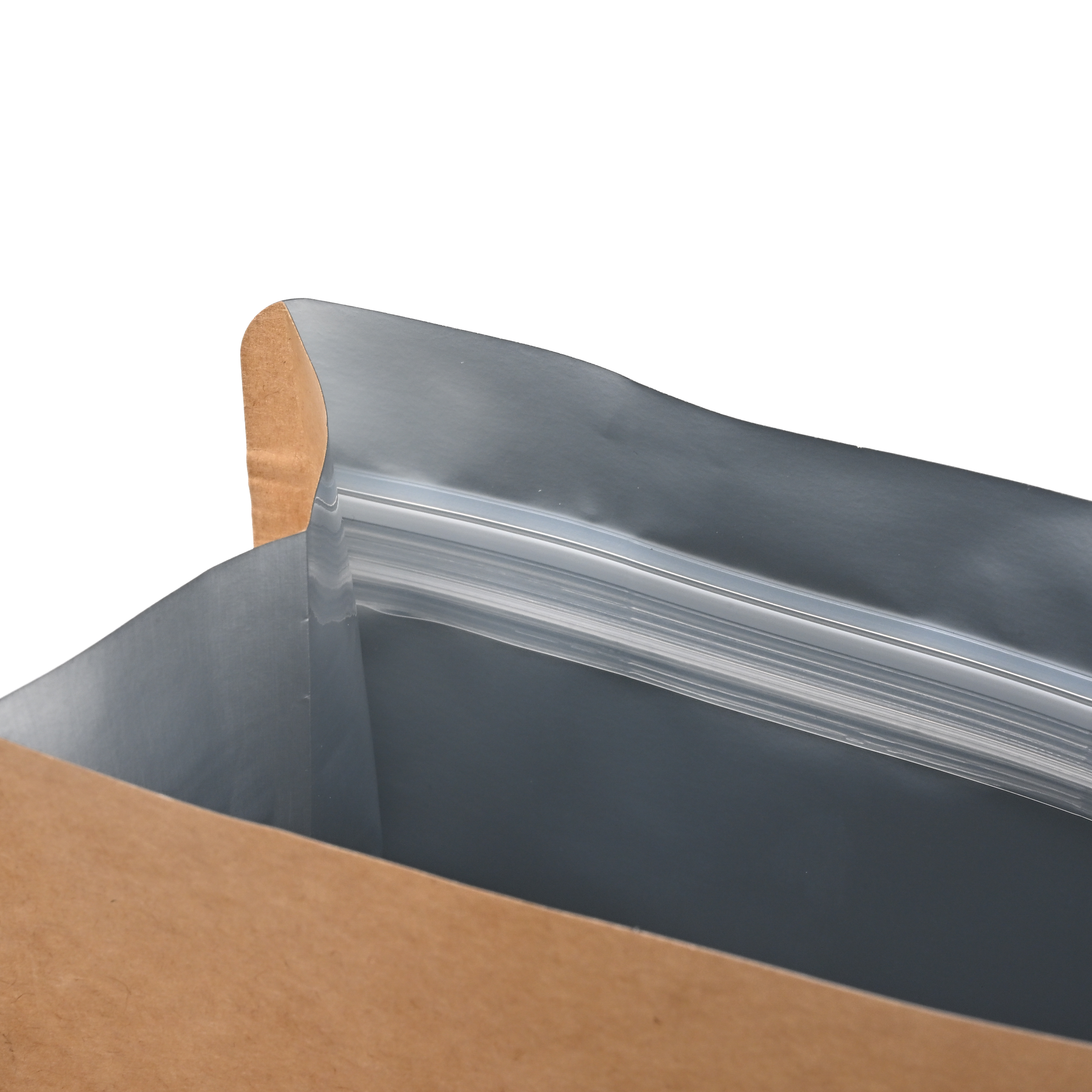
Modern kraft paper bag manufacturing incorporates advanced barrier technologies that protect organic food products as effectively as conventional packaging. Kraft paper bag designs featuring resealable zippers, aluminum foil liners, or polyethylene inner layers provide moisture protection essential for maintaining product freshness. Many organic foods—including coffee, grains, nuts, and dried fruits—require protection from humidity and light exposure during distribution and retail storage. A kraft paper bag with proper barrier construction extends shelf life while maintaining the sustainable, natural appearance that defines the organic brand experience. This combination of practical protection and environmental credentials creates genuine competitive advantage.
Customization and Brand Storytelling
A kraft paper bag offers exceptional customization opportunities for organic food brands seeking to tell their unique story. Water-based inks, embossing, and die-cut windows allow brands to showcase products and communicate origin, certifications, and preparation instructions without compromising the sustainable aesthetic. Kraft paper bag options ranging from small pouches for specialty items to large resealable formats for bulk products provide flexibility across product lines. This adaptability enables brands to maintain consistent visual identity while addressing diverse product categories and customer segments within the organic market.
Market Differentiation and Consumer Response
Standing Out in the Organic Category
The organic food market has expanded beyond specialty stores into mainstream retail, increasing competition among brands. A kraft paper bag provides meaningful visual differentiation on crowded shelves dominated by plastic and composite materials. Consumers conducting quick purchasing decisions notice sustainable, natural packaging immediately, creating initial attraction that drives trial purchases. The kraft paper bag choice communicates brand values instantly, without requiring consumers to read detailed marketing copy. For organic food brands competing against established competitors, this packaging choice creates memorable brand touchpoints that influence repeat purchase behavior and social media sharing among environmentally conscious consumers.
Price Premium Justification and Profit Optimization
Kraft paper bag packaging investments support higher retail pricing by strengthening perceived product value and brand positioning. Organic consumers demonstrate willingness to pay premium prices when they perceive authentic environmental commitment, and kraft paper bag packaging delivers this perception at the point of sale. Rather than competing on price, organic brands using kraft paper bag packaging can focus on value differentiation and consumer education. This positioning strategy protects profit margins, reduces price-based competition, and attracts quality-focused consumers least likely to switch brands based on temporary discounts. The kraft paper bag becomes a strategic investment in brand equity rather than merely a packaging expense.
FAQ
What moisture protection levels does a kraft paper bag provide for organic foods?
Modern kraft paper bag designs incorporate multilayer constructions combining kraft paper with aluminum foil and polyethylene liners that provide moisture barrier protection equivalent to conventional packaging. These kraft paper bag configurations protect sensitive organic products including coffee beans, grains, and dried fruits from humidity exposure during storage and distribution. Water activity can be controlled to specific levels by selecting kraft paper bag barrier specifications appropriate for particular product types and shelf-life requirements.
How do kraft paper bag costs compare to other sustainable packaging alternatives?
Kraft paper bag pricing typically aligns competitively with alternative sustainable options including compostable plastics and paper-composite materials, particularly at higher production volumes. The cost difference between kraft paper bag and conventional plastic often narrows significantly when accounting for brand value gains, premium pricing potential, and reduced marketing investment required for sustainability messaging. Organic food brands frequently discover that kraft paper bag investments pay dividends through improved margins and customer loyalty that exceed the initial packaging cost differential.
Can kraft paper bag designs accommodate food certifications and regulatory labeling requirements?
Yes, kraft paper bag designs readily accommodate organic certifications, allergen declarations, nutritional information, and regulatory requirements across all major markets. Printing techniques specifically developed for kraft paper bag surfaces allow clear, durable text and certification logos without compromising the sustainable aesthetic. Many organic food brands design kraft paper bag formats with dedicated label areas, QR codes for traceability, and transparent windows that meet both regulatory requirements and brand storytelling objectives simultaneously.