 EN
EN

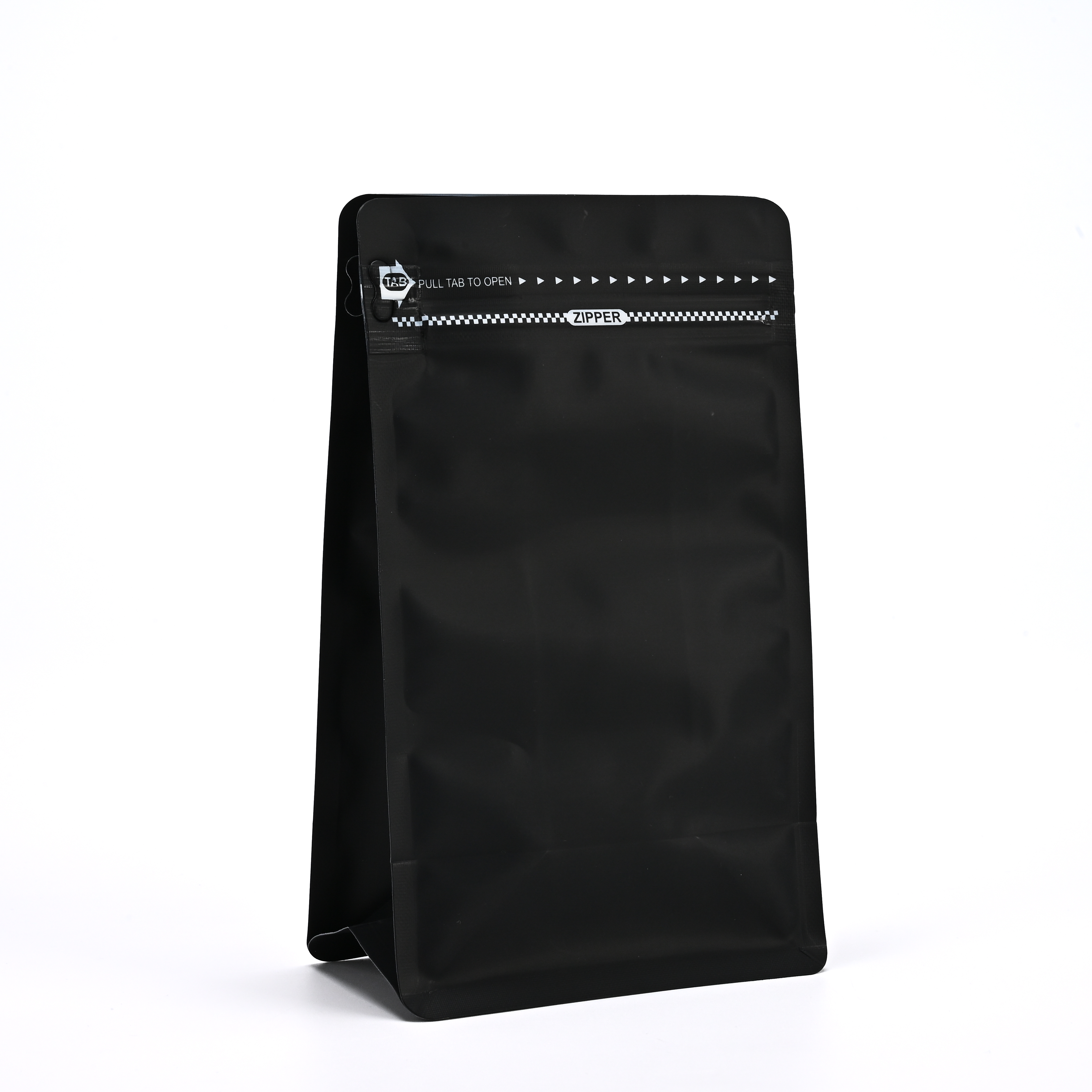
Manufacturing a fully recyclable bag presents a complex set of technical, regulatory, and operational challenges that manufacturers must navigate carefully. The push toward sustainability has created significant demand for truly recyclable bag solutions, yet producing them at scale requires solving multiple interconnected problems simultaneously. From selecting appropriate materials to ensuring end-of-life processing compatibility, every stage of the recyclable bag production process demands specialized expertise and strategic planning.
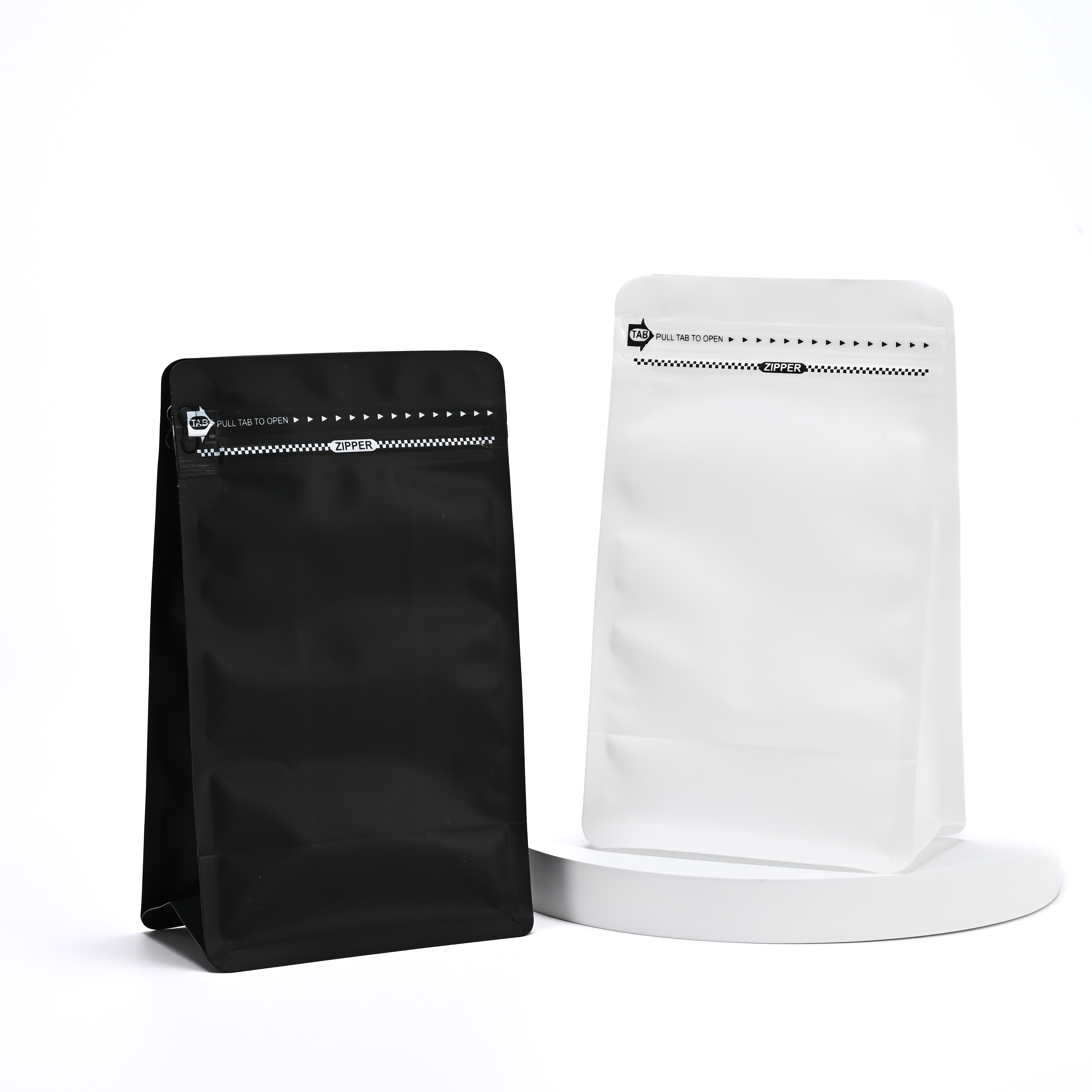
The industrial landscape for recyclable bag manufacturing has evolved rapidly, driven by consumer expectations and stricter environmental regulations worldwide. Brands and retailers now face pressure to transition from conventional plastic packaging to genuinely recyclable bag options. However, the path to creating a truly recyclable bag is far more complicated than simply switching to 'green' materials. Manufacturers encounter obstacles related to material performance, cost viability, design constraints, and waste stream integration that require innovative problem-solving and technical advancement.
Material Selection and Source Complexity for Recyclable Bags
Sourcing Compatible Materials for Recyclable Bag Production
The foundation of any recyclable bag begins with material selection, and this decision carries enormous weight throughout the entire manufacturing process. A recyclable bag must be constructed from materials that existing recycling infrastructure can actually process, yet these same materials must deliver the performance characteristics required by end-users. Polyethylene terephthalate (PET) and high-density polyethylene (HDPE) are commonly used in recyclable bag applications because they integrate well with established recycling streams, but sourcing consistent, high-quality grades of these materials at scale remains challenging. Manufacturers face supply chain volatility, price fluctuations, and inconsistent material quality from suppliers, all of which directly impact the reliability of the recyclable bag product.
Multi-layer structures often compromise recyclability, creating a significant barrier for recyclable bag manufacturers. Many pouches require barrier properties to protect contents from moisture, oxygen, or light, yet adding multiple material layers—such as aluminum foil or specialty nylon films—makes a recyclable bag impossible to recycle through conventional processes. Developing a recyclable bag that maintains necessary barrier functions while remaining truly recyclable demands material innovation that many suppliers have not yet commercialized at competitive prices. This constraint forces manufacturers to choose between performance compromises and recyclability compromises, neither of which satisfies modern market demands.
Cost Implications of Using Recyclable Materials for Bags
Material costs represent one of the most pressing economic challenges when manufacturing a recyclable bag. Recycled-content or virgin materials suitable for creating a recyclable bag often cost significantly more than conventional single-use plastics. When manufacturers commit to producing a recyclable bag, they absorb these higher material expenses, which ultimately affect pricing and competitive positioning. Many brands express commitment to recyclable bag solutions but hesitate when faced with production cost increases of fifteen to thirty percent compared to traditional packaging alternatives.
Price volatility for materials used in a recyclable bag creates planning uncertainty for manufacturers. Commodity plastic prices fluctuate based on crude oil markets, recycling economics, and regional supply dynamics. A manufacturer investing in a recyclable bag line must forecast costs months in advance while knowing that material prices may shift dramatically. This unpredictability makes it difficult to maintain stable pricing for customers and to secure long-term production contracts, which ultimately slows adoption of recyclable bag solutions across the industry.
Design and Manufacturing Process Obstacles
Engineering Performance Into Recyclable Bag Designs
Designing a recyclable bag that performs reliably in real-world conditions while maintaining recyclability requires balancing multiple competing technical requirements. The recyclable bag must seal consistently, resist puncture during transport and handling, maintain contents integrity for the intended shelf life, and remain compatible with recycling streams. Achieving all these objectives simultaneously demands advanced engineering and extensive testing. Many preliminary recyclable bag designs fail performance requirements when tested at scale, forcing manufacturers back to the design phase and delaying commercialization timelines.
Zipper integration presents a specific obstacle for recyclable bag manufacturers. Zippers, which consumers expect on many pouch formats, are typically made from plastic or metal components that either jam sorting equipment or contaminate recycling streams. Creating a fully recyclable bag with a functioning zipper requires finding materials and assembly methods that don't compromise the entire recycling process. Some manufacturers have developed solutions, but these are not yet standardized, leaving each recyclable bag producer to solve this challenge independently at significant development cost.
Production Line Configuration for Recyclable Bags
Converting existing production equipment to manufacture a recyclable bag often requires substantial capital investment and process modification. Equipment designed for traditional plastic films may need adjustment to handle the different melt-flow characteristics and thickness tolerances required for a recyclable bag. Seal temperatures, dwell times, pressure profiles, and cooling sequences must all be optimized for the specific materials used in the recyclable bag formulation. This process demands technical expertise and extended trial runs that increase time-to-market for new recyclable bag products.
Quality consistency becomes more difficult when manufacturing a recyclable bag with unfamiliar material grades or blends. Recycled content materials often exhibit greater variation than virgin plastics, and a recyclable bag made from recycled-content film may show inconsistent seal strength, tear resistance, or clarity. Manufacturers must implement rigorous incoming material inspection, process monitoring, and finished goods testing to ensure that every recyclable bag meets specifications. This increased quality control burden adds operational complexity and cost to recyclable bag production.
Regulatory Compliance and End-of-Life Infrastructure
Navigating Recyclability Standards for Bags
Regulatory frameworks for recyclable bag labeling and certification have become increasingly stringent across major markets. Different regions define 'recyclable' differently, and a recyclable bag that complies with one standard may not qualify under another. The European Union, United States, and other jurisdictions maintain separate testing protocols and material requirements for recyclable bag certification. Manufacturers must understand these variations and often design different recyclable bag versions for different markets, which complicates production planning and inventory management.
Many recyclable bag manufacturers face challenges obtaining reliable, auditable documentation that their products truly meet recycling standards. Third-party certification bodies exist, but testing for a recyclable bag can be expensive and time-consuming. Some manufacturers invest in certification only to discover later that their recyclable bag design still encounters problems in actual waste processing facilities, revealing gaps between laboratory testing and real-world recycling operations. This disconnect undermines consumer confidence in recyclable bag claims and creates liability exposure for brands.
Integration With Existing Waste Processing Systems
Creating a recyclable bag is only part of the solution; the bag must also integrate successfully into the waste collection and sorting infrastructure that already exists in target markets. Many recycling facilities use optical sorting equipment designed to identify and separate materials based on established resin codes and colors. A recyclable bag made from less common material grades or unusual colors may not be recognized by these systems and ends up in the waste stream instead of the recycling stream. This practical incompatibility undermines the entire purpose of manufacturing a recyclable bag, as it does not actually get recycled despite meeting material standards.
Contamination risk presents another end-of-life challenge for recyclable bag producers. If a recyclable bag becomes contaminated with food residue, adhesive, or incompatible materials during consumer use, it may compromise an entire batch of recycled material at the processing facility. Communicating proper cleaning and disposal instructions for a recyclable bag adds responsibility to the manufacturer, yet many consumers do not follow these instructions. Developing a recyclable bag that tolerates typical consumer misuse while remaining viable for recycling requires additional design and material considerations that increase production difficulty.
FAQ
What materials work best for creating a truly recyclable bag?
Polyethylene terephthalate (PET) and high-density polyethylene (HDPE) are the most established materials for producing a recyclable bag because these resins are widely accepted in municipal recycling streams. Polypropylene (PP) can also create a recyclable bag if the design and regional infrastructure support PP processing. The key is ensuring that every material component in your recyclable bag integrates with existing recycling systems in your target markets. Multi-layer films that include barrier materials like aluminum foil or EVOH cannot be recycled and should not be used if true recyclability is the goal.
How can manufacturers reduce costs when producing a recyclable bag?
Economies of scale are critical for managing costs on a recyclable bag. High production volumes allow manufacturers to negotiate better material pricing and spread tooling costs across more units. Collaboration with material suppliers to develop cost-competitive formulations specifically for recyclable bag applications helps reduce expenses without compromising recyclability. Additionally, simplifying the design of your recyclable bag by reducing layers, eliminating complex features, and standardizing dimensions across product lines can significantly lower manufacturing costs while maintaining necessary functionality.
How do manufacturers ensure a recyclable bag actually gets recycled after consumer use?
Manufacturers ensure a recyclable bag reaches recycling by designing for compatibility with local sorting equipment, using standard material grades that facilities recognize, and selecting colors that optical sorters can identify reliably. Clear labeling on the recyclable bag communicating material type and cleaning instructions helps consumers prepare the bag properly for recycling. Testing the recyclable bag through actual local waste facilities—not just laboratory tests—reveals real-world processing compatibility before commercialization. Building partnerships with recycling facilities to understand their specific equipment and material preferences ensures your recyclable bag will actually be processed rather than landfilled.