 EN
EN

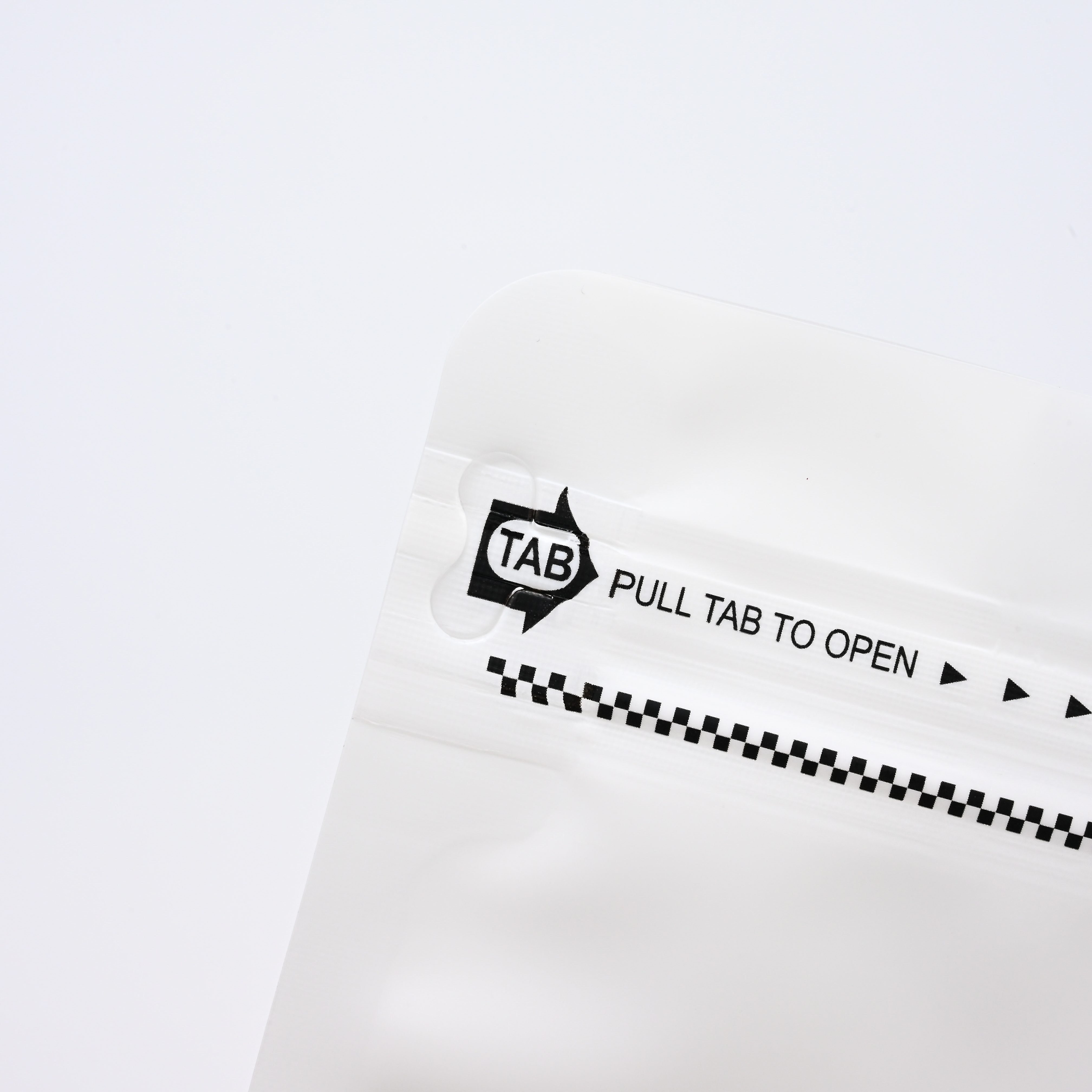
Modern consumers increasingly expect brands to demonstrate environmental responsibility, and packaging serves as one of the most visible touchpoints for that commitment. A recyclable bag represents far more than just a container—it is a powerful marketing tool that communicates brand values, builds customer loyalty, and differentiates your product in a crowded marketplace. Companies that invest in recyclable bag solutions report stronger brand perception, higher repeat purchase rates, and measurable improvements in customer sentiment. The decision to adopt recyclable bag packaging is no longer optional for brands targeting environmentally conscious consumers; it has become a strategic imperative that directly influences purchasing behavior and long-term market position.
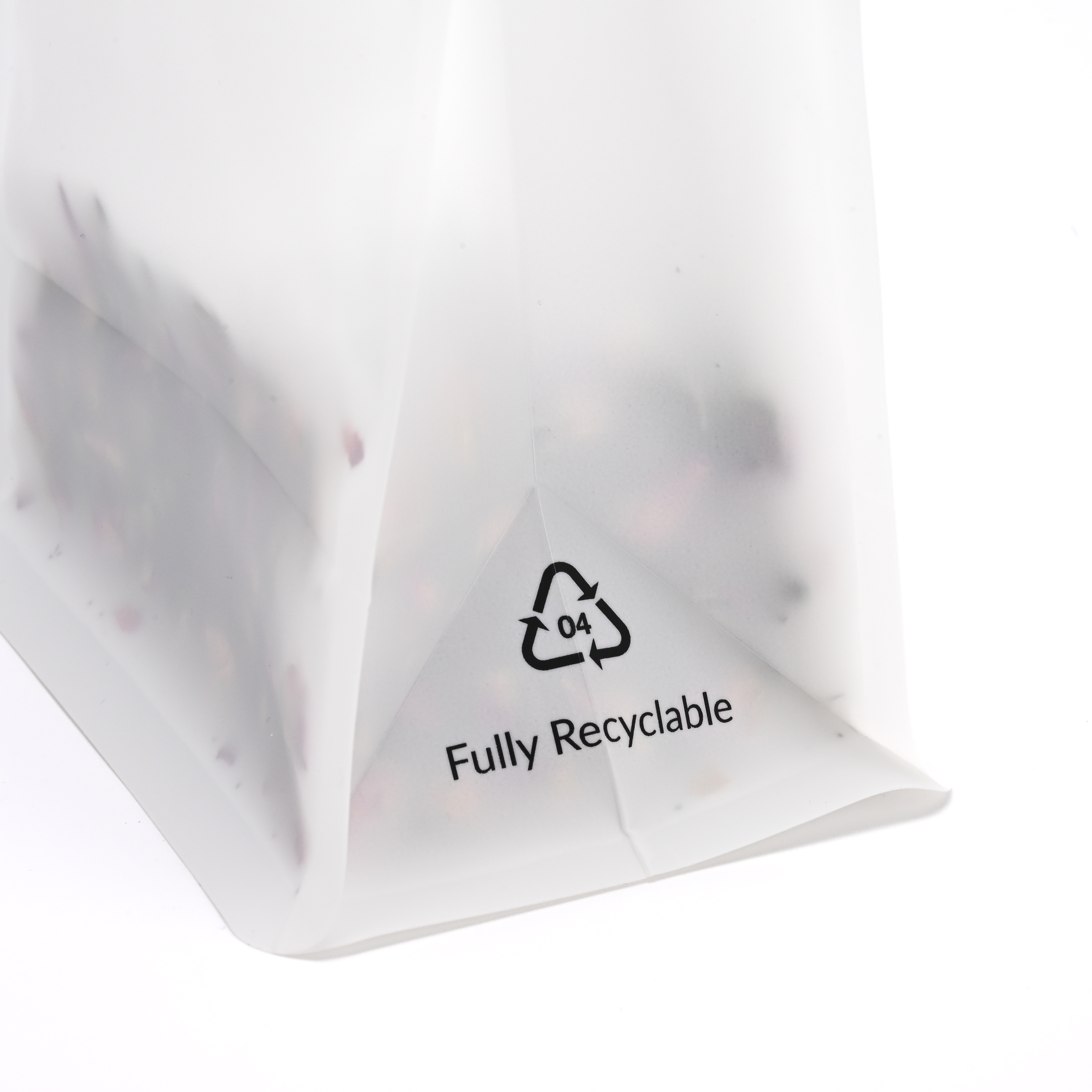
The market landscape has shifted dramatically over the past five years, with sustainability becoming a primary purchase criterion rather than a secondary consideration. When consumers choose between comparable products, they frequently select the brand that offers a recyclable bag option, even if the product cost is slightly higher. This behavioral pattern reflects a fundamental change in consumer values and creates a genuine competitive advantage for brands that embrace recyclable bag solutions early and authentically. Understanding this shift and strategically positioning your recyclable bag initiative can unlock significant marketing value and establish your brand as an industry leader in sustainability.
The Consumer Psychology Behind Recyclable Bag Preference
Why Consumers Value Recyclable Bag Solutions
Consumer preference for recyclable bag packaging stems from multiple psychological drivers that go beyond simple environmental concern. When shoppers hold a recyclable bag in their hands, they experience a tangible connection to sustainability that abstract messaging cannot replicate. This tactile experience reinforces the brand's commitment and creates an emotional bond that influences repeat purchases and social sharing. Psychologically, consumers feel they are part of a solution rather than part of a problem, and brands that enable this feeling through recyclable bag offerings benefit from increased brand affinity and customer lifetime value.
Research consistently demonstrates that consumers perceive brands using recyclable bag packaging as more trustworthy, innovative, and socially responsible. This perception translates directly into business outcomes: customers who choose products specifically because of recyclable bag features spend more per transaction, recommend the brand more frequently, and remain loyal longer. The recyclable bag becomes a conversation starter, a reason to recommend the product to friends, and a justification for the purchase that extends beyond functional performance. In essence, a recyclable bag elevates the product from a commodity to a purposeful choice aligned with personal values.
Brand Differentiation Through Recyclable Bag Design
In competitive categories where product performance is roughly equivalent across brands, recyclable bag design represents a critical differentiation opportunity. A well-designed recyclable bag that is visually appealing, functional, and clearly communicates sustainability credentials can shift consumer preference decisively. Custom-printed recyclable bag solutions allow brands to tell their sustainability story directly on the packaging, reinforcing the message every time the customer interacts with the product. This repeated visual reinforcement builds brand recall and strengthens the association between your brand and environmental responsibility.
Quantifiable Marketing Benefits of Recyclable Bag Adoption
Increased Brand Loyalty and Repeat Purchase Rates
Brands that transition to recyclable bag packaging observe measurable increases in customer retention metrics within six months of implementation. The recyclable bag serves as a constant reminder of the brand's values, particularly if the packaging is retained and reused for storage or organization. Each time a customer reuses the recyclable bag, they experience renewed brand engagement without paid marketing investment. This extended brand touchpoint creates compound effects that drive repeat purchases and reduce customer acquisition costs, as loyal customers acquired through recyclable bag differentiation tend to be less price-sensitive and more resistant to competitor offerings.
The recyclable bag also facilitates word-of-mouth marketing and social media sharing, two of the most cost-effective customer acquisition channels. When customers appreciate the design and functionality of a recyclable bag, they naturally share photos on social platforms, mention the brand in online reviews, and recommend products to their networks. This organic amplification extends far beyond the reach of paid advertising and generates authentic endorsements that influence purchasing behavior more powerfully than traditional marketing messages.
Premium Positioning and Price Elasticity
A recyclable bag enables brands to sustain premium pricing strategies because the packaging itself becomes a value proposition rather than a cost center. Consumers willingly pay higher prices for products packaged in high-quality recyclable bags because they perceive additional value beyond the product itself. This price elasticity effect has profound implications for margins and profitability; brands can offset the modest cost increase of recyclable bag materials through improved pricing power and reduced promotional spending. The recyclable bag effectively becomes a competitive moat that protects margin despite market pressures on product cost.
Building Consumer Trust and Brand Authority Through Recyclable Bag Messaging
Transparency and Authenticity in Recyclable Bag Communication
Modern consumers are sophisticated and skeptical of greenwashing, making authentic recyclable bag communication essential for building trust. Brands that invest in recyclable bag solutions must clearly communicate material composition, recyclability instructions, and the environmental benefits of their choice. When a recyclable bag is accompanied by transparent information about its journey through the recycling system and its end-of-life impact, consumers perceive the brand as credible and committed to genuine sustainability rather than superficial marketing. This transparency directly influences purchase decisions and generates positive brand sentiment that extends to all product lines.
The recyclable bag packaging provides an ideal platform for this transparency because the physical material itself demonstrates commitment. Unlike purely digital sustainability claims, a recyclable bag that a consumer can hold, feel, and observe creates credibility that strengthens brand authority. Companies that explain their recyclable bag selection process, supply chain considerations, and impact metrics establish themselves as thought leaders and trusted partners in sustainability rather than opportunistic marketers capitalizing on environmental trends.
Communicating Brand Values Through Recyclable Bag Design
Visual design of a recyclable bag conveys brand personality and values instantly, influencing purchase decisions at point-of-sale. A well-executed recyclable bag design that incorporates brand colors, messaging, and sustainability imagery creates a cohesive brand experience that begins before the customer even uses the product. This design-driven differentiation is particularly powerful in e-commerce and retail environments where consumers make rapid purchasing decisions based on visual cues. A memorable recyclable bag design accelerates brand recognition and creates competitive advantage in categories where multiple options are presented simultaneously.
FAQ
How does a recyclable bag impact customer perception of brand quality?
A recyclable bag significantly elevates perceived brand quality because consumers unconsciously associate packaging quality with product quality. When a brand invests in premium recyclable bag materials and design, customers interpret this as evidence that the brand cares about all aspects of the product experience, including the product itself. This halo effect is particularly powerful in categories like cosmetics, food, and personal care where packaging serves as a proxy for product safety and efficacy. Brands using thoughtfully designed recyclable bags report higher quality ratings and improved customer satisfaction scores compared to identical products in standard packaging.
Can a recyclable bag strategy actually improve profitability despite higher packaging costs?
Yes, a recyclable bag strategy frequently improves profitability by enabling premium pricing, reducing promotional spending, and extending customer lifetime value. While recyclable bag materials may cost slightly more upfront, the improved brand perception, reduced price sensitivity, and increased repeat purchase rates generate returns that exceed the material cost increase. Additionally, brands with strong recyclable bag initiatives benefit from reduced customer acquisition costs as loyal customers acquired through sustainability differentiation become less responsive to competitor promotions. When calculated across customer lifecycle economics, recyclable bag investments deliver positive return on investment within 12 to 18 months for most product categories.
What types of products benefit most from recyclable bag packaging?
Products in categories where consumers frequently encounter competing options and make value-based decisions benefit most from recyclable bag differentiation. Consumer goods including cosmetics, skincare, food items, supplements, coffee, tea, spices, bath products, and pet food all show strong market response to recyclable bag packaging. However, any product targeting environmentally conscious consumers or positioned in premium market segments can gain marketing advantage through recyclable bag solutions. The broader principle applies across categories: when a recyclable bag communicates brand values aligned with target customer priorities, it becomes a powerful marketing differentiator that influences purchasing behavior and builds lasting brand loyalty.