 EN
EN

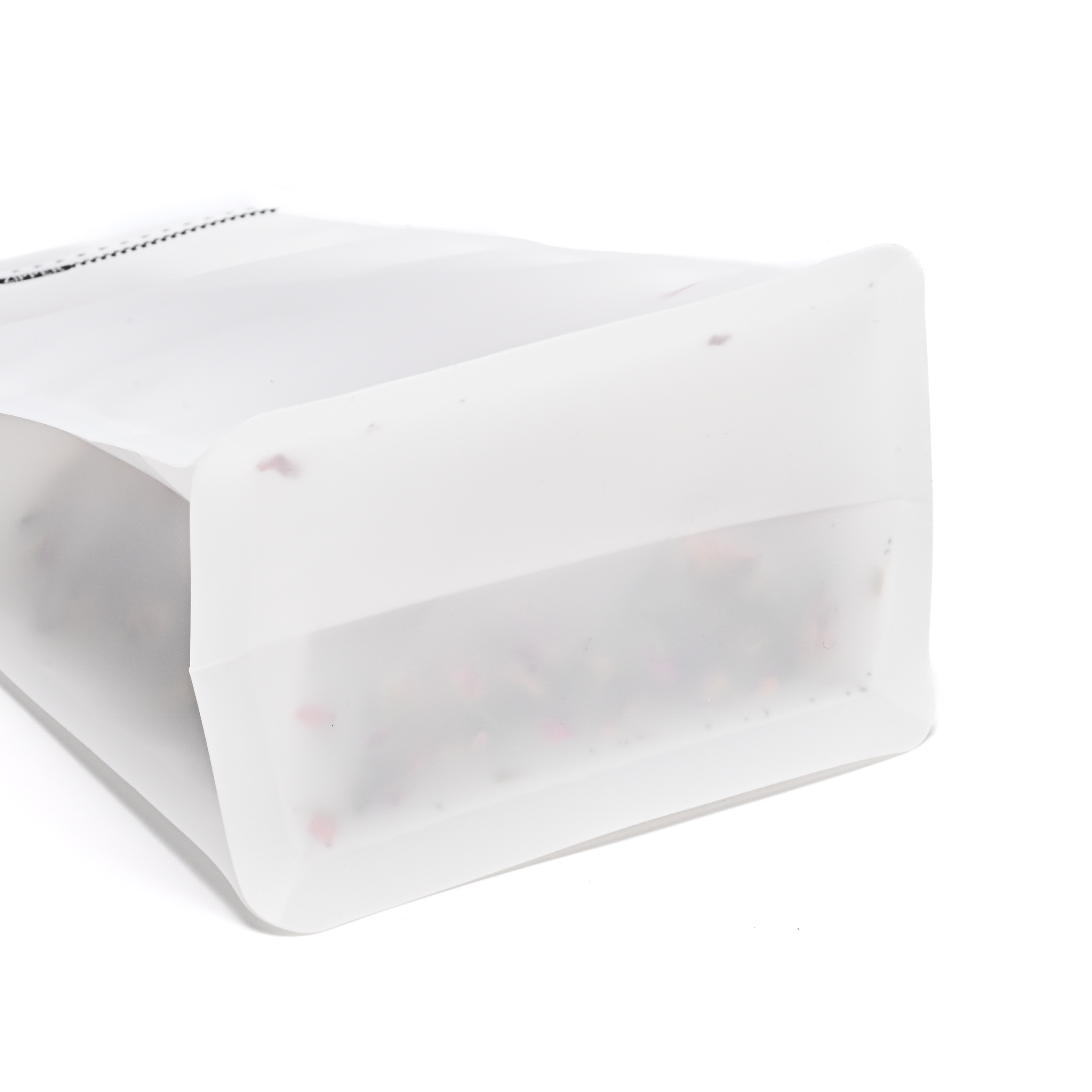
Sourcing a reliable recyclable bag supplier presents a unique challenge in modern packaging. Businesses today face mounting pressure to adopt sustainable materials, yet many struggle to find recyclable bag options that deliver both environmental responsibility and operational performance. The balance between meeting recyclability standards and maintaining product protection, shelf appeal, and cost efficiency requires a strategic approach. Understanding how to evaluate recyclable bag suppliers and certification credentials becomes essential for any organization committed to sustainable packaging without sacrificing quality.
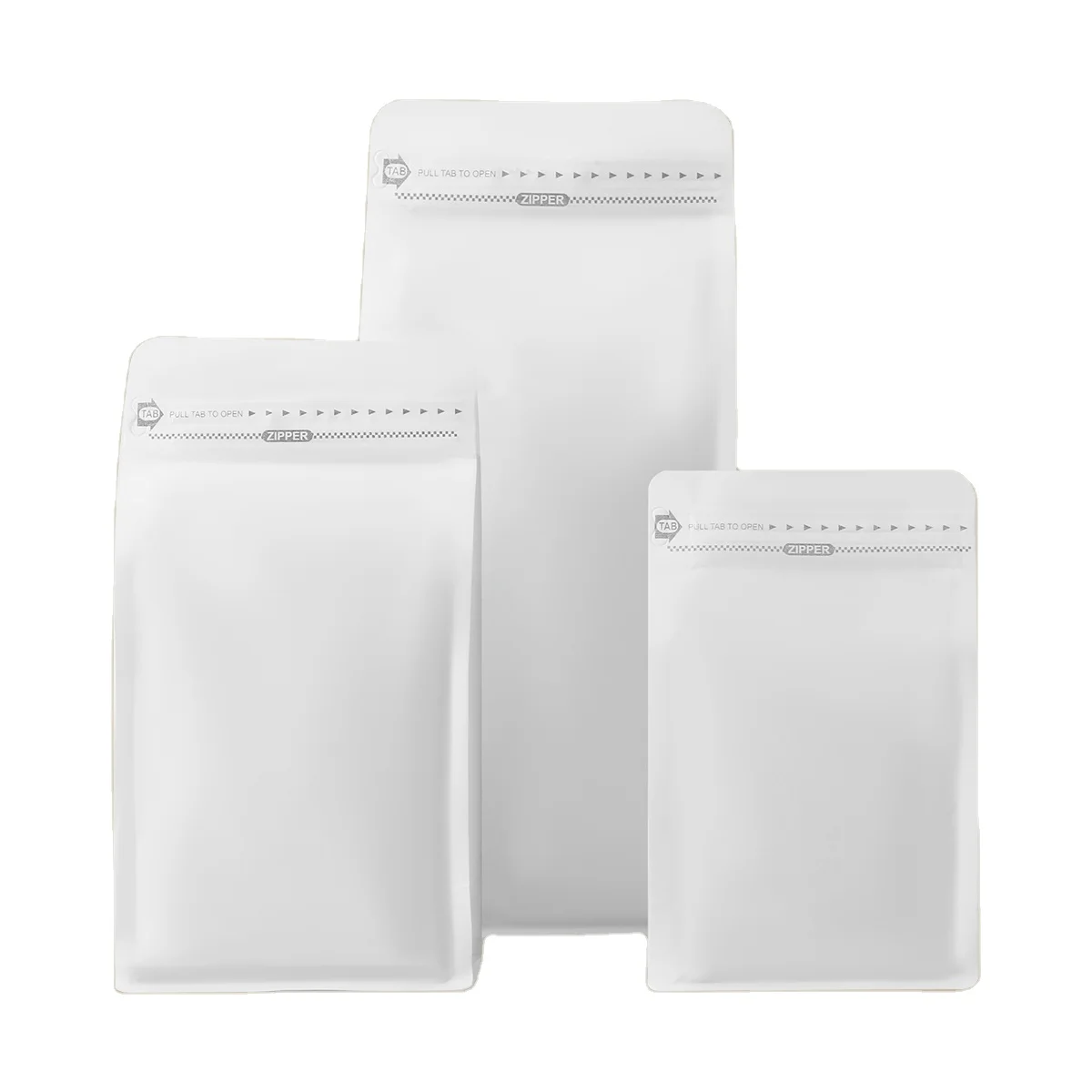
The recyclable bag market continues to expand as regulations tighten and consumer expectations shift toward environmentally conscious brands. However, not all recyclable bag products are created equal. Quality inconsistencies, certification gaps, and supply chain reliability issues plague businesses attempting to transition to sustainable packaging solutions. This guide explores practical strategies for sourcing a recyclable bag that meets rigorous quality benchmarks while fulfilling your sustainability commitments.
Understanding Recyclable Bag Certification Standards
Key Certification Requirements for Recyclable Bags
A genuine recyclable bag must comply with recognized certification frameworks that verify its environmental claims. The most widely acknowledged certifications include ISO 14855 for biodegradability, BRC (British Retail Consortium) certification for food safety and packaging standards, and regional compliance with extended producer responsibility (EPR) regulations. When evaluating a recyclable bag supplier, request documentation proving third-party testing and certification. A certified recyclable bag demonstrates that the material composition, manufacturing process, and end-of-life disposal pathway have undergone independent verification. This protects your brand from greenwashing accusations and ensures your recyclable bag genuinely delivers on sustainability promises.
How Certification Impacts Quality Assurance
Certification frameworks for a recyclable bag often include stringent quality control measures that exceed basic packaging standards. BRC certification, for example, requires documented quality assurance protocols, traceability systems, and contamination prevention processes. These same standards that verify a recyclable bag's environmental credentials simultaneously enforce manufacturing discipline and consistency. When you source a recyclable bag from a certified supplier, you inherit those quality mechanisms as part of the certification package. This creates a built-in advantage: pursuing environmental credentials naturally elevates the overall quality profile of your recyclable bag compared to non-certified alternatives.
Evaluating Recyclable Bag Suppliers and Material Composition
Material Selection for Durable Recyclable Bags
The material foundation of any recyclable bag determines both its functional performance and its actual recyclability. Kraft paper, polyethylene (PE), and polypropylene (PP) represent the most common base materials for recyclable bag production, each with distinct advantages and limitations. Kraft paper recyclable bag options provide excellent printability and a premium feel but may lack moisture resistance without additional layers. PE-laminated recyclable bag variants offer superior barrier properties and durability but require careful material selection to ensure the laminate structure remains recyclable. When evaluating recyclable bag materials, request data on basis weight, thickness, tensile strength, and tear resistance to confirm the recyclable bag will withstand your specific application demands.
Supplier Capabilities and Production Consistency
A reliable recyclable bag supplier must demonstrate consistent manufacturing capability and quality control discipline. Visit supplier facilities when possible to assess equipment calibration, material handling procedures, and quality testing protocols. Ask specific questions about production batch size, defect rates, and how the supplier manages variability in a recyclable bag's thickness and seal strength. Request samples across multiple production runs to evaluate whether each recyclable bag batch meets specifications. Establish clear tolerance ranges for recyclable bag dimensions, weight, and mechanical properties, then verify the supplier can reliably hit those targets over sustained production volumes. Transparency about capabilities and willingness to provide detailed production data indicate a recyclable bag supplier serious about quality consistency.
Integrating Recyclable Bags Into Your Supply Chain Strategy
Logistics and Storage Considerations for Recyclable Bags
Recyclable bag materials often require different handling protocols than conventional packaging. Kraft-based recyclable bag stock demands protection from moisture and humidity fluctuations during warehousing and transit, as these conditions can weaken structural integrity and create dimensional inconsistencies. PE-laminated recyclable bag options prove more forgiving but still require temperature control in certain climates. Work with your recyclable bag supplier to establish storage environment specifications, recommended humidity ranges, and shelf-life limitations. Ensure your distribution network accommodates these requirements; otherwise, even a perfectly manufactured recyclable bag may arrive at your production facility degraded. This upstream planning prevents costly production disruptions and ensures your recyclable bag performs as intended on the end consumer's shelf.
Cost Modeling and Sustainability ROI
Shifting to a certified recyclable bag typically involves upfront cost increases compared to conventional packaging, yet the full financial picture extends beyond unit price. Calculate total cost of ownership by including regulatory compliance benefits, brand value enhancement, and customer loyalty effects associated with genuine recyclable bag claims. Many markets now impose disposal surcharges or material taxes on non-recyclable packaging, which effectively narrows the cost gap between conventional and recyclable bag options. Document your recyclable bag transition for marketing and communications purposes; transparent sustainability investments often drive consumer preference and justify premium positioning. Conduct a pilot program with a limited product line to model the actual financial impact before scaling a recyclable bag rollout across your entire portfolio.
FAQ
What makes a recyclable bag truly recyclable rather than just marketed as eco-friendly?
A genuinely recyclable bag possesses material composition and design that allows recovery infrastructure to process it through standard recycling facilities. Third-party certification from recognized bodies confirms that a recyclable bag meets specific material purity, contamination limits, and processing compatibility standards. Marketing claims alone do not make a recyclable bag actually recyclable; certification documentation and verification through independent laboratories provide proof that the recyclable bag genuinely enters existing waste streams and recovers value. Conversely, a recyclable bag that lacks certification may degrade recycling facility operations, contaminate batches, or create economic inefficiency that discourages recycling altogether, undermining your sustainability goals.
How do I verify a recyclable bag supplier's certifications are legitimate?
Request original certification documents directly from your recyclable bag supplier and cross-reference them with the issuing certification body's database or registry. Major certifications like BRC maintain public directories where you can confirm a recyclable bag manufacturer's current status, scope of certification, and audit history. Do not rely solely on copies or screenshots; contact the certification organization independently to confirm a recyclable bag supplier holds active, valid credentials. Legitimate recyclable bag suppliers proactively provide this documentation and welcome verification inquiries; evasiveness or inability to substantiate claims signals potential concerns about a recyclable bag's actual environmental performance.
Can a recyclable bag maintain premium shelf appeal while being environmentally certified?
Absolutely. Modern recyclable bag manufacturing accommodates premium aesthetics including matte finishes, metallic inks, embossing, and sophisticated color printing without compromising recyclability. The recyclable bag design and material selection process can prioritize visual appeal alongside environmental credentials; these goals are not mutually exclusive. High-end brands successfully market recyclable bag packaging that achieves both sustainability certification and luxury perception, demonstrating that a recyclable bag need not sacrifice brand positioning. Work with your recyclable bag supplier to explore design options and material finishes that align with your brand identity while maintaining full certification compliance.