 EN
EN

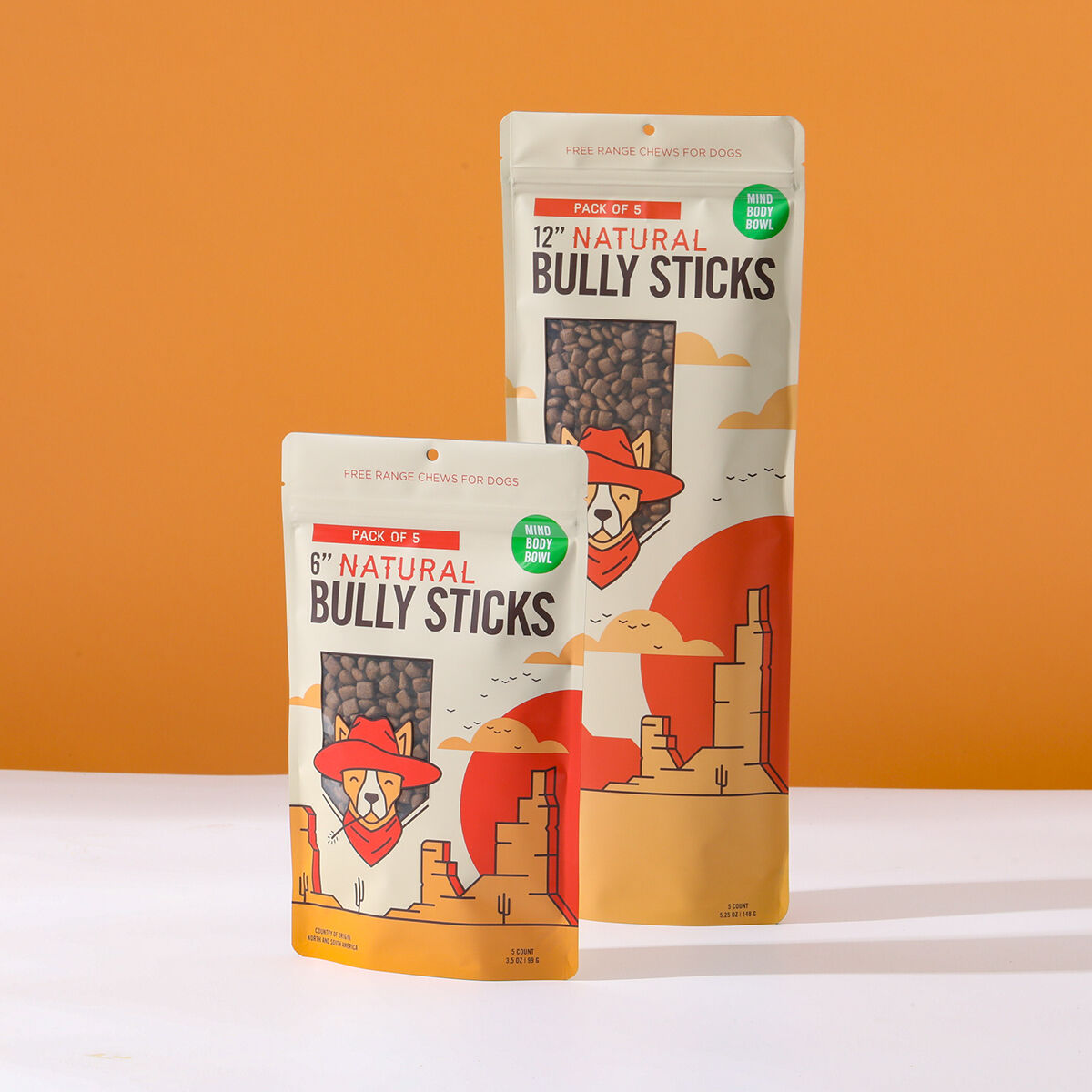
In the competitive world of flexible packaging, understanding and verifying the barrier properties of custom stand up pouches has become essential for manufacturers and brands seeking optimal product protection. These specialized packaging solutions require rigorous testing protocols to ensure they meet specific performance standards for moisture, oxygen, and other environmental factors that could compromise product integrity. The verification process involves multiple testing methodologies and industry standards that help determine whether custom stand up pouches will effectively preserve contents throughout their intended shelf life.
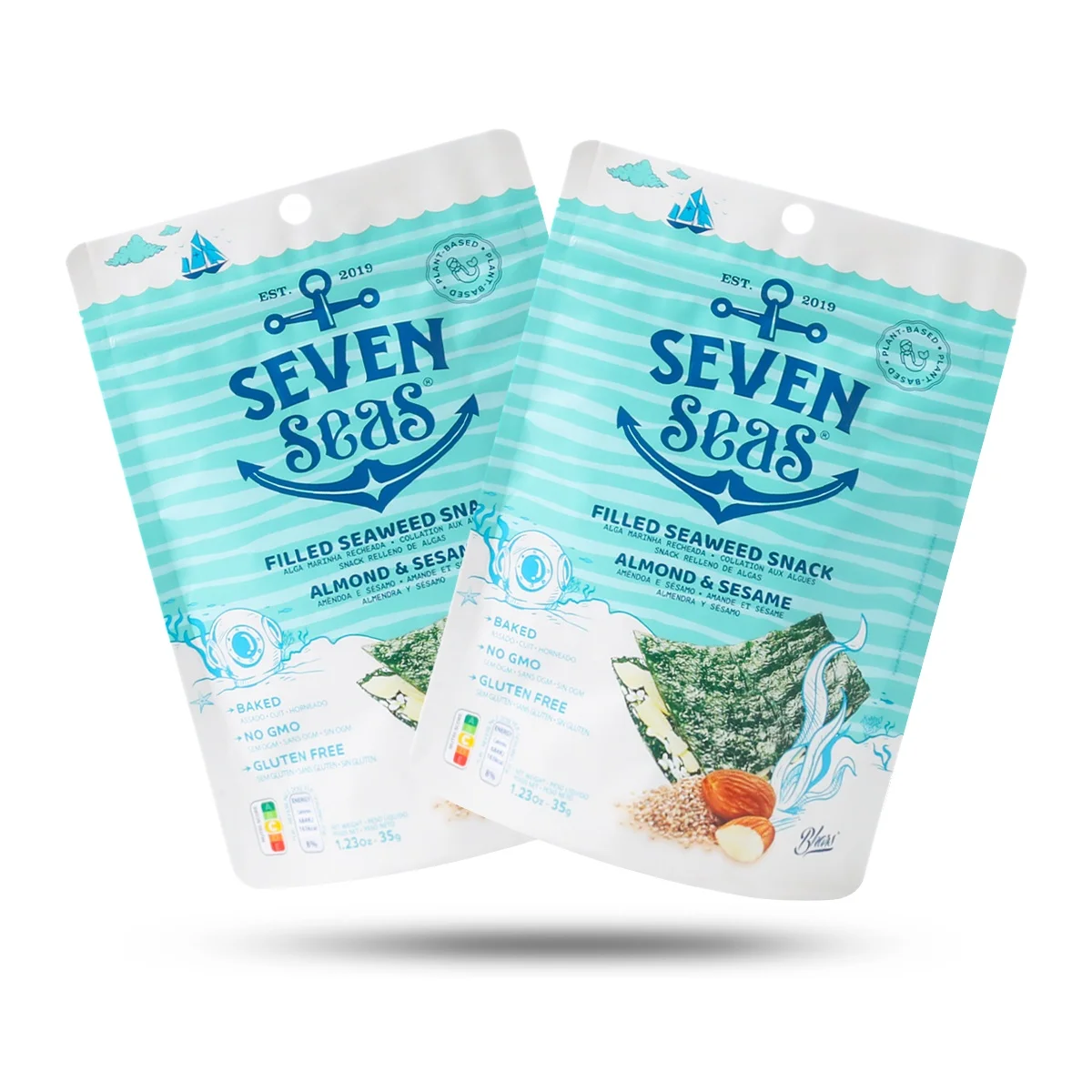
The barrier performance evaluation of flexible packaging represents a critical quality control measure that directly impacts product safety, shelf stability, and consumer satisfaction. Modern manufacturing facilities utilize sophisticated testing equipment and standardized protocols to assess how well custom stand up pouches protect against various environmental challenges. This comprehensive approach ensures that packaging specifications align with product requirements while maintaining cost-effectiveness and manufacturing efficiency.
Understanding Barrier Property Fundamentals
Moisture Vapor Transmission Rate Testing
Moisture vapor transmission rate testing serves as one of the most fundamental assessments for evaluating custom stand up pouches designed for moisture-sensitive products. This testing method measures the rate at which water vapor passes through the packaging material under controlled temperature and humidity conditions. The results provide crucial data about the pouch's ability to maintain product dryness and prevent moisture-related degradation over extended storage periods.
Testing laboratories typically employ gravimetric or instrumental methods following ASTM standards to determine precise moisture transmission rates. The gravimetric method involves placing desiccant materials inside test specimens and measuring weight changes over specific time intervals. Instrumental approaches utilize specialized sensors that continuously monitor moisture levels, providing more detailed transmission profiles throughout the testing duration.
Temperature and humidity variables significantly influence moisture transmission results, making it essential to conduct testing under conditions that simulate actual storage environments. Standard testing conditions often include temperatures ranging from 23°C to 40°C with relative humidity levels between 50% and 90%. These parameters help manufacturers understand how custom stand up pouches will perform across different climate zones and storage facilities.
Oxygen Transmission Rate Evaluation
Oxygen transmission rate evaluation determines how effectively packaging materials prevent oxygen ingress, which is particularly critical for products susceptible to oxidative deterioration. The testing process involves exposing one side of the packaging material to pure oxygen while measuring the amount that permeates through to the opposite side. This assessment helps predict shelf life and quality retention for oxygen-sensitive contents.
Modern testing equipment employs coulometric or gas chromatographic methods to achieve precise oxygen transmission measurements. Coulometric sensors detect oxygen molecules through electrochemical reactions, while gas chromatographic systems separate and quantify oxygen concentrations with exceptional accuracy. Both methodologies provide reliable data for evaluating barrier effectiveness across different material compositions and thickness specifications.
The relationship between oxygen transmission rates and product shelf life requires careful consideration of storage temperatures, as increased heat typically accelerates both transmission rates and product degradation. Testing protocols often include multiple temperature points to establish comprehensive performance profiles that guide storage recommendations and expiration dating decisions for products packaged in custom stand up pouches.
Advanced Testing Methodologies
Permeation Testing Equipment and Procedures
Sophisticated permeation testing equipment enables comprehensive evaluation of barrier properties through automated measurement systems that provide continuous monitoring capabilities. These instruments typically feature multiple test cells that allow simultaneous assessment of different material samples under varying environmental conditions. The automation reduces human error while increasing testing throughput for manufacturers requiring frequent barrier property verification.
Modern permeation analyzers incorporate advanced sensor technologies that detect extremely low transmission rates, making them suitable for high-barrier materials commonly used in custom stand up pouches. The equipment often includes integrated environmental controls that maintain precise temperature and humidity levels throughout extended testing periods. Data logging capabilities enable comprehensive analysis of transmission patterns and identification of potential material inconsistencies.
Calibration procedures for permeation testing equipment require regular attention to ensure measurement accuracy and reliability. Standard reference materials with known transmission properties serve as benchmarks for validating instrument performance. These calibration protocols help maintain data integrity and support regulatory compliance requirements for packaging materials used in food, pharmaceutical, and other regulated industries.
Accelerated Aging and Stress Testing
Accelerated aging protocols simulate extended storage conditions through elevated temperatures and humidity levels that compress years of normal aging into weeks or months of testing. This methodology enables rapid evaluation of how barrier properties might change over time due to material degradation or structural modifications. The results help predict long-term performance characteristics of custom stand up pouches without waiting for real-time aging to occur.
Stress testing involves subjecting packaging materials to extreme environmental conditions that exceed normal storage parameters. These tests identify potential failure modes and establish safety margins for barrier performance under adverse conditions. Common stress factors include temperature cycling, mechanical flexing, and exposure to chemical vapors that might compromise material integrity.
The correlation between accelerated testing results and real-world performance requires careful validation through comparative studies. Manufacturers often conduct parallel testing programs that include both accelerated protocols and extended real-time studies to verify the predictive accuracy of shortened test methods. This approach ensures that barrier property evaluations accurately reflect actual performance expectations.
Material Selection and Structure Optimization
Multi-Layer Film Construction Analysis
Multi-layer film construction in custom stand up pouches involves combining different polymer materials to achieve specific barrier performance targets while maintaining mechanical properties and cost effectiveness. Each layer serves distinct functions, such as providing moisture barriers, oxygen barriers, heat sealability, or printability. The optimization process requires careful consideration of layer thickness, material compatibility, and adhesion characteristics.
Barrier layer positioning within the film structure significantly impacts overall performance characteristics. Core barrier layers typically consist of materials like EVOH (ethylene vinyl alcohol) or metallized films that provide exceptional resistance to gas transmission. These materials are often sandwiched between protective layers that prevent damage during processing and handling while maintaining barrier integrity.
Adhesive systems used to bond multiple layers must maintain structural integrity without compromising barrier properties. The selection of appropriate adhesives requires evaluation of their chemical compatibility with barrier materials and their resistance to delamination under various environmental conditions. Poor adhesive selection can create pathways for gas transmission that significantly reduce overall barrier effectiveness.
Surface Treatment and Coating Applications
Surface treatments and specialized coatings can enhance barrier properties of base film materials used in custom stand up pouches manufacturing. These applications include plasma treatments, corona treatments, and various coating formulations designed to modify surface characteristics and improve barrier performance. The selection of appropriate treatments depends on the specific barrier requirements and the base material properties.
Vacuum metallization represents one of the most effective coating methods for creating high-barrier films with excellent moisture and oxygen resistance. This process deposits thin metallic layers onto polymer substrates, creating mirror-like finishes that provide superior barrier properties while maintaining flexibility and processability. The metallization process parameters significantly influence final barrier performance and require careful optimization.
Transparent barrier coatings offer alternatives to metallization for applications requiring product visibility. These specialized formulations typically incorporate inorganic particles or plasma-deposited layers that provide enhanced barrier properties without sacrificing optical clarity. The development of transparent barrier technologies continues to advance, offering new possibilities for custom stand up pouches designs.
Quality Control and Testing Standards
Industry Standard Compliance
Compliance with established industry standards ensures that barrier property testing methods provide consistent and reliable results across different laboratories and manufacturers. Organizations such as ASTM International, ISO, and TAPPI have developed comprehensive testing standards that specify equipment requirements, test procedures, and result interpretation guidelines. These standards facilitate communication between suppliers and customers while supporting regulatory compliance efforts.
ASTM F1249 represents the primary standard for water vapor transmission testing, providing detailed procedures for both gravimetric and instrumental methods. This standard specifies environmental conditions, specimen preparation requirements, and calculation methods for determining transmission rates. Similar standards exist for oxygen transmission testing, including ASTM D3985 and ASTM F2622, which address different measurement techniques and application requirements.
International standards harmonization efforts help ensure that barrier property data obtained in different countries can be compared and utilized effectively. The ISO 15105 series provides globally recognized procedures for gas transmission testing, while regional standards may address specific regulatory or market requirements. Understanding applicable standards is essential for manufacturers of custom stand up pouches serving international markets.
Statistical Analysis and Data Interpretation
Statistical analysis of barrier property test data helps identify material variability and establish appropriate specification limits for manufacturing quality control. Standard statistical methods include calculation of mean values, standard deviations, and confidence intervals that provide insight into material consistency and measurement uncertainty. These analyses support decision-making processes related to material acceptance and process optimization.
Trend analysis of barrier property data over time can reveal gradual changes in material performance or processing conditions that might affect product quality. Control charts and statistical process control methods help identify when barrier properties deviate from established norms, enabling proactive corrective actions before quality issues impact finished products. This approach supports continuous improvement efforts and helps maintain consistent performance.
Correlation analysis between different barrier properties and processing parameters can provide valuable insights for optimizing custom stand up pouches manufacturing. Understanding relationships between material variables, processing conditions, and final barrier performance enables more effective process control and material selection decisions. These analyses often reveal opportunities for cost reduction without compromising essential barrier requirements.
Real-World Application Considerations
Product Compatibility Assessment
Product compatibility assessment involves evaluating how specific contents might interact with packaging materials and potentially affect barrier properties over time. Some products contain compounds that can migrate into packaging materials or cause chemical reactions that degrade barrier effectiveness. Understanding these interactions is crucial for selecting appropriate materials and predicting shelf life performance of custom stand up pouches applications.
Migration testing protocols help identify potential chemical interactions between products and packaging materials that could compromise barrier properties or product safety. These tests typically involve exposing packaging materials to product simulants or actual products under accelerated conditions. The results provide data about potential migration pathways and help establish appropriate material selection criteria.
Flavor and aroma permeation represents another important consideration for products with strong odors or volatile compounds. Some barrier materials that effectively prevent moisture and oxygen transmission may allow passage of organic vapors that could affect product quality or cause cross-contamination in multi-product environments. Specialized testing methods evaluate permeation characteristics for specific organic compounds relevant to particular applications.
Storage and Distribution Environment Impact
Storage and distribution environments significantly influence barrier property requirements and performance expectations for custom stand up pouches. Temperature fluctuations, humidity variations, and atmospheric pressure changes during transportation can affect both transmission rates and mechanical properties of packaging materials. Understanding these environmental factors helps establish appropriate barrier specifications and storage recommendations.
Cold storage applications present unique challenges for barrier property evaluation, as low temperatures can affect material flexibility and potentially create stress concentrations that compromise barrier integrity. Testing protocols should include evaluation under relevant cold storage conditions to ensure that barrier properties remain adequate throughout the intended storage period. Some materials may become brittle at low temperatures, increasing the risk of mechanical failure.
High-temperature storage conditions accelerate both transmission rates and potential material degradation processes that could affect barrier performance. Extended exposure to elevated temperatures may cause structural changes in polymer materials that increase permeability or reduce mechanical strength. Testing programs should evaluate barrier property stability under relevant high-temperature conditions to ensure adequate performance throughout product shelf life.
FAQ
What are the most critical barrier properties to test for custom stand up pouches
The most critical barrier properties depend on the specific product being packaged, but generally include moisture vapor transmission rate and oxygen transmission rate as primary concerns. For food products, these properties help prevent spoilage and maintain quality, while pharmaceutical applications may require additional testing for specific chemical vapors. Other important properties include light transmission for photosensitive products and aroma barrier characteristics for products with strong odors that could cause cross-contamination.
How long does barrier property testing typically take to complete
Standard barrier property testing typically requires 24 to 72 hours for basic moisture and oxygen transmission measurements under normal conditions. However, comprehensive testing programs that include multiple environmental conditions, accelerated aging protocols, and statistical validation may require several weeks to complete. The specific timeframe depends on the number of test conditions, material complexity, and required confidence levels for the results.
Can barrier properties change during the manufacturing process of custom stand up pouches
Yes, barrier properties can be significantly affected by manufacturing processes such as heat sealing, printing, and converting operations. High temperatures used in heat sealing may cause localized degradation of barrier materials, while printing inks and adhesives could potentially compromise barrier integrity if not properly formulated. Quality control testing should include evaluation of barrier properties after all manufacturing processes are completed to ensure final product performance meets specifications.
What factors influence the cost of barrier property testing services
The cost of barrier property testing depends on several factors including the number of different transmission properties evaluated, environmental conditions tested, sample quantity, and turnaround time requirements. Specialized testing for unique gases or vapors typically costs more than standard oxygen and moisture testing. Accelerated aging protocols and statistical validation studies also increase costs due to extended testing periods and additional analytical requirements. Most testing laboratories offer package deals for comprehensive barrier evaluation programs.
Table of Contents
- Understanding Barrier Property Fundamentals
- Advanced Testing Methodologies
- Material Selection and Structure Optimization
- Quality Control and Testing Standards
- Real-World Application Considerations
-
FAQ
- What are the most critical barrier properties to test for custom stand up pouches
- How long does barrier property testing typically take to complete
- Can barrier properties change during the manufacturing process of custom stand up pouches
- What factors influence the cost of barrier property testing services