 EN
EN

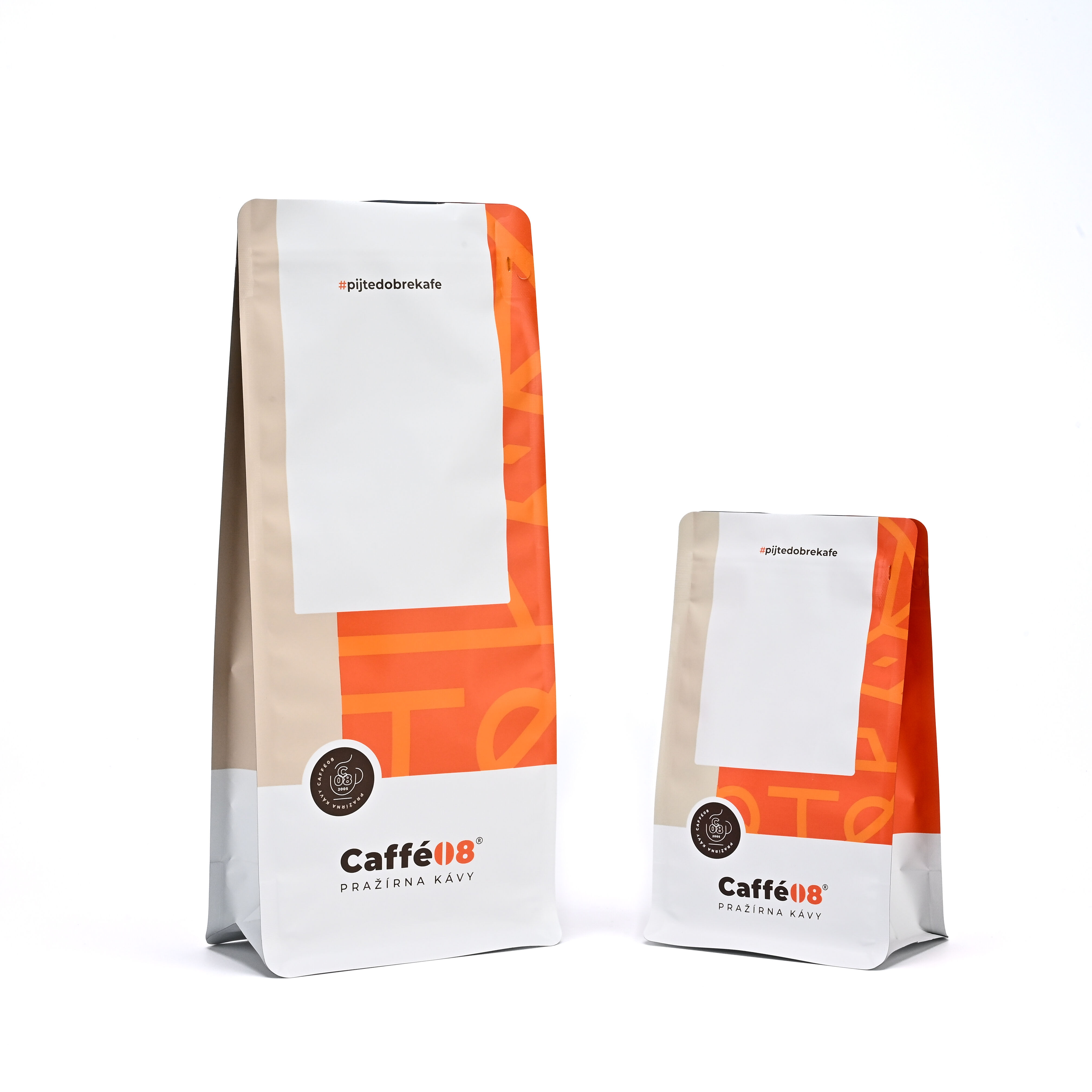
The coffee industry has witnessed a remarkable transformation in recent years, with sustainability becoming a pivotal factor in consumer purchasing decisions. Modern coffee enthusiasts are increasingly drawn to brands that demonstrate environmental consciousness through their packaging choices. This shift has made eco-friendly coffee bags a cornerstone of successful brand positioning, directly influencing customer retention and loyalty. Companies that embrace sustainable packaging solutions are discovering that their commitment to environmental responsibility resonates deeply with today's conscious consumers, creating stronger emotional connections that translate into long-term brand relationships.
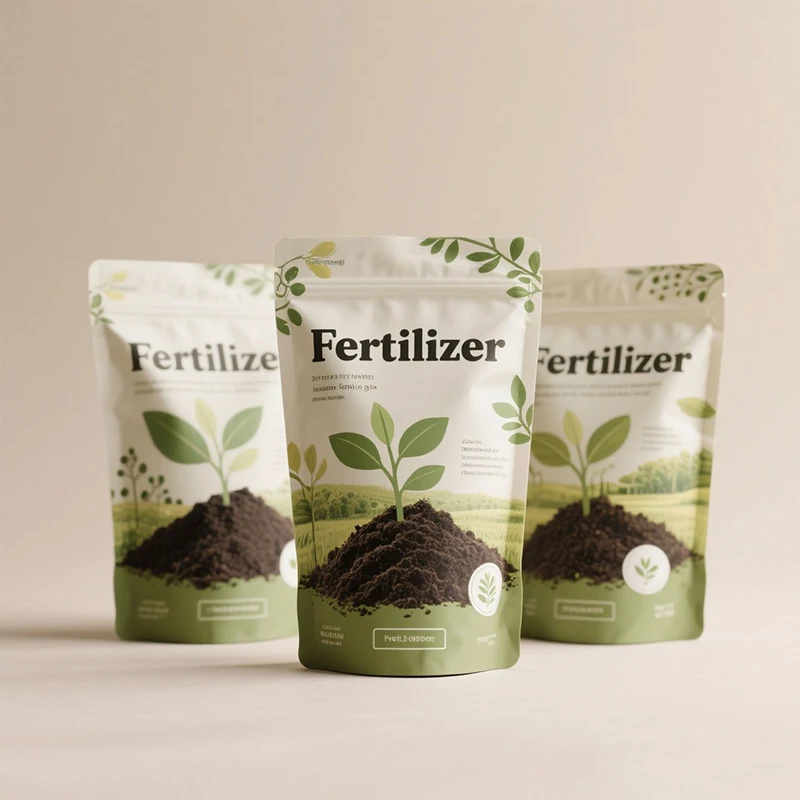
Understanding the Connection Between Sustainable Packaging and Consumer Behavior
The Psychology of Green Consumer Choice
Consumer psychology plays a crucial role in how eco-friendly coffee bags influence purchasing behavior. Research indicates that environmentally conscious packaging creates a positive cognitive association between the brand and the consumer's personal values. When customers see biodegradable or compostable coffee packaging, they experience a sense of alignment with their environmental beliefs, which strengthens their emotional connection to the brand. This psychological bond extends beyond the initial purchase, fostering repeat buying behavior and brand advocacy.
The visual appeal of eco-friendly coffee bags also contributes to consumer preference. Natural materials, earthy colors, and sustainable design elements communicate authenticity and environmental responsibility at first glance. These visual cues trigger positive emotions and reinforce the consumer's decision to support environmentally responsible brands. The tactile experience of handling sustainable packaging materials further enhances this connection, creating a multi-sensory brand experience that traditional packaging cannot match.
Environmental Awareness and Purchase Intent
The growing awareness of environmental issues has fundamentally changed consumer expectations regarding product packaging. Millennials and Generation Z consumers, in particular, actively seek out brands that demonstrate environmental stewardship through their packaging choices. Studies show that over 70% of consumers are willing to pay premium prices for products packaged in sustainable materials, indicating a direct correlation between environmental consciousness and brand loyalty.
This heightened environmental awareness has made eco-friendly coffee bags a competitive differentiator in the crowded coffee market. Brands that fail to adopt sustainable packaging risk losing market share to competitors who prioritize environmental responsibility. The shift towards sustainable packaging has become so significant that many consumers now research a brand's environmental practices before making their first purchase, making eco-friendly packaging a crucial factor in customer acquisition and retention.
The Business Benefits of Implementing Sustainable Coffee Packaging
Enhanced Brand Reputation and Market Positioning
Implementing eco-friendly coffee bags significantly enhances brand reputation and market positioning within the competitive coffee industry. Companies that adopt sustainable packaging solutions often experience increased media attention, positive reviews, and enhanced brand credibility. This improved reputation translates directly into customer trust, which is fundamental to building lasting brand loyalty. Environmental responsibility has become a key brand differentiator that helps companies stand out in saturated markets.
The adoption of sustainable packaging also positions brands as forward-thinking and innovative, appealing to consumers who value progressive companies. This positioning advantage extends beyond environmental considerations, as consumers often associate sustainability with overall product quality and company integrity. Brands using eco-friendly coffee bags frequently report increased social media engagement, positive word-of-mouth marketing, and stronger community support, all of which contribute to enhanced brand loyalty.
Customer Retention Through Shared Values
Shared environmental values create powerful bonds between brands and consumers that extend far beyond transactional relationships. When companies demonstrate genuine commitment to sustainability through their packaging choices, they attract customers who share similar environmental concerns. These value-aligned customers tend to exhibit higher loyalty rates, increased lifetime value, and stronger resistance to competitive offerings. The emotional connection formed through shared environmental values often supersedes price considerations, making customers less likely to switch to competitors.
The use of eco-friendly coffee bags also enables brands to build communities around environmental consciousness. Customers who purchase sustainably packaged coffee often become brand ambassadors, sharing their positive experiences with friends and family. This organic word-of-mouth marketing is particularly valuable because recommendations from trusted sources carry more weight than traditional advertising, leading to higher conversion rates and stronger customer loyalty among new prospects.
Types of Eco-Friendly Coffee Packaging Materials
Biodegradable and Compostable Options
Biodegradable eco-friendly coffee bags represent one of the most popular sustainable packaging solutions in the coffee industry. These bags are manufactured from materials that naturally break down in the environment without leaving harmful residues. Common biodegradable materials include plant-based polymers, recycled paper, and specially treated natural fibers that maintain product freshness while minimizing environmental impact. The decomposition process typically occurs within months rather than decades, making these materials significantly more environmentally responsible than traditional plastic packaging.
Compostable coffee bags offer an even more sustainable option, as they can be processed in industrial composting facilities to create nutrient-rich soil amendments. These eco-friendly coffee bags are designed to break down completely under controlled composting conditions, contributing to circular economy principles. The availability of home-compostable options has further increased consumer appeal, allowing customers to dispose of packaging in their backyard compost bins, creating a closed-loop system that appeals to environmentally conscious consumers.
Recyclable and Reusable Packaging Solutions
Recyclable eco-friendly coffee bags provide another sustainable packaging option that appeals to environmentally conscious consumers. These bags are manufactured from materials that can be processed through existing recycling infrastructure, reducing waste and conserving natural resources. Advanced recyclable materials maintain the barrier properties necessary for coffee preservation while ensuring compatibility with municipal recycling programs. The clear labeling of recyclable packaging helps consumers make informed disposal decisions, reinforcing the brand's commitment to environmental responsibility.
Reusable coffee packaging represents an innovative approach to sustainable packaging that creates ongoing brand interaction. These durable eco-friendly coffee bags are designed for multiple uses, encouraging customers to repurpose the packaging for storage or other applications. The extended lifecycle of reusable packaging creates continuous brand exposure while reducing overall packaging waste. Many brands incorporate attractive designs and functional features into reusable packaging, transforming disposal waste into useful household items that reinforce brand loyalty through daily interaction.
Consumer Perception and Market Research Findings
Survey Results on Packaging Preferences
Comprehensive market research reveals that eco-friendly coffee bags significantly influence consumer purchasing decisions and brand perception. Recent surveys indicate that 82% of coffee consumers consider packaging sustainability when selecting brands, with 67% willing to pay additional costs for environmentally responsible packaging. These findings demonstrate the direct correlation between sustainable packaging choices and consumer preference, validating the business case for adopting eco-friendly packaging solutions.
Demographic analysis shows that environmental packaging preferences vary across age groups, with younger consumers demonstrating stronger preferences for eco-friendly coffee bags. However, awareness and preference for sustainable packaging are increasing across all demographic segments, indicating a broad market shift towards environmental consciousness. The research also reveals that consumers actively research brand environmental practices, with packaging sustainability serving as a key decision factor in brand selection and loyalty development.
Brand Loyalty Metrics and Sustainable Packaging
Quantitative analysis of brand loyalty metrics reveals strong correlations between eco-friendly coffee bags and customer retention rates. Brands that adopt sustainable packaging report 15-25% higher customer retention rates compared to companies using traditional packaging materials. These improved retention rates translate directly into increased customer lifetime value and reduced customer acquisition costs, creating substantial business benefits beyond environmental impact.
Net Promoter Scores for brands using eco-friendly coffee bags consistently exceed industry averages, indicating higher customer satisfaction and increased likelihood of brand recommendations. The research shows that sustainable packaging practices create positive brand associations that extend beyond environmental considerations, influencing overall brand perception and customer loyalty. Companies investing in eco-friendly packaging solutions often experience improved brand equity and market positioning that drives long-term business success.
Implementation Strategies for Coffee Brands
Transitioning to Sustainable Packaging
Successful implementation of eco-friendly coffee bags requires strategic planning and phased execution to minimize disruption while maximizing customer acceptance. Companies should begin by conducting comprehensive assessments of their current packaging systems, identifying opportunities for sustainable alternatives without compromising product quality or shelf life. The transition process typically involves supplier evaluation, material testing, and gradual rollout to gauge customer response and operational efficiency.
Effective communication strategies are essential during the transition to eco-friendly coffee bags, as customers need to understand the environmental benefits and proper disposal methods. Brands should develop educational content that explains the sustainable features of their new packaging while highlighting the environmental impact reduction. This educational approach helps customers appreciate the value of sustainable packaging choices and reinforces their decision to support environmentally responsible brands.
Cost Considerations and ROI Analysis
While eco-friendly coffee bags may involve higher initial costs compared to traditional packaging materials, comprehensive ROI analysis reveals significant long-term benefits that justify the investment. The premium pricing that customers willingly pay for sustainably packaged products often offsets the increased material costs, while improved customer loyalty reduces marketing expenses and customer acquisition costs. Additionally, many sustainable packaging materials offer operational benefits such as improved storage efficiency and reduced shipping costs.
The financial benefits of eco-friendly coffee bags extend beyond direct cost considerations to include risk mitigation and market positioning advantages. Companies that proactively adopt sustainable packaging avoid potential regulatory compliance costs and position themselves favorably for future market developments. The long-term value creation from enhanced brand reputation, customer loyalty, and market differentiation often far exceeds the initial investment in sustainable packaging solutions.
Future Trends in Sustainable Coffee Packaging
Technological Innovations and Material Development
The future of eco-friendly coffee bags is being shaped by rapid technological innovations and advanced material development that promise even more sustainable and functional packaging solutions. Emerging technologies include bio-based barrier coatings that maintain coffee freshness while ensuring complete biodegradability, and smart packaging materials that change color to indicate optimal consumption timing. These innovations address the traditional trade-offs between sustainability and functionality, enabling brands to offer superior environmental performance without compromising product quality.
Nanotechnology applications in sustainable packaging are creating eco-friendly coffee bags with enhanced barrier properties and extended shelf life using minimal material quantities. These advanced materials maintain coffee freshness for longer periods while using fewer natural resources and generating less waste. The integration of renewable energy in packaging production processes is further reducing the environmental footprint of eco-friendly coffee bags, creating truly sustainable packaging solutions from production through disposal.
Regulatory Environment and Industry Standards
Evolving regulatory frameworks are increasingly favoring eco-friendly coffee bags and sustainable packaging solutions across global markets. Government initiatives including plastic reduction targets, extended producer responsibility programs, and sustainability disclosure requirements are creating regulatory pressure for sustainable packaging adoption. These regulatory developments provide additional incentives for brands to invest in eco-friendly packaging while creating competitive advantages for early adopters.
Industry-wide sustainability standards are being developed to ensure consistent environmental performance and consumer confidence in eco-friendly coffee bags. These standards address material composition, disposal requirements, and environmental impact measurement, creating transparent frameworks for sustainable packaging evaluation. The establishment of certification programs and eco-labels helps consumers identify truly sustainable packaging options while encouraging continuous improvement in environmental performance across the coffee industry.
FAQ
How do eco-friendly coffee bags maintain product freshness compared to traditional packaging
Modern eco-friendly coffee bags utilize advanced barrier technologies and innovative material compositions to maintain coffee freshness comparable to traditional packaging. Bio-based polymers and natural barrier coatings provide excellent protection against moisture, oxygen, and light while remaining biodegradable. Many sustainable packaging solutions incorporate multiple-layer constructions that combine renewable materials with functional barriers, ensuring optimal coffee preservation throughout the product lifecycle. Quality testing consistently demonstrates that properly designed eco-friendly coffee bags maintain coffee freshness for standard shelf life periods without compromising flavor or aroma.
What is the typical cost difference between sustainable and conventional coffee packaging
The cost differential between eco-friendly coffee bags and conventional packaging varies depending on material type, order quantities, and specific functionality requirements. Generally, sustainable packaging materials carry a 10-30% premium over traditional alternatives, though this gap is narrowing as production volumes increase and technology improves. However, the higher material costs are often offset by premium pricing that consumers willingly pay for sustainably packaged products, improved customer retention rates, and reduced marketing expenses. Many brands find that the long-term ROI from enhanced brand loyalty and market positioning justifies the initial investment in sustainable packaging.
How should consumers properly dispose of different types of eco-friendly coffee bags
Proper disposal of eco-friendly coffee bags depends on the specific material composition and local waste management infrastructure. Biodegradable bags can typically be composted in industrial facilities, while some home-compostable options break down in backyard compost systems. Recyclable eco-friendly coffee bags should be processed through appropriate municipal recycling programs, though consumers should check local guidelines for specific material acceptance. Clear labeling on sustainable packaging provides disposal instructions, and many brands offer educational resources to help customers make environmentally responsible disposal choices that maximize the environmental benefits of sustainable packaging.
Can small coffee businesses afford to implement eco-friendly packaging solutions
Small coffee businesses can successfully implement eco-friendly coffee bags through strategic sourcing and gradual transition approaches that manage costs while building sustainability credentials. Many packaging suppliers offer eco-friendly options with reasonable minimum order quantities suitable for smaller operations, and cooperative purchasing arrangements can help reduce per-unit costs. The premium pricing that customers pay for sustainably packaged coffee often compensates for higher material costs, while the enhanced brand differentiation helps small businesses compete effectively against larger competitors. Additionally, many consumers actively seek out and support small businesses that demonstrate environmental responsibility, creating marketing advantages that drive customer acquisition and loyalty.
Table of Contents
- Understanding the Connection Between Sustainable Packaging and Consumer Behavior
- The Business Benefits of Implementing Sustainable Coffee Packaging
- Types of Eco-Friendly Coffee Packaging Materials
- Consumer Perception and Market Research Findings
- Implementation Strategies for Coffee Brands
- Future Trends in Sustainable Coffee Packaging
-
FAQ
- How do eco-friendly coffee bags maintain product freshness compared to traditional packaging
- What is the typical cost difference between sustainable and conventional coffee packaging
- How should consumers properly dispose of different types of eco-friendly coffee bags
- Can small coffee businesses afford to implement eco-friendly packaging solutions