 EN
EN
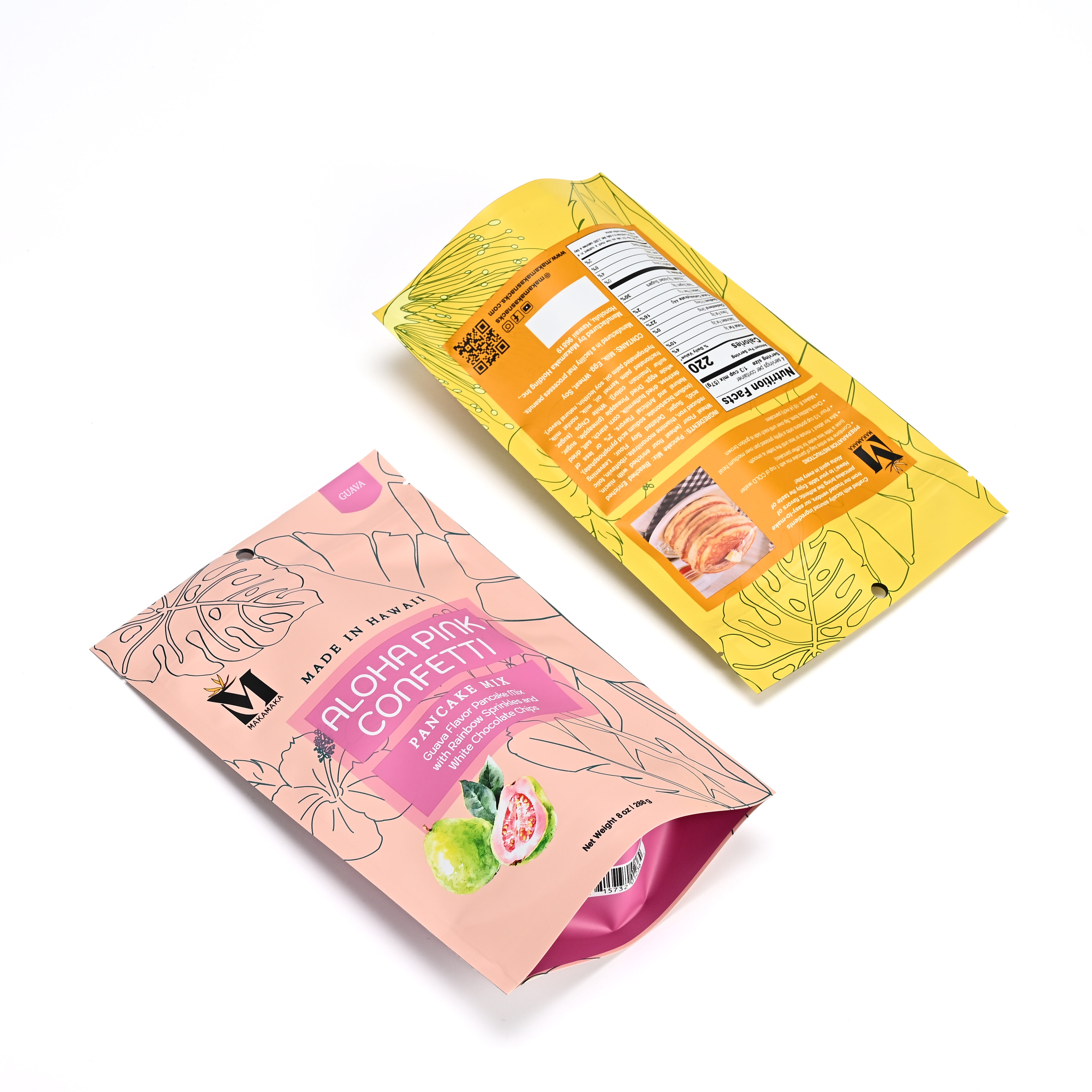
The global packaging industry is experiencing a transformative shift as retailers worldwide embrace flexible packaging solutions over traditional rigid containers. This evolution represents more than just a trend—it signifies a fundamental change in how brands approach product presentation, sustainability, and cost-effectiveness. Modern consumers demand packaging that combines functionality with environmental responsibility, driving unprecedented adoption of innovative flexible formats across diverse retail sectors.
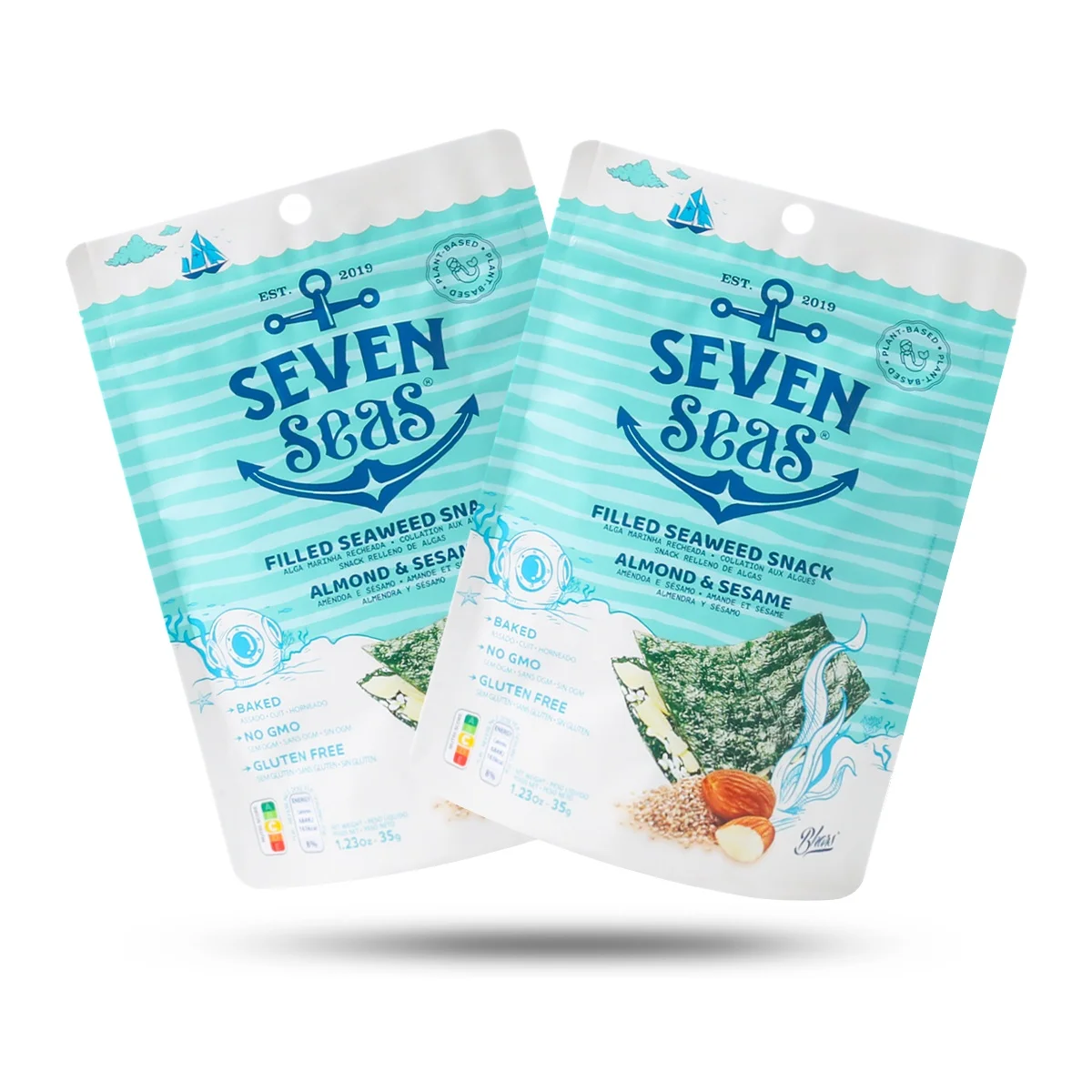
Flexible packaging solutions have emerged as the preferred choice for manufacturers seeking to optimize their supply chain efficiency while meeting evolving consumer preferences. The transition from rigid packaging formats to flexible alternatives reflects broader market dynamics including sustainability imperatives, cost pressures, and technological advancements in barrier materials. Industry analysts project continued growth in flexible packaging adoption, with stand up pouches leading this transformation across food, beverage, personal care, and household product categories.
Market Dynamics Driving Packaging Innovation
Consumer Behavior Transformation
Contemporary retail environments reflect significant changes in consumer purchasing patterns and preferences. Modern shoppers prioritize convenience, portability, and environmental consciousness when making product selections. Stand up pouches address these priorities by offering superior functionality compared to traditional rigid packaging formats. The self-supporting design enables efficient storage and display, while flexible materials provide enhanced product protection and extended shelf life.
Research indicates that consumers increasingly associate flexible packaging with innovation and quality. The tactile experience of handling stand up pouches creates positive brand associations, contributing to improved purchase intent and customer loyalty. Retailers report higher product turnover rates for items packaged in flexible formats, demonstrating the commercial viability of this packaging approach across diverse market segments.
Sustainability Imperatives
Environmental considerations play an increasingly critical role in packaging decision-making processes. Stand up pouches typically require significantly less material than equivalent rigid packaging formats, resulting in reduced resource consumption and lower environmental impact. The lightweight nature of flexible packaging translates to decreased transportation costs and carbon emissions throughout the supply chain, aligning with corporate sustainability objectives and consumer environmental expectations.
Advanced barrier technologies enable stand up pouches to provide exceptional product protection while maintaining recyclability characteristics. Modern manufacturing processes incorporate recyclable materials and design principles that support circular economy initiatives. Leading brands leverage sustainable flexible packaging to differentiate their products and appeal to environmentally conscious consumers who prioritize responsible consumption practices.
Technical Advantages of Flexible Packaging
Barrier Performance Excellence
Modern stand up pouches incorporate sophisticated multi-layer constructions that deliver superior barrier properties compared to traditional rigid packaging. Advanced lamination technologies combine different material layers to create optimized barriers against oxygen, moisture, light, and other environmental factors that could compromise product quality. These engineered structures enable extended shelf life while maintaining product freshness and nutritional integrity throughout distribution and storage.
The flexibility inherent in stand up pouches allows for innovative closure systems that enhance product protection and consumer convenience. Zip-lock mechanisms, spouts, and other specialized closures provide airtight seals that preserve product quality while enabling easy access and portion control. This functionality proves particularly valuable for food products, where maintaining freshness directly impacts consumer satisfaction and repeat purchase behavior.
Manufacturing Efficiency Benefits
Production processes for stand up pouches offer significant advantages over rigid packaging manufacturing. The flexible materials require less energy to produce and process, resulting in lower manufacturing costs and reduced environmental impact. High-speed packaging lines can achieve impressive throughput rates while maintaining quality standards, enabling manufacturers to meet growing demand efficiently.
Customization capabilities for stand up pouches exceed those available for most rigid packaging formats. Digital printing technologies enable cost-effective small batch production and rapid design iterations, supporting product launches and marketing campaigns. The printable surface area of stand up pouches provides excellent opportunities for brand communication and consumer engagement, enhancing shelf appeal and product differentiation in competitive retail environments.
Economic Impact Across Supply Chains
Cost Optimization Strategies
The economic benefits of adopting stand up pouches extend throughout supply chain operations. Material costs for flexible packaging typically represent significant savings compared to rigid alternatives, particularly when considering the reduced weight and volume requirements. These savings compound across transportation, warehousing, and inventory management activities, creating substantial operational efficiencies for manufacturers and retailers.
Storage efficiency improvements enable retailers to optimize shelf space utilization and inventory turnover rates. Stand up pouches maximize product visibility while minimizing space requirements, allowing retailers to stock larger quantities and broader product assortments within existing footprints. This spatial efficiency translates to improved revenue per square foot and enhanced profitability for retail operations across various formats and market segments.
Distribution Network Optimization
Logistics operations benefit substantially from the lightweight and compact nature of stand up pouches. Transportation costs decrease proportionally with reduced package weight, while improved package efficiency enables higher product quantities per shipment. These efficiencies become increasingly important as fuel costs fluctuate and environmental regulations tighten across global shipping networks.
Warehousing operations experience improved efficiency through reduced storage requirements and enhanced handling characteristics. Stand up pouches stack efficiently and resist damage during automated sorting and distribution processes. The durability of modern flexible materials ensures product integrity throughout complex distribution networks, reducing waste and improving overall supply chain reliability.
Industry Applications and Adoption Rates
Food and Beverage Sector Leadership
The food and beverage industry has emerged as the primary driver of stand up pouches adoption across global markets. Product categories ranging from snack foods and confectionery to beverages and meal components have successfully transitioned to flexible packaging formats. Consumer acceptance in these categories demonstrates the versatility and effectiveness of stand up pouches for diverse product requirements and consumption occasions.
Innovation in food-grade barrier materials has enabled stand up pouches to accommodate products with challenging preservation requirements. Frozen foods, dairy products, and prepared meals benefit from advanced barrier technologies that maintain product quality while providing consumer convenience features. The ability to incorporate features such as easy-open mechanisms, portion control, and microwave compatibility has accelerated adoption across food service and retail channels.
Personal Care and Household Products
Personal care manufacturers increasingly recognize the benefits of stand up pouches for liquid and powder products. Shampoos, lotions, detergents, and cleaning products packaged in flexible formats offer improved portability and reduced shipping costs. The ability to create unique shapes and incorporate functional features like spouts or pumps enhances product differentiation and consumer appeal.
Household product categories benefit from the durability and chemical resistance properties of modern flexible packaging materials. Stand up pouches designed for cleaning products and personal care items must withstand harsh chemical environments while maintaining barrier integrity. Advanced material science has enabled the development of specialized films that meet these challenging requirements while providing cost advantages over traditional rigid containers.
Technology Integration and Smart Packaging
Digital Innovation Integration
Modern stand up pouches serve as platforms for digital technology integration that enhances consumer engagement and supply chain visibility. QR codes, NFC tags, and other digital elements can be seamlessly incorporated into flexible packaging designs, enabling interactive consumer experiences and traceability throughout distribution networks. These technologies provide valuable data insights while creating new opportunities for brand communication and customer relationship building.
Smart packaging features embedded in stand up pouches enable real-time monitoring of product conditions and consumer interactions. Temperature indicators, freshness sensors, and tamper-evident technologies enhance product safety while providing valuable supply chain data. The flexibility of the substrate allows for innovative sensor placement and integration that would be challenging or impossible with rigid packaging formats.
Automation and Industry 4.0 Compatibility
Manufacturing automation systems increasingly favor flexible packaging formats that integrate seamlessly with high-speed production lines. Stand up pouches accommodate rapid filling, sealing, and packaging operations while maintaining quality standards and reducing labor requirements. Advanced robotics and vision systems optimize packaging line performance and ensure consistent product presentation.
Quality control systems for stand up pouches leverage sophisticated inspection technologies that monitor barrier integrity, seal quality, and dimensional accuracy in real-time. These automated quality assurance processes ensure product safety and consistency while reducing waste and improving overall operational efficiency. Integration with enterprise resource planning systems enables comprehensive production tracking and inventory management capabilities.
Future Outlook and Market Projections
Emerging Market Opportunities
Global expansion of retail markets creates significant opportunities for stand up pouches adoption in developing economies. Growing middle-class populations and urbanization trends drive demand for convenient, affordable packaging solutions that align with changing lifestyle patterns. International brands leverage flexible packaging to enter new markets efficiently while adapting to local preferences and regulatory requirements.
E-commerce growth accelerates demand for packaging formats that optimize shipping efficiency and reduce damage during transit. Stand up pouches provide excellent protection while minimizing package dimensions and weight, reducing shipping costs and environmental impact. The ability to incorporate tamper-evident features and branding elements supports direct-to-consumer business models that continue gaining market share across various product categories.
Regulatory Environment Evolution
Evolving regulatory frameworks increasingly favor packaging solutions that demonstrate environmental responsibility and resource efficiency. Stand up pouches align with regulatory trends promoting reduced material usage, recyclability, and supply chain sustainability. Proactive compliance with emerging regulations positions manufacturers favorably as environmental standards continue tightening across global markets.
Food safety regulations drive continued innovation in barrier materials and manufacturing processes for stand up pouches. Advanced testing methodologies and quality assurance protocols ensure compliance with stringent safety standards while maintaining the cost and performance advantages of flexible packaging. Regulatory harmonization across international markets facilitates global adoption and standardization of flexible packaging solutions.
FAQ
What makes stand up pouches more cost-effective than rigid packaging
Stand up pouches deliver cost advantages through reduced material usage, lower transportation costs, improved storage efficiency, and streamlined manufacturing processes. The lightweight nature of flexible materials significantly reduces shipping expenses, while the compact design maximizes warehouse utilization. Manufacturing stand up pouches requires less energy and raw materials compared to rigid alternatives, creating substantial cost savings throughout the production cycle.
How do barrier properties compare between flexible and rigid packaging formats
Modern stand up pouches incorporate advanced multi-layer barrier technologies that often exceed the protection levels provided by rigid packaging. Specialized lamination processes combine different materials to create optimized barriers against oxygen, moisture, light, and other environmental factors. The flexible nature allows for innovative closure systems that enhance product protection while providing superior consumer convenience features.
Are stand up pouches suitable for all product categories
Stand up pouches accommodate a diverse range of products including foods, beverages, personal care items, household products, and industrial materials. Advanced material science has expanded application possibilities to include challenging products requiring specialized barrier properties or chemical resistance. Product-specific design modifications and material selections enable optimal performance across virtually any category requiring flexible packaging solutions.
What sustainability benefits do stand up pouches provide compared to traditional packaging
Stand up pouches typically require 70-80% less material than equivalent rigid packaging, significantly reducing resource consumption and environmental impact. The lightweight design decreases transportation emissions, while improved space efficiency optimizes logistics operations. Many stand up pouches incorporate recyclable materials and design principles supporting circular economy initiatives, aligning with corporate sustainability objectives and consumer environmental expectations.