 EN
EN

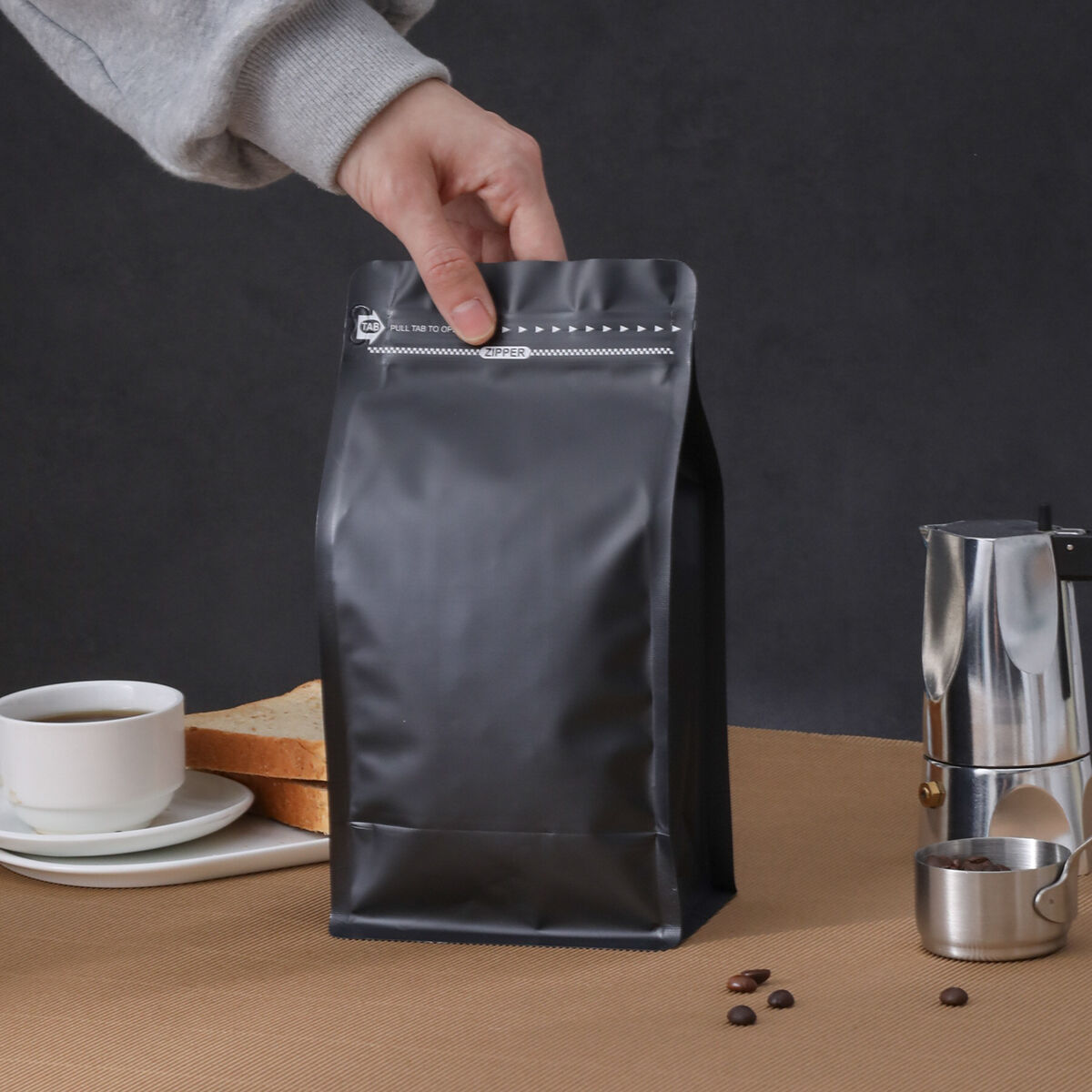
Coffee roasters face a constant challenge in sourcing packaging solutions that maintain product freshness while managing operational costs effectively. The selection of wholesale coffee bags represents a critical decision point that impacts both product quality and profit margins. Modern roasting operations require packaging that preserves the delicate flavor profiles of specialty coffee while offering cost-effective bulk purchasing options. Understanding the nuanced relationship between packaging investment and long-term business sustainability helps roasters make informed decisions about their supply chain management.
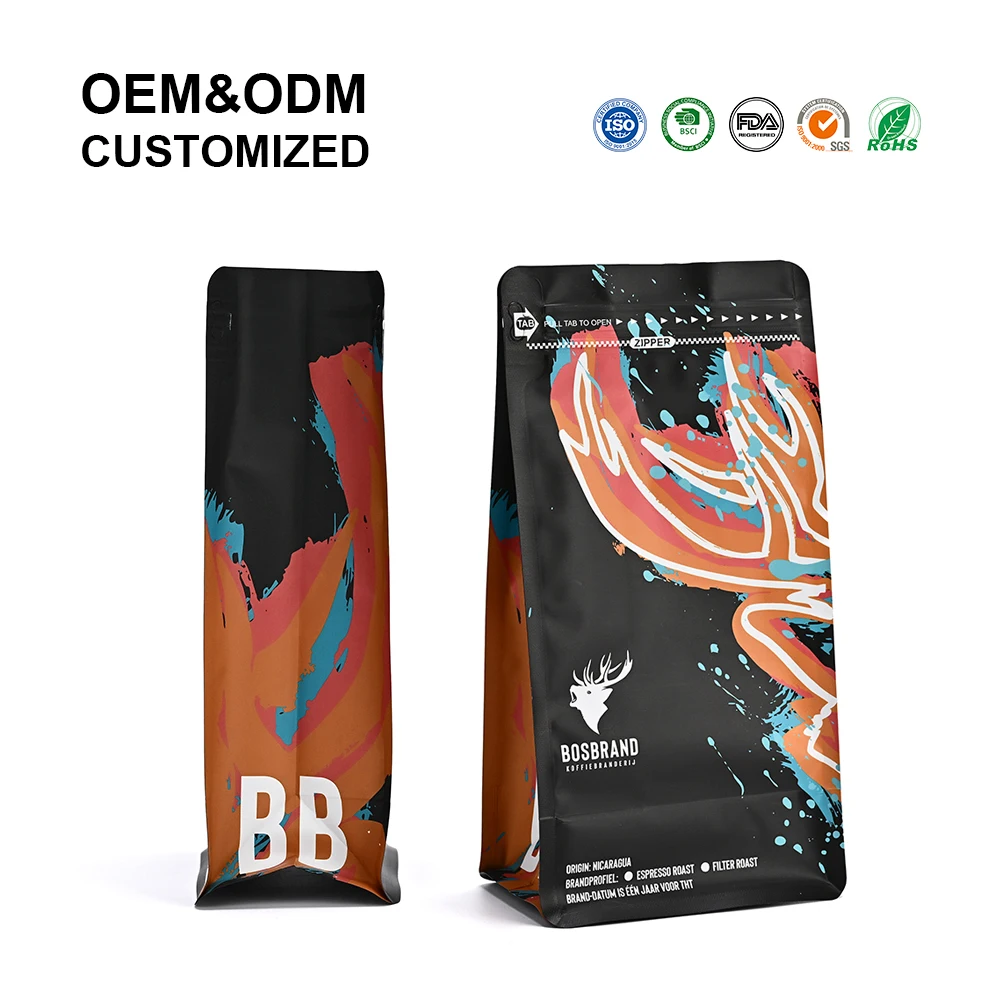
Understanding Coffee Packaging Economics
Cost Structure Analysis for Roasting Operations
Effective cost management in coffee packaging requires a comprehensive understanding of the total expense structure beyond initial purchase prices. Wholesale coffee bags typically offer significant per-unit savings when ordered in appropriate quantities, but roasters must evaluate storage requirements, minimum order quantities, and cash flow implications. The most successful operations balance immediate cost savings with long-term operational efficiency, considering factors such as packaging waste reduction and inventory turnover rates.
Volume purchasing of packaging materials allows roasters to negotiate better terms with suppliers while ensuring consistent availability during peak production periods. However, the economics extend beyond simple unit cost calculations to include storage overhead, handling efficiency, and the opportunity cost of capital tied up in inventory. Smart roasters develop procurement strategies that optimize these competing factors while maintaining flexibility to adapt to changing market conditions.
Quality Investment Return Analysis
Investing in higher-quality wholesale coffee bags often yields measurable returns through reduced product loss, enhanced brand perception, and improved customer satisfaction. Premium packaging materials with superior barrier properties extend shelf life significantly, reducing waste and enabling roasters to maintain consistent quality across longer distribution chains. The initial cost premium for advanced materials typically generates positive returns through reduced spoilage rates and enhanced market positioning.
Quality packaging also supports premium pricing strategies by reinforcing brand value and consumer confidence. Roasters who invest in sophisticated wholesale coffee bags often experience improved customer retention and higher average transaction values. The enhanced presentation and functional performance create differentiation opportunities in competitive markets where consumers increasingly value quality and sustainability.
Material Technology and Performance Standards
Barrier Property Requirements
Modern wholesale coffee bags incorporate advanced barrier technologies that protect against oxygen infiltration, moisture absorption, and light exposure. Multi-layer laminated structures provide superior protection compared to single-material solutions, extending product freshness and maintaining optimal flavor characteristics. Understanding these technical specifications helps roasters select packaging that matches their specific storage and distribution requirements while optimizing cost-performance ratios.
The development of specialized barrier coatings and metallized films has revolutionized coffee packaging performance standards. These innovations enable extended shelf life without compromising sustainability goals, as many modern materials incorporate recyclable components and reduced environmental impact manufacturing processes. Roasters benefit from improved product stability while meeting increasingly stringent environmental responsibility expectations from consumers and regulatory bodies.
Valve and Sealing Technologies
Advanced degassing valve systems in wholesale coffee bags enable optimal freshness management by allowing CO2 release while preventing oxygen infiltration. These sophisticated mechanisms maintain internal pressure balance, preventing package deformation while preserving aromatic compounds essential for superior coffee experience. The integration of high-performance sealing technologies ensures package integrity throughout distribution and storage cycles.
Contemporary sealing innovations include resealable closures that enhance consumer convenience while maintaining product integrity after initial opening. Heat-seal technologies provide tamper-evident protection and ensure consistent seal quality across production runs. These technological advances enable roasters to offer enhanced functionality without significantly increasing packaging costs when sourced through wholesale channels.
Supply Chain Optimization Strategies
Vendor Relationship Management
Developing strategic partnerships with wholesale coffee bags suppliers creates opportunities for customization, improved service levels, and favorable pricing structures. Long-term relationships enable collaborative product development, allowing roasters to influence packaging design and functionality to meet specific operational requirements. These partnerships often result in exclusive access to innovative materials and technologies before they become widely available in the market.
Effective supplier relationships also provide access to technical expertise and market intelligence that can inform packaging strategy decisions. Experienced suppliers offer valuable insights into emerging trends, regulatory changes, and cost optimization opportunities. This collaborative approach enables roasters to anticipate market shifts and adapt their packaging strategies proactively rather than reactively responding to competitive pressures.
Inventory Management Systems
Sophisticated inventory management systems enable roasters to optimize wholesale coffee bags procurement while minimizing carrying costs and stockout risks. Advanced forecasting algorithms consider seasonal demand patterns, production schedules, and lead times to determine optimal order quantities and timing. These systems help balance the cost savings of bulk purchasing with the risks of excess inventory and obsolescence.
Integration of packaging inventory management with production planning systems creates operational efficiencies and reduces waste. Automated reorder points and supplier integration streamline procurement processes while ensuring adequate stock availability during peak demand periods. This systematic approach enables roasters to focus on core competencies while maintaining optimal packaging supply chain performance.
Quality Assurance and Testing Protocols
Performance Validation Methods
Comprehensive testing protocols for wholesale coffee bags ensure consistent quality and performance across different suppliers and production batches. Standardized testing methods evaluate barrier properties, seal integrity, and material durability under various environmental conditions. These validation processes help roasters identify potential quality issues before they impact product integrity or customer satisfaction.
Regular quality audits of packaging suppliers provide additional assurance of consistent manufacturing standards and material specifications. Independent testing laboratories offer objective evaluation of packaging performance, enabling roasters to make informed decisions based on empirical data rather than supplier claims alone. This systematic approach to quality management protects brand reputation and ensures customer expectations are consistently met.
Shelf Life Testing and Validation
Accelerated aging tests and real-time shelf life studies validate the performance of wholesale coffee bags under actual storage and distribution conditions. These comprehensive evaluations consider factors such as temperature fluctuations, humidity exposure, and handling stresses that packages encounter in commercial distribution channels. The results inform packaging selection decisions and enable accurate shelf life claims for marketing and regulatory purposes.
Sensory evaluation programs complement technical testing by assessing the impact of packaging on coffee flavor and aroma characteristics over time. Trained taste panels evaluate samples stored in different packaging configurations to identify optimal protection levels and validate marketing claims. This combined technical and sensory approach ensures packaging decisions support both product quality and commercial objectives.
Market Trends and Future Considerations
Sustainability Integration
Environmental responsibility increasingly influences wholesale coffee bags selection as consumers and businesses prioritize sustainability in purchasing decisions. Recyclable materials, compostable options, and reduced packaging waste initiatives create new opportunities for differentiation while addressing environmental concerns. Forward-thinking roasters integrate sustainability criteria into packaging evaluation processes to align with corporate responsibility goals and market expectations.
Innovation in bio-based materials and circular economy principles drives development of next-generation packaging solutions that maintain performance while reducing environmental impact. These advances enable roasters to meet sustainability objectives without compromising product protection or operational efficiency. Early adoption of sustainable wholesale coffee bags often provides competitive advantages and supports premium positioning strategies.
Technology Integration and Smart Packaging
Emerging technologies such as RFID tags, QR codes, and freshness indicators enhance the functionality of wholesale coffee bags while providing valuable data for supply chain optimization. These innovations enable real-time tracking, authentication, and consumer engagement opportunities that create additional value beyond basic packaging functions. Smart packaging technologies help roasters differentiate their products while gathering valuable market intelligence.
Integration of digital technologies with traditional packaging enables new business models and customer interaction opportunities. Interactive packaging elements provide product information, brewing guidance, and brand storytelling capabilities that enhance consumer experience and loyalty. These technological advances represent significant opportunities for roasters willing to invest in innovative wholesale coffee bags solutions.
FAQ
What factors determine the optimal quantity for wholesale coffee bags orders
Optimal order quantities depend on storage capacity, cash flow considerations, consumption rates, and supplier minimum requirements. Most roasters find the sweet spot by analyzing monthly usage patterns, evaluating volume discount tiers, and considering seasonal demand fluctuations. Storage costs and inventory carrying expenses should be balanced against per-unit savings to determine the most economical order size for specific operational requirements.
How do different barrier materials affect coffee freshness and shelf life
Advanced barrier materials like metallized films and multi-layer laminates significantly extend coffee freshness by blocking oxygen, moisture, and light infiltration. High-barrier wholesale coffee bags can extend shelf life by 200-300% compared to basic materials, reducing waste and enabling broader distribution. The investment in premium barrier properties typically pays for itself through reduced spoilage and enhanced product quality consistency.
What quality standards should roasters expect from wholesale packaging suppliers
Professional wholesale coffee bags suppliers should provide certificates of analysis, material specifications, and performance test results for all products. Quality standards should include consistent barrier properties, reliable seal integrity, and compliance with food safety regulations. Reputable suppliers offer technical support, quality guarantees, and willingness to provide samples for validation testing before large orders.
How can small roasters compete with larger operations in packaging procurement
Small roasters can leverage group purchasing organizations, develop relationships with flexible suppliers, and focus on specialized packaging solutions that larger competitors overlook. Many wholesale coffee bags suppliers offer reasonable minimum orders for smaller operations, especially for standard configurations. Building strong supplier relationships and planning purchases strategically enables small roasters to access quality packaging at competitive prices while maintaining operational flexibility.
Table of Contents
- Understanding Coffee Packaging Economics
- Material Technology and Performance Standards
- Supply Chain Optimization Strategies
- Quality Assurance and Testing Protocols
- Market Trends and Future Considerations
-
FAQ
- What factors determine the optimal quantity for wholesale coffee bags orders
- How do different barrier materials affect coffee freshness and shelf life
- What quality standards should roasters expect from wholesale packaging suppliers
- How can small roasters compete with larger operations in packaging procurement