 EN
EN

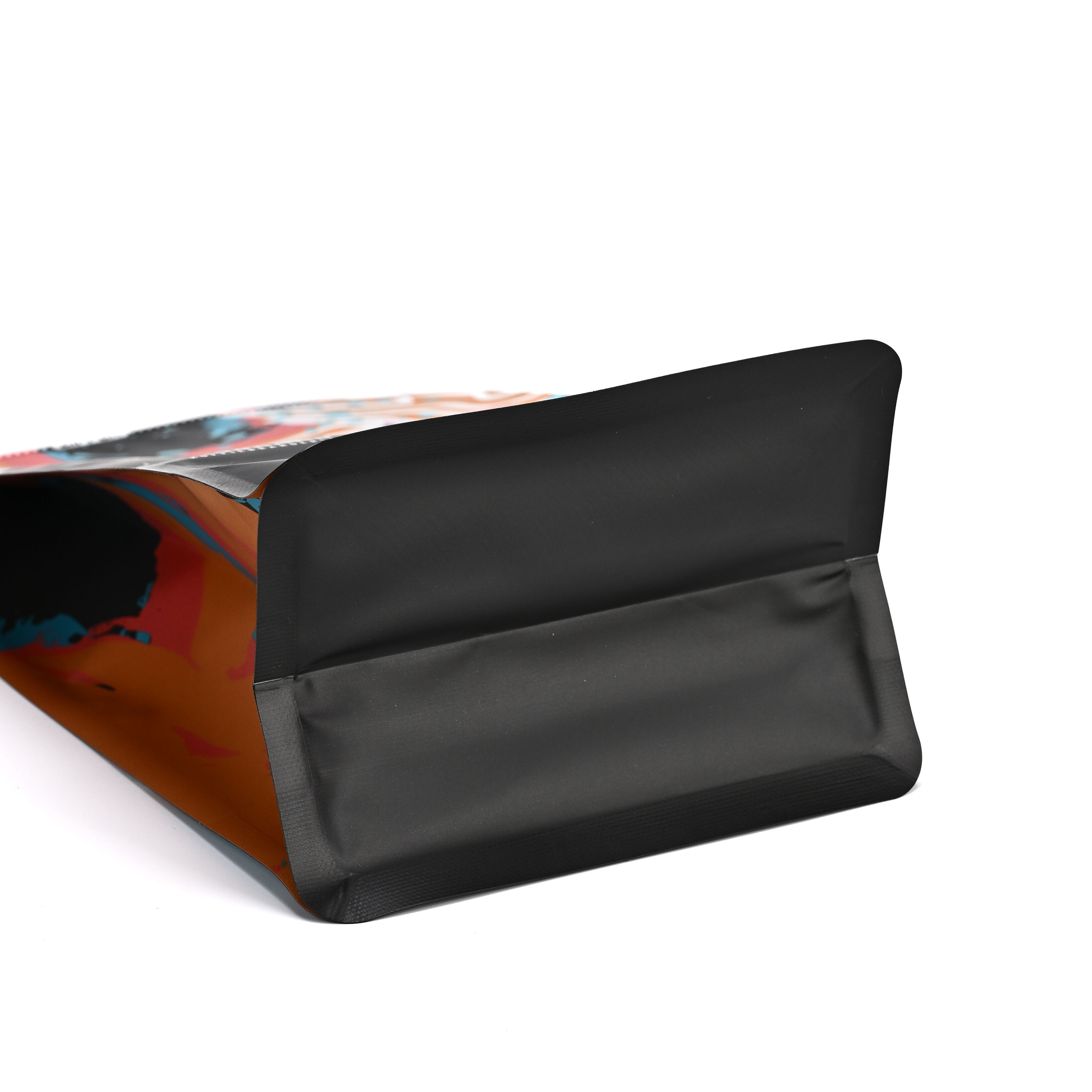
The quality of your coffee depends heavily on how well it maintains its freshness during storage, making coffee bag storage one of the most critical factors in preserving flavor profiles and aromatic compounds. Professional coffee roasters and specialty retailers understand that improper storage materials can lead to oxidation, moisture infiltration, and loss of volatile oils that give coffee its distinctive taste characteristics. When evaluating different storage solutions, the choice of packaging material directly impacts shelf life, customer satisfaction, and ultimately business profitability in the competitive coffee market.
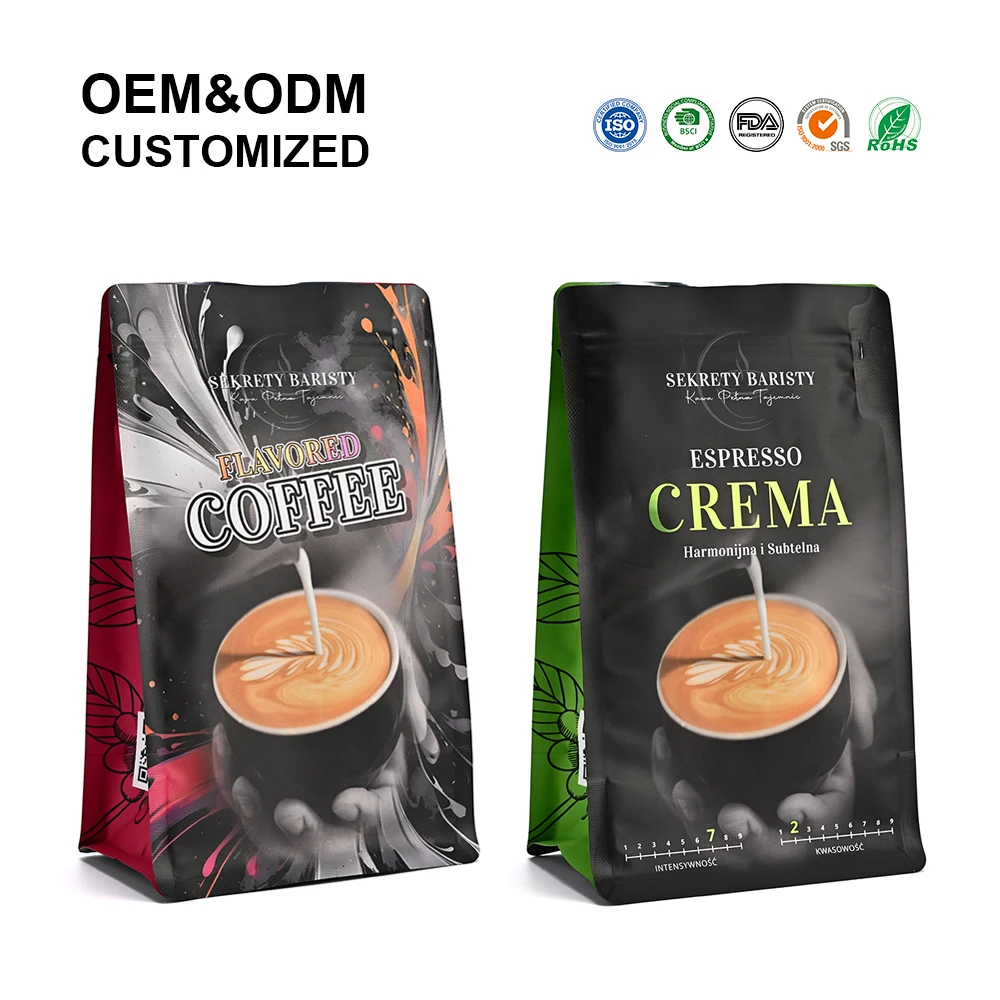
Understanding the science behind coffee degradation reveals why material selection becomes paramount for effective coffee bag storage systems. Coffee beans and grounds contain hundreds of volatile compounds that contribute to flavor and aroma, but these delicate molecules are highly susceptible to environmental factors including oxygen exposure, humidity changes, light penetration, and temperature fluctuations. The packaging material serves as the primary barrier between these precious compounds and external elements that accelerate deterioration processes.
Modern coffee packaging technology has evolved significantly from traditional paper bags to sophisticated multi-layer barrier films that provide superior protection for extended coffee bag storage periods. These advanced materials incorporate aluminum layers, specialized polymer barriers, and gas-flushing capabilities that create optimal environments for maintaining coffee quality over time. The investment in premium packaging materials typically pays dividends through reduced product returns, enhanced brand reputation, and increased customer loyalty in competitive market segments.
Barrier Properties and Oxygen Protection
Oxygen Permeability in Different Materials
Oxygen represents the primary enemy of fresh coffee, catalyzing oxidation reactions that break down flavor compounds and create stale, bitter tastes that consumers immediately recognize. Different packaging materials exhibit varying oxygen transmission rates, measured in cubic centimeters per square meter per day, which directly correlates with coffee bag storage effectiveness. Aluminum foil provides exceptional oxygen barrier properties with transmission rates near zero, while standard polyethylene films allow significantly higher oxygen penetration that can compromise coffee quality within days or weeks.
Multi-layer barrier films combine the benefits of different materials to achieve optimal oxygen protection while maintaining cost-effectiveness for commercial coffee bag storage applications. These sophisticated laminates typically feature aluminum oxide coatings, ethylene vinyl alcohol layers, or metallized polyester films that dramatically reduce oxygen transmission compared to single-layer alternatives. Understanding these specifications enables coffee businesses to select appropriate packaging solutions based on intended shelf life requirements and target market expectations.
Nitrogen Flushing and Modified Atmosphere Packaging
Advanced coffee bag storage systems often incorporate nitrogen flushing or modified atmosphere packaging techniques that replace oxygen with inert gases before sealing. This process requires packaging materials with excellent gas barrier properties to maintain the protective atmosphere throughout the storage period. The effectiveness of nitrogen flushing depends heavily on the seal integrity and barrier performance of the chosen packaging material.
Professional coffee bag storage solutions utilize specialized valve systems that allow carbon dioxide degassing while preventing oxygen infiltration. These one-way valves must be compatible with barrier film materials and maintain their functionality throughout the expected storage duration. The combination of appropriate barrier materials and valve technology creates optimal conditions for preserving coffee freshness in commercial and retail environments.
Moisture Control and Humidity Protection
Water Vapor Transmission Rates
Moisture control represents another critical aspect of effective coffee bag storage, as excess humidity can promote mold growth, accelerate staling reactions, and alter the texture of coffee beans or grounds. Different packaging materials exhibit varying water vapor transmission rates that determine their suitability for humid environments or extended storage periods. Aluminum foil and specialized barrier films provide excellent moisture protection, while paper-based materials typically require additional coatings or laminates to achieve adequate performance levels.
The relationship between temperature and humidity creates additional challenges for coffee bag storage in various climate conditions. Materials that perform adequately in controlled environments may fail when exposed to temperature fluctuations that increase moisture transmission rates. Professional packaging solutions account for these variables by incorporating materials with low water vapor permeability across expected temperature ranges.
Desiccant Integration and Material Compatibility
Some coffee bag storage systems incorporate desiccant packets or moisture-absorbing materials to provide additional humidity control within the package environment. The packaging material must be compatible with these additives while maintaining its barrier properties and structural integrity. Certain polymers may interact with desiccant chemicals or lose effectiveness when exposed to moisture-absorbing compounds over extended periods.
Effective coffee bag storage designs consider the interaction between packaging materials, desiccants, and coffee products to optimize moisture control without introducing unwanted chemical reactions. This requires careful material selection and testing to ensure compatibility across all system components throughout the intended storage duration.
Light Protection and UV Resistance
Photodegradation in Coffee Products
Light exposure, particularly ultraviolet radiation, accelerates the breakdown of chlorophyll and other compounds that contribute to coffee flavor and appearance. Effective coffee bag storage materials must provide adequate light barrier properties to prevent photodegradation during retail display and storage periods. Aluminum foil offers complete light protection, while transparent films require UV-blocking additives or metallized coatings to achieve similar performance levels.
The thickness and composition of packaging materials directly impact their light barrier effectiveness for coffee bag storage applications. Thicker films generally provide better protection, but cost considerations and packaging machinery compatibility may limit material thickness options. Modern barrier films incorporate UV-absorbing compounds that provide excellent protection while maintaining optimal processing characteristics for high-speed packaging operations.
Opacity Requirements and Consumer Visibility
Balancing light protection with consumer visibility creates unique challenges in coffee bag storage design, as many retailers prefer transparent or translucent packaging that showcases product quality. Specialized materials combine UV protection with controlled transparency through metallized films, selective coatings, or tinted polymers that maintain product visibility while preventing harmful light exposure.
Window films and partial transparency options allow coffee bag storage solutions to meet both protection requirements and marketing objectives. These hybrid approaches utilize opaque materials for primary product protection combined with clear windows or panels that enable consumer inspection without compromising overall package integrity.
Temperature Stability and Thermal Properties
Heat Seal Performance and Package Integrity
The heat sealing characteristics of packaging materials directly impact the reliability and effectiveness of coffee bag storage systems. Different polymers exhibit varying melting points, seal strength development, and thermal stability that affect packaging line efficiency and final package quality. Materials with consistent heat seal performance ensure reliable closures that maintain barrier properties throughout the storage period.
Temperature fluctuations during storage and distribution can stress package seals and compromise coffee bag storage effectiveness if materials lack adequate thermal stability. Professional packaging materials are designed to maintain seal integrity across expected temperature ranges while accommodating thermal expansion and contraction cycles without failure.
Cold Temperature Performance
Cold storage applications require packaging materials that retain flexibility and barrier properties at reduced temperatures commonly encountered in refrigerated or frozen coffee bag storage systems. Some polymers become brittle or lose seal strength when exposed to low temperatures, potentially creating pathways for oxygen or moisture infiltration.
Specialized low-temperature materials maintain their performance characteristics across extended temperature ranges, enabling effective coffee bag storage in various climate conditions. These materials often incorporate plasticizers or polymer modifications that preserve flexibility and barrier properties even under extreme temperature conditions.
Cost Considerations and Material Economics
Initial Investment vs Long-term Value
While premium packaging materials may require higher initial investments, their superior barrier properties often provide significant long-term value through extended shelf life and reduced product losses in coffee bag storage applications. Calculating the total cost of ownership requires considering material costs, processing efficiency, product protection, and customer satisfaction factors that impact overall profitability.
Economic analysis of different coffee bag storage materials should account for indirect costs including product returns, brand reputation impacts, and lost sales due to quality issues. Premium materials that prevent these problems often justify their higher costs through improved business outcomes and customer loyalty.
Volume Requirements and Supplier Relationships
Material selection for coffee bag storage systems must consider minimum order quantities, supplier reliability, and long-term availability of chosen materials. Establishing relationships with qualified suppliers ensures consistent material quality and availability for ongoing production requirements.
Economies of scale in material procurement can significantly impact the cost-effectiveness of premium coffee bag storage solutions. Larger volume commitments often enable access to advanced materials and customization options that may not be available for smaller orders.
Sustainability and Environmental Impact
Recyclability and End-of-Life Considerations
Modern consumers increasingly demand sustainable packaging solutions that minimize environmental impact without compromising product protection in coffee bag storage applications. Material selection must balance performance requirements with recyclability, compostability, and overall environmental footprint considerations.
Mono-material constructions using single polymer types often provide better recyclability compared to complex multi-layer laminates, though they may require trade-offs in barrier performance for certain coffee bag storage requirements. Innovative materials development focuses on achieving optimal protection with improved sustainability profiles.
Bio-based and Renewable Material Options
Emerging bio-based packaging materials offer potential alternatives for environmentally conscious coffee bag storage solutions, though current options may have limitations in barrier performance or cost-effectiveness. Ongoing research and development efforts continue to improve the viability of renewable materials for demanding coffee packaging applications.
Certification programs and sustainability standards help coffee businesses evaluate and communicate the environmental benefits of their packaging choices for coffee bag storage systems. These programs provide frameworks for measuring and improving the sustainability performance of packaging materials and supply chains.
FAQ
What makes aluminum barrier films superior for coffee bag storage compared to standard plastic films
Aluminum barrier films provide exceptional oxygen and light protection with transmission rates near zero, making them ideal for extended coffee bag storage periods. Unlike standard plastic films that allow oxygen penetration, aluminum barriers maintain coffee freshness for months or years while preventing photodegradation and moisture infiltration that compromise flavor quality.
How do material costs impact the overall economics of coffee bag storage systems
While premium packaging materials require higher initial investments, they often provide superior long-term value through extended shelf life, reduced product returns, and enhanced brand reputation in coffee bag storage applications. The total cost analysis should consider material expenses, processing efficiency, product protection benefits, and customer satisfaction factors that influence overall profitability.
Can sustainable packaging materials provide adequate protection for long-term coffee bag storage
Current sustainable packaging options may have limitations in barrier performance compared to traditional materials, though ongoing innovations continue improving their viability for coffee bag storage applications. Bio-based materials and mono-material constructions offer environmental benefits while newer developments focus on achieving optimal protection with reduced environmental impact.
Why is nitrogen flushing important in professional coffee bag storage systems
Nitrogen flushing replaces oxygen with inert gas before sealing, dramatically reducing oxidation reactions that degrade coffee quality during storage periods. This process requires packaging materials with excellent gas barrier properties to maintain the protective atmosphere, making material selection critical for effective coffee bag storage in commercial applications.
Table of Contents
- Barrier Properties and Oxygen Protection
- Moisture Control and Humidity Protection
- Light Protection and UV Resistance
- Temperature Stability and Thermal Properties
- Cost Considerations and Material Economics
- Sustainability and Environmental Impact
-
FAQ
- What makes aluminum barrier films superior for coffee bag storage compared to standard plastic films
- How do material costs impact the overall economics of coffee bag storage systems
- Can sustainable packaging materials provide adequate protection for long-term coffee bag storage
- Why is nitrogen flushing important in professional coffee bag storage systems