 EN
EN
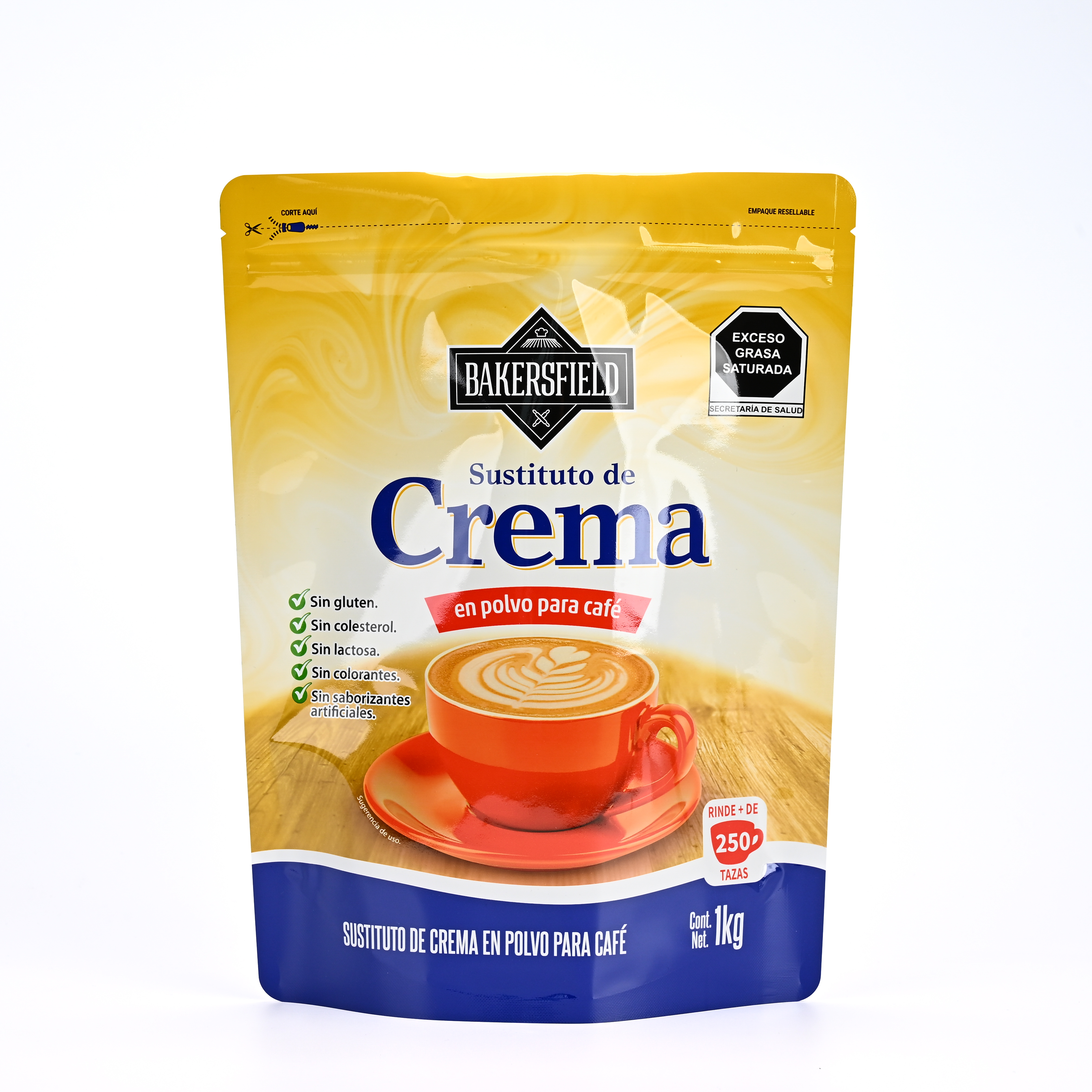
Nitrogen flushing represents one of the most effective preservation techniques used in modern snack bag manufacturing today. This advanced technology directly addresses the primary challenge facing snack producers: maintaining product freshness from production through retail shelves to consumer hands. When manufacturers implement nitrogen flushing in a snack bag, they replace oxygen inside the packaging with inert nitrogen gas, creating an environment where oxidation and microbial growth cannot occur at their normal rates. This process has become essential for premium snack bag applications, particularly in competitive markets where product quality directly influences brand loyalty and repeat purchases. Understanding how nitrogen flushing works within a snack bag design helps producers make informed decisions about packaging investments that protect their products and enhance shelf appeal.
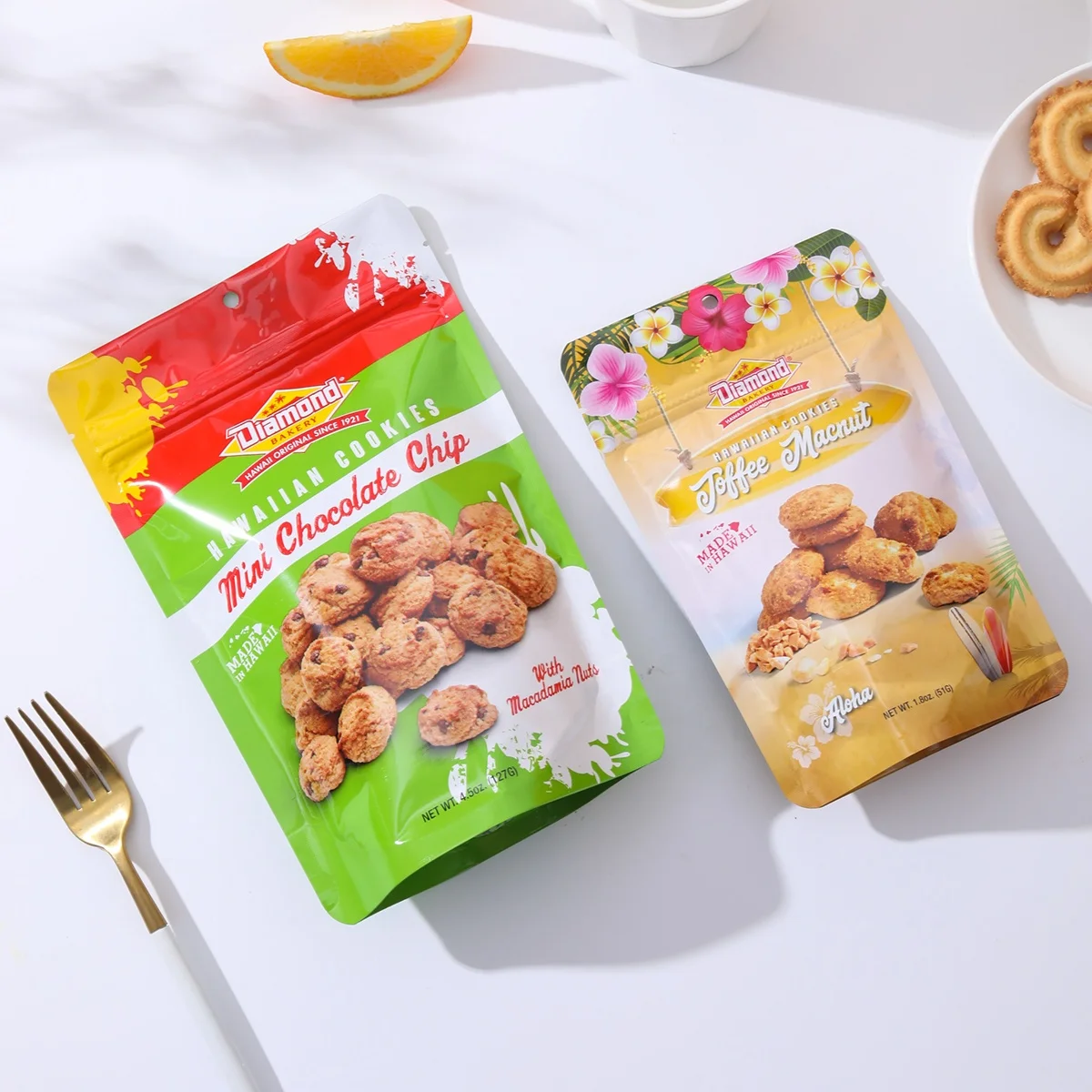
The effectiveness of a snack bag equipped with nitrogen flushing depends heavily on the barrier properties of the packaging material itself. High-barrier snack bag construction typically combines multiple material layers, including polyester, aluminum foil, and polyethylene, to create a composite structure that minimizes gas permeability. The nitrogen flushing process works optimally only when a snack bag maintains its barrier integrity throughout the product lifecycle. This synergy between nitrogen gas preservation and physical barrier materials means that choosing the right snack bag supplier and material composition represents a critical business decision that directly impacts product shelf life and consumer satisfaction metrics.
How Nitrogen Flushing Works Inside a Snack Bag
The Core Mechanism of Oxygen Displacement
Nitrogen flushing operates through a straightforward but sophisticated process within a snack bag environment. During packaging, nitrogen gas is injected into the snack bag just before sealing, displacing the oxygen-rich air originally present. This displacement reduces available oxygen to levels typically below 1%, which dramatically slows oxidative degradation reactions that cause rancidity, color fading, and flavor deterioration. The snack bag remains protected because nitrogen is inert, non-flammable, and completely safe for food contact. Every snack bag treated with this process benefits from extended freshness windows, reduced need for chemical preservatives, and maintained sensory qualities that consumers expect from premium snack products.
Interaction with High-Barrier Materials
A snack bag designed for nitrogen flushing must incorporate materials engineered to resist gas permeation over extended periods. The barrier effectiveness of a snack bag determines how long the nitrogen flushing benefits persist. Aluminum foil layers in a snack bag provide the most substantial oxygen barrier, while metallized polyester films offer a thinner yet highly effective alternative. When a snack bag combines these materials in proper laminate configurations, the nitrogen flushing investment delivers protection across weeks or months of distribution and retail storage. The snack bag sealing process also plays a critical role; hermetic seals prevent gas exchange at package edges, ensuring that nitrogen flushing benefits remain intact until the consumer opens the snack bag.
Key Benefits of Nitrogen Flushing for Snack Bag Applications
Extended Shelf Life and Freshness Preservation
Nitrogen flushing directly extends how long a snack bag maintains product freshness after manufacturing. Traditional snack bag packaging without this technology typically supports 4 to 8 weeks of shelf life under standard conditions. With nitrogen flushing, the same snack bag can maintain acceptable freshness for 12 to 24 weeks, effectively doubling or tripling the distribution window. This extended timeframe gives retailers more flexibility in inventory management and allows producers to reach geographically distant markets with confidence. For snack bag manufacturers targeting export markets or multi-region distribution networks, nitrogen flushing becomes a competitive advantage that separates premium brands from standard offerings.
Reduced Reliance on Chemical Preservatives
Modern consumers increasingly scrutinize snack bag ingredient lists, preferring products with minimal artificial additives. Nitrogen flushing allows producers to reduce or eliminate chemical preservatives while maintaining the product protection that a snack bag provides. This shift toward cleaner labels represents significant market appeal; a snack bag labeled as naturally preserved through nitrogen technology often commands premium pricing and attracts health-conscious consumers. The snack bag becomes a marketing asset as much as a functional container, communicating quality and natural preservation methods to target demographics concerned with food safety and ingredient transparency.
Cost Efficiency and Reduced Waste
While nitrogen flushing equipment requires upfront capital investment, the snack bag protection benefits generate substantial long-term cost advantages. Spoilage reduction means less product waste during distribution and retail storage, directly improving profit margins per snack bag sold. Extended shelf life from nitrogen flushing in a snack bag also reduces forced markdowns and clearance activities, which erode brand value and profitability. Producers who invest in nitrogen flushing technology often recover their equipment costs within 18 to 36 months through improved product yields and market reach expansion enabled by the snack bag protection that nitrogen provides.
Implementation Considerations for Snack Bag Manufacturers
Material Selection and Testing Requirements
Successful nitrogen flushing in a snack bag requires rigorous material selection and performance testing before production launches. Producers must verify that their chosen snack bag materials meet oxygen transmission rate specifications, typically requiring rates below 3 cubic centimeters per square meter per day under standard conditions. Testing should include accelerated shelf-life studies that simulate the actual distribution environment where a snack bag will perform. The snack bag laminate structure must be validated through oxygen analysis at defined intervals, ensuring that nitrogen flushing provides the expected protection duration. Collaborating with materials specialists and packaging consultants helps producers identify the optimal snack bag composition that balances cost with performance.
Equipment Calibration and Monitoring
Nitrogen flushing equipment must be properly calibrated and continuously monitored to ensure consistent snack bag quality. The injection rate, dwell time, and sealing parameters directly affect how effectively nitrogen flushing protects each snack bag produced. Modern packaging systems include oxygen analyzers that verify nitrogen concentration inside the snack bag before sealing, providing real-time quality assurance. Producers should establish standard operating procedures that define acceptable nitrogen flushing parameters for each snack bag product type and size. Regular calibration and preventive maintenance of flushing equipment prevents performance drift that could compromise the snack bag protection benefits, ensuring that every snack bag meets quality standards consistently.
Documentation and Compliance
Regulatory compliance represents an essential component of nitrogen flushing implementation in snack bag production. Producers must maintain detailed documentation of nitrogen gas purity, equipment calibration records, and shelf-life validation studies supporting their snack bag preservation claims. Different markets impose varying requirements; European regulations, North American standards, and other regional frameworks all address modified atmosphere packaging in a snack bag. Working with regulatory consultants ensures that nitrogen flushing claims on snack bag labels align with applicable food safety regulations and substantiation requirements. This documentation protects both producers and consumers, establishing that nitrogen flushing in a snack bag delivers the promised freshness preservation benefits.
FAQ
Does nitrogen flushing work equally well in all snack bag sizes?
Nitrogen flushing effectiveness varies slightly with snack bag size and geometry. Smaller snack bags typically achieve more consistent nitrogen distribution and better oxygen displacement due to lower internal volume. Larger snack bags may experience slight oxygen pockets if the flushing equipment is not properly calibrated, but modern systems are designed to handle various snack bag dimensions efficiently. The key factor is ensuring that the equipment injects sufficient nitrogen volume and allows adequate dwell time for complete air displacement before the snack bag is sealed. Manufacturers should perform equipment testing with their specific snack bag sizes to verify optimal performance.
How does humidity inside a snack bag affect nitrogen flushing benefits?
Humidity levels inside a snack bag can influence how long nitrogen flushing protection persists, particularly for products sensitive to moisture absorption or condensation. Nitrogen itself is dry and inert, but the product inside the snack bag and residual moisture in the packaging material can create humidity gradients. For hygroscopic snack products, producers may combine nitrogen flushing with moisture absorbers or desiccant packs inside the snack bag for enhanced protection. This combined approach ensures that the snack bag maintains optimal internal conditions throughout shelf life. Regular monitoring of humidity levels during shelf-life studies helps producers understand whether additional moisture management is necessary for their specific snack bag application.
Can nitrogen flushing be retrofitted into existing snack bag production lines?
Many existing snack bag production lines can be retrofitted with nitrogen flushing equipment, though the feasibility depends on current machinery design and available space. Manufacturers should work with packaging equipment suppliers to assess whether their current snack bag sealing and forming systems can accommodate nitrogen injection modules. Retrofitting often involves installing gas supply infrastructure, integrating oxygen measurement sensors, and updating snack bag sealing parameters. While retrofitting requires investment, it typically costs less than replacing entire production lines. Companies should conduct a thorough cost-benefit analysis comparing retrofitting expenses against potential revenue gains from extended snack bag shelf life and improved product quality.