 EN
EN

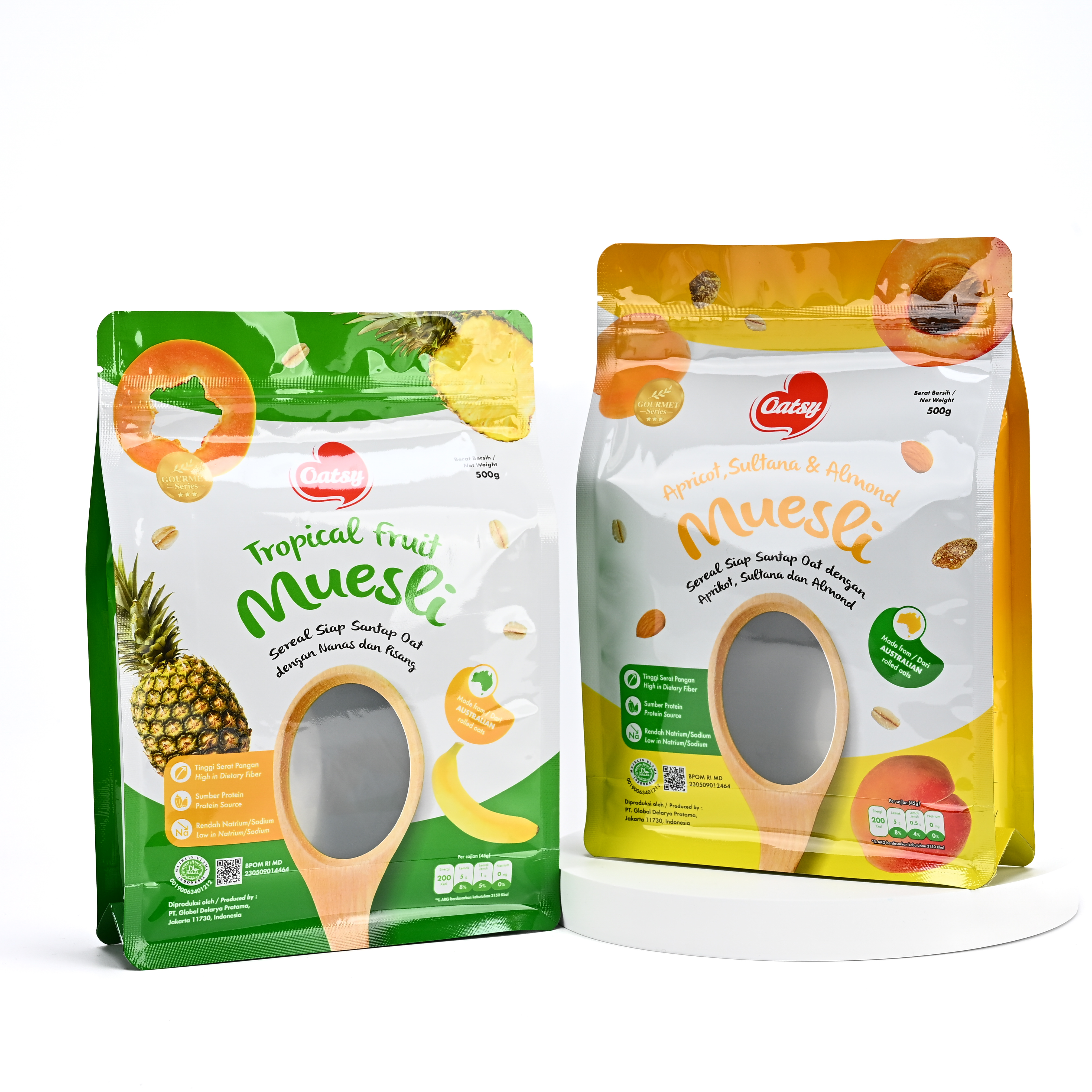
Modern food manufacturers face intense pressure to optimize production speed without compromising product quality or shelf appeal. When operating high-speed packaging lines, selecting the appropriate snack bag material becomes a critical decision that directly impacts throughput, waste reduction, and consumer satisfaction. The right snack bag film can maintain consistent seal integrity at rapid speeds, prevent product damage, and support bold printing that attracts retail buyers. Understanding the performance characteristics of various snack bag options is essential for any production facility aiming to balance efficiency with quality.
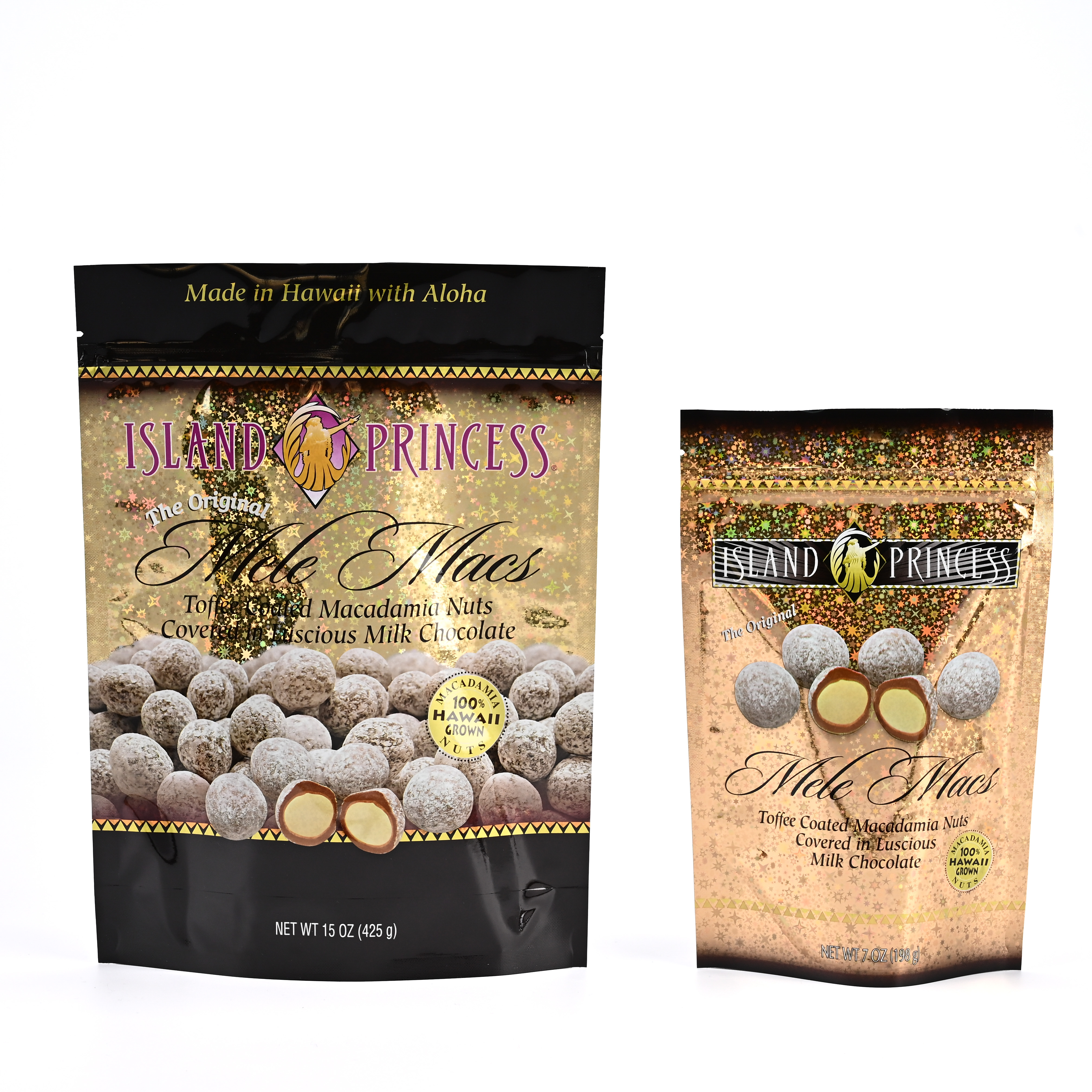
The foundation of successful high-speed snack bag packaging begins with material science. A quality snack bag must withstand heat stress during sealing, resist puncture during filling and transport, and maintain oxygen barriers that preserve freshness. Manufacturers must evaluate multiple factors including film thickness, layer composition, seal temperature range, and flexibility at operating speeds. When these elements align properly, your snack bag performs reliably across production shifts while minimizing downtime for adjustments or rejects. The investment in selecting the correct snack bag film pays dividends through reduced scrap rates and consistent output.
Film Material Composition for High-Speed Snack Bag Performance
Multi-Layer Film Structures
High-speed snack bag production demands materials engineered with precision layering. Modern snack bag films typically combine polyethylene (PE), polypropylene (PP), polyester (PET), and metallized aluminum to create a barrier system that protects contents from moisture, oxygen, and light. The outer layer of a snack bag provides durability and printability, while the inner seal layer must flow smoothly at elevated temperatures without creating weak points. This snack bag construction philosophy ensures that sealing jaws can work quickly without compromising seal quality. When film composition is optimized, your snack bag can run at speeds exceeding 200 bags per minute while maintaining consistent performance.
Seal Layer Optimization
The seal layer represents the most critical component of any snack bag system. This layer must generate a permanent bond with opposing sealing equipment within a narrow temperature window, typically between 120 and 160 degrees Celsius. A properly designed snack bag incorporates a seal layer that remains flexible even after cooling, preventing brittleness and burst failures during product handling. Manufacturers selecting a snack bag should verify that the seal material offers consistent melt flow properties across production batches. Inconsistent seal layer behavior forces operators to reduce line speed, defeating the purpose of high-speed snack bag optimization.
Dimensional and Durability Requirements for Snack Bag Films
Thickness Standards and Gauge Selection
Choosing the correct thickness is fundamental to snack bag performance at high speeds. Films that are too thin may tear during filling or puncture during transport, while excessively thick snack bag material increases production costs and may not seal reliably on rapid equipment. Industry standards for snack bag films typically range from 50 to 120 microns, depending on product type and filling speed. A lightweight snack bag film running at 70 microns offers excellent economy for crisp products, while heavier applications like nuts or granola benefit from 90 to 120 micron snack bag construction. Your packaging specification must balance material cost against failure risk and production speed capacity.
Tensile Strength and Puncture Resistance
When bags move through high-speed lines, they experience significant mechanical stress. A robust snack bag film must demonstrate high tensile strength in both machine and cross-machine directions to prevent tearing during filling, transport, and consumer handling. Puncture resistance directly correlates with product shelf presence and customer satisfaction, as a failed snack bag creates waste and potential food safety concerns. Testing your snack bag material for impact resistance ensures that sharp product edges or handling equipment do not compromise package integrity. Manufacturers should request third-party test data confirming that candidate snack bag materials exceed minimum puncture thresholds before committing to production runs.
Barrier Properties and Seal Integrity in High-Speed Snack Bag Systems
Oxygen and Moisture Barrier Functionality
Product freshness depends entirely on the barrier effectiveness of your snack bag. Oxygen ingress accelerates rancidity in fatty snacks, while moisture migration causes staleness in crisp products. A high-performance snack bag incorporates metallized or aluminum oxide coatings that reduce oxygen transmission rates to less than 1 cubic centimeter per square meter per day. This snack bag barrier technology extends shelf life from weeks to months, enabling distribution across broader geographic regions. When selecting a snack bag for delicate products, verify that the barrier layer maintains its protective properties even after the mechanical stress of high-speed sealing. Poor barrier quality means your snack bag protects the product for days, not months, severely limiting market reach.
Seal Consistency at Elevated Line Speeds
High-speed snack bag production pushes sealing equipment to its limits. As line speed increases, dwell time on the seal jaw decreases, requiring the snack bag material to respond more predictably to heat application. Films with consistent viscosity and melt-flow properties ensure uniform seal widths and strength across thousands of bags. An inferior snack bag may create acceptable seals at slow speeds but fails intermittently at 150 bags per minute, creating quality variability that frustrates downstream processes and retailers. Manufacturers should conduct pilot runs at target line speeds before qualifying a new snack bag material. This real-world testing reveals seal consistency problems that laboratory analysis alone may miss.
FAQ
What thickness of snack bag film is best for high-speed production?
The ideal snack bag thickness depends on your specific product and line speed. Most high-speed operations succeed with snack bag films between 70 and 90 microns, which balance strength, cost, and sealing efficiency. Lighter products and faster speeds may work with 70 micron snack bag material, while heavier or more fragile snacks benefit from 90 to 110 micron films. Test your target snack bag gauge on actual equipment before full production commitment.
How does metallized film improve snack bag shelf life?
Metallized or aluminum oxide coating dramatically reduces oxygen and light transmission through your snack bag, preventing oxidation and color degradation. A properly constructed snack bag with metallized barrier can extend shelf life from 3 months to 12 months or longer, depending on product type. This snack bag enhancement enables manufacturers to serve distant markets and expand retail presence significantly. Verify that your chosen snack bag coating remains intact after high-speed sealing processes.
What seal temperature range should a quality snack bag support?
A reliable snack bag film should maintain strong, consistent seals across a temperature window of at least 30 degrees Celsius. This snack bag flexibility accommodates equipment wear, ambient temperature variation, and seasonal changes in production environments. Narrow seal windows indicate lower-quality snack bag material that may produce intermittent failures as equipment ages or environmental conditions shift. Always request technical data sheets confirming the acceptable snack bag seal temperature range before purchasing production quantities.