 EN
EN

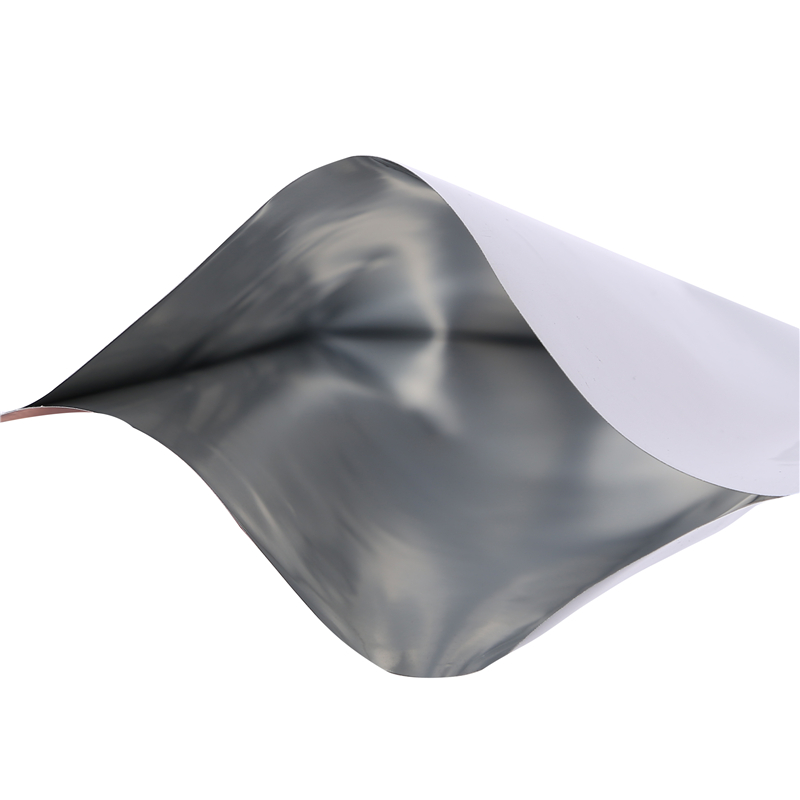
Seal integrity is one of the most critical quality parameters in commercial retort pouch production. A compromised seal on a retort pouch can lead to product contamination, spoilage, and potential safety hazards that threaten both consumer health and brand reputation. Testing seal integrity in retort pouch manufacturing ensures that every container meets strict industry standards and delivers the barrier protection that consumers expect. Without rigorous seal testing protocols, manufacturers risk costly recalls, regulatory penalties, and loss of market trust.
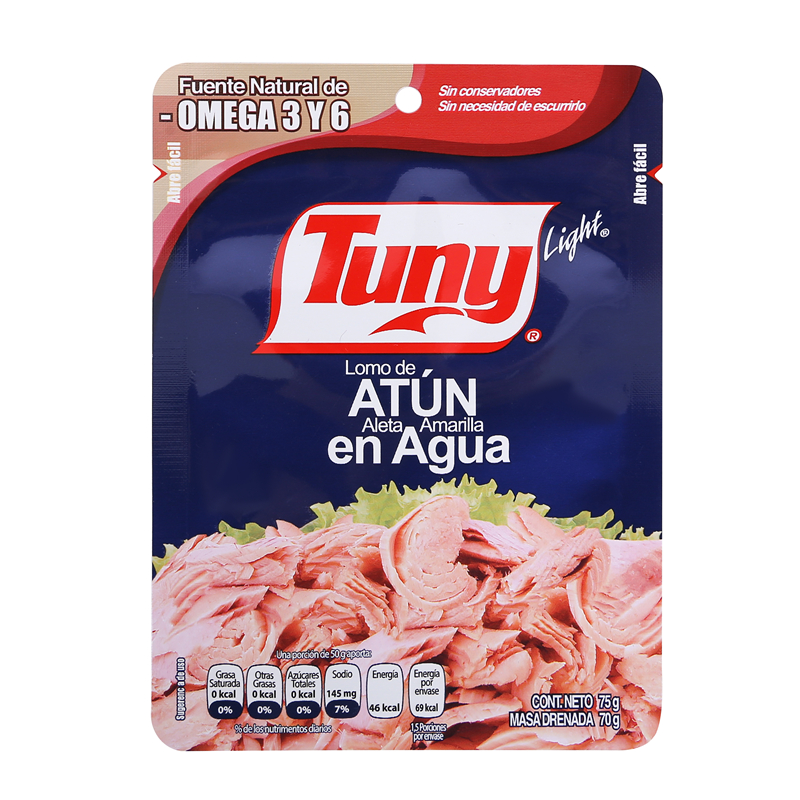
Commercial retort pouch applications demand exceptional sealing performance because these packages undergo high-temperature sterilization processes. The retort pouch must maintain its integrity under extreme heat and pressure conditions, protecting shelf-stable products like ready-to-eat meals, sauces, and processed foods. Testing methodologies for retort pouch seal integrity have evolved into standardized procedures that combine visual inspection, mechanical testing, and advanced detection technologies to guarantee consistent quality across production runs.
Why Seal Integrity Testing Matters for Retort Pouch Quality
Preventing Contamination and Extending Shelf Life
A single microscopic defect in a retort pouch seal can compromise the entire batch of products. When testing seal integrity in retort pouch manufacturing, operators identify weak points before packages reach distribution centers. Proper seal testing ensures the retort pouch barrier remains intact throughout the sterilization cycle and maintains protection during storage. This prevents microbial ingress, oxidation, and moisture transfer that would otherwise degrade product quality and safety. The investment in comprehensive retort pouch seal testing directly translates to reduced product waste, fewer customer complaints, and stronger brand loyalty.
Meeting Regulatory and Industry Standards
Food regulatory agencies and industry bodies mandate specific seal integrity requirements for retort pouch manufacturers. Standards such as ISO 11607, FDA guidelines, and internal company specifications require documented evidence of seal performance across critical parameters. Testing seal integrity in retort pouch production creates audit trails that demonstrate compliance with food safety regulations. Companies that implement rigorous testing protocols for their retort pouch lines gain competitive advantages in regulated markets and reduce exposure to regulatory action. The retort pouch seal must consistently meet specification thresholds that account for variations in material properties, environmental conditions, and machine performance.
Essential Testing Methods for Retort Pouch Seal Integrity
Visual and Physical Inspection Techniques
Visual inspection remains the first line of defense in retort pouch seal integrity testing. Trained operators examine every retort pouch seal for discoloration, wrinkles, voids, and incomplete fusion that indicate potential failure points. Manual pressure testing involves applying force to sealed sections to feel for weak zones and verify bond strength. While visual methods are cost-effective and immediately actionable, they rely heavily on operator skill and cannot detect subsurface defects within the retort pouch seal. This is why visual inspection must be paired with more sophisticated testing approaches to ensure comprehensive coverage of seal quality across all production variables.
Peel Strength and Burst Testing
Peel strength testing measures the force required to separate layers in a retort pouch seal, providing quantitative data about bond integrity. A retort pouch that fails peel strength testing signals that sealing conditions need adjustment or material compatibility requires review. Burst testing determines how much internal pressure a retort pouch can withstand before the seal fails, simulating real-world stress conditions during transportation and handling. These destructive tests consume sample retort pouches but provide definitive performance baselines that guide quality control decisions. Manufacturers typically establish minimum peel and burst thresholds based on product type and end-use requirements for each retort pouch variant.
Advanced Detection Systems
Modern retort pouch production lines increasingly employ automated seal integrity detection technologies that scan every package without destruction. Ultrasonic seal testing uses high-frequency sound waves to identify air gaps and inconsistencies within the retort pouch seal structure. Thermal imaging detects temperature anomalies that reveal incomplete sealing or material degradation in the retort pouch. Vision systems with artificial intelligence analyze high-resolution images to spot microcracks and defects invisible to human inspectors. These technologies dramatically increase retort pouch inspection throughput, reduce false negatives, and provide real-time feedback for process optimization. When integrated into production workflows, advanced detection systems ensure that every retort pouch meets quality specifications before leaving the facility.
Implementing an Effective Retort Pouch Seal Testing Program
Establishing Baseline Parameters and Control Charts
A robust retort pouch testing program begins with establishing baseline performance data for each product line and sealing machine. Control charts track peel strength, seal width, temperature profiles, and other critical variables throughout production shifts. By monitoring these metrics, operators can quickly identify when a retort pouch production run drifts outside acceptable ranges and implement corrective actions before defects accumulate. Statistical process control applied to retort pouch seal data enables predictive maintenance, reduces variability, and maintains consistent quality. The baseline retort pouch specifications should account for material properties, design geometry, and specific application requirements to ensure realistic and achievable targets.
Sampling Strategy and Frequency
Determining how often to test the retort pouch and how many samples to collect requires balancing statistical rigor with production efficiency. A typical retort pouch testing program collects samples at regular intervals, perhaps every 30 minutes during production, and tests additional samples whenever process parameters change. Each retort pouch sample is subjected to multiple test methods to build a comprehensive quality picture. Sampling plans should reflect the criticality of seal performance and the historical reliability of the production equipment. Higher-risk retort pouch products or newly installed equipment may require more frequent sampling, while proven, stable processes might operate with less intensive testing schedules.
Documentation and Traceability
Every retort pouch test result must be recorded with production date, time, batch number, machine identification, and test parameters. Digital documentation systems enable rapid data retrieval and support root cause analysis when seal failures occur. Traceability ensures that if a defective retort pouch reaches the market, manufacturers can quickly identify affected batches and initiate targeted recalls. Records also demonstrate regulatory compliance during inspections and audits. The retort pouch documentation system should integrate seamlessly with enterprise resource planning platforms to provide complete supply chain visibility and quality accountability from production through distribution.
FAQ
What is the most critical temperature for sealing a retort pouch?
The optimal sealing temperature for a retort pouch depends on the specific film materials used, but typically ranges from 120°C to 160°C for most laminated structures. Temperature must be precisely controlled because insufficient heat produces weak seals while excessive heat can degrade the retort pouch film or create thermal stress fractures. Heat settings should be validated during machine qualification for each retort pouch design and material combination to ensure reproducible, high-quality seals. A retort pouch testing program must verify that sealing equipment maintains these temperatures within tight tolerances throughout production runs.
How often should a retort pouch undergo peel strength testing?
Industry best practices recommend testing peel strength on retort pouch samples at least every 30 to 60 minutes during continuous production, or at minimum once per production shift for intermittent runs. When changes occur to retort pouch design, materials, or machine settings, fresh peel strength data must be collected before resuming full production. The retort pouch testing frequency should increase during initial product launches, equipment troubleshooting, or quality investigations. Risk-based approaches allow some high-volume, proven retort pouch lines to operate with slightly reduced testing frequency while maintaining statistical confidence in seal performance.
Can visual inspection alone guarantee retort pouch seal integrity?
Visual inspection alone cannot reliably guarantee retort pouch seal integrity because internal defects, micro-voids, and subsurface weak points remain invisible to human eyes. While visual checks are a valuable first screening step, they must be combined with quantitative testing methods like peel strength, burst testing, or automated detection to ensure comprehensive retort pouch quality assurance. Many seal failures occur in areas that appear visually sound, making multi-method retort pouch testing strategies essential for consumer safety and regulatory compliance. A layered approach using visual screening plus objective measurements provides the highest confidence in seal performance across all production conditions.