 EN
EN

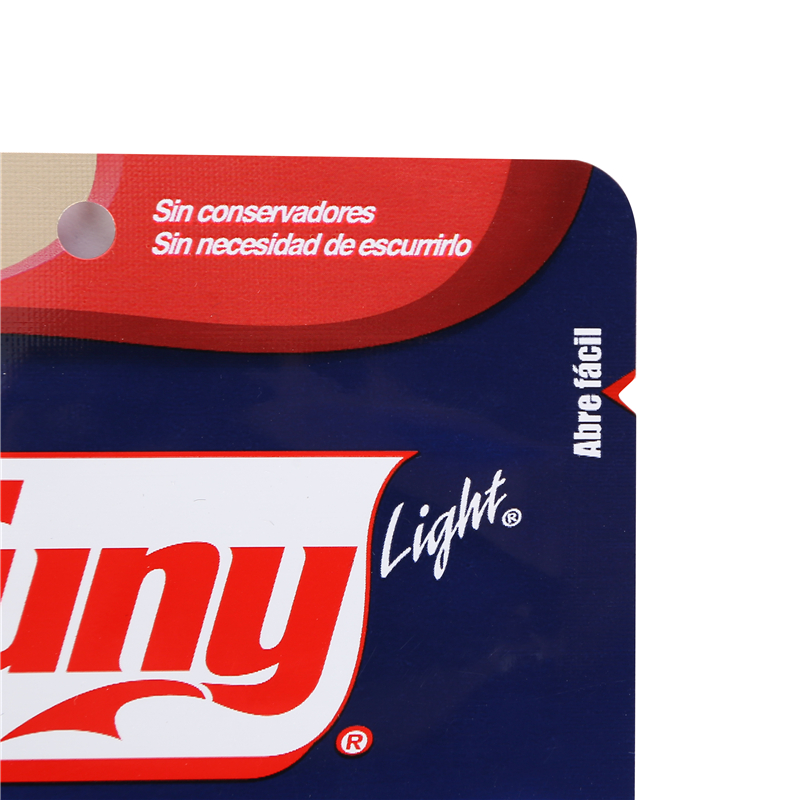
The ready-to-eat meal market continues to expand globally, and choosing the right packaging solution has become critical for manufacturers and food brands. A retort pouch stands at the forefront of modern food preservation technology, offering manufacturers the ability to deliver shelf-stable products without refrigeration. Whether you're producing convenience meals, military rations, pet food, or thermal-processed delicacies, sourcing a high-quality retort pouch is essential to maintaining product integrity, extending shelf life, and meeting strict food safety regulations. Understanding the nuances of retort pouch selection ensures your ready-to-eat meals reach consumers in optimal condition.
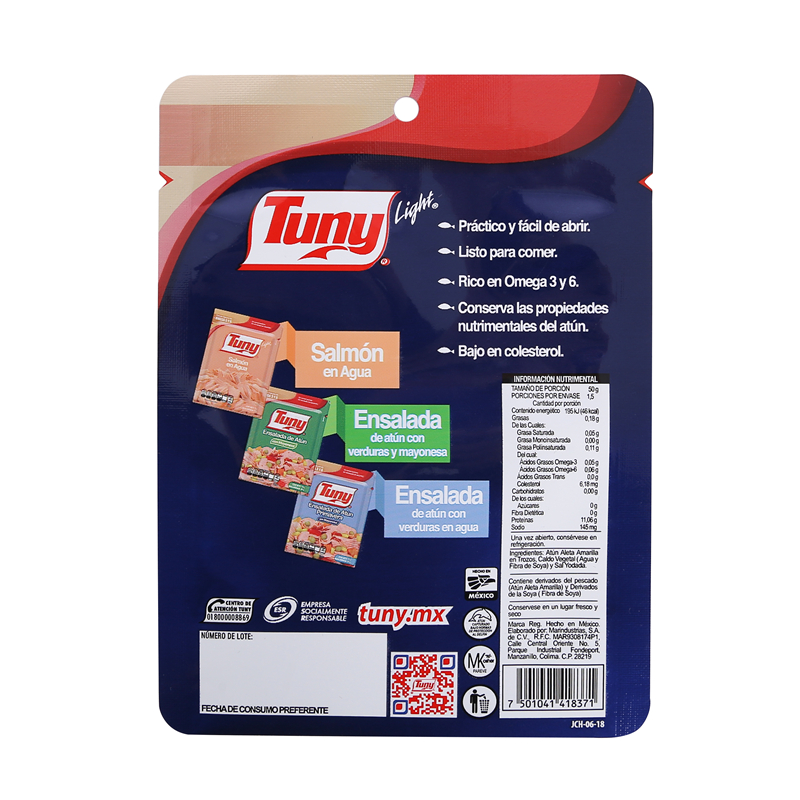
A retort pouch is specifically engineered to withstand the extreme temperatures and pressures used in commercial sterilization processes. This specialized packaging format combines multiple layers of plastic film and aluminum foil, creating a barrier that protects food from oxygen, moisture, and light while surviving retort processing temperatures often exceeding 121 degrees Celsius. For manufacturers targeting the ready-to-eat meal segment, investing in premium retort pouch technology directly impacts product shelf life, safety compliance, and consumer satisfaction.
Understanding Retort Pouch Materials and Specifications
Core Layer Composition of Retort Pouch Designs
The structural integrity of a retort pouch depends entirely on its multi-layer construction. Typically, a retort pouch consists of an outer layer of polyester film for puncture resistance, a middle aluminum foil layer that acts as the primary barrier against oxygen and light, and an inner polypropylene layer that contacts the food product directly. Each layer in a retort pouch serves a distinct purpose, and the adhesive bonding between layers must withstand thermal stress without delaminating. When sourcing a retort pouch, verify that the supplier uses FDA-compliant materials and maintains consistent layer thickness across all units, as inconsistencies compromise the retort pouch's ability to protect contents during high-temperature sterilization.
Thickness Standards and Barrier Performance
Industry standards typically specify that a retort pouch must achieve an oxygen transmission rate below 0.5 cubic centimeters per square meter per day at room temperature, ensuring extended shelf life even after retort processing. The aluminum foil layer thickness within a retort pouch usually ranges from 7 to 12 micrometers, directly influencing the barrier strength and puncture resistance during handling and transportation. Premium retort pouch manufacturers invest in precision coating equipment and rigorous quality testing to confirm that each retort pouch batch meets these demanding specifications. When evaluating suppliers, request certificates of analysis demonstrating that their retort pouch products consistently achieve target barrier metrics and thermal stability benchmarks.
Heat Resistance and Processing Requirements for Retort Pouches
Temperature Tolerance Specifications
A retort pouch designed for high-temperature processing must maintain its structural integrity at temperatures far exceeding typical cooking conditions. Commercial retort pouches undergo validation testing to confirm they survive multiple thermal cycles at temperatures between 115 and 125 degrees Celsius, with some specialized formulations rated for even higher exposures. The inner polypropylene layer of a retort pouch must not melt or degrade during these cycles, while the aluminum foil barrier remains impermeable throughout processing. Manufacturers should verify that their chosen retort pouch supplier conducts full-scale retort trials on production equipment to confirm real-world performance, not just laboratory-scale validation. This practical testing ensures the retort pouch will perform reliably across your entire production run.
Sealing Integrity Under Thermal Stress
The seal strength of a retort pouch directly determines whether the package maintains sterility after processing. Premium retort pouches achieve seal strengths exceeding 5 kilograms per 15 millimeters of seal width, ensuring the package remains hermetically sealed even under pressure and temperature fluctuations. During retort processing, the internal pressure and heat stress the seals intensely, making the quality of seal layer formulation absolutely critical in a retort pouch design. Leading manufacturers of retort pouches employ ultrasonic or heat-seal technology with precisely calibrated parameters to guarantee consistent seal quality batch after batch. When sourcing a retort pouch, insist on seal strength test data and failure analysis reports that demonstrate how the pouch performs under realistic production conditions, including worst-case thermal scenarios.
Sourcing Considerations and Quality Assurance for Retort Pouches
Supplier Certification and Compliance Standards
Selecting a reliable retort pouch supplier requires verifying multiple compliance certifications, including FDA food contact approvals, ISO 9001 quality management certification, and adherence to FSSC 22000 food safety standards. A reputable retort pouch manufacturer maintains full traceability of raw materials, implements rigorous process controls, and conducts third-party testing to verify that finished retort pouches meet contractual specifications. Documentation requirements for a retort pouch purchase should include material safety data sheets, barrier property test reports, thermal processing validation data, and evidence of regulatory compliance. When evaluating potential retort pouch vendors, request samples for your own testing and consider conducting an on-site audit to verify manufacturing capabilities and quality infrastructure.
Customization and Design Features for Ready-to-Eat Applications
Modern retort pouch suppliers offer customizable designs that enhance brand appeal and functional convenience without compromising thermal performance. Stand-up configurations allow retail shelf presence, while gusseted sides increase product capacity and improve space efficiency. Zipper closures on retort pouches add post-purchase resealing capability, though these must be engineered to maintain integrity through retort processing. Printing directly onto the retort pouch film allows regulatory information, cooking instructions, and brand imagery to remain visible and legible after sterilization. When specifying a retort pouch design, balance aesthetic and functional requirements against thermal processing demands, ensuring that customization features do not introduce weak points that compromise the pouch's sterility barrier or sealing reliability.
Cost-Benefit Analysis and Volume Pricing
The cost of a retort pouch varies significantly based on size, material specifications, customization complexity, and order volume. Smaller order quantities of retort pouches incur higher per-unit costs due to setup expenses and shorter production runs, while committed volume purchases unlock material discounts and priority production scheduling. Beyond unit price, evaluate the total cost of ownership for a retort pouch partnership, factoring in quality consistency, supply reliability, technical support, and responsiveness to specification changes. Negotiating favorable pricing for retort pouches should never compromise material quality or thermal processing validation, as production failures due to substandard packaging can exceed the cost savings many times over. Request detailed quotations that itemize retort pouch material costs, conversion charges, and testing fees, allowing informed comparison across potential suppliers.
FAQ
What temperature can a retort pouch withstand during processing?
A high-quality retort pouch is engineered to withstand temperatures between 115 and 125 degrees Celsius during commercial sterilization, with some specialized formulations rated higher. The specific temperature rating depends on the pouch's film composition, seal design, and intended processing protocol. Always confirm the exact thermal rating of your retort pouch with the manufacturer before finalizing processing parameters, as underestimating temperature requirements may result in seal failure or barrier compromise during sterilization cycles.
How long do retort pouch ready-to-eat meals remain shelf-stable?
A properly processed retort pouch containing ready-to-eat meals typically maintains shelf stability for 12 to 24 months when stored in cool, dry conditions, depending on the specific product formulation and storage environment. The aluminum foil layer within the retort pouch provides exceptional protection against oxygen and light, which are the primary drivers of product degradation over time. Real-world shelf life for a retort pouch product should be validated through accelerated aging studies and confirmed through product stability testing specific to your formulation.
Can retort pouch designs include zipper features without compromising safety?
Yes, retort pouch designs can incorporate zipper closures if engineered specifically for thermal processing compatibility and validated through full-scale retort trials. Zipper features on a retort pouch must use heat-resistant materials and seal geometries that maintain integrity throughout processing and do not introduce leakage pathways. When specifying a retort pouch with zipper functionality, ensure the supplier provides separate validation data for the zipper component and conducts post-processing seal integrity tests to confirm that the zipper feature does not compromise the pouch's sterility barrier.