 EN
EN

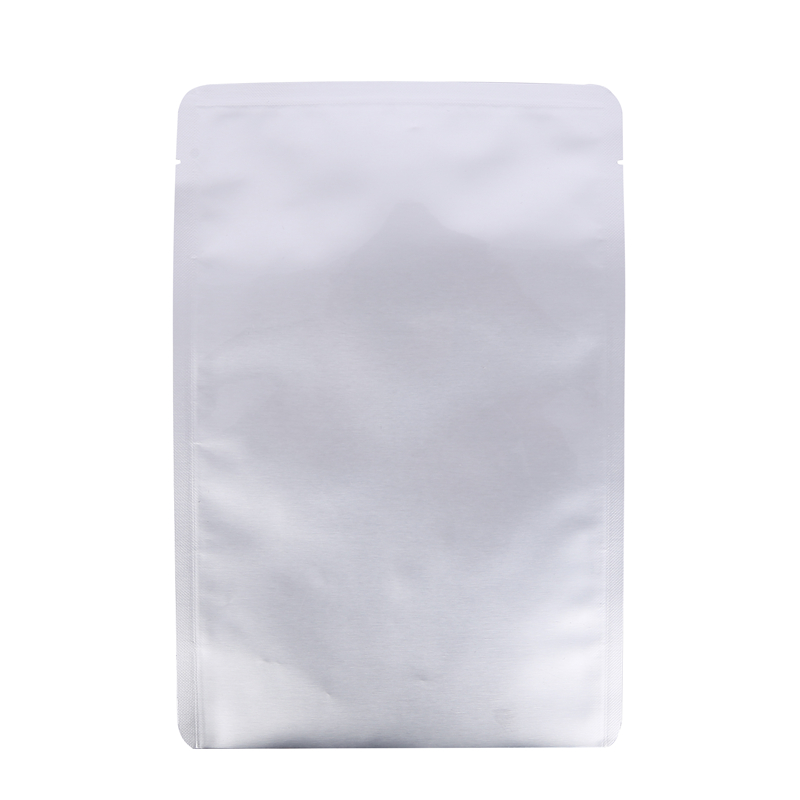
The choice between aluminum and transparent retort pouches represents one of the most critical material decisions in modern food packaging. Each retort pouch type offers distinct structural properties that directly impact shelf life, product visibility, cost efficiency, and consumer perception. Understanding the fundamental differences between aluminum-based retort pouches and transparent alternatives is essential for manufacturers seeking to optimize their packaging strategy while maintaining regulatory compliance and market competitiveness.
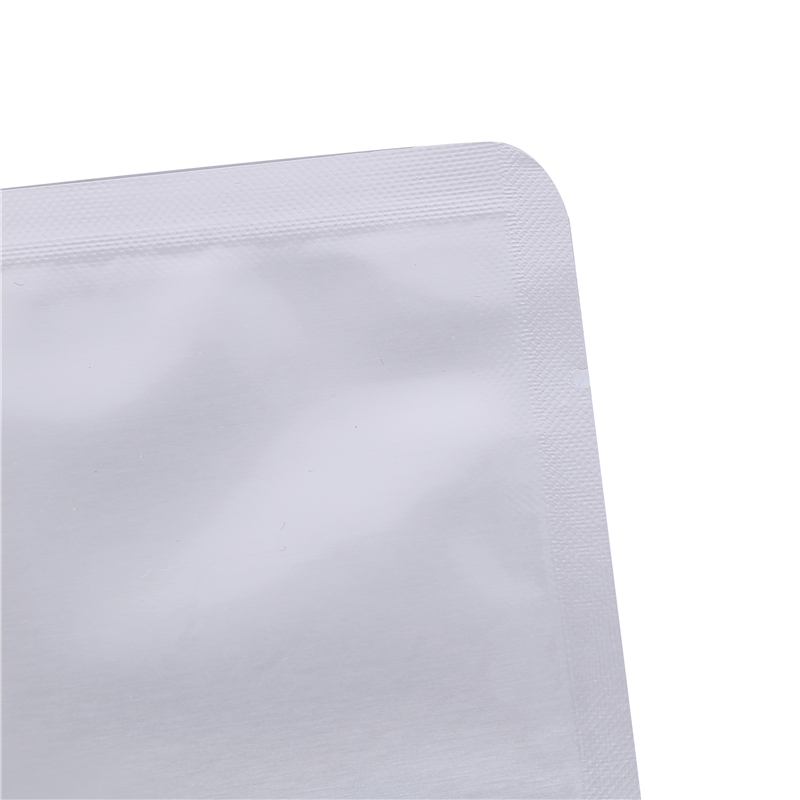
A retort pouch is a flexible packaging solution specifically engineered to withstand high-temperature sterilization processes, typically between 121°C and 140°C, making it ideal for shelf-stable food products that require extended storage without refrigeration. The structural composition of a retort pouch directly determines its ability to maintain product integrity, prevent microbial contamination, and resist physical damage during distribution and handling.
Aluminum Retort Pouch Material Structure
Barrier Performance and Composition
The aluminum retort pouch features a laminated structure with aluminum foil as the primary barrier layer, typically ranging from 9 to 12 microns in thickness. This aluminum layer in a retort pouch provides exceptional protection against oxygen, light, and moisture, effectively extending shelf life to three years or longer under ambient storage conditions. The retort pouch constructed with aluminum incorporates multiple film layers, usually featuring polyester on the exterior, aluminum foil in the middle, and polyethylene on the interior contact surface.
Structural Advantages and Industrial Applications
The aluminum retort pouch excels in protecting light-sensitive and oxygen-sensitive products such as pharmaceuticals, nutritional supplements, and specialty food ingredients. When manufacturers select a retort pouch with aluminum composition, they gain superior protection against environmental degradation and extended product potency maintenance. The structural rigidity and opaque nature of an aluminum retort pouch also provide brand protection and counterfeit resistance, making this retort pouch design particularly valuable in premium product categories. Industrial applications for the aluminum retort pouch span seafood processing, meat products, tropical fruit preparations, and high-value specialty foods where barrier excellence justifies the premium material cost.
Transparent Retort Pouch Material Structure
Optical Properties and Layer Configuration
The transparent retort pouch eliminates the opaque aluminum layer, instead utilizing multi-layer clear film construction where barrier functionality derives from high-performance polymer combinations. A typical transparent retort pouch incorporates ethylene-vinyl alcohol (EVOH) or silicon oxide coatings as primary oxygen barriers, supported by polyester, polypropylene, and polyethylene films arranged in precise sequences. The transparent retort pouch maintains structural integrity under retort conditions while allowing complete product visibility, a critical feature for consumer-facing applications where visual product assessment influences purchase decisions.
Cost-Benefit Analysis and Market Positioning
Transparent retort pouch technology represents a cost-competitive alternative to aluminum-based solutions, typically reducing material expenses by 15 to 25 percent while maintaining adequate barrier protection for products with moderate shelf-life requirements. The transparent retort pouch appeals particularly to beverage manufacturers, ready-to-eat meal producers, and specialty sauces where product appearance directly drives consumer preference and repeat purchasing. While the transparent retort pouch generally provides shorter shelf life compared to aluminum alternatives, usually ranging from 12 to 24 months, this performance level suffices for rapidly-turned product categories and climate-controlled distribution networks. Many manufacturers choose the transparent retort pouch for value-oriented market segments where cost reduction outweighs the premium barrier benefits offered by aluminum-based designs.
Comparative Structural Analysis and Selection Criteria
Barrier Performance Metrics and Product Compatibility
When evaluating a retort pouch for specific applications, manufacturers must assess oxygen transmission rates (OTR), moisture vapor transmission rates (MVTR), and light barrier capabilities against product sensitivity requirements. The aluminum retort pouch typically demonstrates OTR values below 0.1 cubic centimeters per square meter per day, whereas a transparent retort pouch ranges from 1 to 5 cubic centimeters per square meter per day, representing a significant performance differential. For products containing oxidation-prone oils, vitamins, or natural pigments, the aluminum retort pouch provides necessary protection; conversely, shelf-stable products with inherent chemical stability function adequately within transparent retort pouch specifications. The structural choice between aluminum versus transparent retort pouch ultimately depends on balancing product shelf-life targets, market positioning, regulatory requirements, and cost constraints within a comprehensive packaging strategy.
Processing Capability and Supply Chain Integration
The retort pouch in either material configuration requires specialized filling, sealing, and sterilization equipment designed to accommodate flexible packaging formats and withstand extreme temperature exposure. Aluminum retort pouch production demands precise layer adhesion and puncture-resistance verification before sterilization, necessitating rigorous quality control protocols and higher equipment investment. The transparent retort pouch offers greater flexibility in production environments, accommodating faster line speeds and simpler seal verification through visual inspection. Manufacturers transitioning from rigid container systems to retort pouch formats typically experience a learning curve; however, the transparent retort pouch generally facilitates smoother integration due to less stringent seal-strength specifications and simplified troubleshooting procedures. The aluminum retort pouch requires dedicated supplier relationships and minimum order quantities reflecting the precision manufacturing demands inherent in multi-layer aluminum lamination.
FAQ
What temperature can a retort pouch withstand during sterilization?
A retort pouch is engineered to withstand sterilization temperatures between 121°C and 140°C, depending on the specific material composition and processing protocol. Both aluminum and transparent retort pouch designs maintain structural integrity and hermetic sealing during these extreme conditions, though individual retort pouch specifications should be verified against intended processing temperatures to ensure regulatory compliance and product safety throughout the intended shelf-life period.
How does shelf life differ between aluminum and transparent retort pouches?
The aluminum retort pouch typically provides shelf life of three to five years under ambient conditions due to superior oxygen and light barrier properties, while a transparent retort pouch generally delivers 12 to 24 months depending on product composition and storage environment. The extended preservation capability of the aluminum retort pouch justifies premium material costs for high-value or slow-moving products, whereas the transparent retort pouch suits rapidly-consumed items where accelerated inventory turnover reduces shelf-life requirements.
Which retort pouch material is more cost-effective for food manufacturers?
The transparent retort pouch typically offers 15 to 25 percent cost savings compared to aluminum alternatives, making this retort pouch format more economical for manufacturers prioritizing cost reduction over extended shelf-life performance. However, the aluminum retort pouch may prove more cost-effective when considering total cost of ownership, including reduced product losses from oxidation or contamination over extended distribution periods, meaning the optimal retort pouch choice depends on specific product requirements and market positioning strategy.