 EN
EN

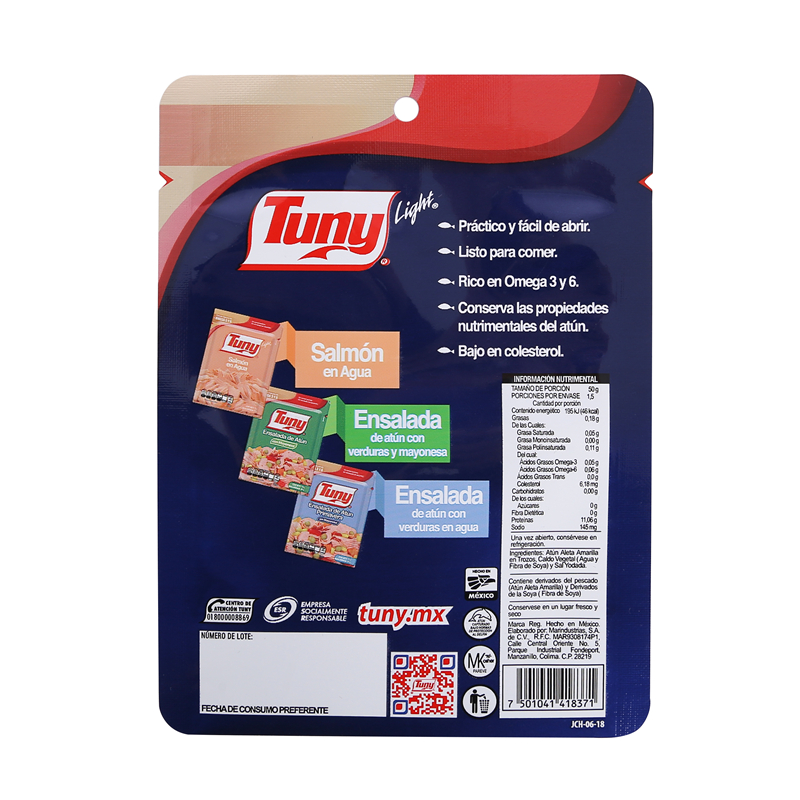
The sterilization process for food safety in retort pouches represents one of the most critical operations in modern food packaging and preservation. A retort pouch combines the durability of metal containers with the convenience of flexible packaging, making it an ideal choice for shelf-stable food products ranging from ready-to-eat meals to soups, sauces, and pet foods. Understanding how the retort pouch sterilization process works is essential for manufacturers, packaging engineers, and food safety professionals who need to ensure product integrity, regulatory compliance, and consumer protection.

Every retort pouch on retail shelves has undergone rigorous thermal processing designed to eliminate pathogenic microorganisms and spoilage organisms. The retort pouch sterilization process is not optional or variable—it is a mandatory requirement enforced by food safety agencies worldwide, including the FDA and international standards bodies. This article explores the fundamental mechanisms, critical parameters, validation methods, and best practices that ensure a retort pouch meets food safety standards while maintaining product quality and shelf stability.
Understanding the Retort Pouch Sterilization Mechanism
Core Principles of Thermal Processing in Retort Pouches
A retort pouch is subjected to high-temperature, high-pressure steam or hot water processing to achieve commercial sterility. The retort pouch sterilization process works by exposing the sealed pouch to temperatures typically ranging from 121°C to 135°C, depending on the product type and pathogenic threats being targeted. This thermal energy penetrates the retort pouch material and heats the food product to lethal temperatures for microorganisms, while the retort pouch's barrier structure—usually composed of polyester, aluminum foil, and polypropylene layers—maintains pressure integrity throughout the process.
The retort pouch sterilization process differs from conventional rigid container processing because the pouch's flexible nature allows for heat transfer variations. Uniform heat distribution throughout the retort pouch is critical to ensuring that every portion of the food product reaches the required thermal lethal dose. Cold spots or uneven heating can compromise the retort pouch's sterilization effectiveness and leave pathogenic spores viable, creating food safety risks that could lead to spoilage or illness.
Material Integrity During Retort Pouch Processing
The retort pouch material composition directly influences how the sterilization process performs. A high-quality retort pouch must withstand repeated thermal shock, maintain barrier function against oxygen and moisture, and resist seal degradation. The aluminum foil layer within the retort pouch provides oxygen barrier properties essential for maintaining shelf stability, while the polypropylene sealing layers ensure the retort pouch remains hermetically sealed throughout processing and storage. If the retort pouch's seal integrity fails during sterilization, recontamination becomes possible, rendering the retort pouch unsafe regardless of how effectively the thermal process eliminated microorganisms.
Critical Parameters and Validation Methods for Retort Pouch Sterilization
Temperature, Time, and Pressure Specifications
The retort pouch sterilization process requires precise control of three interdependent variables: temperature, exposure time, and chamber pressure. Manufacturers developing a retort pouch product must establish a specific thermal processing schedule based on the product's pH level, density, and the heat resistance of targeted pathogens. For low-acid foods in a retort pouch, which pose the greatest botulism risk, the FDA mandates a minimum of twelve decimal reductions (a 12D process) of Clostridium botulinum spores. This means the retort pouch sterilization process must reduce the initial spore population by a factor of one trillion, an extraordinarily stringent safety requirement.
The retort pouch sterilization process timing varies based on product density and heat penetration characteristics. A retort pouch containing dense, protein-rich products requires longer processing times than a retort pouch filled with liquid products, because heat penetrates more slowly through solid materials. Recording the come-up time, plateau temperature, and cooling-down phase within the retort pouch ensures process validation. Modern retort equipment continuously monitors and records temperature data from multiple points inside each retort pouch, creating an electronic record that serves as evidence of compliance.
Validation and Quality Assurance Protocols
The retort pouch sterilization process cannot rely on single test runs; validation requires multiple consecutive successful cycles with monitored performance parameters. Manufacturers conduct biological indicator tests using spore strips placed inside test retort pouch units to verify that the sterilization process actually achieves the required microbial lethality. If a retort pouch fails biological indicator validation, the entire batch must be reprocessed or destroyed, and the process must be reassessed before production resumes.
Every retort pouch manufacturer must maintain detailed records of sterilization parameters, including time-temperature profiles, pressure readings, and any deviations or alarms. This documentation proves that each retort pouch has been processed according to established schedules and provides traceability for regulatory inspections, customer inquiries, and recall scenarios. The retort pouch sterilization process data becomes part of the product's quality assurance file and supports food safety compliance audits.
Industry Standards and Practical Implementation for Retort Pouches
Regulatory Framework and Compliance Requirements
The retort pouch sterilization process is governed by strict regulations because inadequate sterilization poses severe public health risks. The FDA's Process Filing regulations require manufacturers to submit detailed sterilization schedules before marketing a retort pouch product commercially. The retort pouch sterilization process must be designed by a qualified process authority—a specialist trained in thermal processing calculations and food microbiology—who establishes the specific time-temperature combinations required for that particular product format.
International standards, including ISO 18751, establish performance criteria for retort pouch materials and sterilization compatibility. A retort pouch meeting these standards demonstrates that its structure, sealing properties, and barrier characteristics can withstand the retort pouch sterilization process without compromising product safety or shelf stability. Manufacturers exporting retort pouch products must ensure compliance with the regulations of each destination market, which may impose additional retort pouch sterilization requirements or material restrictions.
Operational Best Practices for Retort Pouch Sterilization
Implementing the retort pouch sterilization process at scale requires systematic attention to equipment maintenance, operator training, and process monitoring. Retort equipment must be calibrated regularly to ensure accurate temperature sensing and pressure regulation throughout every retort pouch cycle. Operators must be trained to identify abnormal retort pouch behavior, such as pouch swelling or bursting, which indicates process control failures that could compromise the retort pouch's sterility.
The retort pouch sterilization process efficiency depends on proper pouch arrangement within the retort chamber. Dense loading or improper stacking can create steam penetration barriers, leaving some retort pouch units underprocessed. Load testing and thermal imaging studies help optimize retort pouch placement patterns to ensure uniform heat distribution. When the retort pouch sterilization process is properly executed with validated parameters and verified equipment, manufacturers achieve the dual objectives of ensuring product safety and extending shelf life to twelve to thirty-six months depending on storage conditions.
FAQ
Why is retort pouch sterilization critical for food safety?
The retort pouch sterilization process is critical because it eliminates pathogenic microorganisms and spores that cause foodborne illness and spoilage. Without adequate thermal processing, a retort pouch product could harbor Clostridium botulinum or other dangerous pathogens that multiply during storage, creating potentially fatal health risks. The retort pouch sterilization process transforms shelf-unstable food into a commercially sterile product with extended shelf life, enabling safe distribution and storage without refrigeration.
What temperature does the retort pouch sterilization process typically require?
The retort pouch sterilization process typically employs temperatures between 121°C and 135°C, depending on product characteristics and target microorganisms. For low-acid foods, the retort pouch sterilization process often uses 121°C for extended periods or higher temperatures for shorter times. The specific retort pouch sterilization schedule is established during process development by qualified microbiologists and process authorities who calculate the exact time-temperature combinations necessary for your product's safety.
How do manufacturers verify that retort pouch sterilization achieved commercial sterility?
Manufacturers verify retort pouch sterilization effectiveness through biological indicator testing, where spore-laden test strips are placed inside retort pouch samples during processing cycles. After sterilization, these biological indicators are cultured in growth media to confirm that the retort pouch sterilization process killed the spores. Additionally, continuous electronic monitoring and recording of time-temperature data during each retort pouch cycle creates documentation proving that the established sterilization schedule was followed correctly.