 EN
EN

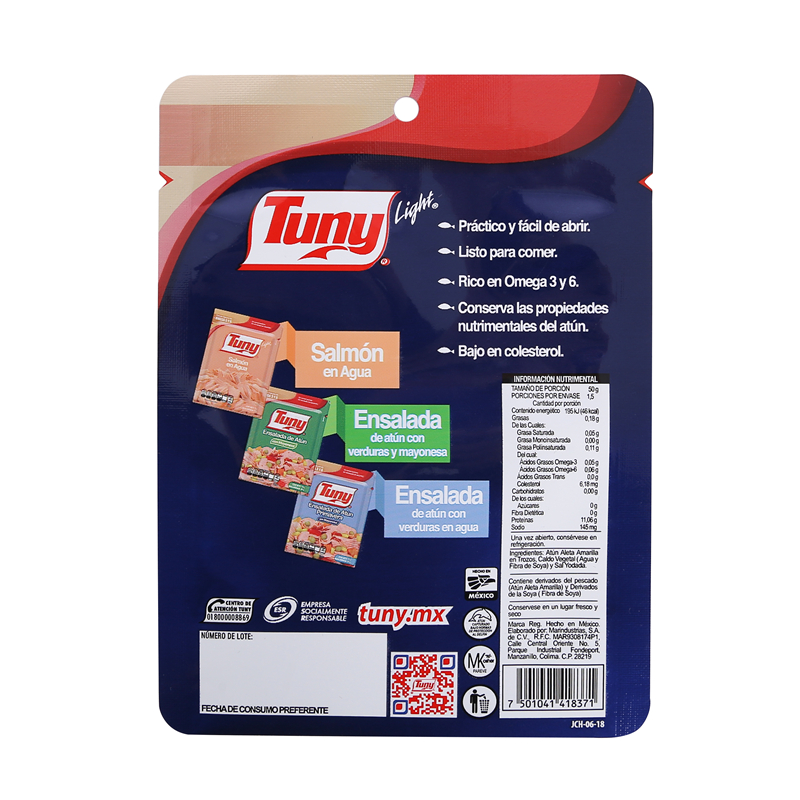
The packaging industry is experiencing a significant shift as manufacturers increasingly abandon traditional metal cans in favor of more innovative solutions. Among these alternatives, the retort pouch stands out as a game-changing technology that addresses multiple pain points manufacturers face with conventional rigid packaging. This transition is not merely a trend but reflects fundamental changes in manufacturing priorities, consumer expectations, and operational efficiency. Understanding why companies are making this switch requires examining the specific advantages a retort pouch offers over established metal can systems.
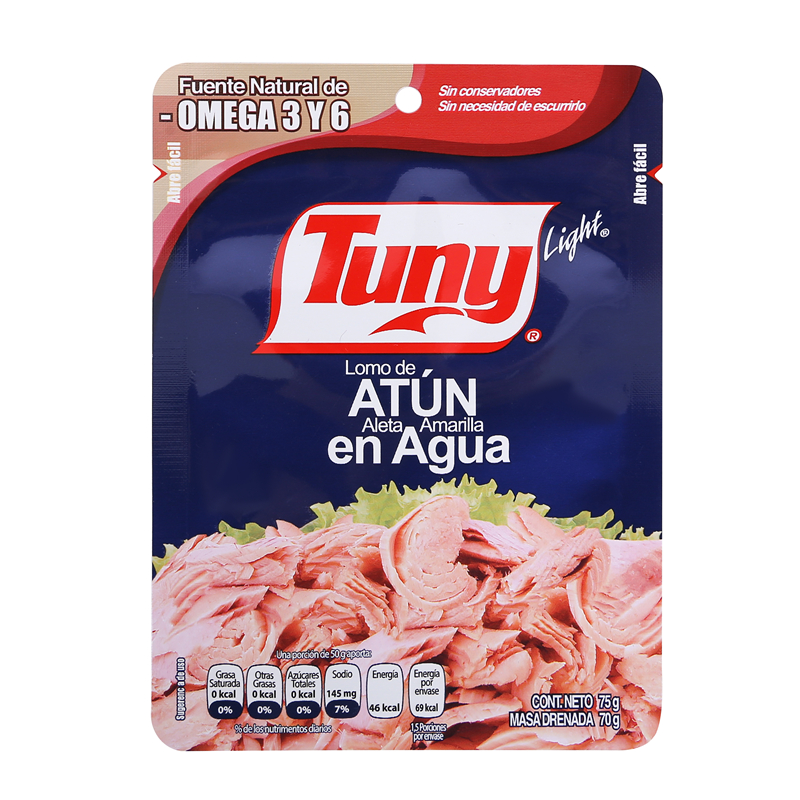
The movement toward retort pouches represents a broader industry recognition that one-size-fits-all packaging no longer meets modern business demands. Manufacturers operating in food, beverage, pharmaceuticals, and specialty chemicals sectors are discovering that a retort pouch delivers superior value compared to metal containers. This article explores the compelling reasons behind this manufacturing revolution and provides actionable insights for companies considering their own transition from metal cans to advanced retort pouch solutions.
Cost Efficiency and Manufacturing Economics
Reducing Material and Production Expenses
One of the most compelling reasons manufacturers switch to retort pouches is the dramatic reduction in material costs. Metal cans require substantial quantities of steel or aluminum, driving raw material expenses considerably higher than flexible film systems used in a retort pouch. A retort pouch uses layered polymer films and aluminum foil, which collectively weigh significantly less than rigid metal structures while providing equivalent barrier properties. This weight reduction translates directly into lower material purchasing costs, reduced manufacturing complexity, and substantial savings on production overhead.
Transportation expenses also decrease substantially when switching to retort pouches. Because a retort pouch occupies minimal space compared to bulky metal cans, manufacturers can ship more units per container, reducing freight costs per unit. Warehouse storage requirements diminish as well, since retort pouch packaging requires far less physical space than rigid metal alternatives. These logistical advantages compound over time, creating cumulative savings that significantly impact the bottom line for high-volume manufacturers.
Streamlining Production Workflows
Metal can production involves multiple expensive stages including stamping, seaming, coating, and inspection processes that increase operational costs. In contrast, a retort pouch eliminates many of these intermediate manufacturing steps, allowing manufacturers to fill and seal products faster. The simplified workflow associated with a retort pouch means fewer machines, less maintenance, and reduced labor requirements on production lines. Manufacturers report that converting to retort pouch systems can cut production cycle times by thirty to forty percent, enabling greater output with existing resources.
Quality control also improves when manufacturers transition to retort pouches from metal cans. The fewer mechanical operations involved in preparing a retort pouch for filling means fewer failure points and less scrap waste. Metal cans frequently require rework due to seaming defects or coating issues, whereas a retort pouch arrives at the fill station ready for immediate use. This reliability enhances overall operational efficiency and reduces the statistical process control burden on manufacturing teams.
Sustainability and Environmental Advantages
Reducing Packaging Waste and Carbon Footprint
Environmental concerns drive an increasing proportion of manufacturer decisions to adopt retort pouches instead of metal cans. A retort pouch uses substantially less material by weight, meaning each unit produced generates lower manufacturing emissions. When aggregated across millions of units, this material efficiency produces significant environmental benefits compared to metal can alternatives. Additionally, the retort pouch lighter weight reduces fuel consumption during transportation, cutting the supply chain carbon footprint substantially compared to heavier rigid containers.
The manufacturing process for a retort pouch requires less energy than metal can production, which involves energy-intensive operations like stamping and coating application. Modern retort pouch production facilities operate with lower thermal demands and reduced chemical processing compared to metal can manufacturing infrastructure. For manufacturers targeting carbon neutrality or sustainability certifications, the retort pouch option provides measurable environmental improvements that support corporate ESG commitments.
Advancing Circular Economy Principles
While metal cans have established recycling infrastructure, the recycling rates for aluminum and steel vary significantly by region. A retort pouch presents an evolving sustainability story as flexible packaging recycling technology advances globally. Innovative recycling programs now recover the polymer and aluminum layers from retort pouches, transforming end-of-life packaging into valuable secondary material streams. Progressive manufacturers recognize that investing in retort pouch systems supports emerging circular economy models rather than relying solely on mature but finite recycling channels.
Consumers increasingly demand sustainable packaging, making the retort pouch choice strategic for brand positioning. Manufacturers adopting retort pouches can communicate environmental responsibility to environmentally conscious customers and meet retailer sustainability requirements. The marketing advantage of demonstrating reduced material usage and lower carbon emissions associated with a retort pouch provides competitive benefits beyond pure manufacturing economics.
Product Quality and Performance Characteristics
Superior Barrier Protection and Shelf Life Extension
A retort pouch delivers exceptional oxygen and moisture barrier properties that often exceed what traditional metal cans provide. The multilayer film structure in a retort pouch can be specifically engineered for particular product requirements, offering customizable barrier capabilities that rigid metal systems cannot match. This precision barrier protection extends product shelf life significantly, reducing waste due to spoilage and allowing manufacturers to expand distribution reach into distant markets.
The sterility assurance achieved through retort processing in a retort pouch maintains product integrity throughout extended shelf life periods. Unlike metal cans, where pinhole defects or corrosion can compromise contents over time, a retort pouch maintains consistent seal quality throughout the distribution chain. Products packaged in a retort pouch resist flavor degradation, color loss, and nutritional decline more effectively than many metal container alternatives, delivering superior end-user satisfaction.
Process Flexibility and Rapid Market Adaptation
Manufacturers value the flexibility that a retort pouch provides for product innovation and market responsiveness. Custom retort pouch designs can be developed and implemented in weeks rather than months, enabling rapid introduction of new product formats and flavor variations. The ability to adjust pouch sizes, printing designs, and functional features quickly gives manufacturers significant competitive advantages in fast-moving consumer markets. A retort pouch solution scales from pilot production to full commercial volumes without requiring major capital equipment investments.
The performance reliability of retort pouches across diverse products strengthens this operational advantage. Whether packaging soups, sauces, pet foods, or specialized ready-to-eat meals, a retort pouch consistently delivers predictable results. Manufacturers can confidently transition entire product portfolios to retort pouch systems without extensive reformulation or process validation, accelerating deployment timelines and reducing implementation risk compared to other packaging alternatives.
FAQ
What specific industries benefit most from switching to retort pouches?
Food manufacturing represents the primary adopter sector for retort pouches, including ready-to-eat meals, soups, sauces, and pet food producers. Additionally, pharmaceutical and nutraceutical manufacturers increasingly utilize retort pouches for sterile product packaging. Specialty chemical producers and industrial applications also recognize value in retort pouch solutions. The common thread across these industries is the requirement for shelf-stable, high-barrier packaging that demands both reliability and cost efficiency, making retort pouches the optimal choice.
How does retort pouch performance compare to metal cans during high-temperature processing?
Modern retort pouch films withstand retort temperatures exceeding 250 degrees Fahrenheit, matching or surpassing metal can processing capabilities. The multilayer structure of a retort pouch prevents film separation or seal failure under standard retort conditions, ensuring product sterility equivalent to traditional canning. Advanced polymers used in contemporary retort pouch designs have been validated through extensive thermal processing studies, confirming reliability comparable to established metal container performance standards.
What are the adoption barriers when transitioning from metal cans to retort pouches?
Initial equipment investment and workforce training represent the primary transition challenges when switching to retort pouches. Existing metal can filling lines require modification or replacement to accommodate retort pouch handling and sealing specifications. Consumer perception presents another consideration, as some markets maintain strong preferences for metal packaging aesthetics. However, these barriers diminish rapidly as manufacturers recognize the operational efficiency gains and cost savings that retort pouches deliver, making the transition investment recoverable within eighteen to thirty-six months for most applications.