 EN
EN
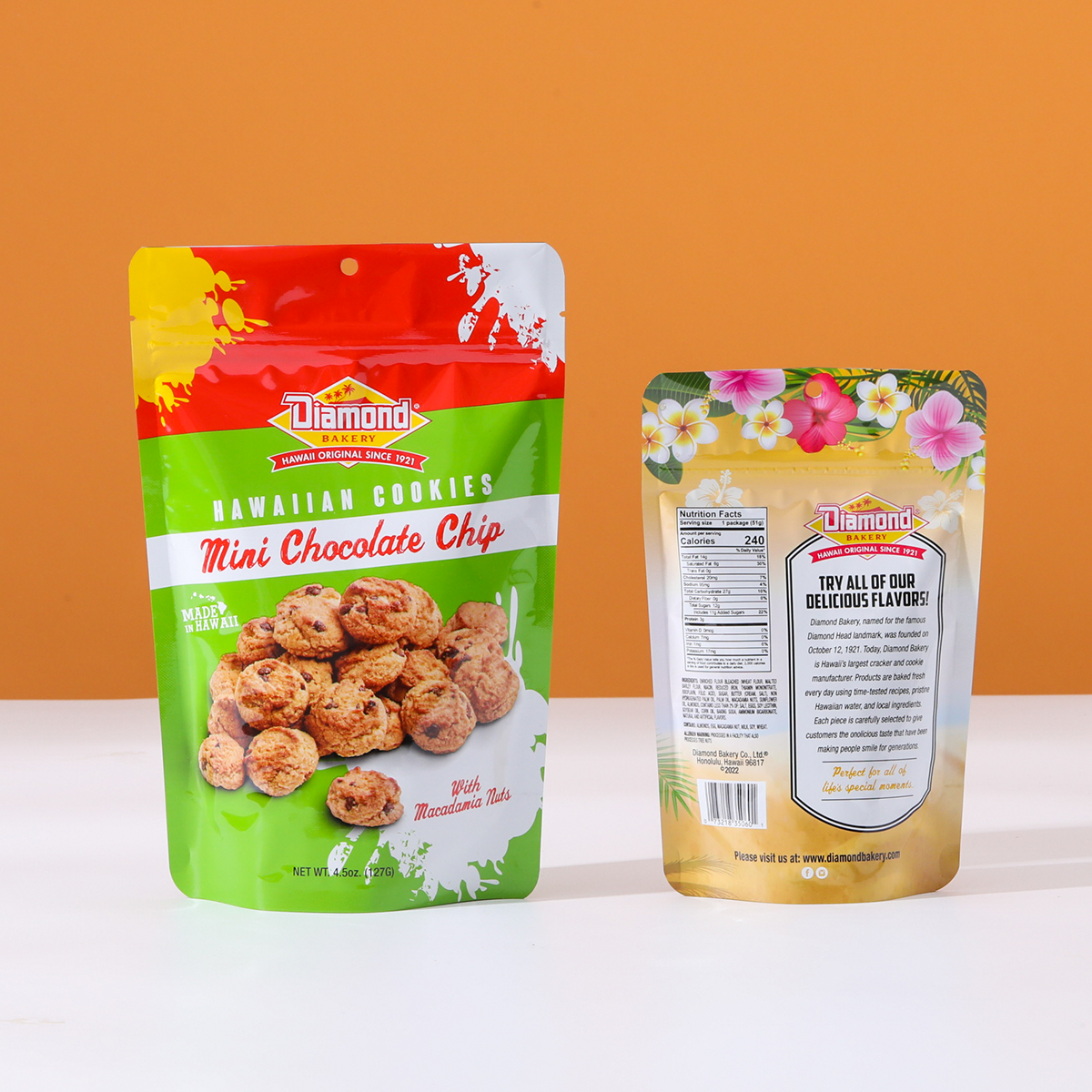
In today's competitive packaging market, businesses need packaging solutions that balance cost efficiency with customization flexibility. Digital printing technology has fundamentally transformed how manufacturers produce short-run stand up pouch orders, enabling brands to launch new products, test market variations, and scale production without excessive inventory investment. Unlike traditional printing methods that require substantial minimum order quantities and lengthy setup times, digital printing for stand up pouch production offers unprecedented agility for businesses of all sizes.
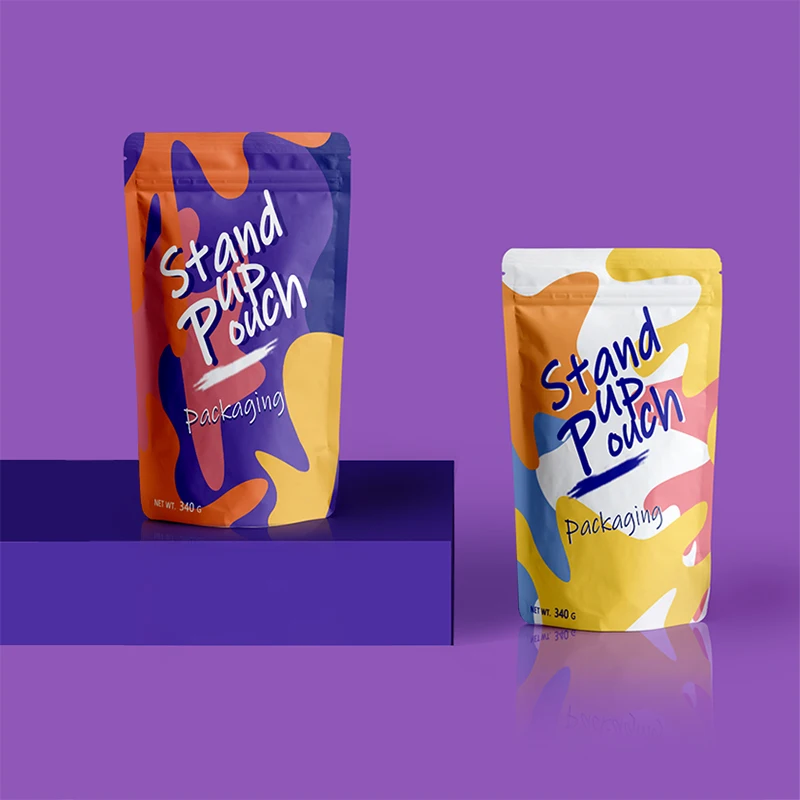
The shift toward digital printing reflects broader market trends where customization, rapid time-to-market, and data-driven product decisions have become essential competitive advantages. A stand up pouch represents one of the most versatile packaging formats available, combining structural durability with premium shelf appeal. When paired with digital printing capabilities, the stand up pouch becomes an ideal vehicle for short-run production that meets modern brand requirements while maintaining profitability across smaller order volumes.
Understanding Digital Printing Technology for Stand Up Pouch Production
How Digital Printing Works in Stand Up Pouch Manufacturing
Digital printing technology applies ink directly to packaging material without the need for traditional printing plates or screens. For stand up pouch manufacturing, this capability means that each individual stand up pouch can carry unique design elements, variable data, or complete custom artwork without requiring expensive tooling setup. The digital printing process reads design files directly from computers and transfers them onto the pouch substrate with remarkable precision and color accuracy.
The stand up pouch format becomes especially valuable in digital printing because the flat front and back panels provide ideal surfaces for high-resolution image reproduction. Unlike traditional flexographic printing, which demands consistent design repetition across large production runs to justify setup costs, a stand up pouch produced through digital printing can exist as a true one-off or small-batch item. This flexibility transforms how businesses approach product launches, seasonal offerings, and promotional campaigns.
Key Technical Advantages of Digital Stand Up Pouch Printing
Digital printing delivers superior color vibrancy and registration accuracy compared to traditional methods, particularly important when a stand up pouch must command attention on crowded retail shelves. The technology eliminates color separation limitations, meaning a stand up pouch can showcase photorealistic imagery, intricate gradient patterns, and subtle color nuances that traditional printing struggles to reproduce. Resolution capabilities enable fine detail reproduction that makes each stand up pouch look genuinely premium, even in short-run quantities where per-unit costs might otherwise limit design quality.
Speed represents another crucial technical advantage for stand up pouch production. Digital printing reduces the time between design approval and finished packaging significantly. A stand up pouch order that would require weeks of preparation and printing setup through traditional methods can be completed within days through digital technology, allowing brands to respond to market opportunities and competitive threats with genuine agility.
Cost and Business Model Transformation for Short-Run Stand Up Pouch Orders
Eliminating Minimum Order Quantity Barriers
Traditional stand up pouch production typically requires minimum order quantities of 10,000 to 50,000 units to make the economics viable, primarily because the fixed costs of plate preparation and setup must be distributed across enough units. Digital printing fundamentally changes this equation by eliminating expensive setup requirements. A brand can now order a stand up pouch in quantities of 1,000 units or even fewer while maintaining reasonable per-unit costs, democratizing premium packaging access for small businesses, startups, and established companies testing new product lines.
This shift enables a stand up pouch to become practical for direct-to-consumer brands, limited-edition products, and regional market testing. Entrepreneurs no longer face the choice between accepting minimal customization in exchange for low prices or accepting astronomical costs for true custom packaging. A stand up pouch with full digital printing now represents a genuinely economical option for short-run orders, fundamentally changing packaging accessibility across industries.
Per-Unit Economics and Profitability Across Order Sizes
The per-unit cost structure for a stand up pouch produced via digital printing behaves differently than traditional printing. While traditional production shows dramatic unit cost reductions as order volumes increase, a stand up pouch created through digital technology maintains relatively consistent per-unit pricing across broader volume ranges. A 5,000-unit order of a stand up pouch might have only 15-20% higher per-unit cost than a 50,000-unit order, compared to potentially 200-300% cost differences in traditional printing scenarios.
This pricing structure transforms business planning for brands considering a stand up pouch purchase. Companies can make smaller inventory commitments while maintaining healthy margins, reducing working capital requirements and inventory holding costs. A stand up pouch becomes a tactical packaging choice rather than a strategic commitment, allowing brands to test designs, gather consumer feedback, and iterate quickly without financial exposure to excessive unsold inventory.
Strategic Applications and Market Advantages for Stand Up Pouch Short-Run Orders
Product Launch and Market Testing with Stand Up Pouch Solutions
New product launches represent one of the most compelling applications for a stand up pouch produced through digital printing. Rather than committing to 50,000 units of packaging before confirming market demand, a brand can produce 5,000 units of a stand up pouch for initial market testing. This approach enables rapid feedback collection, real-world consumer response assessment, and design iteration without catastrophic financial consequences if the product underperforms.
A stand up pouch also facilitates A/B testing strategies where brands can produce multiple design variations and test consumer preferences across different market segments. The cost per variation remains manageable, and the speed of production means that winners can be identified and scaled quickly while losers are discontinued before significant inventory accumulation occurs. Digital printing transforms a stand up pouch from a static packaging choice into a dynamic testing tool.
Seasonal and Promotional Stand Up Pouch Production
Seasonal products, limited editions, and promotional offerings naturally align with short-run stand up pouch production. A brand can develop unique holiday packaging designs, collaborate with influencers on special editions, or launch regional variations without the traditional constraints of minimum order quantities. A stand up pouch becomes genuinely responsive to market timing rather than dictating production schedules based on minimum order requirements.
Digital printing enables brands to produce a stand up pouch with variable data, allowing each unit to carry unique sequential numbering, personalization elements, or location-specific information. A stand up pouch might include the purchaser's name, store location, or limited-edition series number, creating perceived scarcity and authenticity that enhances product desirability. This capability opens entirely new marketing and customer engagement strategies that traditional packaging manufacturing cannot support.
FAQ
What minimum order quantity applies to a stand up pouch with digital printing?
Digital printing dramatically reduces minimum order quantities for a stand up pouch compared to traditional methods. While conventional printing often requires 10,000-50,000 units, a stand up pouch with digital printing can be produced in quantities as low as 1,000-2,000 units with economically viable pricing. Some manufacturers accept even smaller runs, making a stand up pouch accessible for startups and limited-edition products. The exact minimum depends on the specific manufacturer and pouch specifications, but the flexibility represents a fundamental departure from traditional packaging economics.
How does color accuracy compare between digital and traditional printing for a stand up pouch?
Digital printing generally delivers superior color accuracy and vibrancy compared to traditional flexographic printing when producing a stand up pouch. The technology can reproduce photorealistic imagery, complex color gradients, and fine detail without the color separation limitations inherent to traditional methods. A stand up pouch printed digitally typically shows more consistent color reproduction across the entire order and maintains accurate color matching to digital files. However, very specialized color requirements might benefit from traditional printing consultation.
Can variable data printing be applied to a stand up pouch through digital technology?
Yes, digital printing enables variable data printing on a stand up pouch, meaning each unit can carry unique information while maintaining production efficiency. A stand up pouch might include sequential numbering, personalized names, or location-specific details without additional setup costs or production delays. This capability makes a stand up pouch ideal for personalized marketing campaigns, collectible product series, and targeted promotional offerings. The variable data functionality adds significant strategic value to stand up pouch production, particularly for brands seeking enhanced customer engagement and perceived exclusivity.