 EN
EN

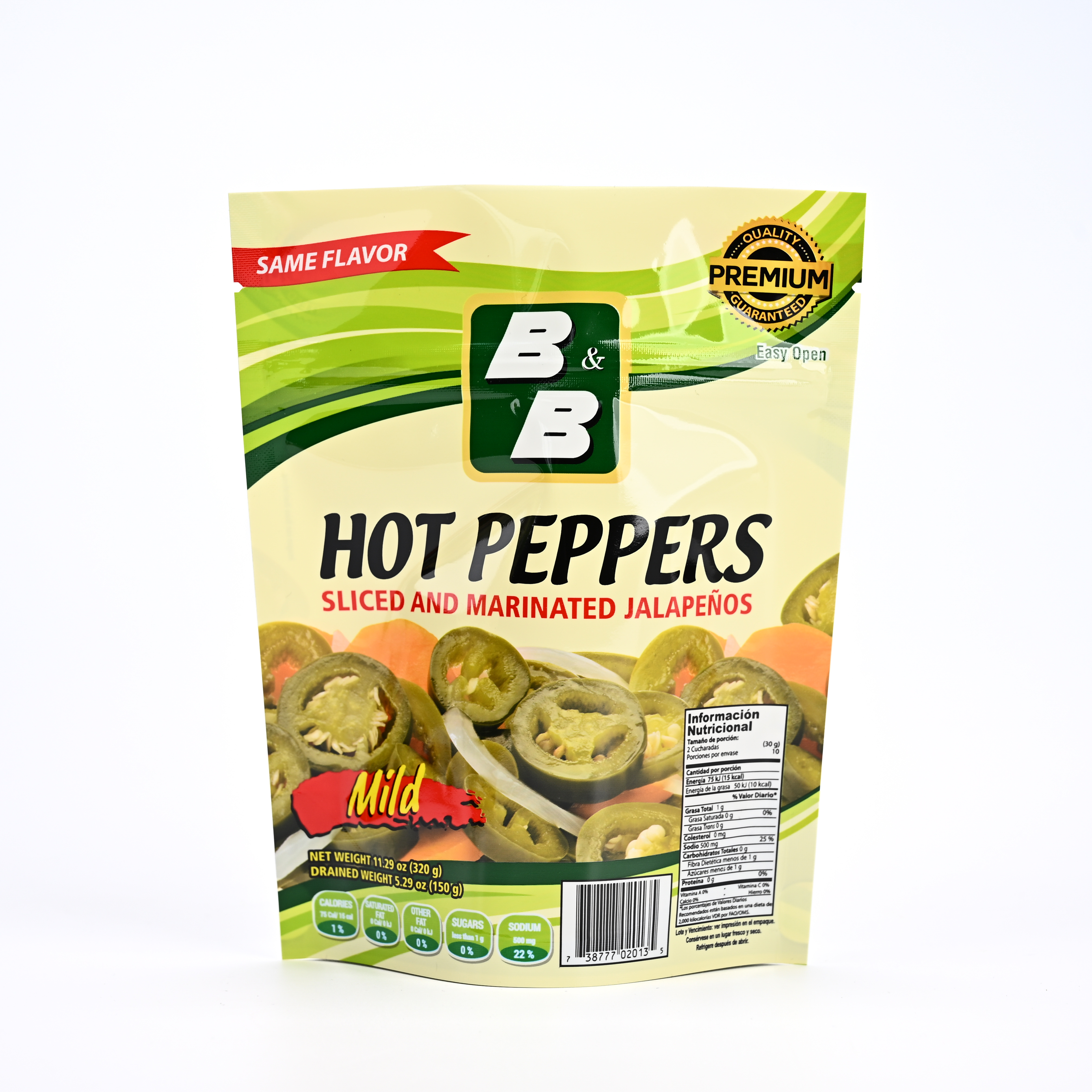
Choosing the right bottom gusset style for your stand up pouch is one of the most critical decisions in flexible packaging design. The bottom gusset determines not only how your stand up pouch stands upright on retail shelves but also affects seal integrity, product protection, and overall manufacturing efficiency. Whether you're packaging snacks, coffee, powders, or liquids, the gusset configuration directly influences customer satisfaction and product shelf life. Understanding the nuances of different bottom gusset options allows packaging engineers and product managers to optimize both functionality and cost-effectiveness for their specific applications.
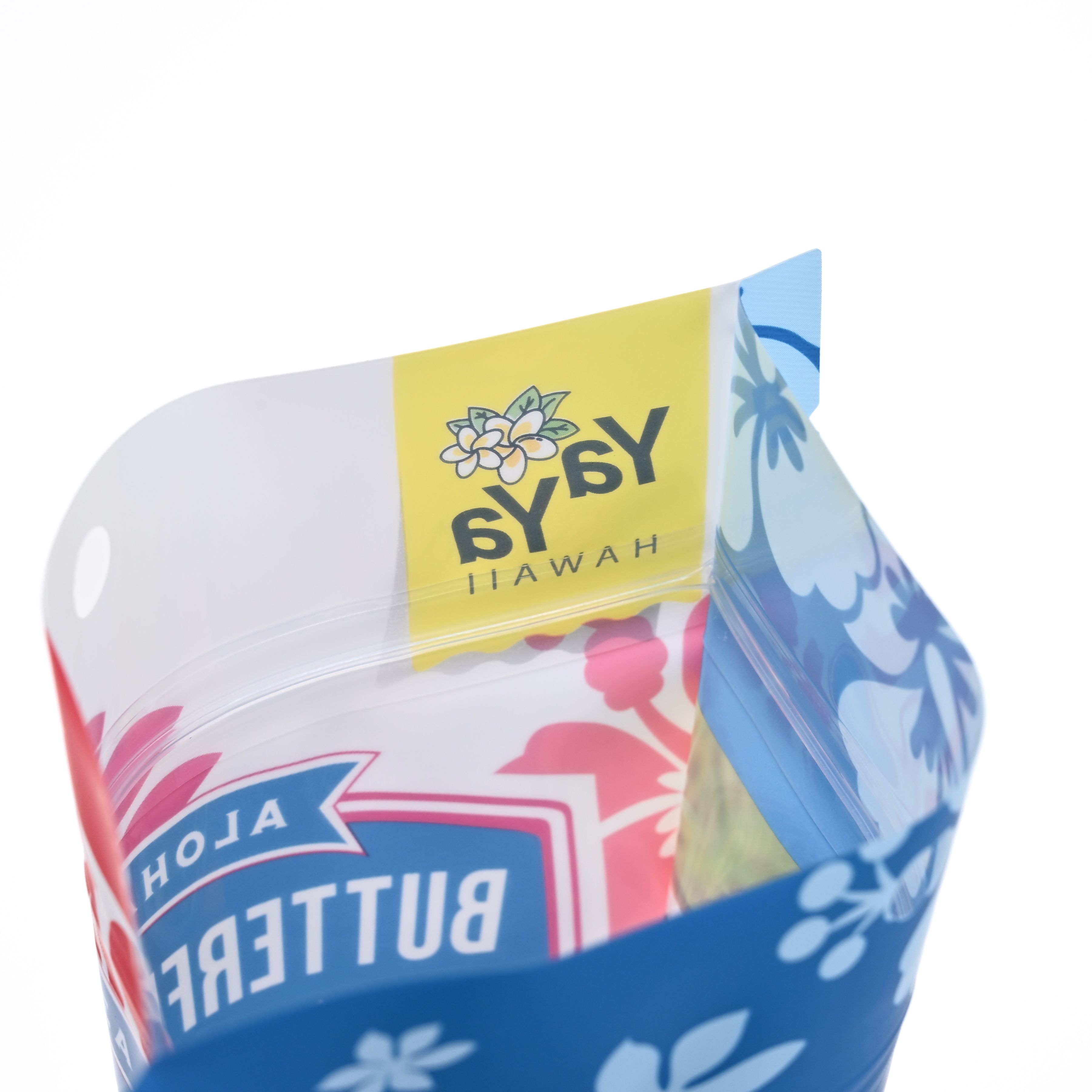
A stand up pouch relies on its bottom gusset to create a stable base that keeps the bag vertical during storage, transportation, and point-of-sale display. The gusset material must provide adequate rigidity while maintaining seal quality and accommodating product weight without deformation. Selecting the wrong bottom gusset style can result in poor shelf presentation, seal failures during transport, or increased production waste. This guide explores the primary bottom gusset styles used in flexible packaging, their structural characteristics, and how to match each style to your specific product and market requirements.
Understanding Bottom Gusset Structure and Function
What Makes a Bottom Gusset Essential in Stand Up Pouch Design
The bottom gusset is the fold or pleat created at the base of a stand up pouch that transforms a flat film into a three-dimensional container. This structural element serves multiple functions: it creates width at the base, provides standing stability, and distributes weight evenly across the pouch floor. Without a properly designed bottom gusset, a stand up pouch would collapse or tip over on store shelves, rendering the packaging ineffective for retail display. The gusset depth—measured in inches or millimeters—determines how much base surface area your stand up pouch can support, which directly correlates to product volume and shelf presence.
How Bottom Gusset Design Affects Product Safety and Shelf Life
The integrity of your stand up pouch's bottom gusset directly impacts how well it protects contents from environmental contaminants, moisture, oxygen, and light. A poorly sealed or structurally weak gusset compromises the entire barrier system, particularly critical for moisture-sensitive products like powders, spices, or coffee. Modern stand up pouch designs incorporate multiple seal lines in the gusset area to create redundant sealing paths, ensuring that even if one seal line weakens, the stand up pouch remains protected. The material thickness and fold configuration of the gusset zone must withstand both the pressure of packed product and mechanical stress during distribution. When specifying your stand up pouch, engineers must balance gusset depth for visual impact against seal quality and material cost.
Primary Bottom Gusset Styles for Stand Up Pouches
Straight-Bottom Gusset Configuration
The straight-bottom gusset, also called a centered-bottom gusset, is the most traditional and widely used style in stand up pouch manufacturing. In this design, the gusset is symmetrical, with material folded evenly on both sides to create a flat, stable base. This configuration works exceptionally well for stand up pouch applications where height and visual shelf impact are priorities, such as premium snack packaging or specialty food products. The straight-bottom stand up pouch design minimizes material waste during production and provides excellent structural support for heavier products. Seal lines typically run parallel on both sides of the bottom, creating dual protection barriers that are easier to inspect and validate during quality control. Most filling machines are optimized for straight-bottom stand up pouch formats, making this style the most cost-effective choice for high-volume production runs.
Off-Center or Asymmetrical Bottom Gusset Style
An off-center bottom gusset shifts the fold line laterally, creating additional width on one side while narrowing the opposite side of your stand up pouch. This configuration is selected when product distribution inside the stand up pouch is uneven, or when packaging design prioritizes maximum printed area on one face. The asymmetrical bottom gusset in a stand up pouch can provide better visual balance when product shift to one side during shipment. However, this style requires more precise control during film manufacturing and filling operations, as the off-center stand up pouch configuration can be susceptible to seal-line misalignment. Off-center gussets are less common but offer flexibility for specialized applications where the product's weight distribution or desired visual presentation demands an unconventional stand up pouch footprint.
Fin-Seal Bottom Gusset for Enhanced Structural Support
The fin-seal bottom gusset incorporates a vertical seal line that runs down the center of the bottom, creating a ridge or fin that adds rigidity to your stand up pouch. This approach is ideal when maximum structural integrity is needed for heavy products or when the stand up pouch will experience significant mechanical stress during handling. The fin-seal configuration in a stand up pouch reduces deformation risk and prevents lateral bulging that can occur with straight-bottom designs under high product weight. The added center seal in a fin-seal stand up pouch requires compatible filling machinery but delivers superior stability for demanding applications like pet food, coffee beans, or industrial powders. While the fin-seal stand up pouch style generates marginally higher production costs due to the additional seal line, the enhanced shelf stability and reduced damage claims often justify the investment.
Selecting the Optimal Bottom Gusset Style for Your Stand Up Pouch Application
Evaluating Product Weight and Compression Requirements
When choosing a bottom gusset style for your stand up pouch, product weight is the primary engineering constraint. Lightweight items like potato chips or pretzels are well-suited to straight-bottom stand up pouch designs, while heavier products like nuts, coffee, or powders may require fin-seal configurations for adequate structural support. The stand up pouch gusset must accommodate not only the product's resting weight but also the cumulative load when multiple units are stacked on retail shelves or palletized for distribution. Testing your intended stand up pouch design under worst-case stacking scenarios ensures the bottom gusset configuration can withstand 8–12 layers of compression without seal failure or base deformation. If your product is hygroscopic or prone to settling, the stand up pouch gusset dimensions and seal configuration must prevent base flexing that could create micro-cracks in the seal integrity.
Balancing Cost, Production Efficiency, and Market Positioning
The cost of your stand up pouch increases with gusset complexity: straight-bottom designs are most economical, while fin-seal stand up pouch formats require additional equipment investment and processing time. High-speed filling lines optimized for straight-bottom stand up pouches can achieve 200–400 fills per minute, whereas specialized fin-seal stand up pouch machinery may operate at 100–200 fills per minute. For premium market segments where consumers expect robust, shelf-stable packaging, investing in a fin-seal stand up pouch or reinforced straight-bottom design justifies higher production costs. However, for value-oriented categories where price sensitivity dominates, a standard straight-bottom stand up pouch often represents the optimal balance between functional performance and consumer affordability. Your bottom gusset selection for a stand up pouch should align with your brand's market positioning, target retail environment, and distribution logistics.
Considering Retail Display and Consumer Perception
The visual appearance of your stand up pouch on retail shelves significantly influences purchase decisions. A straight-bottom stand up pouch creates clean, symmetrical shelf rows that consumers perceive as orderly and premium, while an off-center or fin-seal stand up pouch might draw attention if the design creates distinctive visual movement. The gusset depth of your stand up pouch must be sufficient to project the product forward on the shelf, allowing consumers to see product quality and printed branding. However, excessive gusset depth in a stand up pouch can create awkward spacing in standard shelf facings, reducing the number of units that fit in a planogram slot. Test your final stand up pouch prototype in actual retail environments to confirm that the bottom gusset style and dimensions align with category standards and retailer requirements. The psychological impact of a well-designed stand up pouch—one that stands upright with confidence and presents product prominently—often outweighs minor cost differences in bottom gusset selection.
FAQ
What is the difference between a bottom gusset and a side gusset in a stand up pouch?
A bottom gusset in a stand up pouch creates the base fold that allows the bag to stand upright and provides structural stability on store shelves. Side gussets, by contrast, run vertically along the left and right edges of the stand up pouch, creating width and volume in the main body of the bag. While side gussets are common in flexible packaging, the bottom gusset is the defining structural element that transforms a flat film into a true stand up pouch. Most modern stand up pouch designs incorporate both bottom and side gussets to maximize display volume and structural integrity.
How do I know if my stand up pouch bottom gusset is too shallow or too deep?
A shallow bottom gusset on your stand up pouch will cause the bag to tilt or collapse on store shelves, appearing unstable and unprofessional. Conversely, an excessively deep bottom gusset in your stand up pouch may waste shelf space, reduce the number of facings available per planogram, and increase material costs unnecessarily. The ideal bottom gusset depth for your stand up pouch should create a stable stance with a footprint that matches or slightly exceeds the width of your printed front panel. Industry standards typically range from 1 to 3 inches of gusset depth, depending on product category and retail requirements for your specific stand up pouch.
Can I switch from a straight-bottom to a fin-seal bottom gusset in an existing stand up pouch without changing the filling machine?
Switching from a straight-bottom to a fin-seal configuration in your stand up pouch typically requires equipment modifications or a new filling machine, as the seal pattern and positioning logic differ significantly. Most standard stand up pouch filling machines create two horizontal seal lines at the base, while fin-seal stand up pouch equipment must add a vertical center seal. However, many modern modular filling systems can accommodate format changes through tooling adjustments, so consult your equipment manufacturer about stand up pouch retrofit compatibility before making a final decision. Testing a pilot run on your existing equipment with the new stand up pouch format is the most reliable way to determine feasibility and cost implications.