 EN
EN


The pet food industry continues to experience unprecedented growth, with large format packaging becoming increasingly important for manufacturers seeking to meet evolving consumer demands. Large format pet food bag manufacturing has emerged as a critical segment, driven by bulk purchasing trends, sustainability concerns, and the need for enhanced product protection. As we approach 2025, manufacturers are implementing innovative solutions that address both functional requirements and environmental responsibilities. The shift toward larger packaging formats reflects changing consumer behaviors, particularly among pet owners who prefer buying in bulk to reduce shopping frequency and achieve cost savings. This transformation in large format pet food bag manufacturing is reshaping industry standards and driving technological advancement across the entire supply chain.
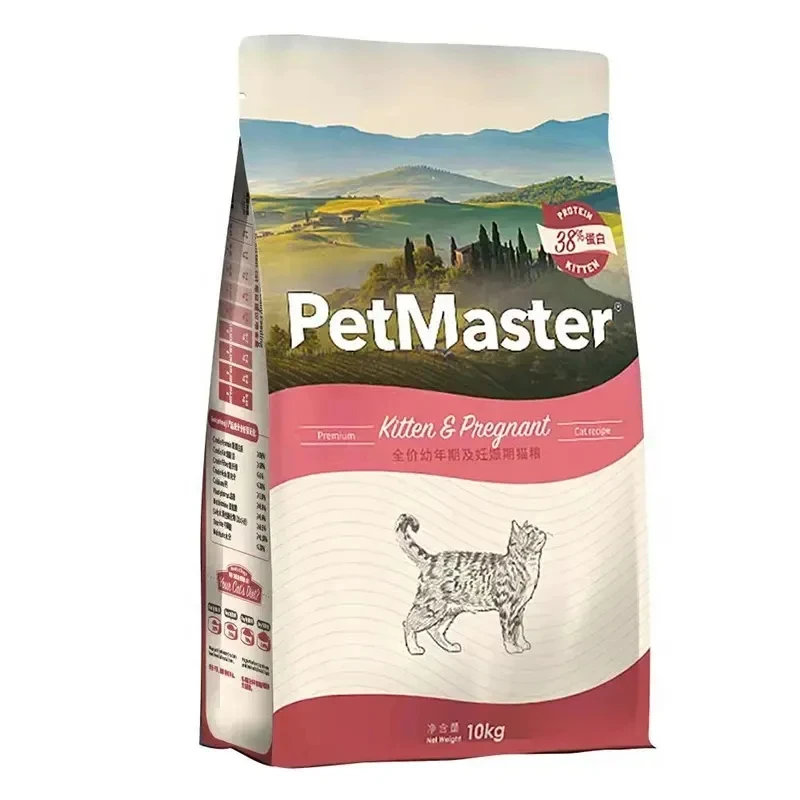
Market Dynamics Driving Large Format Packaging Innovation
Consumer Preference Shifts Toward Bulk Purchasing
Modern pet owners increasingly favor bulk purchasing strategies, particularly for premium pet food products that require consistent nutritional profiles. This trend has significantly influenced large format pet food bag manufacturing processes, as companies must balance package size with material integrity and shelf life preservation. Manufacturers are developing specialized barrier films and multilayer constructions that maintain product freshness across extended storage periods. The economic advantages of bulk purchasing resonate strongly with consumers facing inflationary pressures, making large format packaging an attractive value proposition. Research indicates that households with multiple pets or larger breeds demonstrate the strongest preference for bulk packaging options, driving demand for innovative large format pet food bag manufacturing solutions.
The convenience factor cannot be understated in this market evolution, as busy pet owners seek to minimize shopping trips while ensuring consistent food availability for their animals. Large format pet food bag manufacturing companies are responding by developing user-friendly features such as resealable closures, easy-pour spouts, and ergonomic handles that accommodate heavier package weights. These design innovations require sophisticated manufacturing processes that integrate functional elements without compromising package integrity or increasing production costs significantly. The balance between convenience and functionality drives continuous innovation in manufacturing techniques and material selection processes.
Sustainability Imperatives Reshaping Material Selection
Environmental consciousness among consumers has become a decisive factor in large format pet food bag manufacturing, with companies increasingly adopting sustainable materials and production methods. The pressure to reduce plastic waste while maintaining product protection standards has led to innovative material combinations that incorporate recycled content and biodegradable components. Manufacturers are exploring advanced barrier coatings derived from renewable sources, creating packaging solutions that meet both performance and environmental criteria. This sustainability focus in large format pet food bag manufacturing extends beyond materials to encompass energy-efficient production processes and reduced transportation footprints through optimized package designs.
The integration of post-consumer recycled materials presents both opportunities and challenges for large format pet food bag manufacturing operations. While recycled content reduces environmental impact, maintaining consistent barrier properties and print quality requires advanced processing capabilities and rigorous quality control systems. Companies are investing in sophisticated sorting and cleaning technologies to ensure recycled materials meet food-grade standards while developing new lamination techniques that optimize the performance of mixed material constructions. These innovations position forward-thinking manufacturers at the forefront of sustainable packaging solutions while meeting stringent food safety requirements.
Advanced Manufacturing Technologies and Process Innovations
Digital Printing Revolution in Large Format Applications
Digital printing technology has revolutionized large format pet food bag manufacturing by enabling high-quality graphics, variable data printing, and shorter run lengths with reduced waste generation. This technological advancement allows manufacturers to produce customized packaging solutions for different market segments while maintaining cost efficiency across varying order volumes. The precision and consistency of digital printing systems ensure that large format packages maintain visual appeal and brand recognition across extended surface areas. Advanced color management systems and specialized inks designed for flexible packaging substrates deliver exceptional print quality that withstands the handling and storage demands of large format pet food bag manufacturing applications.
The flexibility offered by digital printing extends to rapid prototype development and market testing capabilities, allowing manufacturers to respond quickly to emerging trends and consumer preferences. Large format pet food bag manufacturing companies can now produce small test quantities with full graphic treatments, enabling comprehensive market research without significant capital investment. This agility in production planning supports innovation cycles and reduces time-to-market for new product launches. The integration of digital printing with automated finishing systems creates streamlined production workflows that optimize efficiency while maintaining quality standards across all package sizes and formats.
Smart Manufacturing Systems and Quality Control Integration
The implementation of Industry 4.0 principles in large format pet food bag manufacturing facilities has transformed production monitoring and quality assurance processes through real-time data collection and analysis systems. Advanced sensor networks monitor critical parameters such as sealing temperature, barrier integrity, and dimensional accuracy throughout the manufacturing process. These smart systems enable predictive maintenance scheduling and immediate correction of process variations, ensuring consistent product quality while minimizing waste generation. The integration of artificial intelligence algorithms helps optimize production parameters for different materials and package configurations, improving overall equipment effectiveness in large format pet food bag manufacturing operations.
Machine learning applications are increasingly valuable in identifying subtle quality variations that might escape traditional inspection methods, particularly important when dealing with the larger surface areas characteristic of large format packaging. Automated vision systems equipped with high-resolution cameras and sophisticated image processing capabilities can detect print defects, seal integrity issues, and material inconsistencies across the entire package surface. This comprehensive quality monitoring approach ensures that large format pet food bag manufacturing operations maintain the highest standards while supporting efficient production throughput. The data generated by these systems also provides valuable insights for continuous process improvement and optimization initiatives.
Material Science Advancements and Barrier Technology
Next-Generation Barrier Films and Multilayer Constructions
Recent developments in barrier film technology have significantly enhanced the protective capabilities of large format pet food bag manufacturing systems, particularly in oxygen and moisture resistance applications. Advanced multilayer constructions incorporating metallized polyester, aluminum foil, and specialized polymer layers create exceptional barrier performance while maintaining flexibility and processability. These material innovations enable extended shelf life for sensitive pet food formulations, supporting the bulk purchasing trends that drive large format packaging demand. The optimization of layer thickness and adhesive systems ensures reliable inter-layer bonding while minimizing overall package weight and material consumption.
Nanotechnology applications are emerging as game-changers in large format pet food bag manufacturing, with nanocomposite materials offering superior barrier properties through molecular-level reinforcement structures. Clay nanoparticles and other nanoscale additives create tortuous pathways that significantly reduce gas permeability while maintaining material transparency and flexibility. These advanced materials support the demanding requirements of premium pet food products that require extended shelf life without preservative enhancement. The integration of nanotechnology in large format pet food bag manufacturing processes requires specialized handling procedures and quality control measures to ensure consistent material performance and regulatory compliance.
Functional Coatings and Surface Modification Technologies
Surface modification technologies are expanding the functional capabilities of large format pet food bag manufacturing through specialized coatings that provide additional protective and performance benefits. Anti-microbial coatings help maintain hygienic conditions during storage and handling, while anti-static treatments reduce dust attraction and improve package appearance throughout the distribution chain. These functional enhancements are particularly valuable in large format applications where extended storage periods increase the potential for contamination or degradation issues. The development of water-based coating systems supports environmental sustainability goals while delivering equivalent or superior performance compared to traditional solvent-based alternatives.
Advanced coating application techniques ensure uniform coverage across the large surface areas typical of bulk pet food packaging, requiring precise control of application parameters and drying conditions. Large format pet food bag manufacturing operations are implementing sophisticated coating systems that monitor film thickness, coverage uniformity, and curing parameters in real-time. These systems support consistent functional performance while minimizing coating material consumption and waste generation. The integration of coating processes with primary manufacturing operations creates efficient production workflows that reduce handling and processing costs while maintaining optimal product quality standards.
Design Innovation and User Experience Enhancement
Ergonomic Considerations for Large Format Packaging
The physical challenges associated with handling large format pet food packages have driven significant innovation in ergonomic design features that enhance user experience and safety. Large format pet food bag manufacturing now incorporates reinforced handle systems, easy-grip zones, and weight distribution features that facilitate safe lifting and carrying. These design elements require careful integration with package structure and sealing systems to ensure they do not compromise barrier integrity or overall package performance. Advanced finite element analysis helps optimize handle placement and reinforcement patterns to minimize stress concentrations while maximizing user comfort and safety.
The development of innovative opening and reclosure systems addresses the unique challenges of large format packaging, where traditional methods may be inadequate for repeated access over extended periods. Large format pet food bag manufacturing companies are implementing advanced zipper systems, press-to-close seals, and slider mechanisms that maintain seal integrity through hundreds of opening and closing cycles. These features require precise manufacturing tolerances and specialized assembly techniques to ensure reliable performance throughout the package lifecycle. User testing and ergonomic analysis inform design decisions that balance functionality with manufacturing feasibility and cost considerations.
Visual Design and Shelf Impact Optimization
Large format packaging presents unique opportunities and challenges for visual design and brand communication, requiring specialized approaches that optimize shelf impact while maintaining design coherence across different viewing distances. The expanded surface area available in large format pet food bag manufacturing enables comprehensive product storytelling and detailed nutritional information presentation without compromising graphic clarity or visual hierarchy. Advanced color management systems ensure consistent reproduction of brand colors and graphic elements across the entire package surface, maintaining brand recognition and consumer trust. The integration of premium finishing techniques such as soft-touch coatings and selective spot UV creates tactile experiences that reinforce product quality perceptions.
The scale considerations inherent in large format packaging require careful attention to typography, imagery resolution, and graphic element proportions to maintain effectiveness across various viewing conditions. Large format pet food bag manufacturing operations utilize sophisticated prepress workflows that optimize graphic elements for the specific characteristics of flexible packaging substrates and printing processes. Color separation and ink density optimization ensure vibrant, consistent reproduction while minimizing ink consumption and environmental impact. The development of modular design systems enables efficient adaptation of graphics across different package sizes while maintaining brand consistency and visual impact throughout product lines.
Regulatory Compliance and Food Safety Standards
Evolving Food Contact Material Regulations
The regulatory landscape governing large format pet food bag manufacturing continues to evolve with increasing focus on food contact material safety and migration testing requirements. Recent updates to FDA and international standards have introduced more stringent testing protocols for barrier materials, particularly regarding potential contaminant migration during extended storage periods characteristic of bulk packaging applications. Manufacturers must maintain comprehensive documentation of all material compositions and processing conditions to demonstrate compliance with current and emerging regulations. The complexity of multilayer constructions used in large format pet food bag manufacturing requires detailed analysis of each component layer and adhesive system to ensure overall compliance and safety.
Proactive regulatory compliance strategies are essential for large format pet food bag manufacturing operations, as regulatory changes can significantly impact material selection and process validation requirements. Industry collaboration with regulatory agencies helps ensure that emerging standards are practical and achievable while maintaining the highest safety levels for pet food applications. The development of standardized testing protocols specific to large format packaging applications supports consistent compliance verification across different manufacturing facilities and material suppliers. These collaborative efforts contribute to industry-wide best practices that benefit all stakeholders while ensuring consumer safety and product integrity.
Quality Assurance Systems and Traceability Requirements
Comprehensive quality assurance systems are fundamental to successful large format pet food bag manufacturing operations, encompassing material verification, process monitoring, and finished product testing protocols. The implementation of risk-based quality systems helps identify critical control points throughout the manufacturing process while optimizing resource allocation and inspection efficiency. Advanced traceability systems track materials and production parameters from incoming raw materials through finished product shipping, enabling rapid identification and containment of potential quality issues. These systems support regulatory compliance requirements while providing valuable data for continuous improvement initiatives and customer quality reporting.
The scale and complexity of large format pet food bag manufacturing operations require sophisticated laboratory capabilities for comprehensive testing and validation programs. On-site testing facilities enable real-time quality verification and rapid response to potential issues, minimizing production disruptions and ensuring consistent product quality. Statistical process control methods help identify trends and variations that might indicate emerging quality issues, enabling proactive corrective actions before problems affect finished products. The integration of quality data with production systems creates comprehensive records that support regulatory audit requirements and customer quality documentation needs.
Supply Chain Optimization and Logistics Considerations
Transportation Efficiency and Storage Optimization
The logistics advantages of large format pet food bag manufacturing extend throughout the supply chain, from raw material procurement to finished product distribution and retail operations. Optimized package dimensions and stacking characteristics enable more efficient transportation utilization while reducing per-unit shipping costs and environmental impact. The development of standardized pallet patterns and load configurations maximizes transportation efficiency while ensuring product protection during handling and storage operations. Advanced packaging design software enables simulation of transportation and storage conditions, optimizing package design for supply chain efficiency without compromising product protection or user experience.
Warehouse operations benefit significantly from the efficiency improvements associated with large format packaging, as reduced SKU complexity and improved space utilization lower overall operational costs. Large format pet food bag manufacturing companies work closely with logistics partners to optimize handling procedures and storage systems for bulk packaging applications. The implementation of automated handling systems and specialized storage equipment supports efficient warehouse operations while maintaining product quality throughout the distribution chain. These logistics optimizations contribute to overall cost competitiveness while supporting sustainability goals through reduced transportation frequency and improved supply chain efficiency.
Inventory Management and Demand Forecasting
The adoption of large format packaging significantly impacts inventory management strategies and demand forecasting accuracy throughout the pet food supply chain. Retailers benefit from reduced inventory complexity and improved shelf space utilization, while consumers enjoy extended periods between purchase occasions. Large format pet food bag manufacturing operations must coordinate closely with brand owners and retailers to optimize production planning and inventory levels that support consistent product availability without excessive carrying costs. Advanced demand planning systems incorporate seasonal variations, promotional activities, and market trends to optimize production schedules and inventory allocation strategies.
The longer shelf life characteristics of properly designed large format packaging enable more flexible inventory management strategies while reducing waste throughout the supply chain. Large format pet food bag manufacturing companies are implementing sophisticated production planning systems that balance manufacturing efficiency with market demand patterns and customer service requirements. The integration of real-time demand data with production planning systems enables responsive manufacturing schedules that optimize resource utilization while maintaining high customer service levels. These planning capabilities are essential for managing the complexity associated with large format packaging while supporting profitable operations and sustainable growth objectives.
FAQ
What are the key advantages of large format pet food bag manufacturing over traditional smaller packages
Large format pet food bag manufacturing offers significant advantages including reduced per-unit packaging costs, improved transportation efficiency, and enhanced consumer convenience through bulk purchasing options. The economies of scale achieved through large format production enable cost-effective barrier protection and premium features that might be prohibitive in smaller package sizes. Additionally, large format packages typically provide better product protection due to reduced surface area to volume ratios, resulting in lower permeability rates and extended shelf life. Environmental benefits include reduced packaging material consumption per unit of product and decreased transportation frequency, supporting sustainability objectives throughout the supply chain.
How do manufacturers ensure product freshness in large format pet food packaging
Product freshness in large format pet food bag manufacturing is maintained through advanced barrier film technologies, optimized headspace management, and specialized closure systems designed for repeated access. Multilayer constructions incorporating high-barrier materials such as metallized films and specialized polymers create exceptional protection against oxygen and moisture ingress. Manufacturers implement comprehensive shelf life testing protocols that validate barrier performance under accelerated aging conditions, ensuring products maintain nutritional quality throughout their intended storage period. Additionally, innovative reclosure systems maintain seal integrity through multiple opening cycles, preventing contamination and preserving freshness after initial opening.
What sustainability initiatives are driving innovation in large format pet food bag manufacturing
Sustainability initiatives in large format pet food bag manufacturing focus on material selection, waste reduction, and energy efficiency improvements throughout production processes. The integration of post-consumer recycled content and renewable materials reduces environmental impact while maintaining food safety standards and barrier performance requirements. Manufacturing facilities are implementing energy recovery systems, waste minimization programs, and water conservation measures that significantly reduce operational environmental footprints. The development of recyclable package designs and participation in industry recycling programs support circular economy principles while meeting consumer expectations for environmentally responsible packaging solutions.
How are smart manufacturing technologies improving large format pet food bag manufacturing processes
Smart manufacturing technologies enhance large format pet food bag manufacturing through real-time process monitoring, predictive maintenance systems, and automated quality control integration. Advanced sensor networks continuously monitor critical parameters such as sealing temperatures, barrier integrity, and dimensional accuracy, enabling immediate correction of process variations. Machine learning algorithms analyze production data to optimize process parameters and predict equipment maintenance requirements, minimizing unplanned downtime and ensuring consistent product quality. These technologies support efficient resource utilization while maintaining the high quality standards essential for food packaging applications, ultimately improving overall equipment effectiveness and operational profitability.
Table of Contents
- Market Dynamics Driving Large Format Packaging Innovation
- Advanced Manufacturing Technologies and Process Innovations
- Material Science Advancements and Barrier Technology
- Design Innovation and User Experience Enhancement
- Regulatory Compliance and Food Safety Standards
- Supply Chain Optimization and Logistics Considerations
-
FAQ
- What are the key advantages of large format pet food bag manufacturing over traditional smaller packages
- How do manufacturers ensure product freshness in large format pet food packaging
- What sustainability initiatives are driving innovation in large format pet food bag manufacturing
- How are smart manufacturing technologies improving large format pet food bag manufacturing processes