 EN
EN

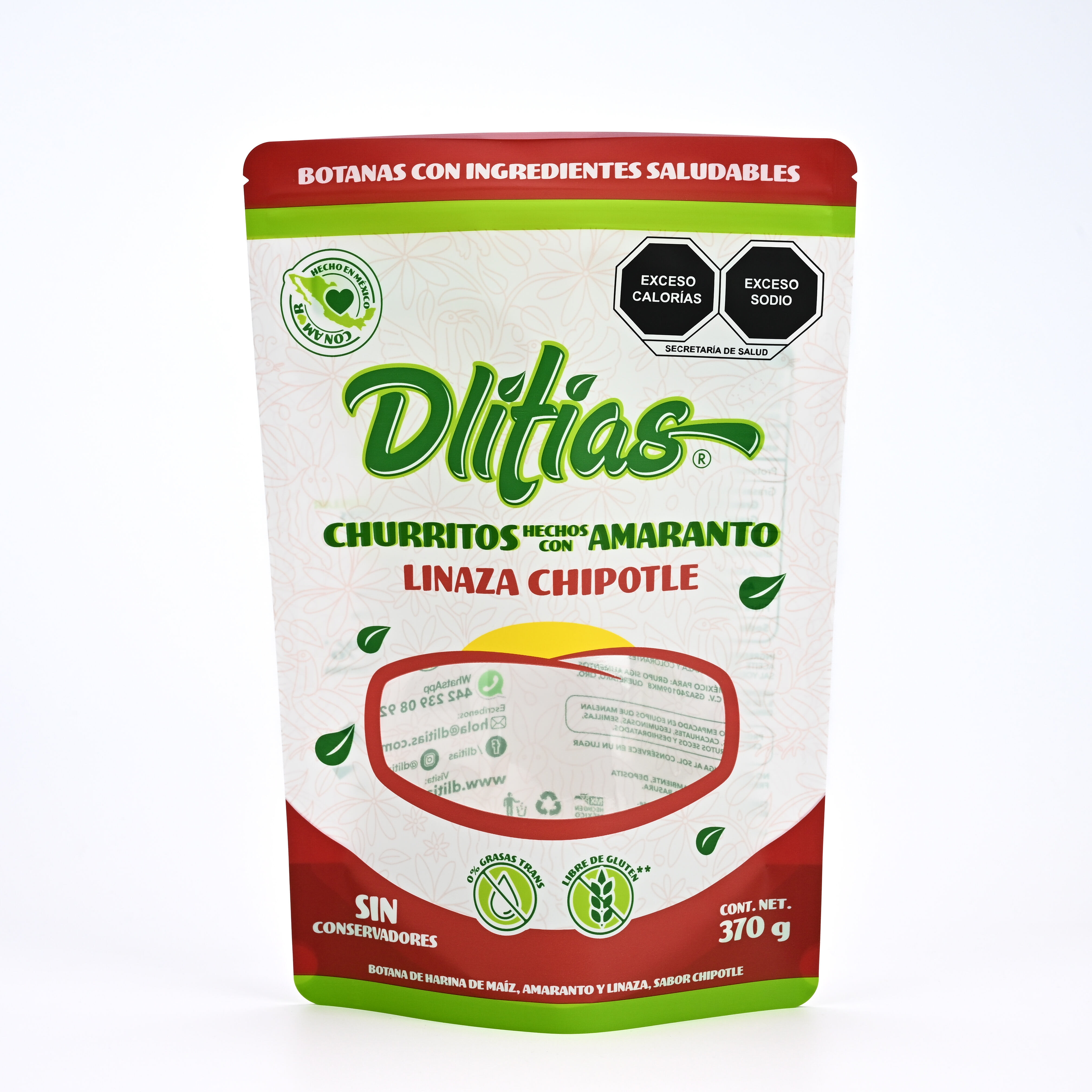
The pet food packaging industry demands exceptional quality standards to preserve nutritional value and ensure product safety throughout the supply chain. High-barrier materials play a crucial role in maintaining freshness, preventing contamination, and extending shelf life for premium pet food products. These specialized packaging solutions create protective barriers against oxygen, moisture, light, and other environmental factors that can compromise product integrity. Understanding the selection criteria for high-barrier materials becomes essential for manufacturers seeking to deliver superior pet food packaging that meets both consumer expectations and regulatory requirements.
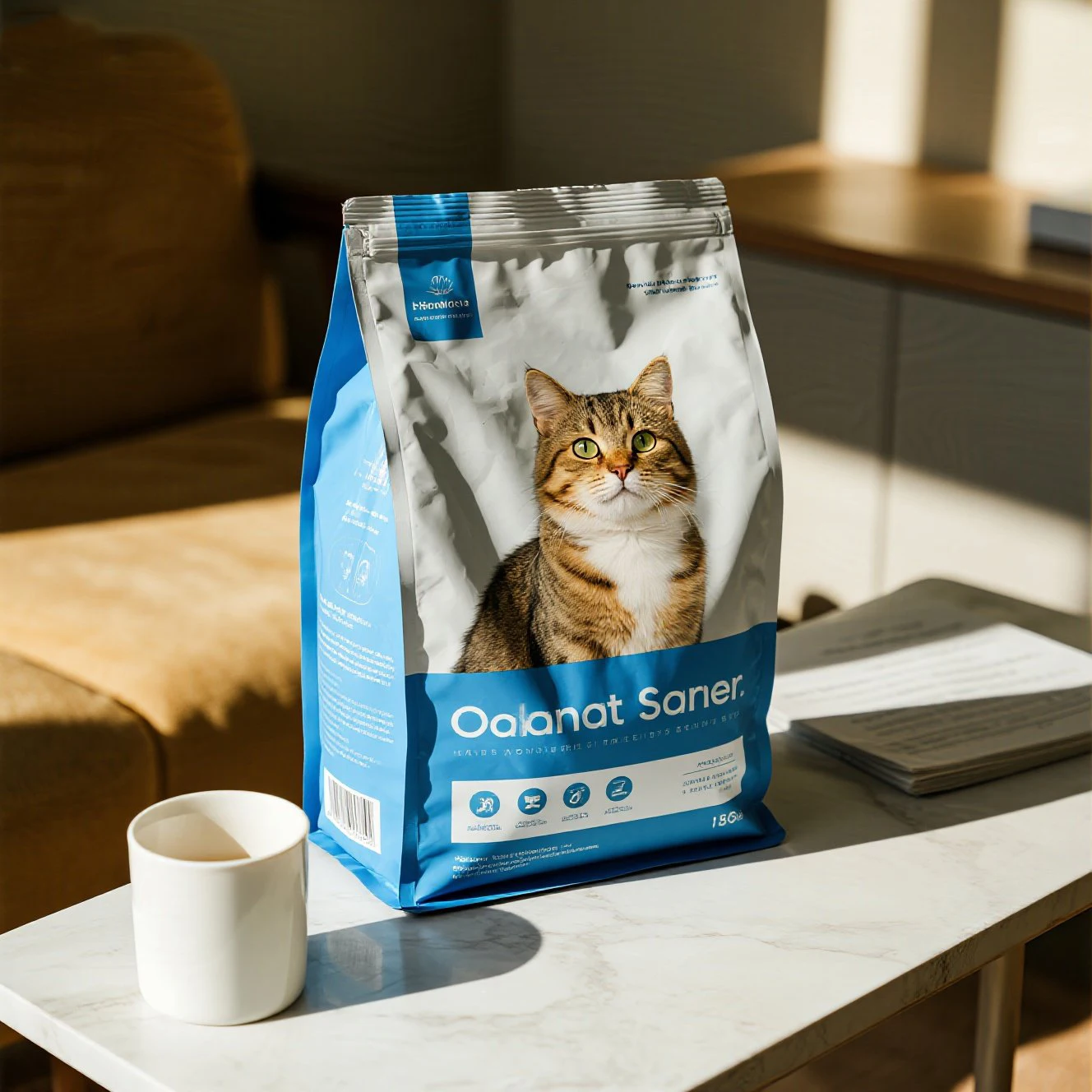
Understanding Barrier Properties in Pet Food Packaging
Oxygen Transmission Rate Fundamentals
Oxygen transmission rate represents one of the most critical measurements when evaluating high-barrier materials for pet food applications. This metric determines how effectively packaging materials prevent oxygen penetration, which directly impacts product freshness and nutritional stability. Premium pet foods containing high-fat content require exceptionally low oxygen transmission rates to prevent rancidity and maintain palatability. The measurement typically expressed in cubic centimeters per square meter per day provides manufacturers with quantifiable data for material comparison. Advanced high-barrier materials achieve oxygen transmission rates below 0.1 cc/m²/day, ensuring optimal protection for sensitive pet food formulations.
Different pet food categories require varying levels of oxygen barrier protection based on their composition and intended shelf life. Dry kibble products benefit from moderate oxygen barriers, while freeze-dried and dehydrated treats demand superior protection due to their concentrated nutrient profiles. Understanding these requirements enables packaging engineers to select appropriate high-barrier materials that balance protection levels with cost considerations. Modern barrier testing equipment allows precise measurement of oxygen permeability under various temperature and humidity conditions, ensuring accurate material selection for specific applications.
Moisture Vapor Transmission Analysis
Moisture control represents another fundamental aspect of high-barrier materials selection for pet food packaging applications. Water vapor transmission rates determine how effectively packaging materials prevent moisture ingress or egress, maintaining optimal product texture and preventing microbial growth. Premium pet foods require precise moisture control to preserve crunchiness in dry products and prevent spoilage in semi-moist formulations. High-barrier materials with low moisture vapor transmission rates help maintain product quality throughout extended storage periods.
The relationship between moisture barriers and product stability varies significantly across different pet food categories. Grain-free formulations often require enhanced moisture protection due to their alternative ingredient profiles, while traditional kibble products may tolerate moderate moisture transmission rates. Advanced high-barrier materials incorporate multiple layers with complementary moisture resistance properties, creating comprehensive protection systems. Temperature fluctuations during storage and transportation can significantly impact moisture transmission rates, making material selection critical for global distribution networks.
Material Construction Technologies
Multi-Layer Laminate Structures
Multi-layer laminate construction represents the foundation of effective high-barrier materials for premium pet food packaging. These sophisticated structures combine different polymer layers, each contributing specific barrier properties to create comprehensive protection systems. The strategic arrangement of materials like polyethylene, polyester, aluminum foil, and specialized barrier coatings maximizes performance while maintaining structural integrity. Advanced laminating technologies ensure strong interlayer adhesion, preventing delamination during handling and storage. High-barrier materials utilizing multi-layer construction can achieve exceptional protection levels while remaining cost-effective for large-scale production.
The selection of individual layers within multi-layer high-barrier materials requires careful consideration of their complementary properties. Outer layers provide structural strength and printability, while inner barrier layers focus on gas and moisture resistance. Specialized adhesive systems bond these layers together, creating unified structures that perform reliably under various conditions. Modern laminating processes allow precise control over layer thickness and composition, enabling customization of barrier properties for specific pet food applications.
Metallized Film Applications
Metallized films offer an attractive alternative to traditional aluminum foil in high-barrier materials for pet food packaging. These materials feature ultra-thin metal coatings applied to polymer substrates, providing excellent barrier properties while maintaining flexibility and reducing weight. The metallization process creates continuous barrier layers that effectively block oxygen, moisture, and light transmission. Advanced metallized high-barrier materials achieve performance levels approaching those of aluminum foil while offering superior processing characteristics and cost advantages.
Different metallization techniques produce varying barrier performance levels, allowing manufacturers to optimize high-barrier materials for specific pet food requirements. Vacuum metallization creates dense, uniform coatings ideal for premium applications, while sputtering processes offer enhanced adhesion for demanding conditions. The choice of base polymer substrate significantly influences the final barrier properties and mechanical characteristics of metallized high-barrier materials. These materials excel in applications requiring moderate to high barrier protection with excellent graphic reproduction capabilities.
Performance Testing and Validation
Accelerated Aging Protocols
Accelerated aging protocols provide essential validation data for high-barrier materials intended for pet food packaging applications. These standardized testing procedures simulate extended storage conditions in compressed timeframes, allowing manufacturers to predict long-term performance characteristics. Temperature and humidity cycling tests reveal potential weaknesses in barrier properties, while UV exposure assessments evaluate light protection capabilities. Properly conducted accelerated aging studies ensure that selected high-barrier materials maintain their protective properties throughout the intended product shelf life.
The correlation between accelerated aging results and real-world performance requires careful interpretation and validation. Different high-barrier materials may exhibit varying responses to accelerated conditions, making comparative analysis essential for proper selection. Industry-standard protocols provide consistent testing frameworks, enabling reliable comparison between material options. Regular validation of accelerated aging predictions through real-time studies ensures continued accuracy of testing protocols and material selection decisions.
Real-Time Shelf Life Studies
Real-time shelf life studies represent the gold standard for validating high-barrier materials performance in pet food packaging applications. These comprehensive evaluations monitor product quality parameters over extended periods under actual storage conditions. Quality indicators including nutritional stability, sensory characteristics, and microbial safety provide definitive proof of barrier effectiveness. The investment in real-time studies yields invaluable data for optimizing high-barrier materials selection and supporting regulatory submissions.
Implementing effective real-time shelf life studies requires careful protocol design and consistent monitoring procedures. Multiple storage conditions including temperature variations, humidity levels, and light exposure scenarios provide comprehensive performance data. Statistical analysis of results enables identification of critical quality indicators and determination of appropriate shelf life claims. Collaboration with analytical laboratories specializing in pet food testing ensures accurate and reliable study results for high-barrier materials validation.
Regulatory Compliance Considerations
Food Contact Regulations
Regulatory compliance represents a fundamental requirement for high-barrier materials used in pet food packaging applications. Food contact regulations vary by jurisdiction but generally require comprehensive safety assessments and migration testing for all packaging components. The United States FDA, European EFSA, and other regulatory bodies maintain specific guidelines for materials intended for animal food contact. Understanding these requirements ensures that selected high-barrier materials meet all necessary safety standards and support smooth market approval processes.
Migration testing protocols evaluate the potential transfer of substances from high-barrier materials to pet food products under various conditions. These studies examine both specific migration of known additives and overall migration of total extractable materials. Temperature and contact time parameters reflect realistic storage and handling scenarios to ensure consumer safety. Proper documentation of regulatory compliance provides essential support for product registration and market approval processes.
Quality Management Systems
Quality management systems play a crucial role in ensuring consistent performance of high-barrier materials throughout the supply chain. ISO certification programs provide frameworks for maintaining quality standards and demonstrating manufacturing competency. These systems encompass raw material qualification, process control, and finished product testing to ensure reliable barrier performance. Implementing robust quality management systems supports regulatory compliance and builds customer confidence in high-barrier materials performance.
Traceability requirements increasingly impact high-barrier materials selection and supply chain management. Complete documentation of material composition, manufacturing processes, and quality testing results supports regulatory compliance and enables rapid response to quality issues. Advanced quality management systems integrate digital tracking technologies to maintain comprehensive records throughout the product lifecycle. These capabilities become essential for managing complex global supply chains and meeting evolving regulatory requirements.
Cost-Benefit Analysis Framework
Total Cost of Ownership Assessment
Total cost of ownership assessment provides a comprehensive framework for evaluating high-barrier materials investments in pet food packaging applications. This analysis encompasses material costs, processing expenses, quality control requirements, and potential product loss prevention benefits. Initial material costs represent only one component of the total investment, with processing efficiency and waste reduction often providing significant value. Understanding the complete cost structure enables informed decision-making for high-barrier materials selection.
Long-term cost considerations include maintenance of product quality, extended shelf life benefits, and reduced customer complaints or returns. Premium high-barrier materials may justify higher initial costs through improved product protection and enhanced brand reputation. Market positioning advantages from superior packaging quality can generate additional revenue streams that offset material cost premiums. Comprehensive total cost of ownership analysis reveals the true value proposition of advanced high-barrier materials solutions.
Return on Investment Calculations
Return on investment calculations provide quantitative metrics for justifying high-barrier materials investments in pet food packaging projects. These analyses compare incremental material costs against measurable benefits including reduced product loss, extended shelf life, and improved customer satisfaction. Quality improvements from superior high-barrier materials often translate to reduced warranty claims and enhanced brand loyalty. Accurate return on investment calculations require careful documentation of baseline performance metrics and projected improvements.
Market research data supports return on investment calculations by quantifying consumer preferences for premium packaging features. Studies consistently demonstrate consumer willingness to pay premium prices for products featuring superior packaging quality and extended freshness guarantees. These market dynamics enable manufacturers to recover investments in high-barrier materials through appropriate pricing strategies. Long-term competitive advantages from superior packaging quality often provide ongoing returns well beyond initial investment recovery periods.
FAQ
What are the most important barrier properties to consider when selecting materials for pet food packaging?
The most critical barrier properties for pet food packaging include oxygen transmission rate, moisture vapor transmission rate, and light protection capabilities. Oxygen barriers prevent rancidity and maintain nutritional value, while moisture barriers preserve texture and prevent microbial growth. Light barriers protect sensitive vitamins and prevent flavor degradation. The specific requirements vary based on pet food composition, with high-fat products requiring superior oxygen barriers and semi-moist formulations needing enhanced moisture protection.
How do multi-layer laminate structures improve barrier performance compared to single-layer materials?
Multi-layer laminate structures combine different materials to create synergistic barrier effects that exceed the performance of individual components. Each layer contributes specific properties such as structural strength, barrier performance, or heat sealability. The strategic arrangement of these layers creates comprehensive protection systems that address multiple preservation requirements simultaneously. Advanced adhesive systems ensure strong interlayer bonding, preventing performance degradation during storage and handling.
What testing methods are most reliable for validating high-barrier materials performance?
The most reliable testing methods combine accelerated aging protocols with real-time shelf life studies to provide comprehensive performance validation. Accelerated aging tests simulate extended storage conditions in compressed timeframes, while real-time studies monitor actual product quality over intended shelf life periods. Migration testing ensures food safety compliance, while barrier property measurements provide quantitative performance data. Multiple testing approaches provide confidence in material selection decisions and support regulatory approval processes.
How do regulatory requirements impact the selection of high-barrier materials for pet food packaging?
Regulatory requirements significantly influence high-barrier materials selection through food contact safety standards, migration testing protocols, and documentation requirements. Different jurisdictions maintain specific guidelines for materials intended for animal food contact, requiring comprehensive safety assessments and compliance documentation. These regulations may limit available material options and require extensive testing to demonstrate safety and performance. Proper regulatory compliance ensures market access and protects both manufacturers and consumers from potential safety risks.
Table of Contents
- Understanding Barrier Properties in Pet Food Packaging
- Material Construction Technologies
- Performance Testing and Validation
- Regulatory Compliance Considerations
- Cost-Benefit Analysis Framework
-
FAQ
- What are the most important barrier properties to consider when selecting materials for pet food packaging?
- How do multi-layer laminate structures improve barrier performance compared to single-layer materials?
- What testing methods are most reliable for validating high-barrier materials performance?
- How do regulatory requirements impact the selection of high-barrier materials for pet food packaging?