 EN
EN

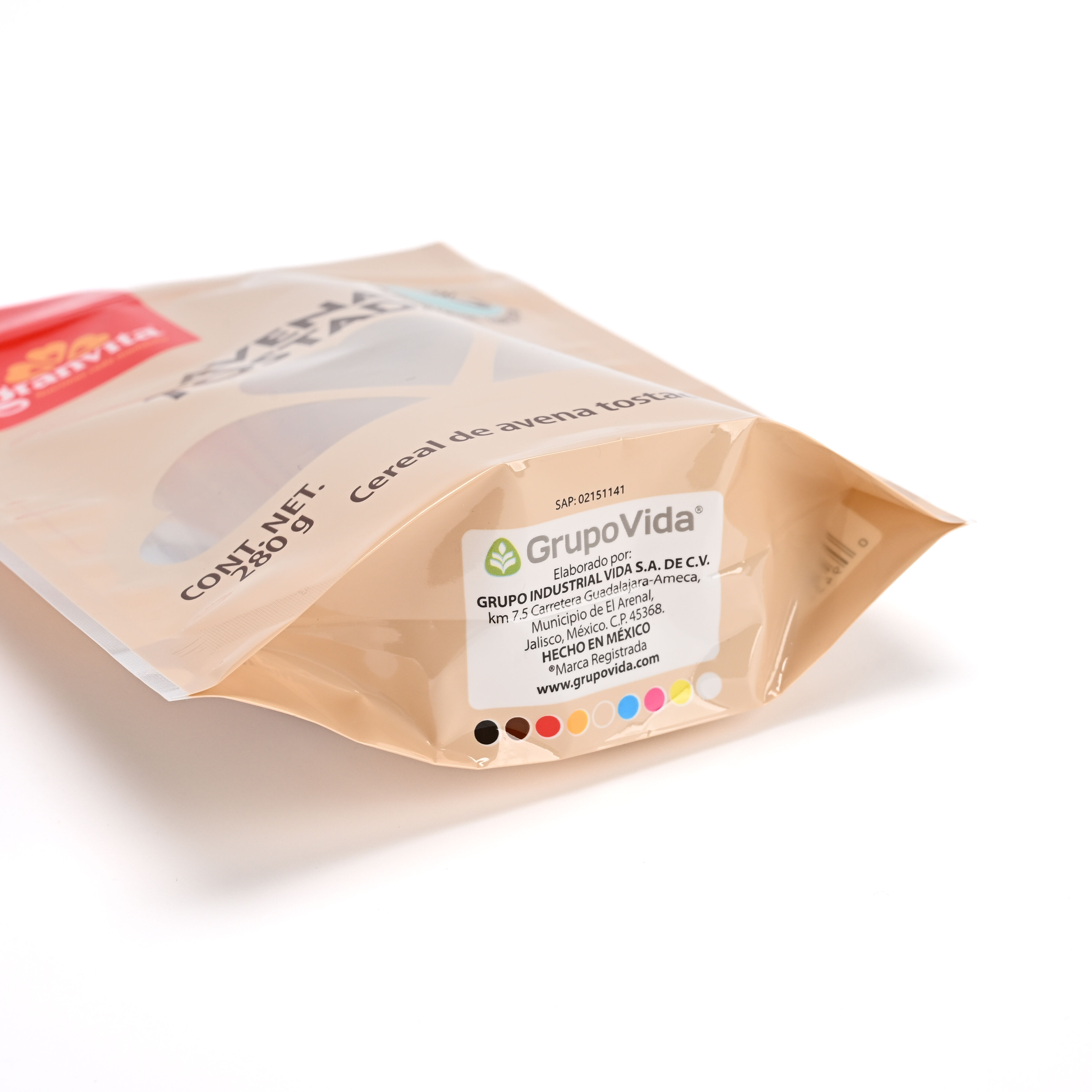
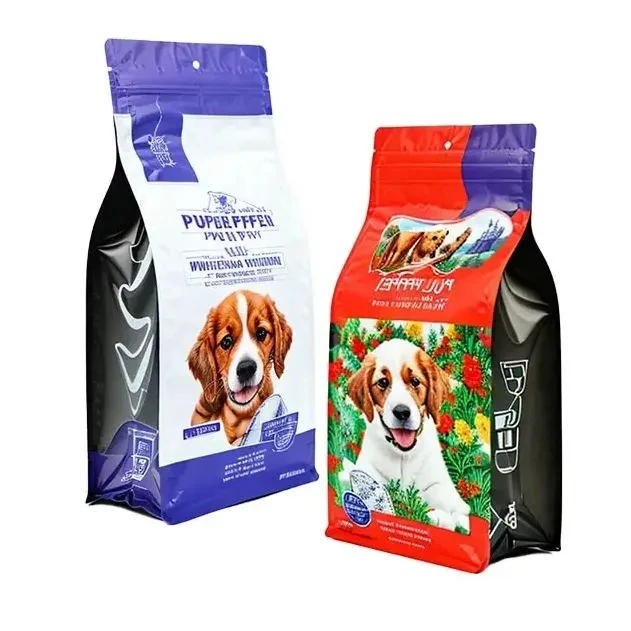
The pet food industry continues experiencing unprecedented growth, with global market projections reaching $128 billion by 2024. This expansion directly impacts packaging requirements, particularly for heavy duty pet food bags that must withstand substantial weight loads while maintaining product integrity. Manufacturers and distributors increasingly recognize that premium packaging solutions directly correlate with brand perception and customer satisfaction. The selection of appropriate heavy duty pet food bags represents a critical decision point that influences distribution efficiency, product protection, and ultimately market success.
Understanding Heavy Duty Pet Food Bag Construction
Multi-Layer Lamination Technology
Modern heavy duty pet food bags utilize sophisticated multi-layer lamination systems that combine various materials to achieve optimal performance characteristics. The outer layer typically consists of high-density polyethylene or polypropylene, providing exceptional tear resistance and moisture barrier properties. Interior layers incorporate aluminum foil or metalized films that prevent oxygen transmission and light penetration, preserving nutritional content and preventing rancidity. This construction methodology ensures heavy duty pet food bags maintain structural integrity throughout the supply chain while protecting contents from environmental factors.
The lamination process involves precise temperature and pressure controls to create molecular bonds between layers without compromising individual material properties. Advanced manufacturers employ solvent-free adhesive systems that eliminate potential contamination risks while maintaining food safety standards. These technical specifications directly impact the performance of heavy duty pet food bags in real-world applications, where bags must endure rough handling, stacking pressure, and temperature variations during storage and transportation.
Reinforcement Mechanisms and Structural Engineering
Strategic reinforcement zones represent crucial elements in heavy duty pet food bags design, particularly at stress concentration points such as corners, seams, and handle attachment areas. Manufacturers implement various reinforcement techniques including double-seaming, heat-activated bonding strips, and polymer welding to prevent failure under load. The bottom gusset construction requires special attention, as this area experiences maximum stress during filling operations and subsequent handling. Professional-grade heavy duty pet food bags incorporate specialized corner construction that distributes weight evenly across the entire base structure.
Handle systems demand careful engineering consideration, as they serve as primary lifting points for heavy duty pet food bags containing substantial product weights. Integrated handle designs eliminate weak points associated with separate handle attachments, while die-cut handles require precise sizing to prevent tearing under load. Some manufacturers implement reinforced handle strips using high-tensile strength materials that exceed the tear resistance of the primary bag construction, ensuring reliable performance throughout the product lifecycle.
Material Selection Criteria for Optimal Performance
Barrier Properties and Preservation Requirements
Effective barrier properties constitute fundamental requirements for heavy duty pet food bags, as pet food products contain oils, fats, and moisture-sensitive nutrients that degrade rapidly when exposed to environmental conditions. Oxygen transmission rates must remain below specific thresholds to prevent oxidation reactions that compromise nutritional value and palatability. Water vapor transmission represents another critical factor, as moisture ingress can promote bacterial growth and reduce product shelf life. High-performance heavy duty pet food bags achieve these barrier requirements through careful material selection and layer optimization.
Temperature resistance capabilities become increasingly important as heavy duty pet food bags encounter various storage and transportation environments. Materials must maintain their barrier properties and structural integrity across temperature ranges from freezing conditions to elevated warehouse temperatures. UV resistance prevents polymer degradation that could compromise bag strength and barrier effectiveness over extended storage periods. These material characteristics directly influence the overall effectiveness of heavy duty pet food bags in maintaining product quality throughout distribution networks.
Sustainable Material Innovations
Environmental sustainability increasingly influences material selection for heavy duty pet food bags, as manufacturers respond to consumer demand for eco-friendly packaging solutions. Bio-based polymers derived from renewable resources offer promising alternatives to traditional petroleum-based materials while maintaining necessary performance characteristics. Recyclable material systems enable end-of-life processing that reduces environmental impact without compromising packaging effectiveness. Some manufacturers develop compostable options for heavy duty pet food bags, though these solutions require careful evaluation to ensure adequate performance during typical storage periods.
Post-consumer recycled content integration represents another sustainability approach that reduces virgin material consumption while maintaining structural requirements. Advanced processing techniques enable incorporation of recycled materials in non-food-contact layers of heavy duty pet food bags without compromising safety or performance standards. These innovations demonstrate that environmental responsibility and packaging effectiveness can coexist when proper engineering principles guide material selection and processing methodologies.
Customization Options and Branding Opportunities
Printing Technologies and Visual Impact
High-quality printing capabilities transform heavy duty pet food bags into powerful marketing tools that communicate brand identity and product information effectively. Rotogravure printing systems deliver exceptional image quality with precise color reproduction across large production runs, making them ideal for premium pet food brands. Flexographic printing offers cost-effective solutions for smaller quantities while maintaining adequate print quality for most applications. Digital printing technologies enable short-run customization and variable data printing for heavy duty pet food bags targeting specific market segments or promotional campaigns.
Surface treatment processes enhance print adhesion and durability on heavy duty pet food bags, ensuring graphics remain vibrant throughout the product lifecycle. Corona treatment and flame treatment modify surface energy characteristics to improve ink bonding with substrate materials. Specialized coatings provide additional protection against abrasion and moisture that could compromise print quality during handling and storage. These technical considerations ensure that heavy duty pet food bags maintain their visual appeal from manufacturing through consumer purchase.
Functional Feature Integration
Modern heavy duty pet food bags incorporate various functional features that enhance user convenience and product differentiation. Resealable closure systems enable portion control and extended freshness after initial opening, addressing consumer preferences for convenience and waste reduction. Easy-open tear notches facilitate access without requiring tools while maintaining package integrity during storage. Transparent windows allow product visibility while preserving barrier properties in non-critical areas of heavy duty pet food bags.
Carrying handle configurations vary significantly based on target market requirements and product weights. Single-center handles work effectively for smaller packages, while dual-handle systems distribute weight more evenly for larger heavy duty pet food bags. Some designs incorporate handle reinforcement patches that prevent tearing under repeated use conditions. Specialty closures such as zip-lock systems or velcro strips provide premium functionality for heavy duty pet food bags targeting convenience-focused market segments.
Quality Assurance and Testing Protocols
Mechanical Performance Evaluation
Comprehensive testing protocols ensure heavy duty pet food bags meet specified performance requirements under various stress conditions. Tensile strength testing evaluates material resistance to stretching forces that occur during filling and handling operations. Drop testing simulates transportation impacts to verify bag integrity under shock loading conditions. Burst strength measurements determine maximum internal pressure capabilities, which become critical during pneumatic filling processes commonly used for heavy duty pet food bags production lines.
Seal strength evaluation represents another crucial testing parameter, as inadequate seam integrity can result in product loss and contamination. Peel testing measures the force required to separate sealed areas, while creep testing evaluates long-term seal performance under sustained stress. Temperature cycling tests ensure heavy duty pet food bags maintain their seal integrity across expected storage temperature ranges. These mechanical evaluations provide quantitative data that supports performance claims and specification compliance.
Barrier Performance Verification
Barrier property testing confirms that heavy duty pet food bags provide adequate protection against environmental factors that could compromise product quality. Oxygen transmission rate testing measures permeability characteristics under controlled temperature and humidity conditions. Water vapor transmission testing evaluates moisture barrier effectiveness, which directly impacts shelf life calculations for pet food products. Accelerated aging tests simulate extended storage conditions to predict long-term barrier performance of heavy duty pet food bags.
Migration testing ensures that packaging materials do not transfer unwanted substances to pet food contents, maintaining safety and regulatory compliance. Organoleptic evaluation detects potential odor or taste transfer that could affect product palatability. These comprehensive testing protocols provide confidence that heavy duty pet food bags will maintain product integrity throughout their intended service life while meeting all applicable safety and quality standards.
Supply Chain Considerations and Logistics
Manufacturing Efficiency and Lead Times
Production planning for heavy duty pet food bags requires careful coordination between material procurement, manufacturing schedules, and delivery requirements. Material availability can significantly impact lead times, particularly for specialized barrier films or custom-printed substrates. Manufacturing capacity allocation becomes critical during peak demand periods when multiple customers compete for production slots. Efficient suppliers maintain adequate inventory buffers and flexible production capabilities to accommodate varying demand patterns for heavy duty pet food bags.
Quality control integration throughout the manufacturing process minimizes defect rates and reduces waste associated with heavy duty pet food bags production. In-line testing systems monitor critical parameters such as seal quality, print registration, and dimensional accuracy during production runs. Statistical process control methodologies enable early detection of process variations that could compromise product quality. These systematic approaches ensure consistent quality while maximizing manufacturing efficiency for heavy duty pet food bags production operations.
Distribution and Storage Requirements
Proper storage conditions significantly influence the performance characteristics of heavy duty pet food bags during extended warehouse periods. Temperature and humidity control prevents material degradation that could compromise barrier properties or mechanical strength. Proper stacking procedures avoid compression damage that could create stress concentrations leading to premature failure. Inventory rotation systems ensure older stock receives priority distribution, minimizing storage-related deterioration of heavy duty pet food bags.
Transportation considerations include protection against physical damage and environmental exposure during shipping. Appropriate packaging systems protect heavy duty pet food bags from moisture, temperature extremes, and mechanical damage during transit. Proper loading procedures prevent shifting and compression that could damage packaging materials. These logistics considerations ensure that heavy duty pet food bags arrive at their destination in optimal condition, ready for immediate use in pet food packaging operations.
FAQ
What weight capacities are available for heavy duty pet food bags
Heavy duty pet food bags are typically available in capacities ranging from 15kg to 50kg, with some specialized applications extending to 100kg or more. The most common sizes include 15kg, 20kg, 25kg, and 40kg configurations that accommodate standard pet food product weights. Material thickness and reinforcement specifications increase proportionally with weight capacity to ensure adequate safety margins under normal handling conditions. Custom sizing options are available for specific product requirements or unique market positioning strategies.
How do barrier properties affect pet food shelf life
Barrier properties directly correlate with pet food shelf life by controlling oxygen and moisture transmission rates that influence product degradation mechanisms. High-barrier heavy duty pet food bags can extend shelf life by 50-100% compared to standard packaging materials by preventing oxidation and moisture-related spoilage. Proper barrier selection must consider specific product formulations, as high-fat content foods require superior oxygen barriers while moisture-sensitive ingredients need enhanced water vapor protection.
What customization options are available for branding purposes
Customization options for heavy duty pet food bags include full-color printing up to 10 colors, specialized finishing techniques such as matte or gloss coatings, and various handle configurations. Printing coverage can extend across the entire bag surface or focus on specific panels depending on design requirements and budget considerations. Additional features such as transparent windows, tear notches, and resealable closures can be integrated to enhance functionality while supporting brand differentiation strategies.
What quality certifications should suppliers maintain
Reputable suppliers of heavy duty pet food bags should maintain certifications including ISO 9001 for quality management systems, BRC or SQF for food safety standards, and relevant FDA or EU food contact approvals. Environmental certifications such as ISO 14001 demonstrate commitment to sustainable manufacturing practices. These certifications provide assurance that manufacturing processes meet international standards for quality, safety, and environmental responsibility while ensuring regulatory compliance across multiple markets.